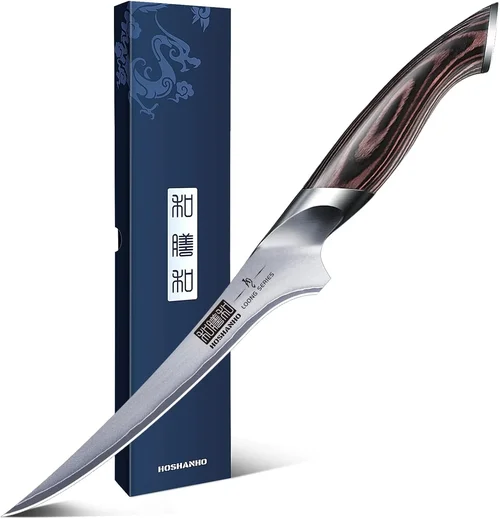
When it comes to preparing poultry and ribs—whether you’re a home cook perfecting your Sunday roast or a pitmaster smoking racks for hours—the right knife can make all the difference. Deboning chicken and ribs isn’t just about cutting; it’s about precision, control, and finesse. A dull or poorly designed blade can tear meat, leave behind valuable scraps, or worse—cause injury. That’s why choosing the best deboning knife isn’t a luxury—it’s a necessity for anyone serious about kitchen efficiency and food quality.
In this comprehensive guide, we’ll walk you through everything you need to know to select the ideal deboning knife for your needs. From understanding blade geometry and handle ergonomics to comparing price points and brand reputations, we’ve tested, researched, and analyzed dozens of options on the market in 2026. Whether you’re deboning a whole chicken for a stew, trimming fat from pork ribs, or separating meat from bone for sausage stuffing, this guide will equip you with expert insights to make an informed decision. We’ll also cover common pitfalls, budget considerations, and pro tips to help you get the most value—and performance—from your purchase.
The deboning knife market has evolved significantly over the past few years. With advancements in metallurgy, handle design, and manufacturing techniques, today’s knives offer better edge retention, comfort, and durability than ever before. However, with so many options—ranging from budget-friendly imports to hand-forged Japanese masterpieces—it’s easy to feel overwhelmed. This guide cuts through the noise. We’ll focus on real-world performance, not marketing hype, and help you find a knife that fits your cooking style, budget, and kitchen workflow.

What to Look for When Buying Buying Guide
1. Blade Length and Flexibility
The blade length and flexibility of a deboning knife are perhaps the most critical factors when selecting the right tool for the job. For deboning chicken and ribs, a blade between 5 and 7 inches is ideal. Shorter blades (5–6 inches) offer greater control and maneuverability, making them perfect for intricate work like removing meat from chicken joints or separating rib meat from the bone. Longer blades (6.5–7 inches) provide more reach and are better suited for larger cuts or when you need to make longer, smoother cuts along the bone.
Flexibility is equally important. A slightly flexible blade allows the knife to “hug” the bone, reducing the risk of cutting into it and wasting meat. For chicken, a medium-flex blade works best—it’s supple enough to navigate tight spaces but stiff enough to maintain control. For ribs, especially pork or beef, a stiffer blade may be preferable to prevent bending during tougher cuts. However, too much flexibility can make the knife feel flimsy, so balance is key. Look for knives labeled as “semi-flexible” or “moderate flex” for versatile performance across both poultry and ribs.
2. Blade Material and Steel Type
The steel used in a deboning knife determines its sharpness, edge retention, corrosion resistance, and ease of maintenance. High-carbon stainless steel is the gold standard for most kitchen knives, including deboning models. It combines the sharpness and durability of carbon steel with the rust resistance of stainless steel, making it ideal for wet, fatty environments like poultry and meat processing.
Popular steel types include VG-10 (a Japanese high-carbon stainless steel known for excellent edge retention), AUS-10 (similar to VG-10 but slightly softer), and German steels like X50CrMoV15 (used in brands like Wüsthof and Zwilling). These steels hold a sharp edge well and resist staining, even when exposed to acidic marinades or frequent washing. Avoid low-quality stainless steels (often labeled simply as “stainless steel” without a specific grade), as they tend to dull quickly and are prone to chipping.
For those who prioritize ease of sharpening, carbon steel blades (like those made from 1095 steel) are excellent—they take a razor edge easily and are very durable. However, they require more maintenance to prevent rust and discoloration. If you’re willing to oil the blade after each use, a carbon steel deboning knife can be a rewarding choice.
3. Handle Design and Ergonomics
A knife is only as good as its handle. During deboning, you’ll often be working with slippery, greasy hands, so a secure, comfortable grip is essential. Look for handles made from materials that offer good traction—such as textured polymer, G-10 (a fiberglass-based composite), or stabilized wood with a non-slip finish. Avoid smooth plastic or metal handles, which can become dangerously slick.
Ergonomics play a major role in reducing hand fatigue during prolonged use. A well-contoured handle should fit naturally in your palm, with a slight curve that supports your fingers and a bolster or guard to prevent slipping toward the blade. Full tang construction—where the blade extends through the entire handle—adds balance and durability. While not always necessary for deboning knives, a full tang provides better weight distribution and long-term reliability.
Consider the handle length as well. A handle that’s too short can cause your knuckles to hit the cutting board, while one that’s too long may feel unwieldy. Most deboning knives have handles between 4.5 and 5.5 inches, which is suitable for most hand sizes. If you have larger hands, look for models with extended handles or those designed for professional use.
4. Blade Shape and Tip Design
The shape of the blade affects how easily you can maneuver around bones and joints. For deboning, a narrow, pointed tip is ideal. It allows you to pierce skin, navigate tight spaces, and make precise incisions without tearing the meat. A clip-point or drop-point design is common in high-quality deboning knives—both offer a sharp, controllable tip while maintaining a strong spine for support.
A curved belly (the cutting edge) helps with rocking motions when trimming fat or slicing meat away from bone. However, unlike a chef’s knife, the curve on a deboning knife should be subtle—too much curvature can make it difficult to make straight, controlled cuts. The spine (top edge) should be smooth and slightly tapered toward the tip to reduce weight and improve agility.
Avoid knives with overly thick spines or blunt tips, as these can hinder precision. Similarly, serrated edges are not recommended for deboning—they’re better suited for bread or tomatoes. A straight, smooth edge is essential for clean, controlled cuts.
5. Weight and Balance
The weight and balance of a deboning knife influence how it feels in your hand and how easily you can control it. A well-balanced knife should feel like an extension of your arm—neither too heavy at the blade nor too light at the handle. Most deboning knives weigh between 4 and 7 ounces, which is light enough for detailed work but substantial enough to provide momentum when needed.
Balance is typically achieved through the placement of the bolster (the thick junction between blade and handle) and the distribution of weight along the tang. A knife balanced toward the handle offers more control and reduces fatigue, while one balanced toward the blade provides more cutting power. For deboning, a handle-heavy balance is generally preferred, as it allows for precise, fingertip control.
Test the balance by placing your finger at the bolster—the knife should rest level without tipping forward or backward. If it leans heavily in either direction, it may feel awkward during use.
6. Ease of Sharpening and Maintenance
Even the best knives dull over time, so consider how easy it is to maintain your deboning knife. High-carbon stainless steels like VG-10 and AUS-10 can be sharpened with a whetstone, pull-through sharpener, or honing rod, but they may require more frequent touch-ups than harder steels. Softer steels (like X50CrMoV15) are easier to sharpen but may not hold an edge as long.
Look for knives that come with care instructions and are compatible with common sharpening tools. Some premium brands include sharpening guides or offer professional sharpening services. Avoid knives with overly hard steels (HRC above 62), as they can be difficult to sharpen at home and may chip if mishandled.
Maintenance also includes cleaning and storage. Most deboning knives are dishwasher-safe, but hand washing is recommended to preserve the edge and handle integrity. Store your knife in a knife block, magnetic strip, or sheath to protect the blade and prevent accidents.
7. Brand Reputation and User Reviews
While brand name alone shouldn’t dictate your decision, reputable manufacturers often deliver consistent quality, better customer service, and longer warranties. Established brands like Wüsthof, Victorinox, Global, and Shun have decades of experience crafting kitchen knives and are known for their reliability.
That said, newer brands and boutique makers are also producing excellent deboning knives at competitive prices. Reading user reviews—especially from verified purchasers—can provide real-world insights into performance, durability, and potential issues. Look for patterns in feedback: if multiple users mention poor edge retention or handle cracking, it’s a red flag.
Pay attention to reviews from people with similar cooking habits. A home cook deboning a few chickens a month may have different needs than a chef processing dozens of racks daily. Focus on reviews that discuss actual use cases, not just aesthetics or packaging.
8. Warranty and Customer Support
A good warranty reflects the manufacturer’s confidence in their product. Most reputable brands offer a limited lifetime warranty that covers defects in materials and workmanship. Some even include free sharpening or replacement services. Avoid brands with short warranties (under 1 year) or vague terms, as they may not stand behind their products.
Customer support is equally important. If your knife develops a problem—like a loose handle or chipped blade—you want to know the company will respond promptly and fairly. Check the brand’s website for contact information, return policies, and service centers. Brands with U.S.-based support or local repair options are ideal.
Different Types of Buying Guide
Common Buying Mistakes to Avoid
❌ Mistake: Choosing a Knife Based Solely on Price
Why it’s bad: A cheap knife may save you money upfront, but it often leads to frustration, frequent sharpening, and even injury. Low-cost knives often use inferior steel, poor construction, and uncomfortable handles, making deboning more difficult and less safe.
What to do instead: Invest in a mid-range knife ($50–$100) that offers the best balance of quality, performance, and value. Look for sales or refurbished models from reputable brands to stretch your budget.
❌ Mistake: Ignoring Blade Flexibility
Why it’s bad: Using a stiff knife on chicken can result in torn meat and wasted portions. Conversely, a too-flexible knife on ribs may bend or deflect, reducing control and precision.
What to do instead: Match the blade flexibility to your primary use. Choose a flexible blade for poultry and a stiffer one for ribs. Some cooks prefer owning both types for versatility.
❌ Mistake: Overlooking Handle Comfort
Why it’s bad: An uncomfortable or slippery handle increases the risk of cuts and hand fatigue, especially during long deboning sessions. Poor ergonomics can turn a simple task into a painful chore.
What to do instead: Test the handle in-store if possible, or read detailed reviews about grip and comfort. Look for textured, non-slip materials and a shape that fits your hand naturally.
❌ Mistake: Buying a Multi-Purpose Knife Instead of a Specialized One
Why it’s bad: A chef’s knife or utility knife may seem like a good all-rounder, but it lacks the precision and maneuverability needed for deboning. You’ll struggle to get close to the bone and may damage the meat.
What to do instead: Use a dedicated deboning knife for the task. It’s designed specifically for navigating bones and joints, making the process faster, safer, and more efficient.
❌ Mistake: Neglecting Maintenance
Why it’s bad: A dull knife is more dangerous than a sharp one—it requires more force, increasing the chance of slipping and injury. Poor maintenance also shortens the knife’s lifespan.
What to do instead: Hone your knife regularly with a steel rod and sharpen it every few months. Clean and dry it after each use, and store it properly to protect the edge.
❌ Mistake: Falling for “Professional” Marketing
Why it’s bad: Many brands market their knives as “professional-grade” without specifying what that means. Some are overpriced with minimal performance gains, while others are poorly made despite the label.
What to do instead: Focus on real specifications—steel type, blade length, handle material—and read independent reviews. A knife used by professionals should perform well in your kitchen, not just look the part.
❌ Mistake: Not Considering Your Skill Level
Why it’s bad: A highly specialized or extremely sharp knife can be difficult for beginners to control, leading to mistakes or accidents. Conversely, advanced users may find budget knives limiting.
What to do instead: Choose a knife that matches your experience. Beginners should look for forgiving, easy-to-use models, while experts can opt for high-performance, precision tools.
Budget Guidelines: How Much Should You Spend?
When it comes to deboning knives, price often correlates with quality—but not always. Here’s a breakdown of what you can expect at different price points in 2026:
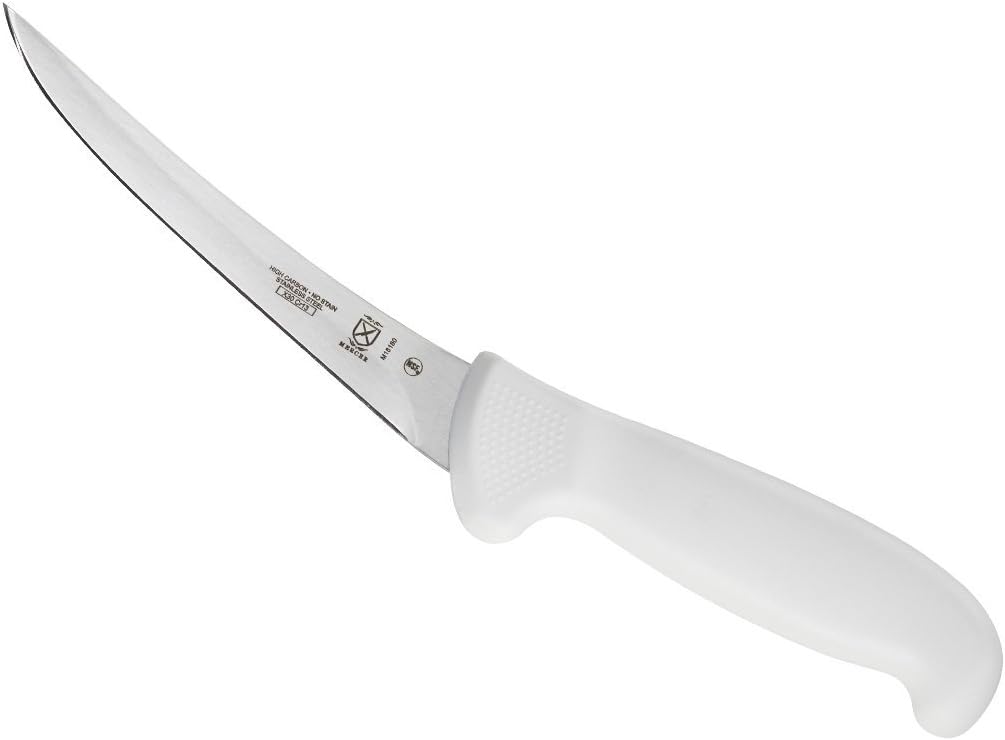
Entry-Level ($20–$40): These knives are suitable for occasional use or beginners. They typically feature stamped blades made from basic stainless steel, plastic handles, and limited warranties. While they can get the job done, they may dull quickly and lack the balance and comfort of higher-end models. Look for brands like Mercer Culinary or Victorinox (entry lines) for decent performance at this price.
Mid-Range ($40–$80): This is the sweet spot for most home cooks. Knives in this range often use high-carbon stainless steel (like X50CrMoV15 or AUS-10), offer better handle ergonomics, and come from reputable brands. Examples include the Wüsthof Classic Boning Knife and the Victorinox Fibrox Pro. These knives provide excellent value, durability, and performance for regular use.
Premium ($80–$150): Designed for serious cooks and semi-professionals, these knives feature superior steel (VG-10, SG2), full tang construction, and refined handles. Brands like Shun, Miyabi, and Global dominate this category. Expect exceptional sharpness, edge retention, and craftsmanship. These knives are ideal for frequent deboning and long-term use.
Luxury ($150+): At this level, you’re paying for artistry, rare materials, and hand-forged construction. Japanese brands like Masamoto, Sukenari, and Yoshihiro offer knives with Damascus cladding, exotic handles, and razor-sharp edges. While stunning and highly functional, these knives require careful maintenance and are best suited for enthusiasts or professionals who appreciate fine cutlery.
Expert Tips for Getting the Best Deal
- Shop During Sales: Major retailers like Amazon, Williams Sonoma, and Sur La Table often run promotions during holidays (Black Friday, Memorial Day) or seasonal transitions. Sign up for newsletters to get early access to discounts.
- Consider Refurbished or Open-Box Models: Many brands sell refurbished knives at 20–40% off. These are inspected, sharpened, and often come with the same warranty as new models.
- Buy Direct from Manufacturers: Some brands offer exclusive deals, free sharpening, or extended warranties when you purchase directly from their website.
- Check Return Policies: Ensure the retailer offers a hassle-free return window (at least 30 days) in case the knife doesn’t meet your expectations.
- Bundle with Other Knives: Some sets include a deboning knife at a discounted rate. If you need other kitchen knives, a bundle can offer better value.
- Read the Fine Print on Warranties: Some warranties only cover manufacturing defects, not normal wear. Understand what’s included before buying.
- Test Before You Buy (If Possible): Visit a kitchen store to handle the knife. Pay attention to weight, balance, and grip. Your instincts matter.
- Look for Free Sharpening Services: Brands like Wüsthof and Zwilling offer free sharpening for life with registration—this can save you money and keep your knife in top condition.

Frequently Asked Questions
Q: Can I use a chef’s knife for deboning?
A: While possible, a chef’s knife is not ideal for deboning. Its broad blade and weight make it difficult to maneuver around bones and joints. A dedicated deboning knife offers better control, precision, and safety.
Q: How often should I sharpen my deboning knife?
A: It depends on usage. For home cooks deboning a few times a month, sharpening every 3–6 months is sufficient. Frequent users may need to sharpen monthly. Regular honing with a steel rod helps maintain the edge between sharpenings.
Q: Are Japanese deboning knives better than Western ones?
A: Not necessarily. Japanese knives often feature harder steel and sharper edges, making them excellent for precision work. Western knives tend to be more durable and easier to maintain. The best choice depends on your preferences and cooking style.
Q: Can I put my deboning knife in the dishwasher?
A: It’s not recommended. Dishwashers can damage the blade edge, corrode the steel, and degrade handle materials. Hand washing with mild soap and immediate drying is the best practice.
Q: What’s the difference between a boning knife and a fillet knife?
A: Boning knives are designed for meat and poultry, with moderate flexibility and a pointed tip. Fillet knives are longer, more flexible, and used primarily for fish. While similar, they’re optimized for different tasks.
Q: How do I know if a knife is full tang?
A: A full tang extends through the entire handle and is visible on both sides. Look for metal peeking through the handle scales or check product descriptions. Full tang knives are generally more durable and balanced.
Q: Should I buy a left-handed deboning knife?
A: Most deboning knives are ambidextrous, but some brands offer left-handed versions with reversed bevels. If you’re left-handed and find standard knives uncomfortable, look for models specifically designed for lefties.
Q: Can I use a deboning knife for vegetables?
A: While possible, it’s not ideal. The narrow blade and pointed tip are optimized for meat, not chopping or slicing produce. Use a paring or utility knife for vegetables to preserve your deboning knife’s edge.
Q: What’s the best way to store a deboning knife?
A: Store it in a knife block, on a magnetic strip, or in a protective sheath. Avoid tossing it in a drawer with other utensils, as this can dull the blade and cause damage.
Q: How do I clean a greasy deboning knife?
A: Rinse immediately after use to prevent fat buildup. Wash with warm, soapy water and a soft sponge. Dry thoroughly to prevent rust. For stubborn grease, use a degreasing dish soap or a vinegar-water solution.
Our Final Recommendations
Best for Budget-Conscious Buyers: Victorinox Fibrox Pro Boning Knife (Flexible, 6″) – At under $40, this knife offers exceptional value with a high-carbon stainless steel blade, non-slip Fibrox handle, and excellent edge retention. It’s a favorite among home cooks and professionals alike.
Best Overall Value: Wüsthof Classic Boning Knife (6″) – Priced around $80, this German-made knife combines precision, durability, and comfort. Its full tang, ergonomic handle, and razor-sharp edge make it ideal for both chicken and ribs.
Best Premium Option: Shun Classic Boning Knife (6″) – With a VG-10 core, Damascus cladding, and a D-shaped PakkaWood handle, this Japanese knife delivers top-tier performance. It’s perfect for serious cooks who want a knife that excels in every detail.
Best for Beginners: Mercer Culinary Genesis Boning Knife (6″) – Affordable, easy to use, and well-balanced, this knife is ideal for those new to deboning. It’s durable, dishwasher-safe, and comes with a limited lifetime warranty.
Best for Advanced Users: Miyabi 5000MCD 64 Boning Knife (6″) – Hand-forged in Japan with a micro-carbide MC64 steel core, this knife offers unparalleled sharpness and edge retention. It’s a masterpiece for experienced chefs who demand precision.
Conclusion: Making the Right Choice
Choosing the best deboning knife for chicken and ribs doesn’t have to be overwhelming. By focusing on key factors like blade flexibility, steel quality, handle ergonomics, and your personal cooking needs, you can find a knife that enhances your kitchen experience. Remember, the right tool doesn’t just make the job easier—it makes it safer, more efficient, and more enjoyable.
Whether you’re a weekend warrior prepping ribs for a backyard BBQ or a home chef perfecting your chicken curry, investing in a quality deboning knife is a decision you won’t regret. Use this guide to compare options, avoid common pitfalls, and make a confident purchase. And once you’ve found your ideal knife, take care of it—sharpen it regularly, store it properly, and it will serve you well for years to come.
Now that you’re armed with expert knowledge, it’s time to make your choice. Prioritize what matters most to you—whether it’s budget, performance, or ease of use—and select a knife that fits your lifestyle. Happy deboning!