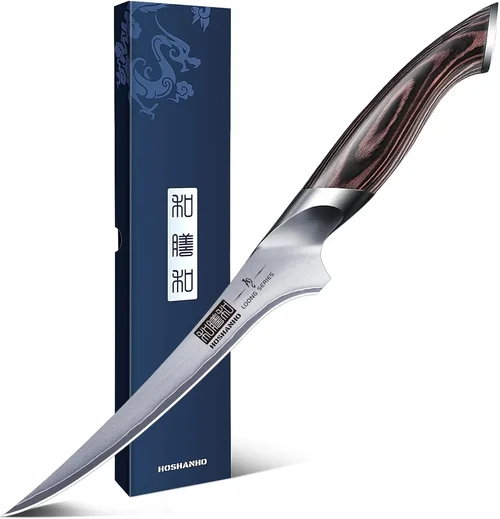
Filleting fish at home is both an art and a science—one that demands precision, patience, and the right tools. Whether you’re cleaning a freshly caught trout from a mountain stream or preparing a salmon fillet for a family dinner, the quality of your knife can make all the difference between a messy, frustrating experience and a clean, professional-grade result. A dull or poorly designed blade can tear delicate flesh, waste precious meat, and even pose safety risks. That’s why investing in a high-quality fish fillet knife isn’t just a luxury—it’s a necessity for anyone who takes their seafood seriously.
This comprehensive buying guide is designed to help you navigate the crowded market of fillet knives with confidence. Whether you’re a weekend angler, a home cook who loves fresh fish, or a culinary enthusiast aiming to elevate your kitchen skills, we’ll walk you through everything you need to know. You’ll learn how to evaluate blade flexibility, understand steel types, compare handle ergonomics, and identify which features truly matter—and which are just marketing fluff. We’ll also break down common pitfalls, budget considerations, and expert tips to ensure you get the best possible value for your money.
The market today offers an overwhelming array of options: from budget-friendly utility knives to hand-forged Japanese masterpieces. Some are built for speed and efficiency, while others prioritize balance and control. Some come with sheaths and storage cases, while others are designed for minimalists who value simplicity. With so many choices, it’s easy to feel paralyzed by indecision. But by the end of this guide, you’ll have a clear understanding of what makes a fillet knife truly great—and how to choose one that fits your needs, skill level, and budget perfectly.

What to Look for When Buying Buying Guide
1. Blade Flexibility
Blade flexibility is arguably the most critical factor when selecting a fish fillet knife. Unlike chef’s knives or cleavers, fillet knives are designed to bend and contour along the spine and bones of a fish, allowing you to remove meat cleanly without damaging the delicate flesh. The ideal flexibility depends on the type of fish you’re working with: thin, flexible blades (often 6–7 inches) are perfect for small panfish like perch or crappie, while slightly stiffer blades (7–9 inches) work better for larger species like salmon or tuna.
Look for knives labeled as “flex,” “semi-flex,” or “stiff.” A truly flexible blade should curve easily when pressed against a flat surface, while a stiff blade resists bending. Semi-flex offers a middle ground—great for versatility. Avoid overly rigid blades, as they can’t navigate tight curves around bones, and overly floppy ones, which lack control. High-end models often use tapered spines (thicker at the handle, thinning toward the tip) to optimize flex without sacrificing strength.
2. Blade Length
Blade length directly impacts maneuverability and efficiency. Shorter blades (5–6 inches) offer maximum control and are ideal for small fish or detailed work like removing pin bones. They’re lightweight and easy to handle, making them excellent for beginners or those with smaller hands. Medium-length blades (7–8 inches) strike a balance between agility and reach—perfect for most home filleting tasks involving trout, bass, or snapper.
Longer blades (9 inches and up) are best suited for large fish such as salmon, mackerel, or halibut. They allow you to make long, smooth strokes from head to tail in a single pass, reducing the number of cuts and minimizing tearing. However, they can feel unwieldy for beginners or in tight spaces. Consider your typical catch size: if you mostly fish for panfish, go short; if you regularly bring home big game fish, opt for 8–9 inches.
3. Steel Type and Edge Retention
The type of steel used in the blade determines its sharpness, durability, ease of sharpening, and resistance to corrosion—especially important when working with saltwater fish. Stainless steel is the most common choice due to its rust resistance, but not all stainless steels are equal. Look for high-carbon stainless steels like VG-10, 420HC, or AUS-8, which combine excellent edge retention with good corrosion resistance.
Avoid plain carbon steel unless you’re prepared to maintain it meticulously—it rusts easily but holds an incredibly sharp edge. Japanese brands often use premium alloys like SG2 or ZDP-189 for superior performance, though these come at a higher price. Edge retention refers to how long the blade stays sharp between sharpenings. Knives with harder steel (HRC 58+) retain edges longer but can be brittle; softer steels (HRC 54–56) are more forgiving but dull faster. For home use, aim for a balance—around HRC 56–58 is ideal.
4. Handle Design and Ergonomics
A comfortable, secure grip is essential when filleting, especially during prolonged use or when hands are wet. Look for handles made from non-slip materials like rubberized polymers, textured G-10, or soft-touch composites. Avoid smooth plastic or metal handles—they become slippery and dangerous when wet.
Ergonomics matter too: the handle should fit naturally in your palm, with contours that support your fingers and thumb. A full tang construction (where the blade extends through the entire handle) adds balance and durability. Some premium models feature finger guards or bolster designs to prevent slipping toward the blade. Weight distribution is also key—a well-balanced knife reduces hand fatigue and improves precision. Test the grip if possible; if buying online, check user reviews for feedback on comfort.
5. Blade Shape and Tip Design
Fillet knives typically feature a narrow, pointed tip for precision work, but the overall blade shape varies. Traditional Western styles have a slightly curved belly for rocking motions, while Japanese-inspired designs often have straighter edges for clean, straight cuts. The tip should be fine enough to slip under skin and around bones without tearing flesh.
Some knives include a “gut hook” near the handle for opening fish cavities—useful if you’re field-dressing, but unnecessary if you’re only filleting pre-cleaned fish. Others have a serrated section for cutting through skin, though a sharp straight edge usually suffices. Avoid overly aggressive serrations, as they can damage delicate meat. A drop-point or clip-point tip offers the best combination of control and access for detailed tasks.
6. Ease of Maintenance and Sharpening
Even the best knife will dull over time, so consider how easy it is to maintain. High-quality stainless steels hold edges well but may require specialized sharpening tools. Look for blades that respond well to standard sharpening rods, stones, or pull-through sharpeners. Some manufacturers include sharpening guides or recommend specific methods—check the product details.
Corrosion resistance reduces maintenance needs, especially if you’re filleting saltwater fish. Rinse and dry your knife immediately after use to prevent rust and bacterial growth. Dishwasher-safe knives exist, but hand washing is always recommended to preserve edge integrity and handle adhesives. If you’re not confident in your sharpening skills, consider models with replaceable blades or those backed by professional sharpening services.
7. Sheath and Storage Options
A good sheath protects the blade, prevents accidents, and makes transport easy—especially important if you’re taking your knife fishing or camping. Look for sheaths made from durable materials like nylon, leather, or molded plastic with secure closures (snap buttons, Velcro, or clip systems). Some include belt loops or D-rings for attachment.
For kitchen use, consider magnetic strips or blade guards that fit in drawers. Avoid storing fillet knives loosely with other utensils—edges can chip, and handles can get damaged. Premium sets often come with custom cases or roll bags, which are great for organization but add cost. If portability is a priority, choose a compact sheath that doesn’t bulk up your gear.
8. Brand Reputation and Warranty
Not all knife brands are created equal. Established names like Victorinox, Wüsthof, Rapala, and Dexter-Russell have decades of experience crafting reliable fillet knives. They invest in quality control, consistent materials, and customer support. Lesser-known brands may offer attractive prices, but quality can be hit-or-miss.
Always check the warranty: reputable brands typically offer limited lifetime warranties covering defects in materials and workmanship. Some even include free sharpening or blade replacement. Read the fine print—warranties often exclude normal wear, misuse, or corrosion damage. User reviews on trusted platforms (Amazon, REI, Bass Pro) can reveal real-world reliability and customer service experiences.
Different Types of Buying Guide

Common Buying Mistakes to Avoid
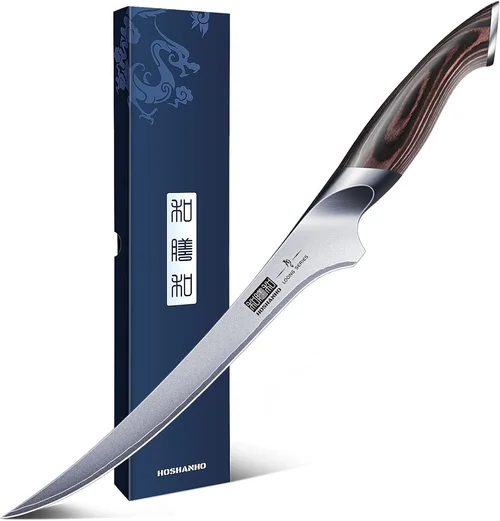
❌ Mistake: Choosing Based Solely on Price
Why it’s bad: Opting for the cheapest knife available often means sacrificing blade quality, handle comfort, and durability. A $15 fillet knife may look tempting, but it’ll likely dull quickly, rust easily, and feel awkward in your hand—leading to frustration and wasted fish.
What to do instead: View your fillet knife as a long-term investment. Spending $40–$80 gets you a reliable, well-balanced tool that will last years with proper care. Prioritize value over absolute low cost.
❌ Mistake: Ignoring Blade Flexibility Needs
Why it’s bad: Using a stiff blade on a small fish results in torn flesh and wasted meat. Conversely, a floppy blade on a large fish lacks control and can slip, causing injury.
What to do instead: Match flexibility to your typical catch. If you fish varied species, consider owning two knives—one flexible (6–7″) for small fish, one semi-stiff (8–9″) for larger ones.
❌ Mistake: Overlooking Handle Safety
Why it’s bad: Slippery handles increase the risk of cuts, especially when hands are wet or covered in fish slime. A poor grip also leads to fatigue and reduced precision.
What to do instead: Always choose textured, non-slip handles. Test the grip if possible—your fingers should feel secure, and the knife shouldn’t shift during use.
❌ Mistake: Buying a Knife Without a Sheath
Why it’s bad: Unprotected blades can damage other gear, dull quickly, or cause accidental cuts when reaching into a tackle box or drawer.
What to do instead: Ensure the knife includes a sheath or purchase one separately. Even basic nylon sheaths offer significant protection and convenience.
❌ Mistake: Assuming All “Stainless” Steels Are Equal
Why it’s bad: Low-grade stainless steel (like 420J) rusts easily and dulls fast, despite the “stainless” label. You’ll end up replacing the knife sooner.
What to do instead: Research the specific steel type. Look for mentions of VG-10, 420HC, or AUS-8 in product descriptions—these indicate better performance and corrosion resistance.
❌ Mistake: Neglecting Maintenance Requirements
Why it’s bad: Even premium knives lose effectiveness if not cleaned and sharpened regularly. Dull blades require more force, increasing slip risk.
What to do instead: Commit to basic maintenance: rinse immediately after use, dry thoroughly, and sharpen every few months. Keep a honing rod handy for touch-ups.
❌ Mistake: Buying Based on Brand Hype Alone
Why it’s bad: Some brands charge premium prices for mediocre quality. A famous name doesn’t guarantee the right tool for your needs.
What to do instead: Read independent reviews, check warranty terms, and compare specs. Sometimes lesser-known brands offer better value with similar or superior materials.
Budget Guidelines: How Much Should You Spend?
Entry-Level ($15–$35): These knives are suitable for occasional use or beginners testing the waters. Expect basic stainless steel (often 420 series), simple plastic handles, and moderate flexibility. Brands like Rapala and Morakniv offer decent options in this range. While they won’t hold an edge as long as pricier models, they’re affordable enough to replace if needed. Ideal for kids learning to fillet or casual weekend anglers.
Mid-Range ($35–$75): This is the sweet spot for most home users. Knives in this tier feature better steel (like 420HC or AUS-8), ergonomic handles, and improved balance. Models from Victorinox, Dexter-Russell, and Kershaw deliver excellent performance without breaking the bank. You’ll get good edge retention, rust resistance, and comfort—perfect for regular filleting of freshwater and light saltwater fish.
Premium ($75–$150): Designed for serious cooks and frequent anglers, these knives use high-performance steels (VG-10, SG2) and precision craftsmanship. Handles are often made from premium materials like Pakkawood or G-10, and many feature full-tang construction. Brands like Wüsthof, Global, and Spyderco dominate this space. Expect exceptional sharpness, durability, and attention to detail—worth it if you fillet multiple times a week.
Luxury ($150+): Reserved for enthusiasts and professionals, luxury fillet knives are often hand-forged, use exotic steels (ZDP-189, Damascus), and come with custom sheaths or cases. Japanese makers like Masahiro and Tojiro produce stunning examples ideal for sashimi or competition-level filleting. These knives demand careful maintenance but offer unparalleled performance and aesthetic appeal.
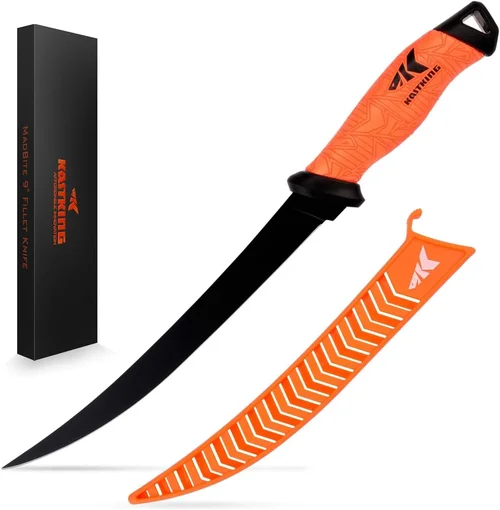
Expert Tips for Getting the Best Deal
- Shop During Off-Seasons: Fishing gear often goes on sale in late winter or early spring, before peak fishing season. Retailers like Bass Pro Shops, Cabela’s, and REI frequently discount knives by 20–30% during these periods.
- Compare Online and In-Store: Online retailers (Amazon, BladeHQ) often have lower prices and wider selections, but local tackle shops let you handle knives before buying. Use online research to inform in-store decisions.
- Look for Bundle Deals: Some kits include a fillet knife, sharpening steel, and sheath at a discounted rate. These can offer great value if you need multiple items.
- Check Return Policies: Ensure the seller allows returns if the knife doesn’t meet expectations. A 30-day return window gives you time to test it on real fish.
- Read Verified Purchase Reviews: Focus on reviews from buyers who’ve actually used the knife for filleting—not just general impressions. Look for comments on edge retention, comfort, and rust resistance.
- Consider Refurbished or Open-Box: Reputable sellers sometimes offer refurbished knives at 20–40% off. These are often inspected and restored to like-new condition.
- Join Loyalty Programs: Stores like REI and Bass Pro offer member discounts, early access to sales, and reward points that can reduce future purchases.
- Ask for Recommendations: Talk to experienced anglers or chefs. Personal referrals often lead to hidden gems not heavily advertised.

Frequently Asked Questions
Q: Can I use a regular chef’s knife to fillet fish?
A: While possible, it’s not ideal. Chef’s knives are too stiff and wide to navigate around bones and skin cleanly. They’re also heavier, increasing fatigue. A dedicated fillet knife’s flexibility and narrow profile make the job faster, safer, and more efficient.
Q: How often should I sharpen my fillet knife?
A: It depends on usage. For weekly filleting, hone with a steel before each use and sharpen with a stone every 2–3 months. If you notice the blade struggling to cut cleanly or tearing flesh, it’s time to sharpen.
Q: Are electric fillet knives worth it?
A: They’re excellent for processing large quantities quickly or for users with hand arthritis. However, they lack the precision of manual knives and can tear delicate flesh if not used carefully. Best for utility, not finesse.
Q: Do I need a separate knife for saltwater vs. freshwater fish?
A: Not necessarily, but saltwater accelerates corrosion. If you frequently fillet saltwater species, choose a knife with high corrosion resistance (e.g., H1 steel or coated blades) and rinse it immediately after use.
Q: What’s the difference between a fillet knife and a boning knife?
A: Boning knives are stiffer and thicker, designed for cutting meat off bones in poultry or beef. Fillet knives are narrower, more flexible, and optimized for removing fish meat from bones and skin without waste.
Q: Can I put my fillet knife in the dishwasher?
A: No. Dishwashers expose blades to harsh detergents and high heat, which can dull edges, corrode steel, and degrade handle adhesives. Always hand wash and dry immediately.
Q: How do I remove fish smell from my knife handle?
A: Wipe the handle with a mixture of baking soda and water, then rinse and dry. For persistent odors, use a diluted vinegar solution or specialized knife cleaner. Avoid soaking wooden handles.
Q: Is a serrated edge useful on a fillet knife?
A: Rarely. Serrations can tear delicate fish flesh. A sharp straight edge slices through skin cleanly. Some knives have a small serrated section near the handle for tough scales, but it’s not essential.
Q: What’s the best way to store a fillet knife?
A: Use a sheath, blade guard, or magnetic strip. Never store it loose in a drawer with other utensils. Keep it in a dry place to prevent rust.
Q: Can I use a fillet knife for other kitchen tasks?
A: Yes, but sparingly. Its thin, flexible blade isn’t designed for chopping or heavy-duty work. Using it for unintended tasks can damage the edge or cause breakage.
Our Final Recommendations
Best for Budget-Conscious Buyers: Victorinox Fibrox Pro Flexible Fillet Knife (7″) – At around $35, this Swiss-made knife offers outstanding value with a razor-sharp, flexible blade, non-slip Fibrox handle, and excellent edge retention. It’s dishwasher safe (though hand washing is still recommended) and backed by a lifetime warranty.
Best Overall Value: Rapala Super Flex Fillet Knife (7″) – Priced under $50, this American favorite combines extreme flexibility, a comfortable rubberized handle, and a durable 420 stainless blade. Comes with a premium leather sheath and is ideal for both freshwater and light saltwater use.
Best Premium Option: Wüsthof Gourmet Flexible Fillet Knife (7″) – For around $90, you get German engineering at its finest: precision-forged high-carbon stainless steel, full tang construction, and a balanced, ergonomic handle. Exceptional sharpness out of the box and built to last generations.
Best for Beginners: Kershaw Clearwater Fillet Knife (7″) – Affordable ($25–$30), easy to sharpen, and featuring a textured rubber handle for secure grip. The moderate flexibility makes it forgiving for new users learning proper technique.
Best for Advanced Users: Global G-45 Flexible Fillet Knife (7″) – Crafted from Cromova 18 stainless steel, this Japanese knife delivers surgical precision with a lightweight, seamless design. The hollow handle filled with sand provides perfect balance, and the blade holds an edge exceptionally well—ideal for sashimi or competition filleting.
Conclusion: Making the Right Choice
Choosing the best fish fillet knife isn’t about finding the most expensive or flashiest option—it’s about matching the right tool to your specific needs, skill level, and fishing habits. Throughout this guide, we’ve emphasized key factors like blade flexibility, steel quality, handle ergonomics, and maintenance requirements. We’ve compared different types, warned against common mistakes, and provided actionable budgeting and shopping advice. Most importantly, we’ve stressed that a great fillet knife should feel like an extension of your hand: intuitive, reliable, and effortlessly precise.
Remember, the perfect knife for someone who catches daily salmon in Alaska might be overkill for a weekend trout angler in Colorado. Conversely, a flimsy budget knife won’t cut it (literally) for someone processing dozens of fish each season. Take time to assess your typical use case, read real user reviews, and prioritize comfort and control. And don’t forget the basics: always clean and dry your knife after use, store it safely, and keep it sharp.
Investing in a quality fillet knife transforms a messy, frustrating chore into a satisfying culinary ritual. It saves you money by reducing waste, enhances food safety by minimizing cross-contamination, and elevates the flavor of your meals by preserving the integrity of the fish. Whether you’re feeding your family or impressing guests with perfectly portioned fillets, the right knife makes all the difference.
So go ahead—make your choice with confidence. Use this guide as your compass, trust your instincts, and remember: the best fillet knife is the one that feels right in your hand and delivers consistent results, cut after cut. Happy filleting!