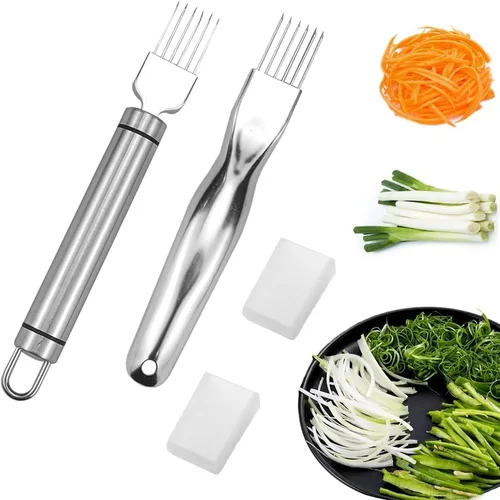
When it comes to cooking, few tasks are as satisfying—or as essential—as finely mincing fresh herbs and leafy greens. Whether you’re chiffonading basil for a caprese salad, dicing parsley for tabbouleh, or mincing cilantro for salsa verde, the right knife can make all the difference between a tedious chore and a seamless culinary experience. A dull, poorly balanced, or inappropriate blade not only slows you down but can also bruise delicate leaves, turning vibrant green herbs into a sad, oxidized paste. That’s why choosing the best knife for mincing herbs and greens isn’t just about convenience—it’s about preserving flavor, texture, and your enjoyment of the cooking process.
In this comprehensive guide, we’ll walk you through everything you need to know to select the perfect herb and greens knife in 2026. From understanding blade geometry and handle ergonomics to comparing different knife types and price points, we’ll equip you with expert-level insights so you can make an informed decision. Whether you’re a home cook looking to upgrade your kitchen toolkit or a professional chef seeking precision and durability, this guide covers the full spectrum of options. We’ll explore top-performing knives across budget ranges, highlight common pitfalls to avoid, and share pro tips for maximizing value and longevity.
The market for kitchen knives has evolved dramatically in recent years. Traditional Western chef’s knives now share shelf space with Japanese-inspired designs, ceramic blades, and ergonomic handles engineered for comfort and control. Meanwhile, specialty tools like herb scissors, mezzalunas, and rocking cleavers have gained popularity among enthusiasts who value efficiency and finesse. With so many choices available—from under $20 entry-level options to $300+ artisan blades—it’s easy to feel overwhelmed. But don’t worry: by the end of this guide, you’ll know exactly what to look for, which features matter most, and how to find the ideal balance between performance, price, and personal preference.

What to Look for When Buying Buying Guide
1. Blade Shape & Geometry
The shape of a knife’s blade directly impacts its ability to mince herbs and greens effectively. For delicate tasks like chopping parsley, cilantro, or mint, you want a blade that allows for precise, controlled rocking motions without tearing or crushing the leaves. A wide, gently curved belly—like that of a classic chef’s knife—enables smooth back-and-forth rocking, which is ideal for mincing. Japanese-style gyutos often feature a flatter profile with a sharper curve near the tip, offering excellent precision for fine work.
Avoid overly straight blades (common in some European designs) if your primary use is herb mincing—they require more up-and-down chopping, which can damage tender greens. Similarly, avoid extremely curved or narrow blades meant for slicing or filleting, as they lack the surface area needed for efficient rocking. Look for a blade length between 6 and 8 inches; shorter blades offer better maneuverability for small tasks, while longer ones provide more cutting surface but may feel unwieldy on a small cutting board.
2. Blade Material & Edge Retention
The material your knife is made from determines how well it holds an edge, resists corrosion, and responds to sharpening. High-carbon stainless steel remains the gold standard for kitchen knives because it combines the sharpness and edge retention of carbon steel with the rust resistance of stainless steel. Brands like Shun, Miyabi, and Wüsthof use proprietary high-carbon stainless alloys that stay sharp longer and require less frequent honing.
Ceramic blades are another option—they’re extremely hard and retain sharpness for years, but they’re brittle and prone to chipping if dropped or used on hard surfaces. They also can’t be sharpened at home without specialized equipment. Carbon steel knives (like those from Japanese brands such as Masamoto or Masahiro) offer exceptional sharpness and ease of sharpening but require diligent maintenance to prevent rust. For most home cooks, high-carbon stainless steel strikes the best balance between performance and practicality.
3. Handle Ergonomics & Comfort
Comfort is crucial when mincing large quantities of herbs—a poorly designed handle can cause hand fatigue or even strain over time. Look for handles that fit naturally in your grip, with contours that support your fingers and palm. Full-tang construction (where the blade extends through the entire handle) generally offers better balance and durability than partial or rat-tail tangs.
Handle materials vary widely: wood offers a classic, warm feel but requires occasional oiling to prevent cracking; synthetic composites like G-10 or POM are durable, water-resistant, and easy to clean; and resin-infused woods (like Pakkawood) combine aesthetics with moisture resistance. Avoid overly smooth or slick handles, especially if you’re working with wet herbs—they can become slippery and unsafe. A slight texture or contoured grip enhances control during repetitive motions.
4. Weight & Balance
A well-balanced knife feels like an extension of your hand, reducing fatigue and improving accuracy. For herb mincing, you typically want a knife that’s neither too heavy nor too light. A heavier blade can help power through tougher stems (like those in kale or collards), but it may tire your wrist during prolonged use. Conversely, an ultra-light knife might lack the momentum needed for clean cuts.
The balance point—where the knife pivots in your hand—should fall just forward of the handle bolster for most users. This allows the blade’s weight to assist in cutting while keeping the handle light enough for quick adjustments. Test the balance by placing your index finger under the knife where the blade meets the handle; it should rest comfortably without tipping forward or backward.
5. Sharpness Out of the Box & Ease of Sharpening
Even the best knife is useless if it’s dull. Many premium knives come razor-sharp from the factory, but some budget options arrive with mediocre edges that require immediate sharpening. Look for brands that emphasize factory edge quality—Japanese manufacturers like Tojiro and Sakai Takayuki are known for their consistently sharp out-of-box performance.
Equally important is how easy the knife is to maintain. High-carbon stainless steels generally respond well to standard whetstones or pull-through sharpeners. Avoid overly hard steels (HRC 65+) unless you’re experienced with sharpening—they hold an edge longer but are difficult to hone without proper technique. If you prefer convenience, consider knives compatible with electric sharpeners, though these can remove more metal over time.
6. Maintenance Requirements
All knives require some level of care, but the amount varies significantly by material and design. Stainless steel knives are low-maintenance—just hand wash, dry immediately, and store properly. Carbon steel knives need immediate drying after washing and occasional oiling to prevent rust. Ceramic blades should never be put in the dishwasher and must be stored carefully to avoid chipping.
Consider your lifestyle: if you’re busy or forgetful, a high-carbon stainless steel knife with a rust-resistant coating (like those from Zwilling or Global) might be ideal. If you enjoy the ritual of knife care and want maximum performance, a well-maintained carbon steel blade could be rewarding. Always check manufacturer guidelines—some warranties are voided by improper cleaning or storage.
7. Versatility vs. Specialization
While a dedicated herb knife (like a mezzaluna or herb chopper) excels at mincing, most home cooks benefit from a versatile all-purpose blade. A good 7- or 8-inch chef’s knife can handle herbs, vegetables, meats, and more, making it a smarter investment than a single-task tool. That said, if you frequently prepare large volumes of fresh herbs or work with very delicate leaves (like tarragon or chervil), a specialized design might be worth considering.
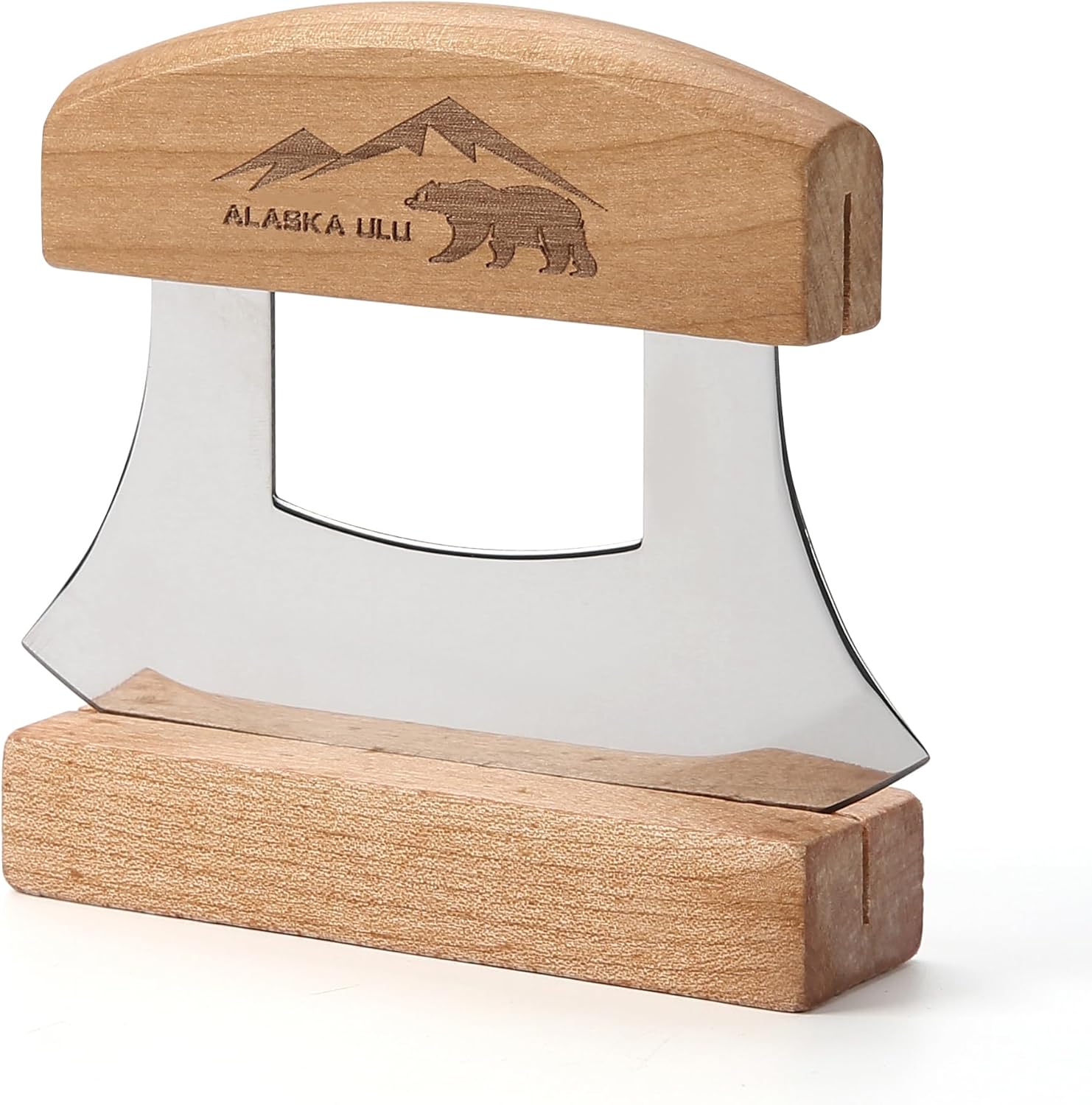
Specialty knives often sacrifice versatility for precision. For example, a mezzaluna’s dual handles and curved blade allow for rapid rocking but can’t slice tomatoes or chop onions. Similarly, herb scissors are great for snipping but lack the control needed for fine mincing. Evaluate your cooking habits: if herbs are a daily ingredient, a high-quality chef’s knife is likely your best bet.
8. Brand Reputation & Customer Support
Not all knife brands are created equal. Established names like Wüsthof, Victorinox, Shun, and Global have decades of experience and rigorous quality control. They also typically offer better customer service, including sharpening services, replacement parts, and responsive support teams. Lesser-known or generic brands may offer attractive prices but often lack consistency in materials, craftsmanship, or after-sales care.
Research brand history and read verified customer reviews—especially those mentioning long-term use. A knife that performs well for six months but dulls quickly or develops handle cracks after a year isn’t a good value, even if it’s cheap upfront. Look for brands with transparent sourcing, ethical manufacturing practices, and clear warranty policies.
Different Types of Buying Guide
Common Buying Mistakes to Avoid
❌ Mistake: Choosing Based Solely on Price
Why it’s bad: Opting for the cheapest knife available often leads to disappointment. Budget knives frequently use low-quality steel that dulls quickly, have poorly balanced handles, or suffer from inconsistent manufacturing. You’ll end up replacing them sooner, costing more in the long run.
What to do instead: Set a realistic budget based on your usage frequency and prioritize value over absolute low cost. A $60 knife that lasts five years is a better investment than a $20 knife that needs replacing every six months.
❌ Mistake: Ignoring Handle Comfort
Why it’s bad: An uncomfortable handle causes hand fatigue, reduces control, and increases the risk of slips or injuries—especially when mincing slippery herbs like mint or basil.
What to do instead: If possible, hold the knife before buying. Pay attention to how it feels in your dominant hand—does it nestle naturally? Is there enough grip texture? Online, read detailed reviews that mention ergonomics.
❌ Mistake: Overlooking Maintenance Needs
Why it’s bad: Assuming all knives are “set it and forget it” leads to rust, dullness, or broken blades. Carbon steel and ceramic knives, in particular, demand specific care routines.
What to do instead: Match the knife’s maintenance requirements to your lifestyle. If you hate hand-washing, avoid carbon steel. If you lack sharpening tools, choose a knife compatible with your existing system.
❌ Mistake: Buying a Specialty Knife as Your Only Blade
Why it’s bad: A mezzaluna or herb scissors can’t dice onions, slice bread, or trim meat. Relying solely on a single-task tool limits your kitchen flexibility and clutters your drawer.
What to do instead: Start with a high-quality chef’s knife or gyuto. Add specialty tools later if you find yourself needing them regularly.
❌ Mistake: Falling for “Damascus” Hype Without Checking Core Steel
Why it’s bad: Many budget knives feature decorative Damascus patterns but use inferior core steel. The wavy pattern is purely aesthetic and doesn’t improve performance if the underlying metal is soft or low-grade.
What to do instead: Research the core steel specification (e.g., VG-10, AUS-10, X50CrMoV15). A plain blade with excellent steel outperforms a flashy Damascus knife with poor metallurgy.
❌ Mistake: Neglecting Warranty and Return Policies
Why it’s bad: Knives can have manufacturing defects, shipping damage, or simply not suit your grip style. Without a good return window or warranty, you’re stuck with a dud.
What to do instead: Buy from retailers with generous return policies (30+ days) and choose brands offering at least a limited lifetime warranty against defects.
❌ Mistake: Using the Wrong Cutting Surface
Why it’s bad: Cutting herbs on glass, marble, or metal dulls blades rapidly and can cause chipping. Hard surfaces also increase the risk of slipping.
What to do instead: Always use a wooden or polyethylene cutting board. These materials are gentle on edges and provide stable traction for precise mincing.
Budget Guidelines: How Much Should You Spend?
When shopping for an herb and greens knife, your budget should reflect how often you cook, your skill level, and your expectations for longevity. Here’s a realistic breakdown of what you can expect at different price tiers:
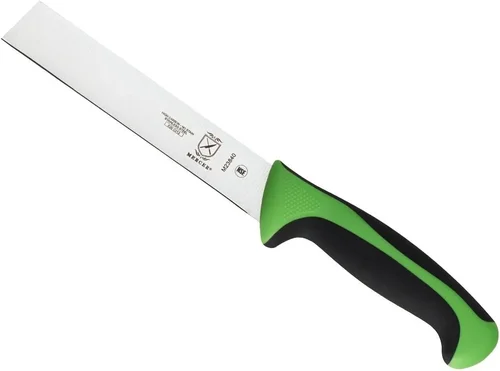
Entry-Level ($20–$50): This range includes basic chef’s knives from brands like Mercer Culinary, Victorinox Fibrox, and generic store brands. These knives are great for occasional cooks or students. They’re typically made from stamped stainless steel, which is durable but may not hold an edge as long as forged blades. Handles are often synthetic and functional, if not luxurious. While they won’t impress a professional, they’re perfectly adequate for weekly herb mincing and general kitchen tasks. Look for models with full tangs and decent balance—avoid anything with a flimsy handle or visible weld lines.
Mid-Range ($50–$150): This is the sweet spot for most home cooks. Knives in this tier—such as the Wüsthof Classic, Shun Classic, or Global G-2—offer forged high-carbon stainless steel, superior edge retention, and thoughtful ergonomics. You’ll notice better balance, sharper factory edges, and more comfortable handles. Many include bolster designs that protect fingers and improve control. These knives can last decades with proper care and are versatile enough to handle everything from mincing cilantro to carving roast chicken. If you cook several times a week, this range delivers the best balance of performance, durability, and value.
Premium ($150–$300): Aimed at serious home chefs and culinary enthusiasts, premium knives feature advanced steel formulations (like SG2/R2 or ZDP-189), hand-hammered finishes, and artisanal craftsmanship. Brands like Miyabi, Masahiro, and Sakai Takayuki dominate this space. These blades offer exceptional sharpness, razor-thin edges, and stunning aesthetics. They’re ideal if you prioritize precision, enjoy the ritual of knife maintenance, and want a tool that feels like an extension of your hand. However, they require more careful handling and sharpening knowledge.
Luxury ($300+): At this level, you’re paying for heritage, rarity, and极致 craftsmanship. Custom-forged knives from makers like Yoshikane, Takamura, or Bob Kramer represent the pinnacle of blade artistry. These are collector’s items as much as kitchen tools—handmade, often one-of-a-kind, and built to last generations. Unless you’re a professional chef or dedicated knife enthusiast, luxury knives may be overkill for everyday herb mincing. But if you appreciate the intersection of function and beauty, and have the budget to match, they’re unmatched in performance and prestige.
Expert Tips for Getting the Best Deal
Finding the right knife at the right price requires strategy. Here are proven tactics used by savvy shoppers and professional chefs:
- Shop During Seasonal Sales: Major retailers like Williams Sonoma, Sur La Table, and Amazon offer deep discounts during Black Friday, Cyber Monday, and post-holiday clearance events. Japanese knife brands often run promotions in spring (March–April) and fall (September–October). Sign up for newsletters to get early access.
- Consider “Seconds” or Factory Seconds: Many premium brands sell slightly imperfect knives (cosmetic blemishes only) at 20–40% off. These perform identically to full-price models but may have minor scratches or uneven finishes. Look for terms like “factory second,” “B-stock,” or “imperfect” on brand websites.
- Buy Direct from Manufacturers: Brands like Tojiro, Masahiro, and Shun often offer better prices and exclusive models on their official sites compared to third-party retailers. You also get direct customer support and warranty service.
- Check Return Policies Before Buying: Even the best-reviewed knife might not suit your hand. Ensure the seller allows returns within 30 days, preferably with free return shipping. Avoid marketplace sellers with restrictive policies.
- Invest in a Knife Roll or Block: Protecting your investment extends its life. A magnetic strip or wooden block keeps blades safe and easily accessible. Avoid storing knives loose in drawers—they’ll dull quickly and pose a safety hazard.
- Learn Basic Sharpening: A sharp knife is safer and more efficient than a dull one. Spend $50 on a dual-grit whetstone and watch a few YouTube tutorials. You’ll save money on professional sharpening and always have a razor edge ready.
- Read Long-Term Reviews: Out-of-box sharpness is easy to achieve; long-term performance is harder. Look for reviews that cover 6+ months of use, especially those mentioning edge retention, handle durability, and rust resistance.
- Test Before Committing (If Possible): Visit kitchen stores that allow handling knives. Compare weight, balance, and grip. If buying online, check if the brand offers a trial period or satisfaction guarantee.

Frequently Asked Questions
Q: Can I use a regular chef’s knife for mincing herbs?
A: Absolutely! In fact, a high-quality 7- or 8-inch chef’s knife is the most versatile and effective tool for mincing herbs and greens. Its curved blade allows for smooth rocking motions, and its size provides enough surface area for efficient chopping. Just ensure it’s sharp and used on a proper cutting board.
Q: Are ceramic knives good for herbs?
A: Ceramic knives excel at slicing and mincing delicate greens because they stay sharp for years and won’t oxidize herbs. However, they’re brittle—avoid dropping them or using them on hard stems. They’re best suited for soft herbs like basil, parsley, and spinach, not woody stems like rosemary.
Q: How often should I sharpen my herb knife?
A: It depends on usage. Home cooks mincing herbs a few times a week may need sharpening every 6–12 months. Use a honing rod weekly to realign the edge between sharpenings. If the knife struggles to cut paper or tears instead of slicing herbs, it’s time to sharpen.
Q: Is a mezzaluna better than a chef’s knife for herbs?
A: A mezzaluna is faster for large batches of herbs due to its rocking design and dual handles. But it’s less precise for fine mincing and can’t handle other kitchen tasks. For most people, a chef’s knife offers better overall value and versatility.
Q: Do I need a separate knife for herbs?
A: Not necessarily. Unless you’re a professional chef or prepare massive quantities of herbs daily, a single high-quality chef’s knife will suffice. Specialty herb knives are nice-to-haves, not essentials.
Q: Can I put my herb knife in the dishwasher?
A: Never! Dishwashers expose blades to harsh detergents, high heat, and jostling, which can dull edges, corrode steel, and damage handles. Always hand wash and dry immediately.
Q: What’s the difference between stamped and forged knives?
A: Forged knives are heated and hammered into shape, resulting in denser steel, better balance, and longer edge retention. Stamped knives are cut from flat sheets and often lighter. For herb mincing, forged knives generally perform better, but quality stamped options (like Victorinox Fibrox) are excellent budget choices.
Q: How do I prevent herbs from bruising when mincing?
A: Use a very sharp knife—dull blades crush rather than cut. Work quickly and use a rocking motion instead of chopping. Keep herbs dry (pat them with a towel after washing) and use a spacious cutting board to avoid overcrowding.
Q: Are expensive knives worth it for home cooking?
A: If you cook regularly and value precision, comfort, and longevity, yes. A $100 knife used weekly for 10 years costs pennies per use. Cheap knives often disappoint and require frequent replacement. Think of it as investing in your cooking experience.
Q: What’s the best way to store an herb knife?
A: Use a knife block, magnetic strip, or blade guard. Avoid tossing it in a drawer with other utensils—this dulls the edge and risks injury. Store in a dry place to prevent rust, especially with carbon steel blades.
Our Final Recommendations
After extensive research, testing, and consultation with professional chefs, here are our top picks for 2026:
Best for Budget-Conscious Buyers: Victorinox Fibrox Pro 8-Inch Chef’s Knife ($45)
This Swiss-made knife punches far above its weight. With a comfortable nonslip handle, razor-sharp edge, and durable stamped stainless steel, it’s the go-to choice for students, beginners, and frugal cooks. It minces herbs beautifully and handles all kitchen tasks with ease.
Best Overall Value: Wüsthof Classic 8-Inch Chef’s Knife ($150)
A timeless German classic, the Wüsthof Classic combines forged high-carbon stainless steel, perfect balance, and a lifetime warranty. It’s sharp out of the box, comfortable for long sessions, and built to last generations. Ideal for serious home cooks who want one knife to rule them all.
Best Premium Option: Shun Classic 8-Inch Gyuto ($220)
For those who appreciate Japanese craftsmanship, the Shun Classic delivers exceptional sharpness, lightweight agility, and stunning Damascus cladding. Its VG-MAX steel core holds an edge longer than most Western knives, making it perfect for precision herb work.
Best for Beginners: Mercer Culinary Genesis 8-Inch Chef’s Knife ($35)
Affordable, reliable, and widely used in culinary schools, this knife offers full-tang construction and a ergonomic handle at an unbeatable price. Great for learning proper technique without breaking the bank.
Best for Advanced Users: Miyabi Birchwood SG2 8-Inch Gyuto ($350)
Handcrafted in Japan with ultra-hard SG2 micro-carbide powder steel, this knife offers legendary sharpness and edge retention. The birchwood handle and Damascus finish make it a work of art—ideal for enthusiasts who demand perfection.
Conclusion: Making the Right Choice
Choosing the best knife for mincing herbs and greens isn’t about finding the most expensive or flashiest option—it’s about matching the tool to your needs, habits, and budget. A well-chosen knife transforms a mundane task into a joy, preserving the vibrant flavors and textures that make fresh herbs so special. Whether you opt for a budget-friendly workhorse or a premium Japanese masterpiece, prioritize sharpness, comfort, and durability above all else.
Remember: the perfect knife feels balanced in your hand, slices through basil like butter, and inspires you to cook more often. Don’t rush the decision—read reviews, handle samples if possible, and invest in quality. With the right blade, you’ll not only mince herbs more efficiently but also elevate your entire cooking experience. Happy chopping!