[FEATURED_IMAGE_PLACEOLDER]
Kitchen knives are among the most essential tools in any home, but for seniors—especially those managing arthritis, reduced hand strength, or limited mobility—a traditional heavy chef’s knife can quickly become a source of frustration or even injury. As we age, our grip strength naturally declines, and repetitive motions like chopping or slicing can strain joints and muscles. That’s why finding the right lightweight kitchen knife isn’t just about convenience—it’s about safety, comfort, and maintaining independence in the kitchen.
This comprehensive buying guide is designed specifically for seniors and their caregivers who want to make informed decisions when selecting kitchen knives that are easy to handle, safe to use, and built to last. Whether you’re shopping for yourself or helping a loved one upgrade their kitchen tools, this guide will walk you through every critical factor—from weight and ergonomics to blade material and maintenance. We’ll also compare different types of lightweight knives, highlight common pitfalls to avoid, and offer expert-backed recommendations based on real-world usability and performance.
The market for kitchen knives has evolved significantly in recent years, with manufacturers increasingly focusing on user-friendly designs that cater to older adults and people with physical limitations. From ultra-lightweight Japanese-style blades to ergonomic handles with non-slip grips, there are now more options than ever before. However, not all “lightweight” knives are created equal. Some sacrifice durability for reduced weight, while others may look sleek but lack the balance or sharpness needed for daily tasks. Our goal is to cut through the noise and help you find a knife that feels like an extension of your hand—not a burden.

What to Look for When Buying Buying Guide
1. Weight and Balance
When it comes to choosing a kitchen knife for seniors, weight is arguably the most important factor. A heavy knife requires more effort to lift, control, and maneuver, which can lead to fatigue, hand cramps, or even accidents. Ideally, a lightweight knife should weigh between 3 and 6 ounces (85 to 170 grams), depending on its size and purpose. For example, a paring knife might weigh as little as 2.5 ounces, while a chef’s knife should stay under 6 ounces.
But weight alone isn’t enough—balance matters just as much. A well-balanced knife distributes its mass evenly between the blade and the handle, making it feel lighter in the hand and easier to control. Look for knives where the blade doesn’t feel “front-heavy” or “handle-heavy.” You can test this by gently balancing the knife on your fingertip at the point where the blade meets the handle (the bolster or heel). If it stays level, the knife is likely well-balanced.
Many high-quality lightweight knives achieve this balance through thoughtful design. For instance, some feature hollow handles filled with sand or gel to fine-tune the center of gravity, while others use tapered blades that reduce mass without sacrificing strength. Avoid knives that feel top-heavy, as they increase the risk of wrist strain during prolonged use.
2. Handle Design and Ergonomics
For seniors, especially those with arthritis or limited dexterity, the handle is where comfort and safety intersect. A poorly designed handle can cause pain, slipping, or loss of control—especially when hands are wet or greasy. Look for handles that are contoured to fit the natural curve of your hand, with ample surface area to distribute pressure evenly.
Ergonomic handles often feature soft-touch materials like silicone, rubber, or textured polymers that provide a secure grip even with minimal hand strength. Some models include finger grooves or indentations that guide your fingers into the optimal position, reducing the need to squeeze tightly. Wide, rounded handles are generally better than thin or sharply angled ones, as they reduce pressure points on the palm and fingers.
Another key feature is the handle’s length and diameter. A handle that’s too short forces your fingers to curl tightly, increasing strain. Conversely, one that’s too long can feel unwieldy. Aim for a handle between 4.5 and 5.5 inches long, with a diameter that allows your fingers to wrap comfortably without overlapping.
Also consider whether the handle is seamless where it meets the blade. Knives with full tang construction (where the metal blade extends through the entire handle) tend to be more durable and hygienic, as there are no crevices for food or bacteria to accumulate. However, some lightweight knives use partial tangs or synthetic handles bonded directly to the blade—these can still be excellent if well-made.
3. Blade Material and Sharpness
The blade material directly affects how sharp the knife stays, how easy it is to clean, and how resistant it is to rust or corrosion. For seniors, a blade that stays sharp longer means less frequent sharpening—a task that can be difficult or unsafe for those with limited hand strength.
High-carbon stainless steel is widely regarded as the best balance of sharpness, durability, and ease of maintenance. It holds an edge well, resists rust, and doesn’t require special care. Brands like Victorinox, Wüsthof, and Mercer use high-carbon stainless steel in many of their lightweight lines. Avoid pure carbon steel unless you’re prepared to oil the blade regularly, as it can rust if not dried immediately after washing.
Ceramic blades are another option—they’re extremely lightweight and retain sharpness for years. However, they’re brittle and can chip or break if dropped or used on hard surfaces like bones or frozen food. They also require special sharpening tools, which may not be practical for everyday users.
Sharpness out of the box is crucial. A dull knife requires more force to cut, increasing the risk of slipping and injury. Look for knives that come pre-sharpened to a fine edge (typically 15–20 degrees per side). Many reputable brands include a sharpness guarantee or offer free initial sharpening.
4. Blade Length and Shape
Different kitchen tasks call for different blade lengths and shapes. For seniors, versatility and ease of use should guide your choice.
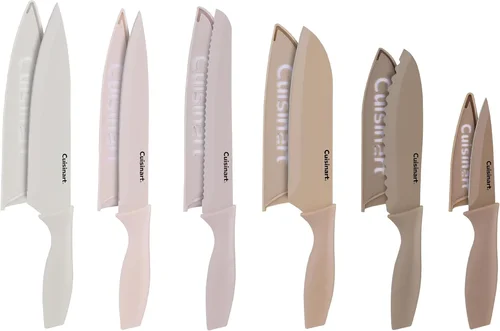
A paring knife (3–4 inches) is ideal for peeling, trimming, and detailed work. Its small size makes it easy to control, and its lightweight design reduces hand fatigue during precision tasks.
A serrated utility knife (5–6 inches) is excellent for slicing bread, tomatoes, or citrus fruits without crushing them. The serrations do the work, so less downward pressure is needed—perfect for those with weaker grips.
An offset serrated knife (also called a “sandwich knife”) has a bent handle that keeps your knuckles off the cutting board, reducing strain during repetitive slicing.
For general chopping, dicing, and mincing, a lightweight chef’s knife (6–8 inches) is the most versatile option. While traditional chef’s knives can be heavy, many modern versions are designed with thinner blades and lighter materials to reduce overall weight. A 7-inch blade often offers the best compromise between reach and manageability.
Avoid overly long blades (9+ inches), as they can be harder to control and may feel cumbersome. Similarly, avoid extremely short blades unless you only do light prep work.
5. Safety Features
Safety should never be an afterthought—especially for older adults who may have slower reflexes or reduced vision. Several design elements can significantly reduce the risk of cuts or slips.
Look for knives with finger guards or bolsters—the thickened area where the blade meets the handle. These act as a barrier between your fingers and the sharp edge, preventing accidental slips during use.
Some knives feature non-slip bases or anti-tip designs that keep the blade stable when placed on a counter. This is particularly helpful when transferring food from the cutting board to a pot or pan.
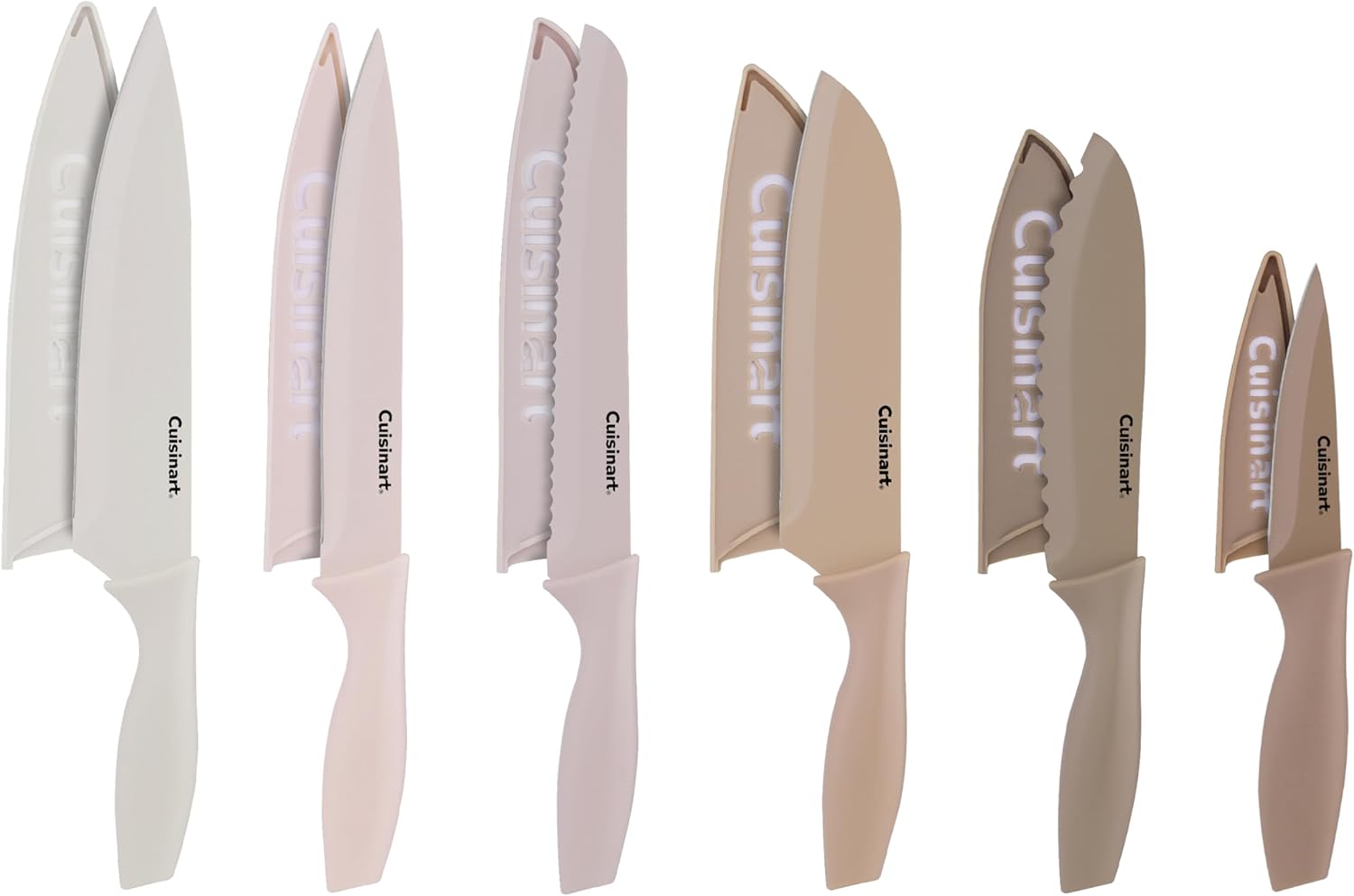
Another innovation is retractable or sheath-protected blades, though these are more common in utility knives than chef’s knives. While not essential, they add an extra layer of protection during storage.
Additionally, consider knives with brightly colored handles or contrasting accents. These make the knife easier to see against dark countertops or cutting boards, reducing the chance of misplacing it or accidentally grabbing the blade.
6. Ease of Cleaning and Maintenance
Seniors may find frequent hand-washing tiring or difficult, so choosing a knife that’s dishwasher-safe or easy to clean by hand is important. However, note that most high-quality knives—especially those with wooden or composite handles—are best washed by hand to preserve their finish and prevent warping.
Stainless steel blades are generally low-maintenance and resist staining, but they still need regular drying to prevent water spots. Avoid knives with porous handles (like untreated wood) if you plan to wash them frequently, as moisture can seep in and cause cracking or mold.
Sharpening is another consideration. While some seniors may still enjoy using a whetstone or honing rod, others prefer low-maintenance options. Look for knives that come with a honing sleeve or are compatible with electric sharpeners, which require minimal effort.
Many brands now offer self-sharpening knife blocks or magnetic strips with built-in sharpeners, which can be convenient for home use. Just ensure the sharpener is gentle enough not to degrade the blade over time.
7. Brand Reputation and Customer Support
Not all knife brands are created equal—especially when it comes to catering to older adults. Some companies specialize in ergonomic or adaptive kitchen tools, while others focus on professional-grade performance that may not suit everyday home use.
Reputable brands like Victorinox, Mercer Culinary, Kai (makers of Shun), and Dexter-Russell have long histories of producing reliable, user-friendly knives. Many offer extended warranties, responsive customer service, and detailed care instructions—valuable assets for seniors who may need guidance.
Check online reviews from other older users or caregivers. Sites like Amazon, Walmart, and specialty kitchen retailers often include detailed feedback about comfort, durability, and ease of use. Look for patterns: if multiple reviewers mention the handle slipping or the blade chipping, it’s likely a real issue.
Also consider whether the brand offers replacement parts (like handles or sheaths) or repair services. A knife that can be refurbished rather than replaced is both economical and environmentally friendly.
8. Warranty and Return Policy
A good warranty reflects a manufacturer’s confidence in their product—and gives you peace of mind. Most quality knives come with a limited lifetime warranty against defects in materials or workmanship. However, warranties rarely cover normal wear, misuse, or damage from improper care (like dropping the knife).
Before purchasing, read the fine print. Some brands require registration within 30 days of purchase to activate the warranty. Others may only cover the blade, not the handle.
Equally important is the return policy. If you’re buying online, ensure the retailer offers at least a 30-day return window with free return shipping. This allows you to test the knife at home and return it if it doesn’t feel right.
Different Types of Buying Guide

Common Buying Mistakes to Avoid
❌ Mistake: Prioritizing Price Over Comfort
Why it’s bad: Choosing the cheapest knife available often means sacrificing ergonomics, balance, and safety features. A $10 knife may seem like a bargain, but if it causes hand pain or slips during use, it’s not worth it—especially for seniors.
What to do instead: Invest in a mid-range knife ($30–$60) from a reputable brand. These typically offer the best balance of quality, comfort, and durability. Think of it as a long-term investment in your kitchen safety and independence.
❌ Mistake: Ignoring Handle Material
Why it’s bad: A slippery or poorly shaped handle increases the risk of cuts and reduces control. Wooden handles may look nice but can become slick when wet, while metal handles without texture are hard to grip securely.
What to do instead: Choose handles made from soft-grip polymers, silicone, or textured composites. Ensure the material is non-porous and easy to clean. Test the grip with wet hands if possible.
❌ Mistake: Overlooking Blade Maintenance Needs
Why it’s bad: Some knives require frequent sharpening or special care that may be difficult for seniors. Ceramic knives, for example, can’t be sharpened with standard tools and may chip if mishandled.
What to do instead: Opt for high-carbon stainless steel blades that hold an edge well and can be maintained with a simple honing rod or electric sharpener. Avoid exotic materials unless you’re prepared for the upkeep.
❌ Mistake: Buying Based Solely on Looks
Why it’s bad: Aesthetic appeal doesn’t equal functionality. Flashy designs or decorative handles may look appealing but offer poor ergonomics or durability.
What to do instead: Focus on practical features: weight, balance, grip comfort, and safety. If possible, read reviews from users with similar needs (e.g., arthritis sufferers).
❌ Mistake: Assuming All “Lightweight” Knives Are Equal
Why it’s bad: Some manufacturers label knives as “lightweight” simply because they’re thin or made of cheap materials—not because they’re well-designed for ease of use.
What to do instead: Check the actual weight in ounces or grams, read detailed reviews, and look for mentions of balance and ergonomics. Don’t rely solely on marketing terms.
❌ Mistake: Neglecting to Test Before Buying
Why it’s bad: Knives feel different in every hand. What works for one person may be uncomfortable for another—especially with age-related changes in grip strength and dexterity.
What to do instead: Visit a kitchen store to handle knives in person. If shopping online, choose retailers with generous return policies so you can test at home.
❌ Mistake: Forgetting About Storage Safety
Why it’s bad: Storing knives loosely in a drawer can dull blades and increase the risk of accidental cuts when reaching in.
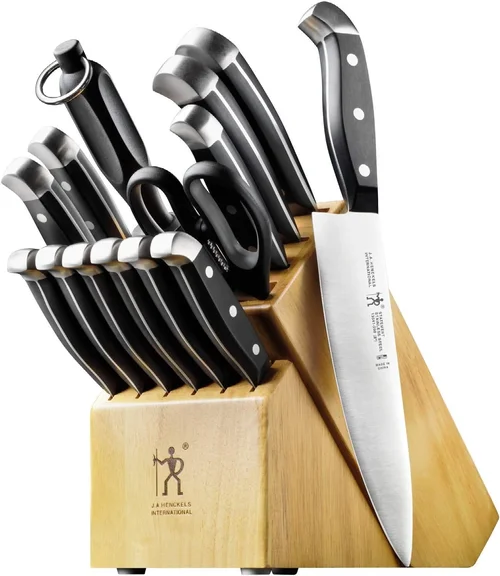
What to do instead: Use a knife block, magnetic strip, or blade guards. These protect both the knife and your hands—and many are designed with senior-friendly features like large grips or wall-mount options.
Budget Guidelines: How Much Should You Spend?
– Entry-Level ($15–$30): What to expect… At this price point, you’ll find basic stainless steel knives with simple handles. While some are surprisingly good (like the Victorinox Fibrox Pro), many lack ergonomic design or long-term durability. Best for occasional use or as a backup knife.
– Mid-Range ($30–$70): Sweet spot for most buyers… This range offers the best value, with high-carbon stainless steel blades, ergonomic handles, and solid construction. Brands like Mercer, Dexter-Russell, and部分 Victorinox models excel here. These knives are lightweight, safe, and built to last years with proper care.
– Premium ($70–$150): For enthusiasts and professionals… Here you’ll find precision-engineered knives with advanced materials, superior balance, and exceptional sharpness. Japanese brands like Tojiro and Sakai Takayuki offer lightweight options with traditional craftsmanship. Ideal if you cook frequently and want a knife that feels effortless in hand.
– Luxury ($150+): Top-tier features… These include hand-forged blades, exotic handle materials, and custom fittings. While beautiful and functional, they’re often overkill for everyday home use—and may be too delicate for seniors needing robust, low-maintenance tools.
Expert Tips for Getting the Best Deal
– Buy during seasonal sales: Look for discounts around Thanksgiving, Black Friday, or back-to-school seasons. Kitchen retailers often run promotions on knife sets during these periods.
– Shop at specialty kitchen stores: Unlike big-box retailers, stores like Williams Sonoma, Sur La Table, or local culinary shops often carry senior-friendly models and allow in-person testing.
– Check manufacturer websites directly: Some brands offer exclusive colors, bundles, or refurbished models at lower prices. They may also have senior or accessibility-focused product lines.
– Consider buying individual knives instead of sets: Pre-packaged sets often include knives you’ll never use. Buying only what you need (e.g., a chef’s knife, paring knife, and serrated knife) saves money and reduces clutter.
– Look for “open-box” or “refurbished” deals: These are typically inspected, cleaned, and repackaged by the manufacturer—often with full warranties—at 20–40% off retail.
– Read return policies carefully: Ensure you can return the knife if it doesn’t meet your needs. Some retailers charge restocking fees, so confirm this upfront.
– Ask about senior discounts: A few retailers (like AARP partners or local co-ops) offer discounts for older adults. It never hurts to ask!
– Invest in a good honing rod: Keeping your knife aligned between sharpenings extends its life and maintains performance. A $15–$25 rod is a small price for long-term savings.
Frequently Asked Questions
Q: Are lightweight knives less durable than heavier ones?
A: Not necessarily. Durability depends more on blade material and construction than weight alone. Many lightweight knives use high-quality stainless steel and full-tang designs that rival heavier counterparts in strength and longevity.
Q: Can I use a lightweight knife for heavy-duty tasks like cutting meat or bones?
A: Generally, no. Lightweight knives are designed for everyday prep work—chopping vegetables, slicing bread, or peeling fruit. For bones or frozen foods, use a dedicated cleaver or poultry shears to avoid damaging the blade.
Q: Do I need a different knife if I have arthritis?
A: Yes—ergonomic handles with soft grips, finger guards, and reduced weight can make a significant difference. Look for models specifically marketed as “arthritis-friendly” or “senior-safe.”
Q: How often should I sharpen my lightweight knife?
A: With regular use, hone the blade weekly with a rod and sharpen every 3–6 months. High-carbon stainless steel holds an edge well, so you may go longer between sharpenings.
Q: Are ceramic knives safe for seniors?
A: They’re lightweight and stay sharp, but their brittleness makes them risky if dropped. If you choose ceramic, store it carefully and avoid hard surfaces.
Q: Can I put my lightweight knife in the dishwasher?
A: Only if the manufacturer explicitly states it’s dishwasher-safe. Most recommend hand washing to preserve the handle and edge.
Q: What’s the best way to store lightweight knives?
A: Use a knife block, magnetic strip, or individual blade guards. Avoid tossing them in drawers where they can get damaged or cause injury.
Q: Do lightweight knives come with warranties?
A: Most reputable brands offer limited lifetime warranties against defects. Always register your purchase and keep the receipt.
Q: Is a 6-inch chef’s knife better than an 8-inch for seniors?
A: It depends on your hand size and task. A 6-inch blade is easier to control and lighter, while an 8-inch offers more reach. Many seniors prefer 7-inch as a happy medium.
Q: Where can I find knives designed specifically for seniors?
A: Check adaptive living stores, occupational therapy suppliers, or online retailers like Amazon (search “ergonomic kitchen knives for seniors”). Brands like Good Grips and OXO also offer accessible designs.
Our Final Recommendations
– Best for Budget-Conscious Buyers: Victorinox Fibrox Pro Chef’s Knife (7-inch) – At under $40, this knife offers exceptional value with a lightweight, ergonomic handle, high-carbon stainless steel blade, and excellent balance. Widely used in professional kitchens, it’s durable, safe, and easy to maintain.
– Best Overall Value: Mercer Culinary Genesis 8-inch Chef’s Knife – Priced around $50, this knife combines a razor-sharp German steel blade with a soft-grip, textured handle. It’s lightweight (just 5.6 oz), well-balanced, and dishwasher-safe—perfect for daily use.
– Best Premium Option: Tojiro DP Western-Style Chef’s Knife (7-inch) – A Japanese-made knife with a laminated stainless steel core, this model weighs only 4.8 oz and features a comfortable pakkawood handle. Ideal for those who want professional performance without the weight.
– Best for Beginners: OXO Good Grips Chef’s Knife (8-inch) – Designed with input from users with limited hand strength, this knife has a wide, cushioned handle and a sharp, rust-resistant blade. Affordable and intuitive, it’s great for anyone new to lightweight knives.
– Best for Advanced Users: Shun Classic Lite 7-inch Chef’s Knife – Part of Shun’s “Lite” series, this knife uses VG-MAX steel for superior sharpness and a lightweight design (5.2 oz). The D-shaped handle fits naturally in the hand, making it a favorite among experienced cooks who value precision.
Conclusion: Making the Right Choice
Choosing the right lightweight kitchen knife is about more than just cutting food—it’s about preserving your independence, reducing physical strain, and enjoying the simple pleasure of cooking safely and comfortably. As we’ve explored, the best knife for a senior isn’t necessarily the lightest or the cheapest, but the one that fits your hands, supports your needs, and feels like a trusted partner in the kitchen.
Remember to prioritize ergonomics, balance, and safety over aesthetics or brand names. Test knives when possible, read real user reviews, and don’t hesitate to invest in quality—your hands will thank you. Whether you’re preparing a quick salad or a full holiday meal, the right knife can make all the difference.
Take your time, compare your options using the guidelines in this guide, and choose a knife that empowers you to keep cooking with confidence. Your kitchen should be a place of joy, not struggle—and with the right tools, it absolutely can be.