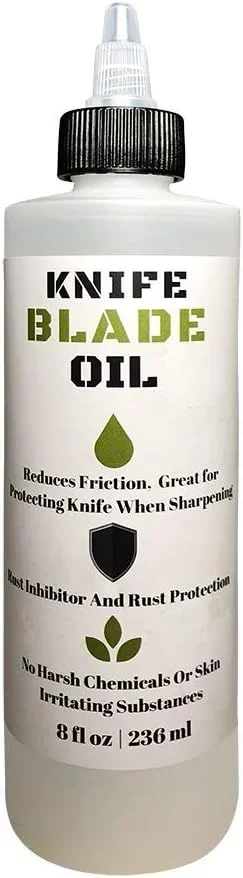
If you’re serious about maintaining sharp, high-performing cutting tools—whether it’s kitchen knives, woodworking chisels, or outdoor axes—you already know that a quality sharpening stone is only half the equation. The other half? The right lubricant oil. Too many people overlook this critical component, assuming water or any old household oil will do. But the truth is, using the wrong lubricant can clog your stone, dull your edge faster, and even damage expensive blades over time.
This guide exists because sharpening stone lubricants are not all created equal. With dozens of options on the market—from synthetic blends to natural oils, water-based solutions to petroleum derivatives—it’s easy to feel overwhelmed. Some claim to extend stone life, others promise faster sharpening, and a few even boast eco-friendly credentials. But which ones actually deliver? And more importantly, which one is right for your setup, skill level, and budget?
By the end of this comprehensive guide, you’ll understand exactly what makes a great sharpening stone lubricant, how to match it to your specific stones and tools, and how to avoid common pitfalls that waste money and compromise performance. We’ll break down the science behind lubrication, compare top product categories, highlight expert-recommended brands, and give you actionable advice to make a confident, informed purchase in 2026 and beyond.
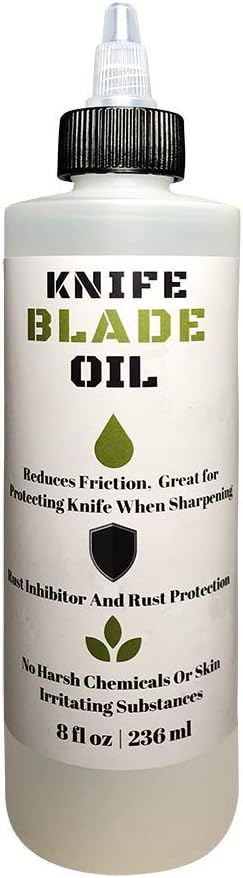
What to Look for When Buying Buying Guide
1. Compatibility with Your Sharpening Stone Type
Not all sharpening stones are the same, and neither are their ideal lubricants. Using the wrong oil can ruin your stone or reduce its effectiveness. For example, oil stones (like those made by Norton or DMT) are specifically designed to be used with petroleum-based oils such as mineral oil or honing oil. These oils prevent clogging by carrying away metal particles (swarf) and keeping the abrasive surface open. In contrast, water stones (common in Japanese sharpening systems like King or Shapton) require water as a lubricant—not oil—because oil can cause them to swell, crack, or degrade prematurely.
Diamond stones are more forgiving and can often be used with water, oil, or even dry, but using oil can help reduce friction and extend the life of both the stone and your blade. Always check your stone manufacturer’s recommendations before selecting a lubricant. Mixing oil with a water stone, for instance, is a surefire way to damage it beyond repair.
2. Viscosity and Flow Characteristics
The thickness—or viscosity—of your lubricant directly affects how well it performs during sharpening. Too thin, and it may evaporate quickly or fail to suspend metal debris, leading to clogged pores. Too thick, and it can create excessive drag, making sharpening feel sluggish and inefficient.
Ideal sharpening oils have a medium viscosity that allows them to coat the stone evenly, penetrate the abrasive surface, and carry away swarf without pooling or drying out too fast. Look for products labeled as “light machine oil” or “honing oil,” which typically fall in the ISO 10–32 range. These provide the right balance of lubricity and flow. Avoid heavy motor oils or cooking oils like olive or vegetable oil—they’re too thick, attract dust, and can go rancid over time.
3. Non-Toxicity and Safety
Since sharpening often happens in kitchens, workshops, or garages where food, tools, and people coexist, safety should be a top priority. Many traditional honing oils are petroleum-based and may contain volatile organic compounds (VOCs) or other chemicals that emit fumes or pose health risks with prolonged exposure.
Opt for food-safe, non-toxic lubricants whenever possible—especially if you’re sharpening kitchen knives. Mineral oil is a popular choice because it’s inert, odorless, and safe for incidental contact with food surfaces. Synthetic alternatives like ester-based oils are also gaining traction for their low toxicity and biodegradability. Always check the product label for certifications like NSF H1 (food-grade) or read the safety data sheet (SDS) if you’re unsure.
4. Residue and Cleanup Requirements
A good lubricant shouldn’t leave behind a sticky, gummy residue that’s hard to clean off your stone or blade. Residue buildup can clog the stone’s pores, reduce its cutting efficiency, and require frequent deep cleaning—which shortens the stone’s lifespan.
High-quality sharpening oils are formulated to evaporate cleanly or wipe off easily with a paper towel or cloth. Some premium options even include mild detergents or surfactants that help break down swarf and prevent buildup. Avoid oils that feel tacky after drying or require solvents like acetone to remove—they’re more trouble than they’re worth.
5. Longevity and Shelf Life
You don’t want to buy a bottle of lubricant only to find it’s gone rancid or separated after a few months. Shelf stability matters, especially if you sharpen infrequently. Natural oils like linseed or walnut oil may seem appealing but tend to oxidize and spoil over time, developing unpleasant odors and reduced effectiveness.
Petroleum-based mineral oils and synthetic lubricants generally have longer shelf lives—often several years—when stored in a cool, dark place with the cap tightly sealed. Look for products with antioxidants or stabilizers added to prevent degradation. If you’re buying in bulk, consider smaller bottles to ensure freshness.
6. Environmental Impact and Disposal
Eco-conscious sharpeners are increasingly concerned about the environmental footprint of their supplies. Traditional mineral oils are derived from crude oil and can be harmful if spilled or improperly disposed of. While they’re not highly toxic, they don’t biodegrade easily and can contaminate soil and water.
Biodegradable, plant-based alternatives—such as those made from canola, soybean, or synthetic esters—are becoming more widely available. These break down naturally and pose less risk to the environment. Additionally, some brands now offer recyclable packaging or refill programs to reduce plastic waste. Always dispose of used oil according to local regulations—never pour it down the drain.
7. Cost-Effectiveness and Value
Price shouldn’t be the only factor, but it’s certainly important. Sharpening oil ranges from under $5 for basic mineral oil to over $30 for premium synthetic blends. However, cheaper isn’t always better—low-quality oils may require more frequent application, leave residue, or damage your stone, ultimately costing more in the long run.
Consider cost per use rather than upfront price. A small bottle of high-performance honing oil might seem expensive, but if it lasts for hundreds of sharpening sessions and protects your $200 stone, it’s a smart investment. Look for concentrated formulas or multi-use products that offer versatility across different stone types.
8. Brand Reputation and User Reviews
With so many options on the market, trusted brands can help narrow your choices. Companies like Norton, DMT, Trend, and UltraSharp have decades of experience in the sharpening industry and stand behind their products with rigorous testing and customer support.
But don’t rely solely on brand names—read real user reviews from sharpening forums, YouTube tutorials, and retailer sites. Look for consistent feedback about performance, ease of use, and compatibility. A product with hundreds of five-star reviews from experienced woodworkers or chefs is likely worth considering. Conversely, watch out for generic “honing oil” with no listed ingredients or manufacturer info—it’s often low-quality filler.
Different Types of Buying Guide

Common Buying Mistakes to Avoid
❌ Mistake: Using Cooking Oil as Lubricant
Why it’s bad: Oils like olive, canola, or coconut oil may seem convenient, but they oxidize quickly, become sticky, and attract dust and bacteria. Over time, they can gum up your stone and create a foul-smelling residue that’s difficult to remove.
What to do instead: Stick to food-grade mineral oil or purpose-built honing oils. They’re inexpensive, stable, and won’t compromise your stone or blade.
❌ Mistake: Assuming All Stones Use the Same Lubricant
Why it’s bad: Water stones require water; oil stones need oil. Using oil on a water stone can cause it to swell, delaminate, or lose its abrasive properties permanently.
What to do instead: Always check your stone’s packaging or manufacturer guidelines. When in doubt, assume water stones = water, oil stones = oil.
❌ Mistake: Buying the Cheapest Option Without Checking Ingredients
Why it’s bad: Generic “machine oil” or unlabeled bottles may contain additives, solvents, or impurities that damage stones or emit harmful fumes.
What to do instead: Choose products with clear ingredient lists and reputable branding. Look for terms like “pure mineral oil” or “synthetic ester base.”
❌ Mistake: Over-Applying Lubricant
Why it’s bad: Too much oil can flood the stone, reducing friction needed for effective abrasion. It also leads to waste and messy cleanup.
What to do instead: Apply a few drops at a time and spread evenly with a brush or cloth. Add more only when the stone starts to look dry.
❌ Mistake: Ignoring Storage and Shelf Life
Why it’s bad: Old or improperly stored oil can degrade, separate, or develop mold—rendering it useless or even harmful.
What to do instead: Store bottles upright in a cool, dark place. Label them with purchase dates and discard any oil that smells off or looks cloudy.
❌ Mistake: Not Cleaning the Stone After Use
Why it’s bad: Leftover swarf and oil buildup clogs pores, reducing cutting efficiency and shortening stone life.
What to do instead: After sharpening, wipe the stone with a dry cloth, then rinse (if water-safe) or use a stiff brush to remove debris. Let it air dry completely before storing.
❌ Mistake: Choosing Based Solely on Price
Why it’s bad: A $3 bottle of unknown oil might save money upfront but could ruin a $100 stone or require frequent replacement.
What to do instead: Factor in long-term value—performance, compatibility, and durability matter more than initial cost.
Budget Guidelines: How Much Should You Spend?
Entry-Level ($4–$10): Perfect for casual users or beginners. At this price point, you’ll find food-grade mineral oil in small bottles—ideal for occasional kitchen knife maintenance with oil stones. While not fancy, these options get the job done safely and effectively. Just avoid ultra-cheap generics with no ingredient info.
Mid-Range ($10–$20): This is the sweet spot for most home sharpeners and hobbyists. You’ll find branded honing oils from companies like Norton or DMT, often in 4–8 oz bottles. These offer better viscosity control, longer shelf life, and cleaner performance. Many include additives that help suspend swarf and prevent clogging.
Premium ($20–$35): Reserved for serious enthusiasts, professionals, or those using high-end diamond or ceramic stones. Premium oils are typically synthetic, biodegradable, or specially formulated for extreme conditions. They may come in concentrated form, require dilution, or include cleaning agents. Expect superior lubrication, minimal residue, and eco-friendly credentials.
Luxury ($35+): These are niche products—often small-batch, artisanal, or imported oils with unique formulations (e.g., ester-based fluids with nano-additives). While they offer top-tier performance, they’re usually overkill for everyday use. Only consider if you’re sharpening expensive Japanese blades daily or working in a professional setting where precision is critical.

Expert Tips for Getting the Best Deal
– Buy during off-seasons: Sharpening supplies often go on sale in late winter or early spring, right before gardening and outdoor tool season kicks in. Check retailers like Amazon, Lee Valley, or Woodcraft in February–March for discounts.
– Bundle with stone purchases: Many manufacturers offer starter kits that include both a stone and compatible lubricant at a reduced price. These are great for beginners and ensure perfect compatibility.
– Check local hardware stores: Surprisingly, places like Ace Hardware or True Value often carry food-grade mineral oil in the canning or kitchen section—sometimes cheaper than online with no shipping fees.
– Look for concentrate formulas: Some premium oils come concentrated and require dilution with water or carrier oil. While they cost more upfront, a little goes a long way—offering better long-term value.
– Read return policies carefully: If buying online, ensure the retailer accepts returns on opened bottles. Some oils may look good on paper but perform poorly in practice.
– Join sharpening forums: Communities like Reddit’s r/sharpening or BladeForums often share coupon codes, group buys, or insider tips on where to find deals.
– Consider multi-use products: Some lubricants double as knife cleaners, rust preventatives, or even food-safe cutting board conditioners. Getting more utility from one bottle increases value.
– Don’t overlook DIY options: Food-grade mineral oil is widely available at pharmacies (look for USP-grade) and costs less than specialty honing oils. Just ensure it’s 100% pure with no additives.

Frequently Asked Questions
Q: Can I use WD-40 as a sharpening stone lubricant?
A: No—WD-40 is a water-displacing spray, not a lubricant. It contains solvents that can damage stones, leave sticky residues, and evaporate too quickly to provide consistent lubrication. Always use a dedicated honing or mineral oil.
Q: Is it okay to use water on an oil stone?
A: Generally, no. Water can cause oil stones to glaze over or lose their abrasive properties. However, some modern hybrid stones (like certain DMT models) are designed for both water and oil use—check the label first.
Q: How often should I apply lubricant during sharpening?
A: Apply a few drops at the start, then add more whenever the stone looks dry or the blade starts to drag. Avoid pooling—just enough to keep the surface moist and free of swarf.
Q: Can I sharpen without any lubricant?
A: Technically yes, especially with diamond stones, but it’s not recommended. Without lubrication, metal particles clog the stone, reducing efficiency and increasing wear on both stone and blade. Lubricant also reduces heat buildup, which can soften steel.
Q: What’s the difference between honing oil and mineral oil?
A: Honing oil is typically a refined petroleum product optimized for metalworking—it has better swarf suspension and longer cling time. Mineral oil is simpler and often food-safe, making it ideal for kitchen use. Both work well, but honing oil is preferred in professional settings.
Q: How do I clean my stone after using oil?
A: For oil stones, wipe with a dry cloth first, then use a stiff nylon brush to remove embedded particles. Avoid water unless the stone is labeled water-safe. Store in a dry place with the lubricant lightly applied to prevent rust.
Q: Are synthetic oils better than mineral oils?
A: Synthetic oils often offer superior performance—better heat resistance, cleaner burn-off, and eco-friendliness—but they cost more. For most home users, high-quality mineral oil is perfectly adequate.
Q: Can I mix different types of lubricant?
A: Never mix oil and water-based lubricants. Even mixing different oil types (e.g., mineral and synthetic) can cause separation or reduced performance. Stick to one type per stone.
Q: Does lubricant affect the sharpness of the edge?
A: Indirectly, yes. Proper lubrication ensures consistent abrasion, prevents overheating, and keeps the stone cutting efficiently—all of which contribute to a cleaner, sharper edge.
Q: Where should I store my sharpening oil?
A: Keep it in a cool, dark place away from direct sunlight and heat sources. Tighten the cap securely to prevent evaporation and contamination. Most oils last 2–5 years when stored properly.
Our Final Recommendations
Best for Budget-Conscious Buyers: Food-Grade Mineral Oil (USP Grade) – Available at most pharmacies or online for under $8, this is the ultimate no-frills solution. Safe, effective, and compatible with all oil stones. Just avoid scented or additive-filled versions.
Best Overall Value: Norton Honing Oil – A trusted name in sharpening, Norton’s formula offers excellent viscosity, clean operation, and reliable performance. Priced around $12–$15 for 8 oz, it’s a workhorse for home and workshop use.
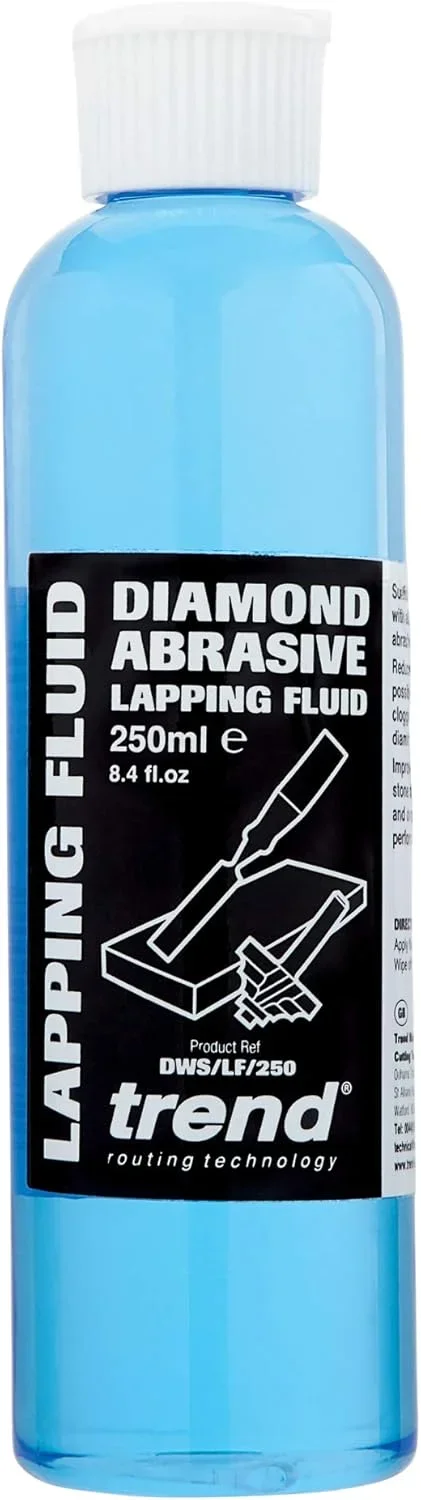
Best Premium Option: Trend Diamond Stone Fluid – This synthetic ester-based fluid works with diamond, oil, and even some water stones. It’s biodegradable, low-odor, and leaves minimal residue. Ideal for professionals or eco-aware sharpeners ($25–$30).
Best for Beginners: DMT Honing Oil – Comes in a convenient 4 oz bottle with a precision tip for controlled application. Designed specifically for DMT stones but works well with most oil-based systems. Affordable and beginner-friendly ($10–$12).
Best for Advanced Users: UltraSharp Synthetic Ester Blend – Engineered for high-precision sharpening, this oil resists thermal breakdown and maintains consistent viscosity under heavy use. Perfect for Japanese water stone enthusiasts who want peak performance ($30–$35).
Conclusion: Making the Right Choice
Choosing the right lubricant for your sharpening stone isn’t just about convenience—it’s about protecting your investment, ensuring consistent results, and extending the life of both your stones and blades. From compatibility and viscosity to safety and environmental impact, every factor we’ve covered plays a role in your sharpening success.
Remember: the best lubricant is the one that matches your stone type, fits your budget, and aligns with your values—whether that’s food safety, sustainability, or professional-grade performance. Don’t let this small bottle be an afterthought. Treat it with the same care you give your knives, chisels, or axes.
Now that you’re armed with expert knowledge, take a moment to assess your current setup. What kind of stones do you use? How often do you sharpen? What matters most to you—cost, convenience, or conservation? Answer these questions honestly, and you’ll find the perfect lubricant without guesswork.
Your tools deserve the best. Give them the care they need, and they’ll serve you sharply for years to come.