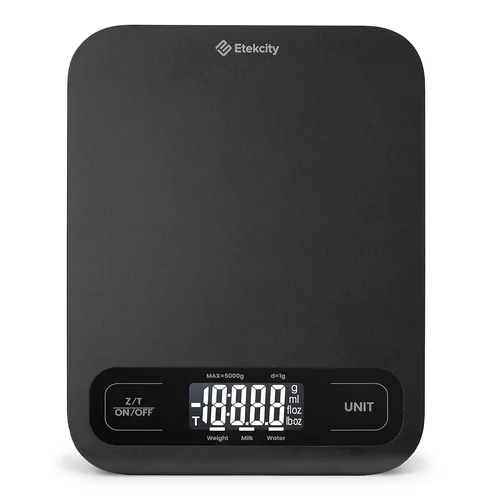
Kitchen scales have evolved from simple countertop tools into essential precision instruments for modern cooks, bakers, and health-conscious individuals. Whether you’re measuring flour for a delicate soufflé, portioning protein for meal prep, or tracking ingredients for a low-carb diet, the right scale can make the difference between success and frustration in the kitchen. With so many options on the market—ranging from basic mechanical dials to high-tech digital models with Bluetooth connectivity—choosing the best kitchen scale has become more complex than ever. This comprehensive guide is designed to cut through the noise and help you make an informed decision based on your specific needs, budget, and cooking style.
In this detailed buying guide, you’ll learn everything you need to know about mechanical versus digital kitchen scales, including how they work, their pros and cons, and which type suits different culinary applications. We’ll walk you through key factors like accuracy, capacity, build quality, ease of use, and long-term reliability. You’ll also discover common pitfalls to avoid, expert tips for getting the best value, and real-world recommendations across various price points. Whether you’re a home cook, a professional baker, or someone managing dietary restrictions, this guide will equip you with the knowledge to choose a scale that enhances—not hinders—your kitchen experience. The kitchen scale market today offers incredible variety, but not all scales are created equal. By the end of this article, you’ll be able to confidently select the best option for your lifestyle.

What to Look for When Buying a Kitchen Scale
1. Accuracy and Precision
Accuracy is the single most important factor when choosing a kitchen scale. Even small measurement errors can ruin recipes, especially in baking where ratios matter. A high-quality scale should deliver consistent readings within 0.1 to 1 gram, depending on the model and capacity. Digital scales typically offer superior precision due to their electronic sensors, often measuring down to 0.1 grams, which is ideal for small quantities like yeast, spices, or coffee. Mechanical scales, while generally reliable, may drift over time due to spring wear and are usually limited to 1-gram increments.
When evaluating accuracy, look for scales that have been calibrated at the factory and offer tare functionality—the ability to reset the weight to zero after placing a container on the platform. This allows you to measure only the ingredient, not the bowl or cup. Some premium digital models even include auto-calibration features or allow manual recalibration using calibration weights. For serious bakers or those following strict nutritional plans, investing in a scale with high precision is non-negotiable.
2. Capacity and Weight Range
The capacity of a kitchen scale refers to the maximum weight it can measure, typically ranging from 2 kg (4.4 lbs) to 10 kg (22 lbs). Most home cooks will find a 5 kg (11 lb) scale sufficient for everyday tasks like weighing flour, meat, or produce. However, if you frequently cook large batches, bake bread, or prepare family meals, a higher-capacity model may be necessary.
It’s also important to consider the minimum weight the scale can detect. Some digital scales struggle with very light items under 2 grams, which can be problematic when measuring baking powder or espresso grounds. Look for models with a low minimum threshold and high resolution—ideally 0.1g increments—for maximum versatility. Mechanical scales often have a lower effective resolution, making them less suitable for precision tasks.
3. Build Quality and Durability
A kitchen scale is an investment, and its build quality directly impacts longevity. Digital scales often feature stainless steel platforms, which are easy to clean, resistant to corrosion, and less likely to harbor bacteria. Mechanical scales may use plastic or enamel-coated metal, which can chip or degrade over time. Check the materials used in both the platform and the housing—avoid flimsy plastics or thin metal that may bend under heavy loads.
Durability also depends on internal components. Digital scales rely on load cells and circuitry, which can be sensitive to moisture, heat, or drops. Mechanical scales use springs and levers, which are generally more robust but can wear out with heavy use. Look for models with reinforced bases, non-slip feet, and protective coatings. If you plan to use your scale near water or in a humid environment, consider water-resistant models with IP ratings (e.g., IPX4 for splash resistance).
4. Features and Functionality
Modern kitchen scales come with a range of features that enhance usability. The most essential is the tare function, which lets you subtract the weight of containers. Most digital scales include this, but some mechanical models do not. Other useful features include:
– Unit conversion: Ability to switch between grams, ounces, pounds, kilograms, and milliliters (for liquids).
– Backlit display: Essential for reading measurements in low-light kitchens.
– Auto-off: Saves battery life by turning off after inactivity.
– Counting function: Useful for portioning nuts, pills, or small items.
– Bluetooth or app connectivity: Syncs with nutrition apps like MyFitnessPal for tracking calories and macros.
While these features add convenience, they also increase cost and complexity. Beginners may not need app integration, but fitness enthusiasts or macro-trackers will appreciate the added functionality. Mechanical scales are typically more basic, offering only weight measurement without digital enhancements.
5. Ease of Use and Readability
A scale should be intuitive and easy to operate, even for first-time users. Digital scales usually have simple button interfaces, while mechanical models rely on dials that may require more effort to read accurately. The display size and clarity matter—look for large, high-contrast digits that are visible from a distance. Backlit screens are especially helpful in dimly lit kitchens.
Consider the platform size and shape. A wide, flat surface accommodates larger bowls and containers, while a compact design saves counter space. Some scales have removable platforms for easy cleaning, which is a major plus. Mechanical scales often have fixed dials that can be hard to read at awkward angles, whereas digital models typically offer better visibility.
6. Power Source and Battery Life
Digital scales require power, usually from AAA or coin-cell batteries. Check how long the batteries last—some models can run for months with regular use, while others drain quickly. Rechargeable scales with USB charging are becoming more common and offer convenience, though they may be more expensive. Mechanical scales don’t need batteries, making them ideal for off-grid use or long-term reliability.
If you choose a digital model, consider the availability and cost of replacement batteries. Some scales include low-battery indicators, which prevent inaccurate readings. Avoid models that shut off abruptly without warning, as this can interrupt your cooking process.
7. Brand Reputation and Customer Support
Not all kitchen scale brands are equal. Established names like OXO, Escali, MyWeigh, and Tanita have built reputations for quality, accuracy, and customer service. Research brands with positive reviews, transparent warranties, and responsive support teams. Avoid unknown brands with vague product descriptions or no contact information.
Check if the brand offers calibration services, replacement parts, or repair options. Some companies provide free recalibration kits or extended warranties for registered products. A reputable brand may cost more upfront but can save money and frustration in the long run.
8. Warranty and Return Policy
A solid warranty reflects the manufacturer’s confidence in their product. Most quality scales come with a 1- to 3-year warranty covering defects in materials and workmanship. Some premium brands offer lifetime warranties or free replacements for malfunctioning units. Always read the fine print—warranties often exclude damage from misuse, water exposure, or battery issues.
Return policies are equally important. Look for retailers or brands that offer at least a 30-day return window, especially if you’re buying online. This gives you time to test the scale’s accuracy, usability, and build quality. Some companies even provide trial periods or satisfaction guarantees.
Different Types of Kitchen Scales

Common Buying Mistakes to Avoid
❌ Mistake: Choosing Based on Price Alone
Why it’s bad: The cheapest scale may save you $10 upfront but could cost you in accuracy, durability, and frustration. Low-cost models often use inferior sensors, flimsy materials, and lack essential features like tare or unit conversion.
What to do instead: Set a realistic budget based on your needs. A $30–$50 digital scale from a reputable brand often offers the best balance of quality and affordability. Invest in reliability—your recipes depend on it.
❌ Mistake: Ignoring the Tare Function
Why it’s bad: Without tare, you’re forced to manually calculate container weight, increasing the risk of errors. This is especially problematic when using multiple bowls or measuring small amounts.
What to do instead: Always choose a scale with a dedicated tare button. This simple feature saves time, reduces mess, and improves accuracy—especially in baking.
❌ Mistake: Overlooking Platform Size and Material
Why it’s bad: A small or poorly designed platform can make it difficult to place bowls, leading to spills or inaccurate readings. Plastic platforms may scratch or absorb odors.
What to do instead: Opt for a scale with a wide, flat stainless steel platform (at least 6–7 inches in diameter). This accommodates most mixing bowls and is easy to wipe clean.
❌ Mistake: Buying a Scale with Poor Readability
Why it’s bad: If you can’t read the display easily, you’re more likely to make mistakes. Small fonts, dim screens, or awkward viewing angles can ruin your cooking experience.
What to do instead: Test the display in person if possible. Look for large, high-contrast digits and a backlit screen. Digital scales with angled displays are easier to read from above.
❌ Mistake: Assuming All Digital Scales Are Accurate
Why it’s bad: Some budget digital scales use low-quality load cells that drift over time or give inconsistent readings. This can lead to failed recipes or inaccurate nutrition tracking.
What to do instead: Read reviews from verified buyers and look for models with calibration options. Brands like Escali and OXO are known for consistent performance.
❌ Mistake: Not Considering Long-Term Use
Why it’s bad: A scale that works well today may fail in a year due to poor build quality or lack of support. Mechanical scales may lose calibration; digital ones may stop working after a drop.
What to do instead: Choose a model with a solid warranty and good customer support. Consider how often you’ll use it and whether it can grow with your cooking needs.
❌ Mistake: Forgetting About Cleaning and Maintenance
Why it’s bad: Kitchen scales get dirty. Food particles, grease, and moisture can damage electronics or affect mechanical parts if not cleaned properly.
What to do instead: Select a scale with a removable or wipeable platform. Avoid submerging digital models in water. Clean regularly with a damp cloth and mild detergent.
Budget Guidelines: How Much Should You Spend?
– Entry-Level ($15 – $30): Ideal for occasional use or basic cooking. Expect limited capacity (2–3 kg), plastic construction, and minimal features. Mechanical scales dominate this range, but some basic digital models exist. Accuracy may vary, and tare functionality is not guaranteed. Best for students, small kitchens, or those on a tight budget.
– Mid-Range ($30 – $70): The sweet spot for most home cooks. These scales offer 5 kg capacity, 0.1g precision, stainless steel platforms, and full feature sets including tare, unit conversion, and auto-off. Brands like OXO and Escali excel here. You’ll get reliable performance, good build quality, and a 1–2 year warranty. Perfect for baking, meal prep, and everyday use.
– Premium ($70 – $150): Designed for serious bakers, fitness enthusiasts, and tech lovers. These models include advanced features like Bluetooth connectivity, app integration, rechargeable batteries, and high-resolution displays. Some offer dual sensors for even greater accuracy. Ideal for macro tracking, sourdough baking, or professional home kitchens.
– Luxury ($150+): Top-tier scales with commercial-grade components, ultra-high precision (0.01g), and industrial durability. Often used in bakeries, labs, or by competitive bakers. Features may include waterproof ratings, calibration weights, and multi-platform support. Only necessary for extreme precision or heavy daily use.
Expert Tips for Getting the Best Deal
– Buy during seasonal sales: Look for discounts during Black Friday, Amazon Prime Day, or post-holiday clearance events. Kitchen scales often see 20–40% off during these periods.
– Check multiple retailers: Compare prices on Amazon, Walmart, Target, and specialty kitchen stores. Some retailers offer price matching or exclusive bundles.
– Read verified reviews: Focus on reviews from buyers who’ve used the scale for months, not just unboxings. Look for comments on accuracy, durability, and customer service.
– Test before you commit: If buying in-store, ask to see a demo model. Check the display, button feel, and platform stability. For online purchases, choose retailers with easy returns.
– Register your product: Many brands offer extended warranties or free calibration kits when you register your scale online. This adds long-term value.
– Consider refurbished models: Certified refurbished scales from reputable sellers often come with warranties and cost 30–50% less than new ones.
– Avoid “too good to be true” deals: Extremely cheap scales from unknown brands on auction sites are often counterfeit or poorly made. Stick to trusted retailers.
– Check return policies: Ensure you can return the scale if it doesn’t meet expectations. Some companies offer 60- or 90-day trial periods.

Frequently Asked Questions
Q: Are digital scales more accurate than mechanical ones?
A: Generally, yes. Digital scales use electronic load cells that provide consistent, high-precision readings down to 0.1 grams. Mechanical scales rely on springs, which can wear out or lose calibration over time, leading to drift. For baking or precise measurements, digital is the better choice.
Q: Can I use a kitchen scale for weighing food for dieting?
A: Absolutely. Many people use kitchen scales to track portion sizes and calorie intake. Smart scales with app integration can sync with nutrition apps like MyFitnessPal, making it easier to log meals and monitor macros.
Q: How do I clean my kitchen scale?
A: For digital scales, wipe the platform with a damp cloth and mild soap. Never submerge in water. For mechanical models, clean the dial and platform carefully to avoid damaging internal components. Remove food particles regularly to prevent buildup.
Q: Do I need a scale with app connectivity?
A: Only if you’re serious about tracking nutrition or enjoy tech integration. For most home cooks, a standard digital scale with tare and unit conversion is sufficient. App features add cost and complexity without always adding value.
Q: How often should I calibrate my scale?
A: Most digital scales don’t require frequent calibration, but it’s wise to check accuracy every few months using known weights. Some models allow manual calibration; others may need professional servicing. Mechanical scales may need adjustment if readings drift.
Q: Can I weigh liquids on a kitchen scale?
A: Yes, but only if the scale has a milliliter (mL) setting. Since 1 mL of water weighs 1 gram at room temperature, you can measure liquids by weight for greater accuracy than using cups.
Q: What’s the difference between a kitchen scale and a postal scale?
A: Postal scales are designed for shipping and typically have lower precision (1–5 grams) and smaller platforms. Kitchen scales offer higher accuracy, larger capacities, and features like tare and unit conversion, making them better for cooking.
Q: Are mechanical scales reliable long-term?
A: They can be, if well-made and properly maintained. However, springs and levers may wear out after years of heavy use. Digital scales may fail due to battery or circuit issues, but many offer better consistency over time.
Q: Can I use a kitchen scale for weighing coffee?
A: Yes, and it’s recommended. Precision coffee brewing (like pour-over or espresso) benefits greatly from weighing beans and water. Look for a scale with 0.1g precision and a fast response time.
Q: What should I do if my scale gives inconsistent readings?
A: First, ensure it’s on a flat, stable surface. Check for low batteries or debris under the platform. If the issue persists, try recalibrating (if supported) or contact the manufacturer. Inconsistent readings often indicate a failing sensor or worn mechanism.
Our Final Recommendations
– Best for Budget-Conscious Buyers: OXO Good Grips Stainless Steel Food Scale ($35–$45) – Offers 5 kg capacity, 0.1g precision, tare function, and a large stainless steel platform. Reliable, easy to clean, and backed by OXO’s excellent customer service.
– Best Overall Value: Escali Primo Digital Scale ($40–$50) – Combines accuracy, durability, and simplicity. Features a 1g increment (sufficient for most tasks), tare, and unit conversion. Ideal for everyday cooking and baking.
– Best Premium Option: MyWeigh iBalance 7500 ($120–$150) – High-precision digital scale with 7.5 kg capacity, 0.1g resolution, and rechargeable battery. Includes Bluetooth for app syncing and is perfect for serious bakers and fitness users.
– Best for Beginners: Greater Goods Digital Food Scale ($25–$35) – Affordable, user-friendly, and packed with features including tare, backlit display, and multiple units. Great for first-time buyers.
– Best for Advanced Users: Tanita KD-160 ($180–$220) – Professional-grade scale with 0.1g precision, 5 kg capacity, and industrial build quality. Used by chefs and labs for its unmatched accuracy and durability.
Conclusion: Making the Right Choice
Choosing the best kitchen scale isn’t just about picking the most expensive or feature-rich model—it’s about finding the right tool for your cooking habits, budget, and goals. Whether you opt for the simplicity of a mechanical scale or the precision of a digital one, the key is to prioritize accuracy, ease of use, and long-term reliability. Consider how often you’ll use it, what you’ll be measuring, and which features truly matter to you.
Remember, a great kitchen scale doesn’t just measure ingredients—it empowers you to cook with confidence, bake with consistency, and eat with intention. By avoiding common pitfalls, understanding your needs, and investing in quality, you’ll set yourself up for culinary success for years to come. So take the time to research, compare, and choose wisely. Your future meals—and your taste buds—will thank you.