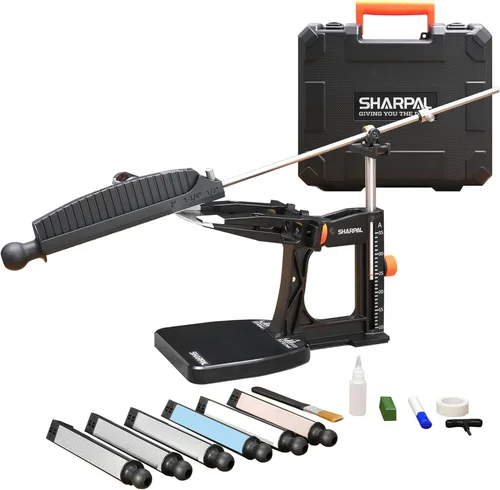
When it comes to maintaining sharp, reliable cutting tools—whether you’re a professional chef, a woodworking enthusiast, or an outdoor adventurer—nothing beats a premium sharpening system. A dull blade isn’t just frustrating; it’s dangerous. It increases the risk of slips, requires more force to cut, and can damage your tools over time. That’s why investing in a high-quality sharpening system is one of the smartest decisions you can make for your craft, kitchen, or workshop. But with so many options on the market, how do you know which system is truly worth your money?
This guide is designed to help you navigate the world of premium sharpening systems priced over $100. We’ll break down what makes these systems stand out from budget alternatives, explore the key features to look for, compare different types of systems, and highlight common pitfalls to avoid. Whether you’re sharpening kitchen knives, woodworking chisels, or outdoor tools, this comprehensive resource will equip you with the knowledge to make a confident, informed decision. By the end, you’ll understand not just what to buy, but why it matters—and how to get the most value from your investment.
The market for sharpening systems has evolved significantly in recent years. While basic whetstones and pull-through sharpeners still dominate the lower price ranges, premium systems now offer precision engineering, repeatable results, and professional-grade performance. Brands like Work Sharp, Lansky, Tormek, and KME have raised the bar with systems that combine durability, versatility, and ease of use. These aren’t just sharpeners—they’re long-term tools that can extend the life of your blades and elevate your cutting performance. In this guide, we’ll focus exclusively on systems that cost $100 and up, where you’ll find the best build quality, advanced features, and lasting value. Whether you’re upgrading from a basic setup or starting fresh, this is your roadmap to choosing the right premium sharpening system for your needs.

What to Look for When Buying Buying Guide
1. Precision and Angle Control
One of the most critical factors in any sharpening system is its ability to maintain consistent, accurate angles. The angle at which you sharpen a blade directly affects its performance, durability, and edge retention. Premium systems excel in this area by offering adjustable angle guides, calibrated clamps, or built-in angle indicators that allow you to set and maintain precise bevel angles—typically between 15° and 25° per side, depending on the tool.
Look for systems that offer micro-adjustments (often in 1° increments) and secure locking mechanisms to prevent slippage during sharpening. For example, guided systems like the Lansky Deluxe or the Work Sharp Guided Field Sharpening System use rigid rods and clamps to hold the blade at a fixed angle, ensuring uniformity across the entire edge. Water-cooled systems like the Tormek T-8 take this a step further by combining angle precision with controlled abrasion, resulting in razor-sharp edges with minimal burr formation.
2. Sharpening Medium and Grit Range
The type of abrasive material and the range of grits available determine how effectively a system can reshape, refine, and polish an edge. Premium systems typically include multiple stages of sharpening—coarse for reshaping damaged edges, medium for refining, and fine for polishing and honing.
Common sharpening mediums include:
– Water Stones: Offer fast cutting and excellent feedback. Systems like the Tormek use rotating water-cooled stones that prevent overheating and glazing.
– Diamond Plates: Extremely durable and long-lasting. KME and DMT systems use diamond-coated surfaces that maintain their flatness over time.
– Abrasive Belts: Found in systems like the Work Sharp Ken Onion Edition, these allow for rapid material removal and smooth finishes.
– Ceramic Rods: Often used for honing and touch-ups, but some premium systems integrate them into full sharpening workflows.
A good premium system should include at least three grit levels (e.g., 220, 600, 1000+) or offer compatible accessories to expand your range. The ability to progress from repair to polish ensures you can handle everything from a chipped chef’s knife to a delicate paring knife with the same system.
3. Build Quality and Durability
At the $100+ price point, you should expect robust construction that stands up to regular use. Look for systems made from high-grade materials such as aircraft-grade aluminum, stainless steel, or reinforced polymers. Components should feel solid, with minimal flex or play, especially in clamps, guides, and adjustment knobs.
For example, the Tormek T-8 features a cast zinc frame with stainless steel components, ensuring stability and corrosion resistance. Similarly, the KME Sharpening System uses precision-machined aluminum and hardened steel guides that maintain alignment over thousands of sharpening cycles. These systems are built to last decades, not just years.
4. Ease of Use and Setup Time
Even the most advanced sharpening system is useless if it’s too complicated to use. Premium systems should strike a balance between precision and user-friendliness. Look for intuitive designs that minimize setup time and reduce the learning curve.
Features that enhance usability include:
– Quick-release clamps for fast blade changes
– Pre-set angle guides or digital angle readouts
– Clear instructions and alignment tools
– Minimal disassembly between grits
For instance, the Work Sharp Guided Field Sharpening System allows you to switch between sharpening stages in under a minute, making it ideal for field use or busy kitchens. Meanwhile, the Lansky Turn Box offers a compact, flip-open design that’s perfect for quick touch-ups.
5. Versatility and Tool Compatibility
A premium sharpening system should be able to handle a wide range of blades—not just kitchen knives. Consider whether the system can accommodate:
– Chef’s knives, paring knives, and serrated edges
– Pocket knives and tactical blades
– Woodworking chisels and plane irons
– Scissors and pruning shears
– Axes and hatchets
Systems like the Work Sharp Ken Onion Edition and the Tormek T-8 excel in versatility, offering specialized jigs and accessories for different tools. This makes them ideal for multi-tool users who want one system to rule them all.
6. Maintenance and Longevity
How much upkeep does the system require? Water-cooled systems like Tormek need regular stone dressing and water changes, while diamond plates may require occasional flattening. Belt-driven systems need belt replacements, and guided systems may need occasional cleaning of rods and clamps.
Look for systems with accessible maintenance routines and readily available replacement parts. Brands that offer long-term support—such as Tormek’s global service network or Work Sharp’s extensive accessory line—are worth prioritizing.
7. Brand Reputation and Customer Support
Not all premium brands are created equal. Research the manufacturer’s history, customer reviews, and warranty policies. Established brands like Tormek (Sweden), Lansky (USA), and KME (USA) have decades of experience and strong reputations for quality and reliability.
Check for:
– Comprehensive warranties (ideally 2+ years)
– Responsive customer service
– Availability of spare parts and accessories
– Active user communities and tutorials
A brand that stands behind its product with strong support adds significant long-term value.
8. Portability and Storage
While many premium systems are designed for stationary use, some users need portability—especially outdoorsmen, campers, or mobile professionals. Consider the size, weight, and whether the system can be easily stored or transported.
For example, the Work Sharp Guided Field Sharpening System is compact and lightweight, making it ideal for field use. In contrast, the Tormek T-8 is a bench-mounted unit best suited for a workshop. Choose based on your usage environment.
Different Types of Buying Guide

Common Buying Mistakes to Avoid
❌ Mistake: Choosing Based on Price Alone
Why it’s bad: While budget is important, the cheapest premium system isn’t always the best value. Some lower-priced systems cut corners on materials or lack essential features like angle control, leading to inconsistent results and frustration.
What to do instead: Focus on value, not just cost. Look for systems that offer the best combination of features, durability, and support within your budget. A $150 system that lasts 10 years is better than a $120 system that fails in two.
❌ Mistake: Ignoring Angle Precision
Why it’s bad: Sharpening at the wrong angle can ruin a blade’s performance. Too steep, and the edge dulls quickly; too shallow, and it chips easily. Systems without reliable angle guides make it hard to achieve consistency.
What to do instead: Prioritize systems with adjustable, lockable angle guides. Even if you’re a beginner, precise angles are achievable with the right tools.
❌ Mistake: Overlooking Maintenance Needs
Why it’s bad: Some systems require frequent upkeep—like flattening stones or replacing belts. If you’re not prepared for this, performance will degrade over time.
What to do instead: Research maintenance requirements before buying. Choose systems with easy-to-replace parts and clear maintenance instructions.
❌ Mistake: Buying for One Tool Only
Why it’s bad: If you only sharpen kitchen knives now, you might later want to sharpen chisels, axes, or scissors. A system limited to one type of blade becomes obsolete.
What to do instead: Invest in a versatile system with compatible jigs and accessories. Modular systems like Tormek or Work Sharp offer expansion kits for future needs.
❌ Mistake: Skipping User Reviews
Why it’s bad: Marketing materials highlight strengths but often omit flaws. Real user feedback reveals issues like poor clamping, noisy motors, or difficult assembly.
What to do instead: Read reviews from multiple sources—Amazon, forums, YouTube. Look for patterns in complaints or praise.
❌ Mistake: Assuming All “Premium” Systems Are Equal
Why it’s bad: Just because a system costs over $100 doesn’t mean it’s high-quality. Some brands inflate prices without delivering proportional value.
What to do instead: Compare specs, materials, and features side by side. Use this guide’s criteria to evaluate each option objectively.
❌ Mistake: Neglecting Warranty and Support
Why it’s bad: If a component fails, you don’t want to be stuck with a useless system. Poor customer service can turn a great product into a headache.
What to do instead: Choose brands with strong warranties (2+ years) and responsive support. Check if spare parts are readily available.
Budget Guidelines: How Much Should You Spend?
Entry-Level ($100–$150): At this tier, you’ll find solid guided systems like the Lansky Standard or the Work Sharp Guided Field Sharpening System. These offer reliable angle control and decent build quality, ideal for home cooks and occasional users. Expect basic accessories and limited expandability.
Mid-Range ($150–$300): This is the sweet spot for most buyers. Systems like the KME Sharpening System or the Work Sharp Ken Onion Edition offer enhanced durability, better abrasives, and more versatility. You’ll get faster sharpening, smoother finishes, and often compatibility with additional jigs.
Premium ($300–$500): Here, you enter professional territory. The Tormek T-4 or the Work Sharp Ken Onion Pro provide water-cooled grinding, motorized belts, and precision engineering. These are built for daily use in kitchens, workshops, or outdoor settings.
Luxury ($500+): Top-tier systems like the Tormek T-8 or custom KME setups offer the ultimate in performance, durability, and customization. These are for serious enthusiasts, professionals, or collectors who demand the best and plan to use the system for decades.
Expert Tips for Getting the Best Deal
– Buy During Sales Events: Look for discounts during Black Friday, Prime Day, or brand-specific promotions. Tormek and Work Sharp often run seasonal sales.
– Check Manufacturer Websites: Sometimes, buying direct includes exclusive bundles or extended warranties not available elsewhere.
– Consider Refurbished Units: Brands like Tormek offer certified refurbished systems at 20–30% off, with full warranties.
– Bundle Accessories: Some retailers offer kits with extra stones, belts, or jigs at a discount. Compare total value, not just the base price.
– Read Return Policies: Ensure you can return or exchange the system if it doesn’t meet your needs. Some retailers offer 30–60 day trials.
– Watch for Free Shipping: Heavy systems like the Tormek can incur high shipping fees. Look for free shipping offers to save money.
– Join User Forums: Communities like Reddit’s r/knives or BladeForums often share deals, reviews, and troubleshooting tips.
– Test Before Committing: If possible, try a friend’s system or attend a demo event. Hands-on experience is invaluable.

Frequently Asked Questions
Q: Can I sharpen serrated knives with a premium system?
A: Yes, but only if the system includes a specialized jig or ceramic rod. Systems like the Work Sharp Ken Onion Edition and Tormek offer serrated knife attachments that allow you to sharpen each scallop individually.
Q: How often should I sharpen my knives?
A: It depends on usage. Home cooks may sharpen every 3–6 months, while professionals may do it weekly. Use a honing rod between sharpenings to maintain the edge.
Q: Are water-cooled systems worth the extra cost?
A: If you sharpen frequently or work with high-end steel, yes. Water cooling prevents overheating, which can damage the blade’s temper. It also produces a cleaner edge with less burr.
Q: Can I use a belt sharpener on kitchen knives?
A: Absolutely. Belt systems like the Work Sharp Ken Onion are excellent for kitchen knives, offering fast material removal and a polished finish. Just use lighter pressure to avoid overheating.
Q: Do I need to flatten my sharpening stones?
A: Yes, if you’re using water stones or diamond plates. Flatness ensures even contact and consistent sharpening. Use a flattening stone or lapping plate regularly.
Q: How long does it take to sharpen a knife with a premium system?
A: With practice, most systems can sharpen a knife in 5–10 minutes. Belt systems are fastest, while water-cooled grinders may take longer but offer superior edge quality.
Q: Can I sharpen scissors with these systems?
A: Yes, many premium systems include scissor jigs. The Tormek and Work Sharp both offer attachments that allow you to sharpen household and fabric scissors effectively.
Q: What’s the difference between honing and sharpening?
A: Honing realigns the edge without removing material (using a steel rod). Sharpening removes metal to create a new edge. Both are important for maintaining performance.
Q: Are electric sharpeners better than manual ones?
A: Electric systems are faster and easier for beginners, but manual systems offer more control and precision. Choose based on your skill level and preference.
Q: How do I know if my blade is properly sharpened?
A: A properly sharpened blade should cut paper cleanly, slice tomatoes without crushing, and feel smooth along the edge (no nicks or burrs). Use a magnifying glass to inspect the edge if needed.
Our Final Recommendations
Best for Budget-Conscious Buyers: Lansky Deluxe 5-Stone System ($120)
Offers excellent angle control, five grits, and durable construction. Ideal for home users who want precision without breaking the bank.
Best Overall Value: Work Sharp Guided Field Sharpening System ($130)
Compact, versatile, and easy to use. Perfect for outdoor enthusiasts and kitchen users alike. Includes multiple abrasives and a leather strop.
Best Premium Option: Tormek T-8 ($550)
The gold standard for water-cooled sharpening. Unmatched precision, durability, and expandability. Best for professionals and serious hobbyists.
Best for Beginners: Work Sharp Ken Onion Edition ($200)
Motorized belt system with intuitive controls. Great for learning proper technique while achieving professional results quickly.
Best for Advanced Users: KME Sharpening System ($250+)
Highly customizable with precision-machined components. Lets advanced users fine-tune every aspect of the sharpening process.
Conclusion: Making the Right Choice
Choosing the right premium sharpening system is about more than just sharpening knives—it’s about investing in a tool that enhances your craft, saves you time, and protects your blades. As we’ve explored, the best systems offer precision, durability, versatility, and ease of use, all backed by strong brand support and thoughtful design.
Remember, the “best” system is the one that fits your specific needs. Are you a home cook who sharpens a few knives monthly? A woodworker who needs to maintain chisels and plane irons? Or a professional who demands flawless edges daily? Your answer will guide your choice.
Don’t rush the decision. Use this guide to compare options, read reviews, and consider long-term value. And once you’ve made your purchase, take the time to learn the system—practice on old blades, watch tutorials, and experiment with angles. The more you use it, the better your results will be.
A sharp blade is a safe blade, a efficient blade, and a joy to use. With the right premium sharpening system, you’ll keep your tools in peak condition for years to come. So go ahead—make the investment. Your knives (and your fingers) will thank you.