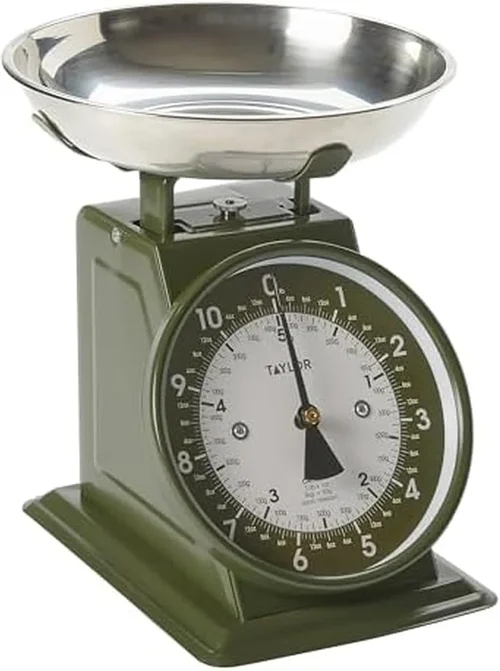
Retro style digital kitchen scales are more than just functional tools—they’re design statements. In a world where sleek, minimalist appliances dominate modern kitchens, retro scales bring warmth, personality, and a touch of nostalgia to your countertop. Whether you’re a passionate home baker, a coffee enthusiast measuring precise grounds, or simply someone who appreciates vintage-inspired aesthetics, choosing the right retro digital scale can elevate both your cooking experience and kitchen décor.
This comprehensive buying guide is designed to help you navigate the growing market of retro-style digital kitchen scales with confidence. We’ll walk you through everything you need to know—from understanding key performance specs and build quality to avoiding common purchasing pitfalls and identifying the best value for your budget. By the end of this article, you’ll have a clear roadmap to select a scale that not only looks great but also delivers accurate, reliable performance day after day.
The retro kitchen scale market has evolved significantly in recent years. Once limited to a handful of niche brands, today’s options span a wide range of styles, from mid-century modern and 1950s diner vibes to Scandinavian-inspired pastel designs. With advancements in sensor technology, battery life, and user interface, these scales now combine vintage charm with modern precision. Whether you’re shopping online or browsing in-store, this guide will equip you with expert knowledge to make an informed decision that aligns with your culinary needs and aesthetic preferences.

What to Look for When Buying Buying Guide
1. Accuracy and Precision
When it comes to kitchen scales, accuracy isn’t just a nice-to-have—it’s essential. Even small measurement errors can throw off a recipe, especially in baking where ratios matter. A high-quality retro digital scale should deliver consistent, precise readings down to at least 1 gram, with some models offering 0.1-gram increments for ultra-fine measurements like espresso or spice blends.
Look for scales with high-resolution load cells—the internal sensors responsible for measuring weight. Reputable brands often specify their accuracy range (e.g., ±1g or ±0.5g), which gives you a clear idea of how reliable the scale is. For example, if you’re weighing 50 grams of flour, a scale with ±1g accuracy could read anywhere from 49 to 51 grams. While this may seem minor, it can affect delicate recipes like macarons or soufflés.
Also consider whether the scale offers tare functionality, which allows you to zero out the weight of a container. This is crucial when measuring ingredients directly into a bowl or mixing cup. Without tare, you’d have to manually subtract the container’s weight, increasing the risk of error.
2. Capacity and Weight Range
The capacity of a kitchen scale refers to the maximum weight it can measure. Most retro digital scales fall between 2kg (about 4.4 lbs) and 5kg (11 lbs), which is sufficient for the majority of home cooking and baking tasks. However, your ideal capacity depends on how you plan to use the scale.
If you frequently bake large batches of bread, roast whole chickens, or prepare meal prep portions, a higher capacity (5kg or more) is advisable. On the other hand, if you primarily use the scale for small tasks like measuring coffee, spices, or cocktail ingredients, a 2–3kg model may be more than enough.
Pay attention not just to the upper limit but also to the minimum readable weight. Some scales struggle to register weights below 2–5 grams, which can be problematic for precision tasks. For instance, if you’re measuring 2 grams of yeast or 1 gram of salt, you’ll want a scale that can reliably detect such small amounts.
3. Build Quality and Durability
Retro style doesn’t mean compromising on durability. In fact, the best retro digital scales are built to last, combining sturdy materials with thoughtful design. Look for scales with a solid base—typically made of stainless steel, reinforced plastic, or aluminum—that won’t wobble or tip over during use.
The weighing platform should be easy to clean and resistant to scratches, stains, and corrosion. Stainless steel platforms are ideal because they’re non-porous, durable, and compatible with food-safe cleaning products. Avoid models with flimsy plastic platforms that can crack or warp over time.
Consider the overall construction: Are the buttons tactile and responsive? Is the display protected by a scratch-resistant cover? Does the scale feel stable when you press the tare button or place items on it? These details may seem minor, but they significantly impact long-term usability.
Also, examine the finish. Retro scales often feature enamel coatings, powder finishes, or matte textures that mimic vintage appliances. While these add visual appeal, ensure they’re applied evenly and won’t chip or fade with regular use. Some brands offer color-matched accessories like silicone mats or matching timers, which can enhance both functionality and aesthetic cohesion.
4. Display and User Interface
A clear, easy-to-read display is essential, especially when you’re measuring ingredients in a busy kitchen. Most retro digital scales use LCD screens, but quality varies widely. Look for displays with high contrast, large digits, and backlighting for visibility in low-light conditions.
The interface should be intuitive. Ideally, the scale has dedicated buttons for power, tare, and unit conversion (grams, ounces, pounds, kilograms, etc.). Some models include a “hold” function that freezes the reading even after removing the item—useful for measuring liquids or ingredients that shift during pouring.
Avoid scales with overly complex menus or tiny buttons that are hard to press with flour-dusted fingers. Simplicity is key, especially in a retro design where form often follows function. A well-designed interface balances vintage charm with modern usability.
5. Power Source and Battery Life
Most retro digital kitchen scales are battery-powered, typically using AAA or AA batteries. Some higher-end models offer rechargeable lithium-ion batteries via USB-C, which is more eco-friendly and convenient in the long run.
Battery life varies significantly. Basic models may last 6–12 months with regular use, while energy-efficient scales with auto-off features can stretch to 2+ years. Look for scales that automatically power down after 1–3 minutes of inactivity—this not only saves battery but also extends the life of the internal components.
Avoid scales that require frequent battery changes or lack a low-battery indicator. There’s nothing worse than starting a recipe only to find your scale has died mid-measurement.
If you prefer rechargeable options, check charging time and whether the scale can be used while plugged in. Some models support pass-through power, allowing you to weigh ingredients even when the battery is low.
6. Design and Aesthetic Appeal
This is where retro scales truly shine. Unlike generic black or white digital scales, retro models come in a variety of colors, finishes, and styles that can complement your kitchen décor. Popular retro aesthetics include:
– 1950s Diner Style: Bold colors like cherry red, mint green, or butter yellow with chrome accents and rounded edges.
– Mid-Century Modern: Clean lines, walnut or bamboo finishes, and muted tones like sage, cream, or navy.
– Scandinavian Retro: Soft pastels, minimalist design, and matte finishes.
– Vintage Industrial: Matte black or brushed steel with exposed screws and utilitarian charm.
When evaluating design, consider how the scale will look on your countertop. Will it clash with your cabinets or appliances? Does it match your existing kitchen theme? Some brands offer interchangeable faceplates or limited-edition colorways, allowing for customization.
Also, think about footprint. Retro scales often have a larger base than standard models to accommodate their stylish design. Ensure you have enough counter space, especially if you plan to leave it out permanently.
7. Unit Conversion and Measurement Options
Flexibility in measurement units is a must for any serious cook or baker. The best retro digital scales support multiple units, including:
– Grams (g)
– Ounces (oz)
– Pounds and ounces (lb:oz)
– Kilograms (kg)
– Milliliters (ml) for liquids
– Fluid ounces (fl oz)
This is particularly important if you follow international recipes or use cookbooks from different countries. For example, a French pastry recipe might list ingredients in grams, while an American cookbook uses cups and ounces. A scale that converts between units eliminates guesswork and reduces the need for conversion charts.
Some advanced models even include a “baker’s percentage” mode, which displays ingredient weights as a percentage of the total flour weight—ideal for sourdough bakers and bread enthusiasts.
8. Brand Reputation and Customer Support
Not all retro kitchen scales are created equal. While many brands offer stylish designs, only a few prioritize both form and function. Research the manufacturer’s reputation by reading customer reviews, checking third-party ratings, and looking for certifications like CE, FCC, or RoHS compliance.
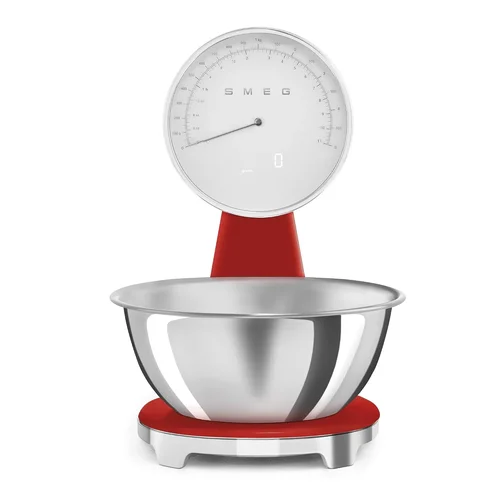
Established brands like Salter, OXO, KitchenAid, and Smeg have long histories of producing reliable kitchen tools. Smeg, in particular, is known for its iconic retro appliances, including scales that blend Italian design with German engineering.
Customer support matters too. If your scale malfunctions or you have questions about calibration, you’ll want a brand that offers responsive service. Look for companies with clear warranty policies, accessible customer service channels (phone, email, live chat), and readily available replacement parts.
Avoid unknown brands with no online presence or poor reviews. While they may offer attractive designs at low prices, they often cut corners on quality and support.
Different Types of Buying Guide

Common Buying Mistakes to Avoid
❌ Mistake: Prioritizing Style Over Function
Why it’s bad: It’s easy to fall in love with a scale’s retro look and overlook its performance. A beautiful scale that’s inaccurate or flimsy will frustrate you in the long run, no matter how good it looks on your countertop.
What to do instead: Always check specs like accuracy, capacity, and build quality before making a purchase. Read reviews from real users to see how the scale performs in daily use. A great retro scale should be both stylish and reliable.
❌ Mistake: Ignoring Unit Conversion Options
Why it’s bad: If your scale only measures in grams or ounces, you may struggle with recipes that use different units. This forces you to manually convert measurements, increasing the risk of error.
What to do instead: Choose a scale that supports multiple units, including grams, ounces, pounds, and milliliters. This flexibility makes it easier to follow any recipe, regardless of its origin.
❌ Mistake: Overlooking Tare Functionality
Why it’s bad: Without tare, you can’t zero out the weight of bowls or containers. This means you’ll have to calculate net weights manually, which is time-consuming and error-prone.
What to do instead: Ensure the scale has a responsive tare button. Test it by placing a bowl on the scale, pressing tare, and adding ingredients—the display should show only the weight of the contents.
❌ Mistake: Buying Based on Price Alone
Why it’s bad: The cheapest retro scale may save you money upfront but could lack durability, accuracy, or essential features. Conversely, the most expensive model may include unnecessary extras.
What to do instead: Set a budget range and compare models within that tier. Look for the best value—scales that offer a balance of quality, features, and design at a fair price.
❌ Mistake: Not Checking Return Policies
Why it’s bad: If the scale arrives damaged or doesn’t meet your expectations, you’ll want the option to return or exchange it. Some retailers have strict return windows or restocking fees.
What to do instead: Before buying, review the seller’s return policy. Look for at least a 30-day return window and free return shipping. This gives you time to test the scale thoroughly.
❌ Mistake: Assuming All Retro Scales Are Equal
Why it’s bad: “Retro” is a broad term. Some scales mimic vintage designs but use modern materials, while others are faithful reproductions. Quality varies widely between brands.
What to do instead: Research specific models and read detailed reviews. Look for consistency in customer feedback regarding accuracy, build quality, and longevity.
❌ Mistake: Neglecting Maintenance and Calibration
Why it’s bad: Over time, scales can lose accuracy due to wear, temperature changes, or improper storage. Without regular calibration, your measurements may drift.
What to do instead: Learn how to calibrate your scale using known weights. Store it in a dry, stable environment, and avoid placing it near heat sources or in direct sunlight.
Budget Guidelines: How Much Should You Spend?
– Entry-Level ($25–$50): These scales offer basic functionality with retro-inspired designs. Expect plastic construction, limited capacity (2–3kg), and standard accuracy (±1–2g). Ideal for occasional use, small kitchens, or as a gift. Brands like Ozeri and Etekcity offer decent options in this range, though build quality may vary.
– Mid-Range ($50–$100): This is the sweet spot for most buyers. Scales in this tier typically feature stainless steel platforms, better sensors, and improved durability. You’ll find models from Salter, OXO, and Zwilling with accurate readings (±0.5–1g), multiple units, and reliable tare functions. These scales balance style, performance, and value.
– Premium ($100–$200): For enthusiasts and design lovers, premium retro scales offer top-tier materials, superior accuracy (±0.1–0.5g), and elegant finishes. Smeg, KitchenAid, and Alessi produce models with enamel coatings, rechargeable batteries, and app connectivity. These scales are built to last and often double as statement pieces.
– Luxury ($200+): At this level, you’re paying for craftsmanship, brand prestige, and exclusive design. Limited-edition collaborations, hand-finished details, and smart features like Bluetooth syncing are common. These scales are ideal for serious cooks, collectors, or as high-end gifts.
Expert Tips for Getting the Best Deal
– Shop During Seasonal Sales: Look for discounts during Black Friday, Cyber Monday, Amazon Prime Day, and post-holiday sales. Many retailers offer 20–30% off kitchen appliances during these periods.
– Compare Prices Across Retailers: Check major online stores like Amazon, Williams Sonoma, Crate & Barrel, and specialty kitchen shops. Use price-tracking tools like Honey or CamelCamelCamel to monitor price drops.
– Read Verified Purchase Reviews: Focus on reviews from customers who have actually bought and used the product. Look for patterns in feedback—consistent praise or complaints about accuracy, battery life, or build quality.
– Check for Bundles or Promotions: Some brands offer free shipping, extended warranties, or bundled accessories (like silicone mats or recipe books) with purchase.
– Consider Refurbished or Open-Box Models: Certified refurbished scales from reputable sellers often come with warranties and can save you 20–40% off retail price.
– Test in Person When Possible: Visit kitchenware stores to see the scale’s size, weight, and interface firsthand. This helps you avoid surprises about build quality or usability.
– Verify Warranty Coverage: A good warranty (1–2 years) indicates the manufacturer’s confidence in their product. Register your scale online to activate coverage.
– Use Cashback and Rewards Programs: Sign up for cashback sites like Rakuten or use credit card rewards to earn money back on your purchase.

Frequently Asked Questions
Q: Are retro digital kitchen scales as accurate as modern ones?
A: Yes, many retro-style digital scales are just as accurate as their modern counterparts. The key is to choose a model with high-quality sensors and good user reviews. Brands like Salter and Smeg use the same precision technology in their retro designs as in their contemporary models.
Q: Can I leave my retro scale on the countertop permanently?
A: Absolutely. Most retro scales are designed to be display pieces as much as functional tools. Just ensure it’s placed on a stable, dry surface away from direct heat or moisture. Some models even include non-slip feet for added stability.
Q: Do retro scales require special cleaning?
A: Not necessarily. Most have wipe-clean surfaces, especially stainless steel platforms. Avoid submerging the scale in water. Use a damp cloth with mild soap, then dry thoroughly. For enamel finishes, avoid abrasive cleaners that could scratch the surface.
Q: How often should I calibrate my scale?
A: It’s a good idea to calibrate your scale every 3–6 months, or if you notice inconsistent readings. Use known weights (like coins or calibration weights) to verify accuracy. Refer to the user manual for specific calibration instructions.
Q: Can I use a retro scale for weighing coffee?
A: Yes, many retro scales are excellent for coffee brewing, especially those with 0.1g precision and fast response times. Look for models with a “hold” function to freeze the reading while pouring.
Q: Are there retro scales with rechargeable batteries?
A: Yes, several premium models now offer USB-C rechargeable batteries. Smeg and some OXO models include this feature, reducing waste and the need for frequent battery replacements.
Q: Do retro scales come with warranties?
A: Most reputable brands offer 1–2 year warranties covering defects in materials and workmanship. Always register your product and keep the receipt.
Q: Can I use a retro scale for liquids?
A: Yes, as long as the scale has a liquid volume mode. It converts weight to milliliters based on density. For best results, use it for water-based liquids and double-check conversions for oils or syrups.
Q: Are retro scales suitable for baking?
A: Definitely. In fact, many bakers prefer digital scales for their precision. Retro models with tare, multiple units, and high accuracy are ideal for measuring flour, sugar, and other ingredients by weight.
Q: Where can I buy authentic retro kitchen scales?
A: You can find them at specialty kitchen stores, department stores (like Target or Kohl’s), online retailers (Amazon, Wayfair, Williams Sonoma), and directly from brand websites. Always verify seller authenticity to avoid counterfeit products.
Our Final Recommendations
– Best for Budget-Conscious Buyers: Salter Retro Digital Scale – Offers excellent accuracy (±1g), stainless steel platform, and classic 1950s design for under $50. A reliable choice for everyday use.
– Best Overall Value: OXO Good Grips Retro Scale – Combines OXO’s renowned ergonomics with a stylish retro look. Features 5kg capacity, 0.1g precision, and a large, backlit display. Priced around $80.
– Best Premium Option: Smeg Digital Kitchen Scale – Iconic Italian design, enamel finish, rechargeable battery, and ±0.1g accuracy. A statement piece for design lovers, priced around $150.
– Best for Beginners: KitchenAid Retro Scale – Simple interface, durable build, and trusted brand reputation. Great for those new to digital scales, with a price point of $60–$80.
– Best for Advanced Users: Acaia Lunar Smart Scale – While not strictly retro, its minimalist design appeals to modern vintage lovers. Bluetooth-enabled, app-connected, and built for precision coffee brewing. Ideal for tech-savvy bakers and baristas.
Conclusion: Making the Right Choice
Choosing the best retro style digital kitchen scale is about more than just picking a pretty appliance—it’s about finding a tool that enhances your cooking experience, fits your kitchen aesthetic, and delivers consistent performance. By focusing on accuracy, build quality, essential features, and your personal budget, you can find a scale that’s both functional and beautiful.
Remember to prioritize your specific needs. Are you a weekend baker who values precision? A design enthusiast who wants a conversation piece? Or a minimalist looking for a compact, reliable tool? Your answer will guide your decision.
Take your time, read reviews, compare models, and don’t be swayed by style alone. The right retro scale will not only measure your ingredients accurately but also bring joy to your kitchen every day it’s used. Whether you’re whipping up a batch of cookies or brewing the perfect cup of coffee, your scale should be a trusted partner in the process.
Now that you’re equipped with expert knowledge, it’s time to make your choice. Happy weighing—and happy cooking!