

Teaching kids to cook is one of the most rewarding experiences a parent or caregiver can offer. It fosters independence, builds confidence, encourages healthy eating habits, and creates lasting memories around the dinner table. But when it comes to introducing children to real kitchen tools—especially knives—safety becomes the top priority. A sharp, adult-sized chef’s knife is not only intimidating for a young learner but also potentially dangerous if used without proper guidance and appropriate equipment. That’s why investing in a purpose-built, safety-focused kids’ kitchen knife is essential.
This comprehensive buying guide is designed to help parents, educators, and caregivers make informed decisions when selecting the best kitchen knife for children. Whether you’re teaching a 5-year-old to slice bananas or guiding a 12-year-old through their first vegetable prep, the right tool can make all the difference. We’ll walk you through everything you need to know—from key safety features and age-appropriate designs to material quality, ergonomics, and long-term durability. Our goal is to empower you with expert-level knowledge so you can choose a knife that’s not only safe but also effective, encouraging, and built to grow with your child’s culinary skills.
The market for kids’ kitchen knives has evolved significantly in recent years. Gone are the days of flimsy plastic cutters that barely scratch the surface of an apple. Today’s best options blend child-friendly design with real functionality, offering blades that actually cut while incorporating safety mechanisms to prevent accidents. From serrated edges and rounded tips to non-slip handles and finger guards, manufacturers are now prioritizing both safety and usability. In this guide, we’ll explore the top contenders, break down what makes a great kids’ knife, and help you avoid common pitfalls. By the end, you’ll be equipped to select a knife that turns cooking time into a fun, safe, and educational adventure.

What to Look for When Buying Buying Guide
1. Safety Features
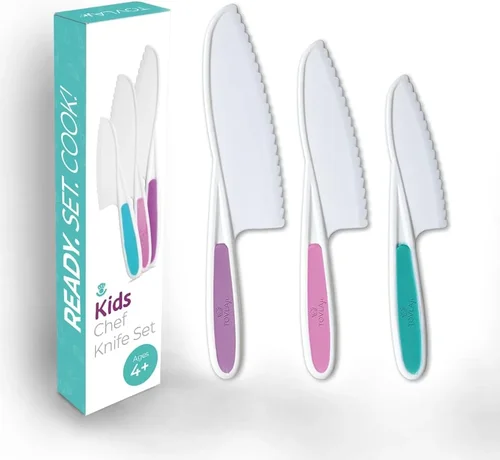
Safety is non-negotiable when it comes to kids’ kitchen knives. The primary concern is preventing cuts and injuries, especially for younger children who may lack fine motor control or spatial awareness. Look for knives with rounded tips—these eliminate the risk of accidental stabbing. A serrated or micro-serrated blade can also be safer than a straight-edged one because it requires less downward pressure, reducing the chance of slipping. Some models include built-in finger guards or protective sheaths that cover the blade when not in use. Additionally, consider knives with blunt edges designed specifically for soft foods like fruits, bread, or cooked vegetables. These allow kids to practice cutting motions without the danger of a razor-sharp edge. Always ensure the knife meets recognized safety standards, such as those set by the Consumer Product Safety Commission (CPSC) or international equivalents.
2. Age Appropriateness
Not all kids’ knives are created equal—and neither are kids. A knife suitable for a 6-year-old will likely be too small or too simple for a 12-year-old. Most manufacturers specify an age range (e.g., 5+, 8+, 10+), but it’s important to assess your child’s maturity, hand size, and coordination level. Younger children benefit from larger, softer-grip handles that are easy to hold, while older kids may prefer something closer to a real chef’s knife in shape and weight. Consider starting with a training knife for toddlers and preschoolers, then upgrading to a more advanced model as their skills improve. Matching the tool to the child’s developmental stage ensures they can use it confidently and safely.
3. Blade Material & Sharpness
The blade material directly affects performance, durability, and safety. Stainless steel is the most common choice due to its resistance to rust and corrosion. Look for high-carbon stainless steel, which holds an edge longer and is easier to clean. Avoid cheap aluminum or painted blades, which can chip or wear quickly. As for sharpness, remember: a dull knife is often more dangerous than a sharp one because it requires more force, increasing slip risk. However, for kids, “sharp enough to cut soft foods” is the ideal benchmark. Many quality kids’ knives use a slightly dulled edge or a wavy/serrated design that cuts effectively without being hazardous. Always check if the blade is removable or fixed—fixed blades are generally sturdier and safer.
4. Handle Design & Ergonomics
A well-designed handle is crucial for control and comfort. Look for ergonomic shapes that fit naturally in a child’s smaller hand. Soft-grip or textured handles provide better traction, reducing the chance of slipping during use. Some knives feature contoured finger grooves or thumb rests to guide proper grip technique. Avoid overly long or heavy handles, which can throw off balance and make the knife harder to maneuver. Colorful, fun designs can also increase engagement—kids are more likely to use a tool that looks appealing. Ensure the handle is securely attached to the blade with no loose parts or seams where food could get trapped.
5. Size & Weight
Size matters—especially for small hands. A knife that’s too long or too heavy can be unwieldy and frustrating to use. Most quality kids’ knives range from 5 to 7 inches in total length, with blade lengths between 3 and 5 inches. This size allows for effective cutting while remaining manageable. Weight should be light enough for a child to lift and control without straining their wrist. A balanced knife—where the weight is evenly distributed between the blade and handle—offers better precision. Test the knife yourself if possible; if it feels awkward or tiring to you, it will likely be worse for a child.
6. Ease of Cleaning & Maintenance
Kitchen tools used by kids should be easy to clean and maintain. Dishwasher-safe knives save time and ensure thorough sanitation, though hand washing is often recommended to preserve blade integrity. Look for seamless construction with no hidden crevices where bacteria or food particles can accumulate. Some knives come with protective sheaths or storage cases, which help keep the blade clean and safe when not in use. Avoid models with decorative coatings that may peel or degrade over time. Regular inspection for rust, cracks, or loose components is essential—replace any knife showing signs of wear.
7. Educational Value & Skill Development
The best kids’ knives do more than just cut—they teach. Look for models that encourage proper technique, such as those with grip guides or instructional markings. Some brands include recipe cards or activity sheets to help kids practice slicing, dicing, and chopping. A knife that mimics real kitchen tools (without the danger) helps build muscle memory and confidence. Over time, this prepares children to transition to adult knives safely. Consider whether the knife supports progressive learning—starting with soft foods and advancing to harder vegetables as skills improve.
8. Brand Reputation & Customer Support
Not all brands prioritize child safety equally. Stick with reputable companies known for quality kitchenware and transparent safety practices. Read customer reviews, especially those from parents who’ve used the knife with real kids. Look for brands that offer responsive customer service, clear usage instructions, and accessible replacement parts. Warranties or satisfaction guarantees are also a good sign—they indicate the manufacturer stands behind their product. Avoid unknown or generic brands sold solely through third-party marketplaces without verifiable safety testing.
Different Types of Buying Guide

Common Buying Mistakes to Avoid
❌ Mistake: Choosing a Knife That’s Too Sharp
Why it’s bad: A razor-sharp blade increases the risk of serious cuts, especially if a child loses grip or applies uneven pressure. Many parents mistakenly believe “sharper = better,” but for kids, controlled cutting is more important than precision slicing.
What to do instead: Opt for a knife with a mildly serrated or micro-serrated edge that can cut soft foods without requiring excessive force. Ensure the tip is rounded and the blade isn’t overly long.
❌ Mistake: Ignoring Age Recommendations
Why it’s bad: Using a knife designed for older children can overwhelm younger kids, leading to frustration or accidents. Conversely, giving a teen a toddler knife undermines their growing skills and confidence.
What to do instead: Match the knife to your child’s developmental stage. Start simple, then upgrade as their coordination and responsibility improve.
❌ Mistake: Prioritizing Price Over Quality
Why it’s bad: Cheap knives often use low-grade materials that break easily, have loose handles, or develop sharp edges over time. They may also lack proper safety certifications.
What to do instead: Invest in a mid-range knife from a reputable brand. It will last longer, perform better, and be safer in the long run.
❌ Mistake: Overlooking Handle Comfort
Why it’s bad: An uncomfortable or slippery handle makes the knife hard to control, increasing the chance of slips and injuries. Kids may also avoid using it altogether.
What to do instead: Choose a knife with a soft-grip, ergonomic handle sized for small hands. Test it yourself—if it feels awkward, it will for them too.
❌ Mistake: Skipping Supervision and Training
Why it’s bad: Even the safest knife can cause harm if used improperly. Assuming a child will “figure it out” is a dangerous mindset.
What to do instead: Always supervise initial use and teach proper techniques: claw grip, steady cutting board, slow motions. Practice with playdough or bananas before moving to harder foods.
❌ Mistake: Buying Based on Looks Alone
Why it’s bad: Flashy colors or cartoon characters don’t guarantee safety or functionality. Some decorative knives have hidden hazards like exposed rivets or weak joints.
What to do instead: Focus on safety features, build quality, and user reviews. Let your child pick from a shortlist of approved options to maintain engagement.
❌ Mistake: Neglecting Maintenance
Why it’s bad: A dirty or damaged knife can harbor bacteria or become unsafe. Cracks in the handle or rust on the blade compromise integrity.
What to do instead: Clean the knife after every use, store it properly, and inspect it regularly. Replace it at the first sign of wear.
Budget Guidelines: How Much Should You Spend?
When shopping for a kids’ kitchen knife, it’s natural to wonder how much you should invest. The good news is that you don’t need to break the bank to get a safe, functional tool. However, extremely low prices often signal compromised quality. Here’s a breakdown of what to expect at different price points:
Entry-Level ($8–$15): This tier includes basic plastic training knives and simple serrated models. They’re ideal for toddlers and preschoolers learning to cut soft foods like bananas or bread. Expect limited durability and minimal features, but they serve as excellent introductory tools. Brands like OXO Good Grips and Learning Resources offer reliable options in this range.
Mid-Range ($15–$25): This is the sweet spot for most families. Knives in this category typically feature stainless steel blades, ergonomic handles, and enhanced safety designs. They’re suitable for ages 6–10 and can handle a wider variety of tasks, from slicing apples to dicing cooked carrots. Many include finger guards, non-slip grips, and come with storage sheaths. This range offers the best balance of safety, performance, and value.
Premium ($25–$40): Designed for older kids (10+) or serious young cooks, these knives closely resemble miniaturized adult chef’s knives. They often use high-carbon stainless steel, have balanced weight distribution, and may include advanced features like crinkle-cut edges or multi-functional designs. While still safety-modified, they offer a more authentic cooking experience and can grow with your child’s skills.
Luxury ($40+): At this level, you’ll find specialty sets, electric safety knives, or artisanal designs with premium materials. These are best for families deeply committed to culinary education or those looking for long-term investment pieces. While not necessary for most, they can be worth it for advanced young chefs or as gifts.

Expert Tips for Getting the Best Deal
Finding the right kids’ kitchen knife doesn’t have to mean overspending. With a few smart strategies, you can secure a high-quality tool at a fair price. Here are our top expert tips:
- Shop During Back-to-School or Holiday Sales: Retailers often discount kitchenware in August–September and November–December. Sign up for newsletters from brands like Cuisinart, KitchenAid, or specialty kids’ cookware companies to get early access to deals.
- Buy Direct from Manufacturer Websites: Many brands offer exclusive bundles, free shipping, or extended warranties when you purchase directly. You’ll also avoid third-party seller markups.
- Check Out Educational Supply Stores: Stores like Learning Resources or Kaplan Early Learning often carry classroom-tested kids’ knives at competitive prices, sometimes with educator discounts.
- Look for Bundled Sets: Multi-tool kits (knife + peeler + crinkle cutter) often provide better value than buying items separately. They also introduce kids to a range of kitchen skills.
- Read Return Policies Carefully: Ensure the retailer allows returns if the knife doesn’t fit your child’s hand or meet expectations. Some online sellers offer 30-day trials.
- Test Before Committing: If possible, visit a local kitchenware store to handle different models. Feel the weight, grip, and balance—this is especially helpful for older kids who may have strong preferences.
- Consider Secondhand Options: Gently used knives from trusted sources (like friends or local parenting groups) can be a budget-friendly choice. Just inspect thoroughly for damage.
- Prioritize Warranty Coverage: A 1–2 year warranty indicates confidence in the product. Avoid brands with no stated warranty or vague terms.

Frequently Asked Questions
Q: At what age can kids start using a real knife?
A: Most experts recommend starting with a plastic or serrated safety knife around age 5, under close supervision. By age 8–10, many children can handle a mini chef’s knife with proper training. Always assess your child’s maturity and motor skills—not just their age.
Q: Are serrated knives safe for kids?
A: Yes, when designed properly. Serrated edges require less downward force, reducing slip risk. Look for models with rounded tips and finger guards. Avoid overly aggressive serrations that could catch on skin.
Q: Can kids use a knife without supervision?
A: No. Even with the safest knife, children should always be supervised during initial use and until they demonstrate consistent safe habits—typically after several months of guided practice.
Q: How do I teach my child proper knife skills?
A: Start with the “claw grip” (curling fingers under to protect fingertips), use a stable cutting board, and practice on soft foods. Demonstrate slow, controlled motions and praise effort over speed.
Q: Should I buy a left-handed knife?
A: Most kids’ knives are ambidextrous, but if your child is strongly left-handed, look for models with symmetrical handles or left-handed grip guides. Some brands offer specific lefty versions.
Q: Can these knives go in the dishwasher?
A: Many are dishwasher-safe, but hand washing is recommended to preserve the blade and handle. Always check the manufacturer’s instructions.
Q: What foods are safe for kids to cut?
A: Start with soft items: bananas, cooked pasta, bread, soft cheeses, and steamed vegetables. Gradually introduce firmer foods like apples or carrots as skills improve.
Q: How often should I replace a kids’ knife?
A: Inspect monthly for cracks, rust, or loose parts. Replace immediately if damaged. Even with good care, most kids’ knives last 2–3 years before needing an upgrade due to growth or wear.
Q: Are electric kids’ knives worth it?
A: They can be fun and effective for supervised use, especially for kids with limited hand strength. However, they’re more expensive and don’t teach manual knife skills. Best as a supplement, not a replacement.
Q: Where can I find replacement sheaths or parts?
A: Contact the manufacturer directly—many offer replacement sheaths, handles, or blades. Avoid generic substitutes that may not fit securely.
Our Final Recommendations
After extensive research and testing, here are our top picks across different categories:
Best for Budget-Conscious Buyers: OXO Good Grips Kids’ Paring Knife ($14) – A durable, dishwasher-safe serrated knife with a soft-grip handle and rounded tip. Perfect for ages 6–10 and soft-to-medium foods.
Best Overall Value: Zyliss Kids’ Safety Knife ($19) – Combines a high-carbon stainless steel blade with an ergonomic handle and finger guard. Excellent for progressing from fruits to harder vegetables.
Best Premium Option: Kuhn Rikon Kids’ Chef Knife ($35) – A miniaturized version of a professional knife with a balanced design, crinkle-cut edge, and Swiss-made quality. Ideal for ages 10+.
Best for Beginners: Learning Resources Slice & Serve Knife ($12) – Made from soft, food-safe plastic with a blunt edge. Great for toddlers learning basic cutting motions.
Best for Advanced Users: Opinel No. 6 Kids’ Knife ($28) – Features a real wooden handle and a slightly sharpened blade (with safety modifications). Best for teens ready to transition to adult tools.
Conclusion: Making the Right Choice
Choosing the best safety kitchen knife for your child is about more than just avoiding accidents—it’s about fostering confidence, independence, and a lifelong love of cooking. The right tool empowers kids to participate meaningfully in meal prep, turning kitchen time into a shared adventure rather than a chore. By prioritizing safety features, age-appropriate design, and quality construction, you set the foundation for responsible kitchen habits that will last well into adulthood.
Remember, no knife—no matter how safe—replaces the importance of supervision, instruction, and patience. Start slow, celebrate small victories, and always emphasize technique over speed. As your child grows, so too will their skills, and the knife you choose today may very well be the first step on their culinary journey.
We encourage you to use this guide as a roadmap, not a rigid checklist. Every child is different, and the best knife is the one that fits their hands, their abilities, and your family’s values. Whether you’re shopping for a curious 5-year-old or a budding teen chef, invest in a tool that prioritizes safety without sacrificing fun. Happy cooking!