[FEATURED_IMAGE_PLACEOLDER]
Choosing the right scale for both weighing packages and food might seem like a simple task—after all, a scale is just a scale, right? Wrong. In reality, finding a reliable 2-in-1 scale that performs accurately across two very different use cases—shipping logistics and kitchen precision—is a nuanced challenge. Whether you’re a small business owner shipping handmade goods, a meal prep enthusiast tracking macros, or a home cook who values consistency, the right scale can make or break your workflow. A poorly calibrated device can lead to overpaid postage, inconsistent recipes, or even spoiled ingredients. That’s why this guide exists: to cut through the noise, clarify your options, and help you invest in a tool that truly delivers dual-purpose excellence.
In this comprehensive buying guide, you’ll learn exactly what to look for when selecting a 2-in-1 scale that excels at both package and food weighing. We’ll break down the key performance metrics, compare different types of scales, highlight common pitfalls, and offer expert-backed recommendations tailored to your budget and lifestyle. From understanding readability and capacity to evaluating build quality and smart features, we’ll cover every angle so you can make a confident, informed decision. The market is flooded with options—some sleek and feature-rich, others rugged and industrial—but not all are created equal. By the end of this article, you’ll know how to identify the best balance of accuracy, durability, and versatility for your specific needs.

What to Look for When Buying a 2-in-1 Scale
1. Accuracy and Readability
Accuracy is the cornerstone of any good scale, especially when it serves dual purposes. For food weighing, even a 0.1-gram deviation can throw off a delicate recipe or nutritional calculation. For packages, inaccuracies can mean underestimating weight (leading to rejected shipments) or overpaying for postage. Look for scales with a readability of at least 0.1 grams for food use and 1–5 grams for package weighing. High-end models often feature internal calibration systems or external calibration weights to maintain precision over time. Avoid scales that advertise “high precision” without specifying their actual readability—this is often marketing fluff.
2. Weight Capacity and Range
Capacity matters because food and packages exist on opposite ends of the weight spectrum. A kitchen scale might only need to handle up to 5 kg (11 lbs), but a package scale could require 20–50 kg (44–110 lbs) or more. The ideal 2-in-1 scale should offer a broad range—ideally 0.1g to 20kg or higher—with seamless transitions between low and high weights. Some scales use dual sensors or auto-ranging technology to maintain accuracy across the entire spectrum. Be wary of models that claim high capacity but lose precision at lower weights; this is a red flag for inconsistent performance.
3. Build Quality and Durability
Since your scale will likely be used in different environments—your kitchen counter and a shipping station—it needs to withstand spills, dust, and frequent handling. Stainless steel platforms are ideal: they’re easy to clean, resistant to corrosion, and durable. Avoid plastic platforms, which can warp or crack over time. Look for scales with sealed buttons or touch controls to prevent moisture ingress. If you’re using it in a commercial or high-traffic setting, consider models with reinforced frames or rubberized feet for stability. A well-built scale should feel solid in your hands, not flimsy or lightweight.
4. Features and Functionality
Modern 2-in-1 scales come with a variety of features that enhance usability. Tare function is essential—it lets you zero out the weight of containers so you only measure the contents. Unit conversion (grams, ounces, pounds, kilograms) is a must for versatility. Some scales offer hold functions to lock in weight readings for bulky items, while others include USB or Bluetooth connectivity for logging data. For food use, look for nutritional calculation modes or recipe presets. For shipping, postage rate calculators or integration with shipping software can save time. However, don’t get swayed by gimmicks—focus on features that align with your actual needs.
5. Size and Portability
Consider where and how you’ll use the scale. A compact, lightweight model is ideal for small kitchens or mobile use, while a larger platform may be necessary for bulky packages. If you’re frequently moving the scale between locations, look for models with foldable designs or carrying handles. Battery life is also crucial for portability—rechargeable lithium-ion batteries are preferable to disposable ones. Some scales even include wall-mounting options to save counter space. Balance size with functionality: a tiny scale might not accommodate larger parcels, while an oversized one could clutter your kitchen.
6. Brand Reputation and Reliability
Not all scale manufacturers are created equal. Established brands like OXO, MyWeigh, American Weigh Scales, and Escali have built reputations for consistent quality and customer support. Research brand history, read user testimonials, and check for third-party certifications (like FDA approval for food contact or NTEP certification for commercial use). Avoid unknown brands with suspiciously low prices—they often cut corners on materials and calibration. A reputable brand may cost more upfront, but it’s an investment in long-term reliability and peace of mind.
7. Warranty and Customer Support
A solid warranty is a strong indicator of a manufacturer’s confidence in their product. Look for at least a 1–2 year warranty, with clear terms covering defects and calibration issues. Check if the company offers responsive customer service—can you reach a real person? Do they provide troubleshooting guides or replacement parts? Some brands even offer free recalibration services. Avoid companies with vague return policies or no-contact support. A good warranty isn’t just about repairs—it’s about accountability.
8. User Reviews and Real-World Performance
Spec sheets tell one story; user reviews tell another. Dive into customer feedback on Amazon, Best Buy, or specialty forums. Look for patterns: do multiple users report drift in accuracy over time? Are there complaints about sticky buttons or unresponsive touchscreens? Pay attention to long-term reviews (6+ months) to assess durability. Also, check for verified purchase tags to ensure authenticity. While no product is perfect, consistent praise for accuracy, ease of use, and build quality is a strong signal of a worthwhile purchase.
Different Types of 2-in-1 Scales

Common Buying Mistakes to Avoid
❌ Mistake: Prioritizing Price Over Performance
Why it’s bad: The cheapest scale often sacrifices accuracy, durability, and calibration. A $20 model might seem like a bargain, but if it drifts over time or breaks after a few months, you’ll end up spending more in replacements and lost productivity.
What to do instead: Set a realistic budget based on your usage frequency and needs. Invest in a mid-range model with proven reliability—it’s better to spend $60 on a scale that lasts five years than $20 on one that fails in six months.
❌ Mistake: Ignoring Readability and Capacity Mismatch
Why it’s bad: A scale with a 0.1g readability but only a 2kg capacity won’t handle larger packages. Conversely, a 50kg scale with 10g increments is useless for measuring spices or coffee beans.
What to do instead: Choose a scale with a wide range and fine readability at low weights. Look for models that maintain precision across the entire spectrum, not just at the extremes.
❌ Mistake: Overlooking Tare and Unit Conversion
Why it’s bad: Without a tare function, you’ll have to manually subtract container weights, increasing the risk of error. Lack of unit conversion limits usability across recipes and shipping carriers.
What to do instead: Ensure the scale has a responsive tare button and supports multiple units (grams, ounces, pounds, kilograms). Test these features in-store or via video reviews.
❌ Mistake: Buying Based on Looks Alone
Why it’s bad: A sleek, colorful scale might look great on your counter, but if it’s made of flimsy plastic or lacks calibration, it’s purely decorative.
What to do instead: Focus on functionality first. Aesthetics matter, but not at the expense of performance. Choose a design that complements your space without compromising build quality.
❌ Mistake: Skipping Calibration Checks
Why it’s bad: Even high-quality scales can drift over time due to temperature changes or heavy use. Without regular calibration, your measurements become unreliable.
What to do instead: Buy a scale that allows manual calibration (with included weights or instructions). Recalibrate every few months or after dropping the device.
❌ Mistake: Ignoring Power Source and Battery Life
Why it’s bad: Scales that rely on disposable batteries can be costly and inconvenient. Models with short battery life may die mid-task.
What to do instead: Opt for rechargeable USB-C or lithium-ion models. Check battery life specs—look for 6+ months of typical use on a single charge.
❌ Mistake: Not Testing Before Buying
Why it’s bad: Online descriptions can be misleading. What looks like a sturdy platform might feel cheap in person.
What to do instead: If possible, test the scale in-store. Press buttons, check responsiveness, and feel the build quality. If buying online, choose retailers with generous return policies.
Budget Guidelines: How Much Should You Spend?
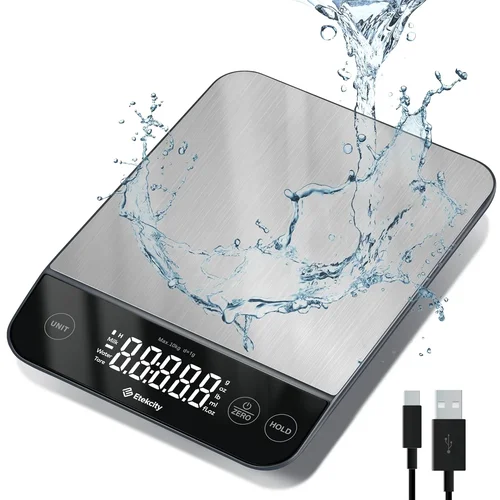
Entry-Level ($20–$50): These scales are ideal for occasional use or beginners. Expect basic features like tare and unit conversion, but limited capacity (usually under 10kg) and potential accuracy issues over time. Brands like Etekcity and GreaterGoods offer decent options in this range, but don’t expect long-term reliability.
Mid-Range ($50–$120): This is the sweet spot for most users. Scales in this tier offer excellent accuracy, durable stainless steel platforms, and broader weight ranges (0.1g to 20kg+). Models from OXO, MyWeigh, and American Weigh Scales dominate this category, balancing performance and affordability. Many include rechargeable batteries and smart features.
Premium ($120–$250): Designed for professionals and serious hobbyists, these scales boast advanced calibration, high capacity (up to 50kg), and robust build quality. Look for NTEP certification for commercial use, app connectivity, and multi-range sensors. Ideal for e-commerce sellers, bakers, and meal prep enthusiasts.
Luxury ($250+): Top-tier models offer industrial-grade durability, extreme precision, and integration with shipping software or nutrition databases. These are overkill for most home users but essential for warehouses, labs, or high-volume kitchens. Expect features like remote displays, data logging, and weather-resistant casings.
Expert Tips for Getting the Best Deal
- Shop During Sales Cycles: Major discounts occur during Black Friday, Amazon Prime Day, and back-to-school season. Sign up for brand newsletters to get early access to deals.
- Buy from Reputable Retailers: Stick to Amazon, Best Buy, or direct brand websites. Avoid third-party sellers with no reviews or unclear return policies.
- Check for Bundles: Some brands offer calibration weights, protective cases, or recipe books with purchase—great value adds.
- Read the Fine Print on Warranties: Ensure the warranty covers calibration drift and sensor failure, not just cosmetic damage.
- Use Price Tracking Tools: Apps like Honey or CamelCamelCamel alert you when prices drop on your wishlist items.
- Test Return Policies: Choose retailers with 30-day+ return windows. If the scale doesn’t meet expectations, you can swap it hassle-free.
- Consider Refurbished Models: Certified refurbished scales from manufacturers often come with full warranties at 20–30% off retail.
- Join Loyalty Programs: Brands like OXO and Escali offer member discounts, free shipping, and early access to new products.

Frequently Asked Questions
Q: Can one scale really handle both food and packages accurately?
A: Yes, but only if it’s designed for dual use. Look for models with multi-range sensors or auto-ranging technology that maintain precision from 0.1g to 20kg+. Avoid scales that sacrifice low-end accuracy for high capacity.
Q: Do I need a scale with app connectivity?
A: Only if you track nutrition, log recipes, or integrate with shipping software. For basic weighing, it’s unnecessary. App features can drain batteries and add complexity.
Q: How often should I calibrate my scale?
A: Every 3–6 months for regular use, or after dropping the scale. Some models auto-calibrate; others require manual calibration with included weights.
Q: Are stainless steel platforms worth the extra cost?
A: Absolutely. They’re easier to clean, resist rust, and don’t absorb odors. Plastic platforms can warp and harbor bacteria.
Q: Can I use a kitchen scale for shipping?
A: Only for small, lightweight packages (under 5kg). Most kitchen scales lack the capacity and durability for frequent shipping use.
Q: What’s the difference between readability and accuracy?
A: Readability is the smallest increment the scale displays (e.g., 0.1g). Accuracy is how close that reading is to the true weight. A scale can be readable but inaccurate if not calibrated.
Q: Do scales need to be NTEP certified for home use?
A: No, but NTEP certification ensures commercial-grade accuracy and is required if you’re selling products by weight. For personal use, it’s a bonus, not a necessity.
Q: How do I clean my scale?
A: Wipe the platform with a damp cloth and mild soap. Avoid submerging the unit. For touchscreens, use a microfiber cloth. Never use abrasive cleaners.
Q: Can temperature affect scale accuracy?
A: Yes. Extreme heat or cold can cause sensor drift. Use your scale in a stable environment (room temperature) for best results.
Q: What’s the best way to store a scale?
A: Keep it in a dry, cool place. Remove batteries if storing long-term. Use a protective case if available.
Our Final Recommendations
Best for Budget-Conscious Buyers: OXO Good Grips Stainless Steel Food Scale with Pull-Out Display – At around $60, it offers excellent accuracy (0.1g), a 5kg capacity, and a pull-out display for easy reading. While not ideal for heavy packages, it’s perfect for food and light shipping.
Best Overall Value: MyWeigh Triton T2 20kg/0.1g Digital Scale – Priced at $90–$110, this scale delivers professional-grade performance with a 20kg capacity, stainless steel platform, and rechargeable battery. It’s accurate, durable, and versatile enough for both kitchen and shipping use.
Best Premium Option: American Weigh Scales AWS-20KG Digital Scale – At $150, this model features dual sensors, NTEP certification, and a 20kg capacity with 0.1g readability. Ideal for e-commerce sellers and serious cooks who demand precision.
Best for Beginners: Etekcity Food Scale with Bowl – Around $35, this compact scale includes a removable bowl, tare function, and unit conversion. Great for learning the basics without a big investment.
Best for Advanced Users: Escali Primo Digital Scale with USB Connectivity – At $120, it offers app integration, recipe mode, and a sleek design. Perfect for tech-savvy users who want to track nutrition and streamline meal prep.
Conclusion: Making the Right Choice
Selecting the best 2-in-1 scale isn’t about finding the most expensive or feature-packed model—it’s about matching the tool to your lifestyle, needs, and budget. Whether you’re portioning ingredients for a weekly meal plan or calculating postage for a growing online store, the right scale will save you time, money, and frustration. Remember to prioritize accuracy, build quality, and versatility. Don’t be swayed by flashy features you won’t use, and always test before you commit.
Take the time to assess how often you’ll use the scale, what weights you’ll typically measure, and where it will live in your home or workspace. Read real user reviews, compare warranties, and consider long-term value over upfront cost. With the insights from this guide, you’re now equipped to make a smart, confident purchase.
Investing in a reliable 2-in-1 scale is more than just buying a gadget—it’s about enhancing your efficiency, consistency, and peace of mind. So go ahead: weigh your options carefully, choose wisely, and enjoy the precision that comes with the right tool in your hands.