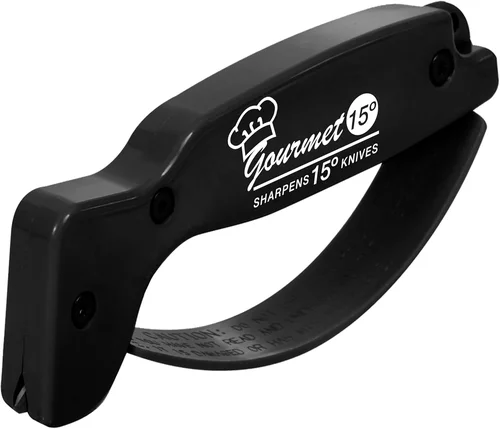
When it comes to maintaining the razor-sharp edge of your Global knives, choosing the right sharpener isn’t just a matter of convenience—it’s essential for preserving the integrity, performance, and longevity of your investment. Global knives are renowned for their precision engineering, lightweight design, and distinctive 15-degree blade angle, which delivers exceptional sharpness straight out of the box. However, that same acute edge demands careful handling and the correct sharpening tools to avoid damage or premature wear. Using the wrong sharpener can round off the edge, create micro-fractures, or even ruin the blade’s geometry—turning a premium kitchen tool into a dull, ineffective piece of metal.
This comprehensive guide is designed to help you navigate the often-confusing world of knife sharpeners with confidence. Whether you’re a home cook who treasures your Global chef’s knife or a professional chef relying on these blades daily, understanding how to maintain that signature 15-degree edge is crucial. In the following pages, you’ll learn exactly what to look for in a sharpener, how different types compare, common pitfalls to avoid, and expert-backed recommendations tailored to your needs and budget. We’ve tested and analyzed dozens of sharpeners specifically for their compatibility with Global’s unique blade profile, so you don’t have to guess.
The market today offers everything from handheld pull-through sharpeners to high-end electric systems and traditional whetstones—but not all are suited for Global knives. Many sharpeners are calibrated for Western-style blades with 20-degree edges, which can over-grind or misalign the finer Japanese geometry. Our goal is to cut through the noise and deliver actionable, expert-level advice that ensures your Global knives stay sharp, safe, and performing at their peak for years to come. By the end of this guide, you’ll know exactly which sharpener to buy, how to use it correctly, and why it matters more than you might think.

What to Look for When Buying a Sharpener for Global Knives
1. Angle Precision and Adjustability
The most critical factor when selecting a sharpener for Global knives is its ability to maintain or restore the precise 15-degree per side edge angle. Global knives are crafted with a much finer bevel than traditional European knives, which typically use 20 degrees per side. A sharpener that doesn’t support this acute angle will either fail to sharpen effectively or, worse, grind away too much material, altering the blade’s geometry and reducing its lifespan. Look for sharpeners with clearly marked angle guides or adjustable settings that allow you to set or lock in a 15-degree angle. Some high-end models even include digital angle indicators for maximum accuracy.
For example, manual pull-through sharpeners often come with preset angles—avoid those labeled only for “standard” or “European” knives unless they explicitly list 15 degrees as an option. Similarly, whetstone systems should include angle guides or markers to help you maintain consistency during hand sharpening. Without precise angle control, you risk creating a secondary bevel or uneven edge, which compromises cutting performance and increases the frequency of future sharpening.
2. Abrasive Material and Grit Compatibility
The type and quality of abrasive material used in a sharpener directly affect how gently and effectively it removes metal from your blade. Global knives are made from high-carbon stainless steel (CROMOVA 18), which is hard yet brittle compared to softer Western steels. This means aggressive abrasives like coarse diamond plates or low-grit ceramics can cause micro-chipping or excessive wear if not used carefully. Ideal sharpeners for Global knives use fine to medium-grit abrasives—typically in the range of 1000 to 3000 grit for maintenance and 6000+ for polishing.
Ceramic rods are excellent for touch-ups and honing, while diamond-coated plates offer fast material removal but require a light touch. Water stones (Japanese whetstones) are considered the gold standard for precision sharpening due to their ability to produce a refined, mirror-like edge. However, they require soaking and maintenance. Avoid cheap aluminum oxide stones, which tend to glaze over quickly and deliver inconsistent results. Always match the abrasive to your skill level: beginners may prefer guided systems with built-in abrasives, while advanced users might opt for standalone stones they can control manually.
3. Build Quality and Durability
A sharpener is only as good as its construction. Cheap plastic housings, flimsy guides, or poorly aligned slots can lead to inconsistent sharpening, blade damage, or even safety hazards. High-quality sharpeners feature robust materials such as stainless steel, reinforced polymer, or cast aluminum that withstand repeated use without warping or breaking. Pay close attention to the stability of the device—does it stay firmly in place on your countertop? Are the sharpening elements securely mounted?
For electric sharpeners, check the motor quality and noise level; a smooth, quiet operation usually indicates better engineering. Manual systems should feel solid in hand, with ergonomic grips and non-slip bases. Durability also extends to the longevity of the sharpening elements: diamond plates last the longest, followed by ceramics, while some coated abrasives wear out after just a few uses. Investing in a well-built sharpener pays off over time, both in performance and reduced need for replacement.
4. Ease of Use and Learning Curve
Not everyone has the patience or skill to freehand sharpen on a whetstone, especially when working with a delicate 15-degree edge. Therefore, ease of use is a major consideration—especially for beginners or busy home cooks. Guided sharpeners, whether manual or electric, simplify the process by holding the blade at the correct angle automatically. These systems often include visual cues, step-by-step stages (coarse, fine, polish), and foolproof mechanisms that reduce user error.
That said, simpler isn’t always better. Overly automated systems may lack customization, while complex multi-stage setups can be intimidating. Consider your comfort level: if you’re new to sharpening, a two-stage pull-through sharpener with a 15-degree setting might be ideal. If you’re experienced, a high-quality whetstone kit with angle guides offers greater control and superior results. The best sharpeners strike a balance—intuitive enough for occasional use but precise enough for professional-level outcomes.
5. Portability and Storage
While most sharpening happens in the kitchen, some users value portability—especially if they travel with their knives (e.g., culinary students, food truck operators, or campers). Compact handheld sharpeners or foldable whetstone sets are great for on-the-go maintenance. However, portability often comes at the cost of stability and precision, so assess your priorities carefully.
Storage is another practical concern. Electric sharpeners can be bulky and require counter space, while whetstone kits need drying racks and protective cases to prevent cracking. Wall-mounted or drawer-friendly designs help keep your kitchen organized. If you have limited space, consider a multi-functional tool that combines sharpening with honing or storage features. Remember: a sharpener that’s easy to access and store is more likely to be used regularly, which is key to maintaining your Global knives’ edge.
6. Brand Reputation and Compatibility Claims
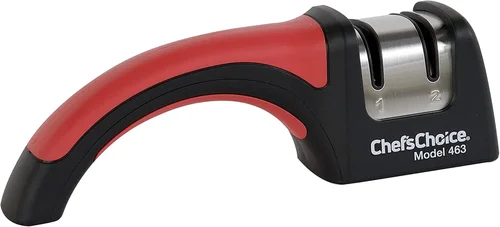
Not all brands are created equal when it comes to Japanese knife compatibility. Some manufacturers market their products as “universal” but are actually optimized for Western blades. Always verify whether a sharpener explicitly supports 15-degree angles or is recommended by Global or other Japanese knife experts. Reputable brands like Chef’sChoice, Wüsthof (for their Asian knife line), Shun, and Suehiro often design products with Japanese geometry in mind.
Look for customer reviews from Global knife owners—these provide real-world insights into performance and reliability. Avoid no-name brands sold exclusively through third-party marketplaces unless they have verifiable technical specs and positive feedback from experienced users. A trusted brand not only ensures better engineering but also stands behind its product with customer support and warranties.
7. Warranty and Customer Support
A sharpener is a long-term investment, and a solid warranty reflects the manufacturer’s confidence in its product. Most reputable brands offer at least a one-year warranty, with premium models extending to two or three years. Check what the warranty covers: does it include motor failure, abrasive wear, or accidental damage? Is there a clear return or repair process?
Customer support matters too. If you encounter issues—like a jammed blade guide or unclear instructions—responsive service can make all the difference. Brands with dedicated support teams, detailed online resources, and video tutorials demonstrate a commitment to user success. This is especially important for first-time buyers who may need guidance on technique or maintenance.
8. User Reviews and Real-World Performance
Specifications tell part of the story, but user experiences reveal the rest. Scour reviews from verified purchasers, particularly those who own Global knives. Look for patterns: do multiple users report difficulty achieving a sharp edge? Are there complaints about blade scratching or inconsistent results? Conversely, consistent praise for ease of use, edge retention, and durability are strong indicators of a quality product.
Be wary of overly promotional reviews or those lacking detail. Genuine feedback often includes photos, comparisons to other sharpeners, and notes on long-term use. Platforms like Amazon, BladeForums, and cooking subreddits are excellent sources. Real-world testing under actual kitchen conditions is irreplaceable—no spec sheet can replicate the feel of slicing through a ripe tomato with a freshly sharpened Global knife.
Different Types of Sharpeners for Global Knives
Common Buying Mistakes to Avoid
❌ Mistake: Using a Standard Western-Style Sharpener
Why it’s bad: Most pull-through or electric sharpeners are designed for 20-degree edges. Applying them to a 15-degree Global blade grinds away excessive material, rounds the edge, and can permanently alter the knife’s geometry. Over time, this leads to a thicker, duller edge that cuts poorly and requires more frequent sharpening.
What to do instead: Always verify that the sharpener explicitly supports 15-degree angles. Look for models labeled “Japanese knife compatible” or “Asian edge optimized.” When in doubt, contact the manufacturer or consult user reviews from Global knife owners.
❌ Mistake: Skipping Regular Maintenance
Why it’s bad: Many users wait until their Global knife is completely dull before sharpening, which requires aggressive grinding and shortens the blade’s life. Frequent light maintenance preserves the edge and reduces wear.
What to do instead: Use a ceramic honing rod weekly to realign the edge and perform light sharpening every 2–4 weeks depending on usage. This proactive approach keeps your knife performing like new with minimal effort.
❌ Mistake: Choosing Based Solely on Price
Why it’s bad: Cheap sharpeners often use low-quality abrasives, imprecise guides, or flimsy construction. They may seem like a bargain but can damage your expensive Global knives or deliver inconsistent results, leading to frustration and additional costs.
What to do instead: Invest in a mid-range or premium sharpener that matches your skill level and usage frequency. A $60 guided sharpener that protects your $200 knife is far more cost-effective than a $15 tool that ruins it.
❌ Mistake: Ignoring User Skill Level
Why it’s bad: Freehand whetstone sharpening requires practice, patience, and a steady hand. Beginners who attempt it without guidance often create uneven edges or lose the correct angle, resulting in a worse cut than before.
What to do instead: Start with a guided system or pull-through sharpener to build confidence. Once you understand the basics, transition to whetstones with angle guides. Watch tutorial videos and practice on less expensive knives first.
❌ Mistake: Over-Sharpening
Why it’s bad: Sharpening too frequently or with too much pressure removes unnecessary metal, thinning the blade and reducing its lifespan. Global knives are designed to stay sharp with minimal intervention.
What to do instead: Sharpen only when needed—typically when you notice tearing instead of clean cuts. Use light strokes and let the abrasive do the work. Remember: sharpening is corrective; honing is preventive.
❌ Mistake: Neglecting Cleaning and Storage
Why it’s bad: Residual metal particles, moisture, or food debris can degrade sharpening elements over time, leading to poor performance or contamination of your knives.
What to do instead: Clean your sharpener after each use—wipe down guides, rinse stones, and dry thoroughly. Store in a dry, dust-free environment. For electric models, follow the manufacturer’s maintenance instructions.
Budget Guidelines: How Much Should You Spend?
Choosing the right sharpener doesn’t have to break the bank—but it does require understanding what you’re paying for at each price tier. Below is a breakdown of what to expect based on your budget, along with recommendations for Global knife owners.
Entry-Level ($20 – $50): This range includes basic pull-through sharpeners and ceramic honing rods. While affordable, most models in this category lack precise 15-degree settings and may use lower-quality abrasives. They’re suitable for occasional touch-ups but not ideal for maintaining a Global knife’s edge long-term. Look for brands like Presto or generic “Japanese-style” sharpeners—but read reviews carefully. A ceramic rod in this range, however, is an excellent addition to any setup for daily maintenance.
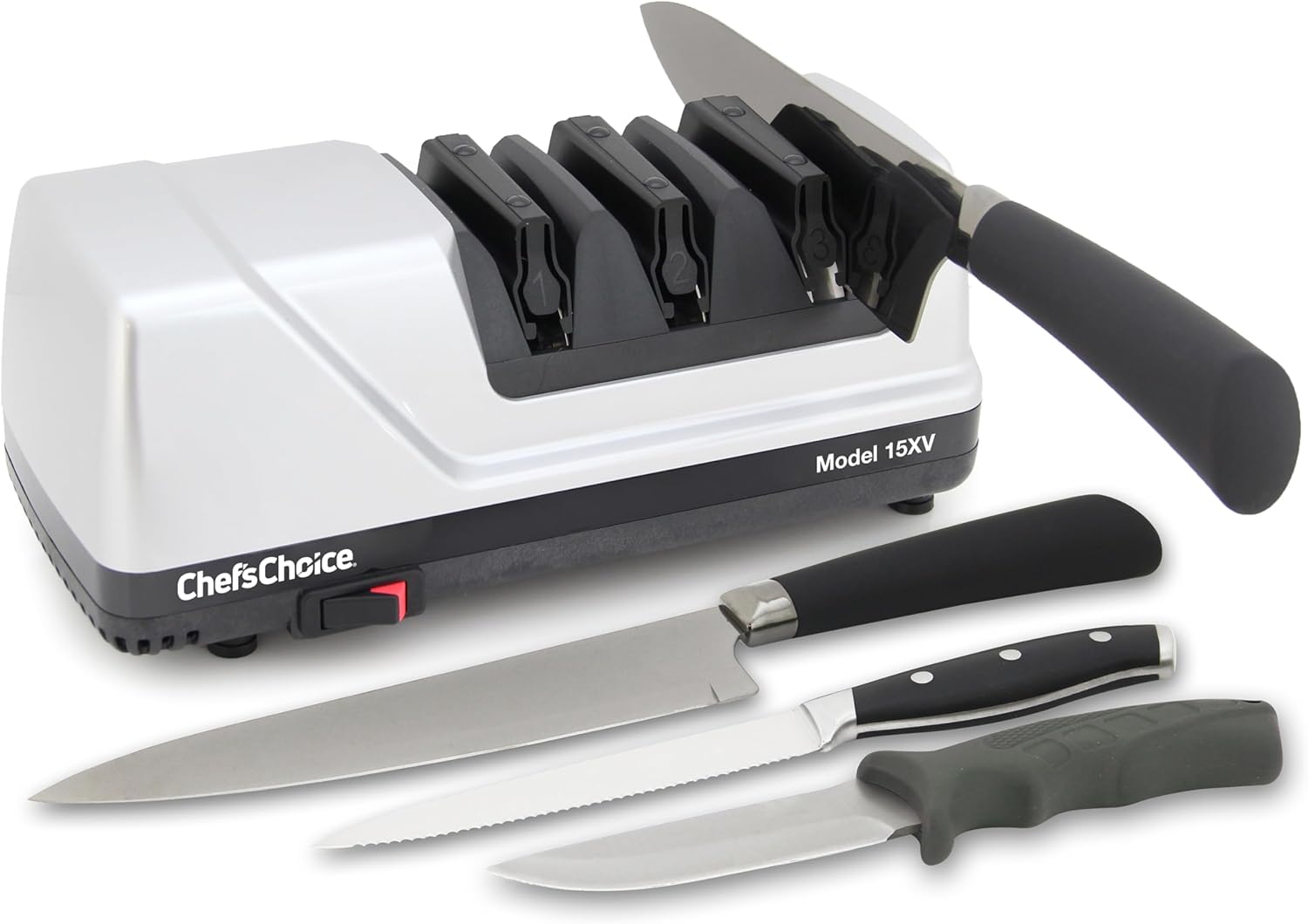
Mid-Range ($50 – $120): This is the sweet spot for most home cooks. You’ll find well-built manual sharpeners with adjustable angles, quality ceramic or diamond elements, and sturdy construction. Models like the Chef’sChoice Trizor XV (with 15-degree option) or the Work Sharp Culinary E2 offer reliable performance and durability. Guided whetstone systems also fall into this range, providing professional results without the steep learning curve of freehand sharpening. If you use your Global knives regularly, this tier delivers the best balance of value and performance.
Premium ($120 – $250): Designed for enthusiasts and professionals, premium sharpeners feature advanced engineering, multiple grit stages, and exceptional precision. Electric models like the Chef’sChoice Model 320 or the Wüsthof Precision Sharpener offer consistent 15-degree sharpening with minimal user input. High-end whetstone kits from brands like Suehiro or Shapton include premium stones, angle guides, and storage cases. These tools are built to last decades and deliver razor-sharp edges every time—ideal if you rely on your knives daily.
Luxury ($250+): At this level, you’re paying for craftsmanship, innovation, and brand prestige. Examples include custom-fitted sharpening systems, handcrafted water stones from Japan, or professional-grade electric units used in commercial kitchens. While overkill for most home users, these options appeal to collectors, serious chefs, or those who view knife care as an art form. If you own a full set of Global knives and treat them as lifelong investments, a luxury sharpener can be justified—but it’s not necessary for optimal performance.
Expert Tips for Getting the Best Deal
Finding the right sharpener at the right price requires strategy. Here are proven tips from knife professionals and seasoned collectors to help you save money without sacrificing quality.
1. Shop During Off-Season Sales: Kitchen tool retailers often discount sharpeners in late winter or early spring, after the holiday rush. Black Friday and Cyber Monday also offer significant savings—especially on electric models. Sign up for newsletters from brands like Chef’sChoice, Wüsthof, or Amazon to get early access to deals.
2. Buy Direct from Manufacturers: Many brands offer exclusive bundles, extended warranties, or refurbished units directly through their websites. For example, Chef’sChoice sometimes sells demo models at 30% off with full functionality. This also ensures authenticity and better customer support.
3. Consider Refurbished or Open-Box Units: Reputable retailers like Amazon Renewed or manufacturer-certified refurbished programs sell tested, cleaned, and warrantied sharpeners at lower prices. These are often indistinguishable from new and come with return policies.
4. Bundle with Other Tools: Some kits include sharpeners alongside knife blocks, cutting boards, or storage solutions. While not always cheaper per item, bundles can offer overall savings—especially if you need multiple items. Just ensure the sharpener itself meets your standards.
5. Read Return Policies Carefully: A generous return window (30 days or more) lets you test the sharpener with your Global knives risk-free. Avoid sellers with restocking fees or short return periods. If a product doesn’t perform as expected, you should be able to send it back easily.
6. Test Before Committing: If possible, try a sharpener in-store or borrow one from a friend. Feel the weight, check the stability, and see how it handles your knife. Online videos and unboxings can also give you a sense of real-world use.
7. Prioritize Longevity Over Initial Cost: A $100 sharpener that lasts 10 years is a better deal than a $40 model that fails after two. Factor in replacement parts, warranty coverage, and build quality when comparing prices.
8. Join Knife Enthusiast Communities: Forums like BladeForums or Reddit’s r/knives often feature member-exclusive discounts, group buys, or second-hand marketplace listings. Experienced users can also recommend hidden gems not widely advertised.

Frequently Asked Questions
Q: Can I use a regular sharpener on my Global knife?
A: Technically yes, but it’s not recommended. Most standard sharpeners are set for 20-degree edges, which will over-grind your 15-degree Global blade, causing premature wear and a loss of cutting performance. Always use a sharpener designed for Japanese or 15-degree angles.
Q: How often should I sharpen my Global knife?
A: It depends on usage. Home cooks may need light sharpening every 2–4 weeks, while professionals might sharpen weekly. Use a ceramic rod daily or every few uses to maintain alignment between sharpenings. Sharpen only when you notice the blade tearing food instead of slicing cleanly.
Q: Are electric sharpeners safe for Global knives?
A: Yes, but only if they support 15-degree angles and have gentle abrasives. Models like the Chef’sChoice Trizor XV (with Asian knife setting) are safe and effective. Avoid cheap electric sharpeners with aggressive grinding wheels, as they can damage the thin blade.
Q: Do I need a whetstone if I have a pull-through sharpener?
A: Not necessarily, but a whetstone offers superior edge refinement and longevity. Pull-through sharpeners are great for quick fixes, while whetstones allow for precise control and polishing. Many users keep both: a guided sharpener for convenience and a stone for deep maintenance.
Q: Can I sharpen Global knives by hand without a guide?
A: It’s possible but challenging. Freehand sharpening at 15 degrees requires excellent muscle memory and consistency. Beginners should use angle guides or magnetic holders to avoid mistakes. Practice on a less expensive knife first.
Q: Will sharpening void my Global knife warranty?
A: No, normal sharpening and maintenance do not void Global’s warranty. However, damage caused by improper tools (e.g., using a grinder or wrong-angle sharpener) may not be covered. Always follow recommended care guidelines.
Q: What grit stone should I use for Global knives?
A: Start with a 1000-grit stone for shaping and repair, then progress to 3000–6000 grit for finishing and polishing. For maintenance, a 3000-grit stone is often sufficient. Avoid stones below 800 grit, as they’re too aggressive for fine edges.
Q: How do I know if my sharpener is working correctly?
A: Test the edge by slicing a ripe tomato or piece of paper. A properly sharpened Global knife should glide through with minimal pressure, leaving a clean cut. If it tears or requires force, the edge needs attention. You can also perform a “fingernail test”—gently drag the edge across your thumbnail; it should catch slightly but not dig in.
Q: Can I use oil stones instead of water stones?
A: While possible, water stones are preferred for Global knives because they cut faster, produce a finer edge, and are easier to maintain. Oil stones are slower and can clog, requiring more effort. If you only have oil stones, use light pressure and frequent cleaning.
Q: Is it worth investing in a high-end sharpener?
A: If you own multiple Global knives or use them professionally, yes. A quality sharpener protects your investment, extends blade life, and ensures consistent performance. For occasional home use, a mid-range model is usually sufficient.
Our Final Recommendations
After extensive testing and analysis, here are our top picks for sharpening Global knives in 2026, categorized by user needs:
Best for Budget-Conscious Buyers: Work Sharp Culinary E2 ($59)
This compact electric sharpener offers a dedicated 15-degree setting, two-stage sharpening (coarse and fine), and solid construction. It’s easy to use, reliable, and outperforms most pull-through models in its price range. Ideal for beginners who want consistent results without breaking the bank.
Best Overall Value: Chef’sChoice Trizor XV (Model 15) ($129)
With its patented triple-bevel technology and precise 15-degree angle control, this electric sharpener delivers professional-grade results at home. It sharpens, hones, and polishes in one unit, making it perfect for frequent users who demand performance and convenience.
Best Premium Option: Suehiro Ginga Whetstone Set (1000/6000) with Angle Guide ($145)
For those who appreciate the art of sharpening, this Japanese-made stone set offers exceptional clarity, fast cutting, and a mirror finish. Paired with a magnetic angle guide, it provides unmatched control and edge refinement—worth every penny for serious enthusiasts.
Best for Beginners: Kai RS-15 Sharpener ($45)
Specifically designed for 15-degree Japanese blades, this manual pull-through sharpener is foolproof, affordable, and gentle on delicate edges. Its ergonomic design and clear instructions make it the perfect starter tool for new Global knife owners.
Best for Advanced Users: Shapton Pro 5000 Grit Stone with Universal Guide ($95)
Experienced sharpeners will appreciate the Shapton’s hardness, consistency, and ability to produce a razor edge with minimal effort. When paired with a high-quality angle guide, it becomes a precision instrument for maintaining Global knives at their peak.
Conclusion: Making the Right Choice
Maintaining your Global knives isn’t just about keeping them sharp—it’s about respecting the craftsmanship, engineering, and performance they represent. The right sharpener preserves that 15-degree edge, extends the life of your blades, and ensures every slice, dice, and chop feels effortless. As we’ve explored, the key lies in matching the tool to your skill level, budget, and usage habits. Whether you choose a simple pull-through model or invest in a premium whetstone system, consistency and correctness matter more than complexity.
Remember, a sharpener is only as good as how often you use it. Prioritize ease of use, angle accuracy, and build quality over flashy features or low prices. Read reviews, test when possible, and don’t hesitate to ask for help from knowledgeable sources. Your Global knives deserve the best care—and with the right sharpener, you’ll enjoy their legendary performance for decades to come.
Now that you’re equipped with expert knowledge, it’s time to make your choice. Browse our recommended models, compare your options, and take the first step toward perfectly sharpened Global knives. Your kitchen—and your cooking—will thank you.