Steak knives are the unsung heroes of the dinner table—elegant, essential, and often taken for granted. Yet, nothing ruins a perfectly cooked ribeye faster than a dull blade struggling to slice through tender meat. A sharp steak knife doesn’t just improve the dining experience; it enhances safety, precision, and even the presentation of your meal. Over time, even the finest German or Japanese steel will lose its edge through regular use, and that’s where a quality sharpener becomes indispensable. Whether you’re hosting a holiday feast or enjoying a quiet weeknight dinner, having razor-sharp steak knives ensures every cut is clean, effortless, and satisfying.
This comprehensive buying guide is designed to help you navigate the crowded market of knife sharpeners with confidence. We’ll break down everything you need to know—from understanding the different types of sharpeners available to evaluating key performance factors like angle precision, speed, and ease of use. You’ll learn how to match your sharpener to your specific needs, whether you’re a casual home cook or a seasoned culinary enthusiast. By the end of this guide, you’ll be equipped to make an informed decision that keeps your steak knives performing at their best for years to come.
The market for knife sharpeners has evolved significantly in recent years, offering a wide range of options from manual pull-through devices to advanced electric systems and precision-guided whetstones. While this variety is great for consumers, it also makes choosing the right sharpener more challenging. Some models promise professional-level results in seconds, while others require patience and practice but deliver superior edge refinement. Our goal is to cut through the marketing noise and deliver honest, expert-driven insights so you can invest wisely in a sharpener that truly delivers on its promises.
What to Look for When Buying Buying Guide
1. Blade Angle Compatibility
One of the most critical factors when selecting a sharpener for steak knives is its ability to maintain the correct sharpening angle. Most high-quality steak knives are ground at a 15- to 20-degree angle per side, with premium Japanese models often leaning toward the lower end (15–17 degrees) and European-style blades closer to 20 degrees. A sharpener that allows you to adjust or preset these angles ensures you don’t inadvertently alter the knife’s geometry, which can lead to premature wear or reduced cutting performance.
Look for sharpeners with clearly marked angle guides or adjustable settings. Electric models often come with preset stages for different angles, while manual systems may use guide rods or clamping mechanisms to hold the blade at the correct tilt. If you own a mix of knife styles—say, both German and Japanese steak knives—choose a sharpener with multiple angle options to accommodate both. Failing to match the sharpening angle can result in a blade that feels sharp initially but dulls quickly or chips under pressure.
2. Sharpener Type and Mechanism
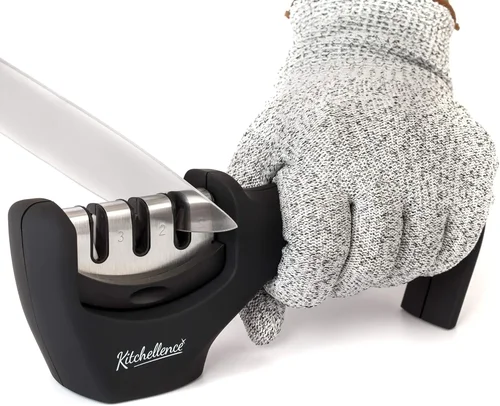
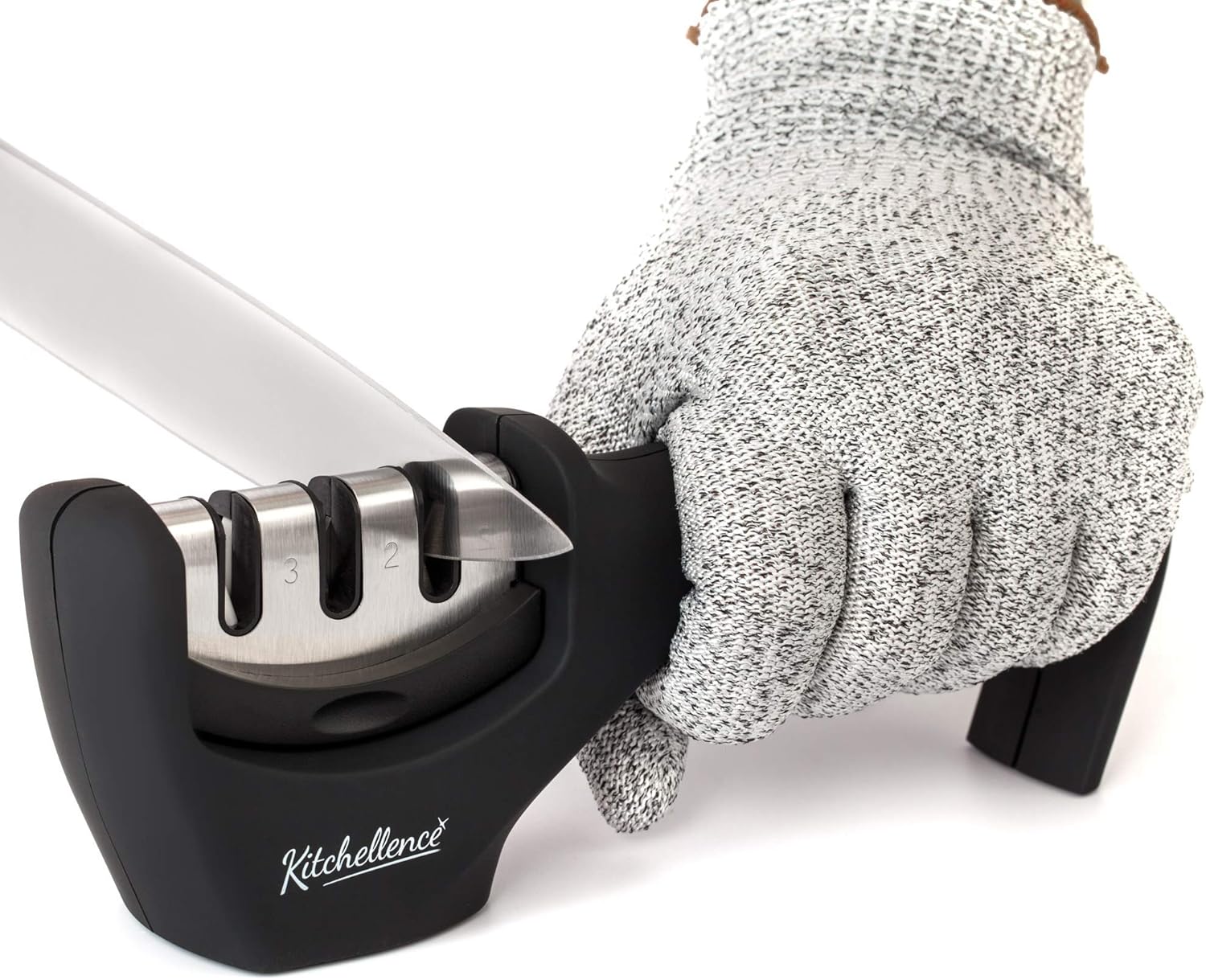
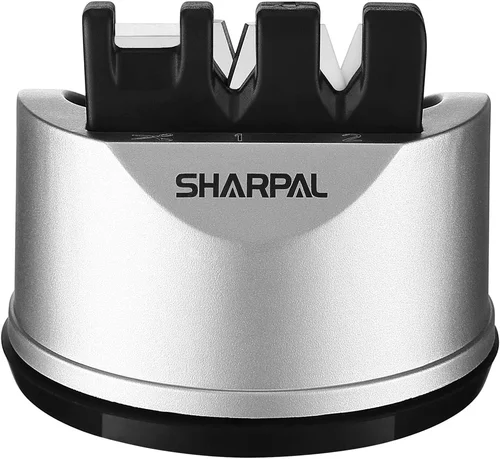
The mechanism your sharpener uses directly impacts the quality of the edge and the ease of use. There are three primary types: pull-through (manual or electric), whetstone (manual), and guided-rod systems. Pull-through sharpeners are convenient and fast, using preset slots with abrasive wheels or ceramic rods to grind and hone the edge. They’re ideal for quick touch-ups but can be aggressive, potentially removing too much metal if used excessively.
Whetstone sharpeners, on the other hand, offer the most control and precision. They allow you to manually refine the edge using water or oil stones, resulting in a razor-sharp, polished finish. However, they require practice and patience to master. Guided-rod systems strike a balance—using a clamp to hold the knife steady while a rod guides the stone along the blade at a consistent angle. These are excellent for beginners who want professional results without the steep learning curve of freehand sharpening.
3. Build Quality & Durability
A sharpener is only as good as the materials it’s made from. Cheap plastic housings, flimsy guides, or low-grade abrasives may save you money upfront but will wear out quickly or fail to deliver consistent results. Look for models constructed from stainless steel, reinforced polymers, or aluminum alloys. The sharpening elements—whether diamond-coated plates, ceramic rods, or high-carbon stones—should be durable and resistant to wear.
Pay attention to the stability of the base. A wobbly or lightweight sharpener can lead to inconsistent sharpening and even damage your knives. Many premium models include non-slip rubber feet or magnetic bases to keep them firmly in place during use. Also, consider whether the sharpener is designed for long-term use. Some budget models are essentially disposable, while others are built to last decades with proper care.
4. Ease of Use and Learning Curve
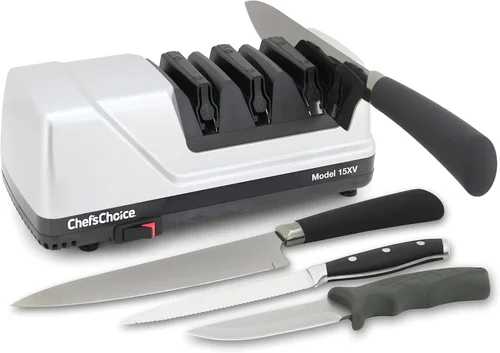
Not everyone wants to spend 20 minutes sharpening a single knife. For busy households or those new to knife maintenance, ease of use is a major deciding factor. Electric sharpeners are the most user-friendly—simply pull the knife through the designated slots, and the machine does the rest. They’re ideal for quick maintenance and are often recommended for families or frequent entertainers.
Manual pull-through models are slightly more involved but still straightforward. Whetstones and guided systems require more skill and time but offer superior results. If you’re a beginner, look for models with clear instructions, visual guides, or even video tutorials. Some sharpeners include built-in angle indicators or color-coded stages to simplify the process. The key is to match the sharpener’s complexity to your comfort level and willingness to learn.
5. Speed and Efficiency
How quickly a sharpener can restore a dull edge matters, especially if you’re maintaining a full set of steak knives. Electric models are the fastest, often restoring a usable edge in under a minute per knife. They’re perfect for regular maintenance or when you need sharp knives in a hurry—say, before a dinner party.
Manual systems take longer but allow for more control. A whetstone might take 5–10 minutes per knife, depending on the level of dullness and your skill. Guided systems fall somewhere in between. Consider how often you’ll be sharpening and how much time you’re willing to invest. If you only sharpen a few times a year, speed may be less important than precision. But for weekly use, a faster system can make maintenance feel less like a chore.
6. Maintenance Requirements
All sharpeners require some level of upkeep, but the amount varies widely. Electric models with abrasive wheels may need periodic cleaning or replacement of parts. Some have removable trays to catch metal dust, while others require disassembly. Whetstones need to be flattened regularly and stored properly to prevent cracking. Diamond plates are low-maintenance but can accumulate debris that affects performance.
Check whether replacement parts are readily available and affordable. A sharpener that’s difficult or expensive to maintain may end up collecting dust in a drawer. Also, consider whether the sharpener is easy to clean—look for models with accessible components and minimal crevices where metal particles can accumulate. A low-maintenance sharpener saves time and ensures consistent results over the long term.
7. Safety Features
Sharpening involves sharp blades and abrasive materials, so safety should never be overlooked. Look for features like blade guards, non-slip bases, and secure clamping mechanisms that prevent the knife from slipping during use. Electric models should have protective covers over the sharpening wheels and automatic shut-off features if the unit overheats.
Some sharpeners include finger guards or recessed slots to minimize the risk of accidental cuts. If you have children or less experienced users in the household, opt for a model with enhanced safety controls. Additionally, consider the noise level—some electric sharpeners can be quite loud, which may be disruptive in a quiet kitchen. A well-designed sharpener prioritizes both performance and user safety.
8. Brand Reputation and Customer Support
Not all sharpeners are created equal, and brand reputation can be a strong indicator of quality. Established brands like Work Sharp, Chef’sChoice, AccuSharp, and Wüsthof have built their names on reliability and innovation. They often invest in research and development to improve sharpening technology and user experience.
Check customer reviews on trusted platforms like Amazon, Wirecutter, or cooking forums. Look for consistent feedback about performance, durability, and ease of use. Also, consider the availability of customer support—can you easily reach someone if you have questions? Do they offer troubleshooting guides or video tutorials? A brand that stands behind its product with strong support is more likely to deliver a positive long-term experience.
Different Types of Buying Guide

Common Buying Mistakes to Avoid
❌ Mistake: Choosing a Sharpener That Doesn’t Match Your Knife Angle
Why it’s bad: Using a sharpener set to the wrong angle can permanently alter your knife’s edge geometry, leading to faster dulling, chipping, or poor cutting performance. For example, sharpening a 15-degree Japanese blade at 20 degrees creates a thicker, less refined edge that struggles with precision tasks.
What to do instead: Always check your steak knife’s manufacturer specifications for the recommended sharpening angle. Choose a sharpener with adjustable settings or multiple preset options to match your knives precisely.
❌ Mistake: Prioritizing Price Over Performance
Why it’s bad: Ultra-cheap sharpeners often use low-quality abrasives and flimsy construction, which can damage your knives or deliver inconsistent results. You may end up spending more in the long run replacing dull or damaged blades.
What to do instead: Invest in a mid-range sharpener ($50–$100) that balances cost and quality. Look for models with durable components and positive user reviews. Think of it as protecting your investment in high-quality cutlery.
❌ Mistake: Ignoring Maintenance Needs
Why it’s bad: A sharpener that’s hard to clean or requires expensive replacement parts can become a neglected tool. Clogged abrasives or worn wheels reduce effectiveness and may damage your knives.
What to do instead: Choose a model with easy-to-clean components and readily available replacement parts. Check the manufacturer’s website for maintenance guides and part availability before purchasing.
❌ Mistake: Over-Sharpening or Using the Wrong Grit
Why it’s bad: Running a knife through a coarse stage too often removes excess metal, shortening the blade’s lifespan. Conversely, using only fine grits on a very dull knife wastes time and yields poor results.
What to do instead: Use a coarse stage only when necessary (e.g., for chips or extreme dullness), then progress to medium and fine stages for refinement. Follow the manufacturer’s recommended sequence for best results.
❌ Mistake: Buying a One-Size-Fits-All Sharpener
Why it’s bad: A sharpener designed for chef’s knives may not accommodate the thinner, more delicate profile of steak knives. Slots that are too wide or guides that don’t hold small blades securely can lead to uneven sharpening.
What to do instead: Look for sharpeners specifically marketed for steak knives or those with adjustable clamps and narrow slots. Test the fit with your knives if possible.
❌ Mistake: Neglecting Safety Features
Why it’s bad: A sharpener without proper guards or stability can lead to slips, cuts, or accidental damage to the blade. Electric models without overload protection may overheat or malfunction.
What to do instead: Prioritize models with non-slip bases, blade guards, and secure clamping. Read safety instructions carefully and never force a knife through a sharpener.
❌ Mistake: Not Testing Before Committing
Why it’s bad: Buying online without seeing the sharpener in action can lead to disappointment. What looks good in photos may be awkward to use or poorly constructed.
What to do instead: If possible, test the sharpener in-store or watch detailed video reviews. Look for hands-on demonstrations that show real-world performance and ease of use.
Budget Guidelines: How Much Should You Spend?
Entry-Level ($15–$40): These sharpeners are ideal for occasional use or those on a tight budget. Manual pull-through models dominate this range, offering basic sharpening with ceramic or steel rods. While they can restore a usable edge, they lack precision and may not handle very dull or damaged blades well. Expect plastic construction and limited adjustability. Best for: casual users with inexpensive steak knives.
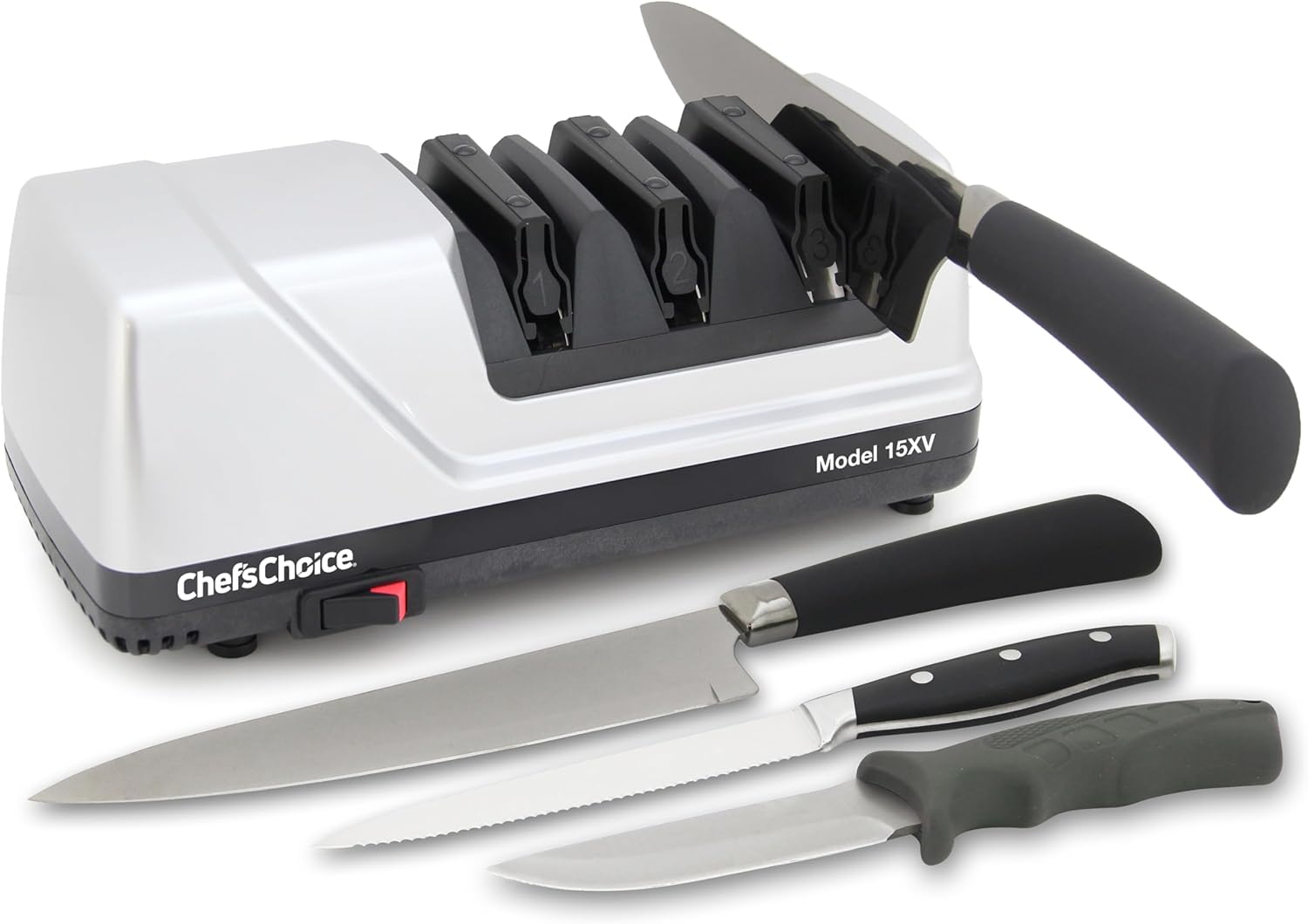
Mid-Range ($50–$100): This is the sweet spot for most home cooks. You’ll find well-built electric and manual sharpeners with multiple stages, angle guides, and durable components. Models like the Chef’sChoice Trizor XV or Work Sharp Culinary E2 offer excellent performance for the price. They’re fast, reliable, and designed for regular use. Best for: families, frequent entertainers, and owners of mid-to-high-end cutlery.
Premium ($100–$200): These sharpeners are built for enthusiasts and serious home chefs. They often feature advanced angle control, high-quality abrasives, and robust construction. Guided whetstone systems and professional-grade electric models fall into this category. They deliver razor-sharp edges and long-term durability. Best for: culinary hobbyists, collectors, and those who value precision.
Luxury ($200+): At this level, you’re paying for top-tier materials, craftsmanship, and innovation. These sharpeners may include digital angle readouts, interchangeable stones, or proprietary sharpening technologies. They’re often used by professionals or serious collectors. While overkill for most, they offer unparalleled performance and longevity. Best for: professionals, knife aficionados, and those who treat sharpening as an art form.
Expert Tips for Getting the Best Deal
- Shop During Seasonal Sales: Major retailers like Amazon, Williams Sonoma, and Sur La Table often run discounts during Black Friday, Prime Day, and holiday seasons. Sign up for newsletters to get early access to deals.
- Buy Direct from Manufacturers: Brands like Work Sharp and Chef’sChoice frequently offer exclusive bundles, extended warranties, or free shipping when you purchase directly from their websites.
- Check for Refurbished Models: Many manufacturers sell certified refurbished sharpeners at 20–40% off. These are tested, cleaned, and often come with the same warranty as new units.
- Read Return Policies Carefully: Ensure the retailer offers a generous return window (30 days or more) in case the sharpener doesn’t meet your expectations. Some online sellers have restocking fees, so confirm before buying.
- Look for Bundles: Some sharpeners come with free whetstones, honing rods, or knife guards. These add-ons can increase the overall value and reduce future expenses.
- Test Before You Buy: If shopping in-store, ask to see a demonstration. Feel the weight, check the stability, and observe how the knife moves through the slots. A hands-on test can reveal flaws not visible in photos.
- Consider Long-Term Costs: Factor in the cost of replacement parts, maintenance, and potential knife damage. A cheaper sharpener that ruins your knives isn’t a bargain.
- Use Cashback and Rewards: Platforms like Rakuten, Honey, or credit card rewards can add 2–10% back on your purchase. Combine these with sales for maximum savings.
Frequently Asked Questions
Q: Can I use a chef’s knife sharpener on steak knives?
A: It depends. If the sharpener has adjustable slots or clamps that securely hold thinner blades, yes. However, many pull-through sharpeners are designed for thicker chef’s knives and may not grip steak knives properly, leading to uneven sharpening. Always check compatibility before use.
Q: How often should I sharpen my steak knives?
A: For regular home use, sharpening every 6–12 months is usually sufficient. However, if you notice the knives struggling to cut through meat or tearing instead of slicing, it’s time for a touch-up. Honing with a steel rod weekly can extend the time between full sharpenings.
Q: Are electric sharpeners safe for expensive steak knives?
A: Yes, if used correctly. High-quality electric sharpeners with multiple stages and precise angle control are safe for premium knives. Avoid cheap models that remove too much metal. Always follow the manufacturer’s instructions and use the appropriate stage for your knife’s condition.
Q: Can I sharpen serrated steak knives?
A: Most standard sharpeners cannot handle serrated edges. Look for models with a dedicated serrated knife slot or use a ceramic rod to manually sharpen each serration. Some electric sharpeners, like the Chef’sChoice models, include a serrated knife setting.
Q: What’s the difference between sharpening and honing?
A: Sharpening removes metal to create a new edge, while honing realigns the existing edge without removing material. Honing should be done regularly (weekly or before important meals), while sharpening is needed less frequently.
Q: Do I need to lubricate whetstones?
A: It depends on the stone type. Water stones require soaking in water for 5–10 minutes before use. Oil stones need a few drops of honing oil. Diamond plates and ceramic stones typically don’t require lubrication but should be cleaned regularly.
Q: Can a sharpener fix a chipped steak knife?
A: Yes, but it depends on the severity. Minor chips can often be repaired with a coarse sharpening stage. Deep chips may require professional repair or reshaping. Avoid forcing a chipped blade through a fine-grit stage, as this can worsen the damage.
Q: How do I know if my sharpener is working?
A: Test the edge by slicing through a ripe tomato or piece of paper. A sharp knife should cut cleanly without tearing. You can also perform a “nail test”—a sharp edge will catch slightly when drawn lightly across your thumbnail.
Q: Are there eco-friendly sharpeners?
A: Yes. Some brands use sustainable materials, recyclable packaging, and long-lasting components to reduce waste. Look for sharpeners with replaceable parts to minimize environmental impact.
Q: Can I sharpen knives with a honing rod instead?
A: A honing rod maintains an edge but cannot sharpen a truly dull blade. It’s best used between full sharpenings to keep the edge aligned. For significant dullness, a proper sharpener is required.
Our Final Recommendations
Best for Budget-Conscious Buyers: AccuSharp 001 Knife Sharpener – At under $20, this manual pull-through sharpener offers surprising effectiveness for the price. It uses tungsten carbide blades to quickly restore a sharp edge and is compact enough to store in a drawer. While it lacks angle adjustability, it’s perfect for occasional use and basic maintenance.
Best Overall Value: Chef’sChoice Trizor XV EdgeSelect 15 – Priced around $100, this electric sharpener delivers professional-grade results with three stages of sharpening and a 15-degree angle perfect for modern steak knives. It’s fast, reliable, and built to last, making it ideal for most home cooks.
Best Premium Option: Work Sharp Culinary E5 – At $150, this guided whetstone system offers unmatched precision and control. It includes multiple abrasives and a magnetic angle guide, allowing you to customize the edge to your preference. Perfect for enthusiasts who want salon-quality results at home.
Best for Beginners: Wüsthof Precision Sharpener – This manual system uses preset angles and a simple pull-through mechanism, making it foolproof for first-time users. It’s designed specifically for Wüsthof knives but works well with other European-style steak knives. Includes a honing stage for finishing.
Best for Advanced Users: Shapton Pro 10,000 Grit Whetstone – For those who prefer freehand sharpening, this high-grit stone delivers a mirror finish and razor edge. Paired with a flattening stone and angle guide, it’s the ultimate tool for knife connoisseurs who enjoy the art of sharpening.
Conclusion: Making the Right Choice
Choosing the best sharpener for your steak knives isn’t just about restoring an edge—it’s about preserving the integrity, performance, and longevity of your cutlery. A well-maintained knife enhances every meal, turning routine dining into a refined experience. Throughout this guide, we’ve explored the key factors that matter most: angle compatibility, sharpener type, build quality, ease of use, and long-term value. We’ve compared different technologies, highlighted common pitfalls, and offered actionable advice to help you avoid costly mistakes.
The right sharpener depends on your lifestyle, skill level, and how much you value your knives. If you’re a busy parent hosting weekly dinners, an electric model might be your best bet. If you’re a weekend chef who enjoys the ritual of sharpening, a guided whetstone system could be more fulfilling. Whatever your preference, prioritize quality over convenience and invest in a tool that will serve you well for years.
Remember, a sharp knife is a safe knife. Dull blades require more force, increasing the risk of slips and accidents. By keeping your steak knives in peak condition, you’re not only improving your culinary experience but also ensuring safety at the table. Take the time to evaluate your needs, read reviews, and choose a sharpener that aligns with your goals.
Now that you’re armed with expert knowledge, it’s time to make your decision. Don’t wait until your knives are hopelessly dull—act now to protect your investment and elevate your dining experience. Whether you choose a budget-friendly option or a premium system, the right sharpener will keep your steak knives slicing like new, meal after meal.