Yes, an electric kettle can start a fire—but it’s rare and usually preventable. Most incidents happen due to misuse, faulty wiring, or leaving the kettle unattended. With proper care and awareness, you can safely enjoy your kettle every day.
Key Takeaways
- Electric kettles can cause fires if they malfunction, are misused, or left unattended near flammable materials.
- Overheating is a major risk when kettles boil dry or have faulty thermostats that fail to shut off automatically.
- Faulty wiring or damaged cords increase the chance of electrical sparks or short circuits that may ignite nearby objects.
- Placement matters—never place your kettle near curtains, paper, or other flammable items.
- Regular maintenance helps prevent accidents, including checking for mineral buildup, frayed cords, and proper plug connections.
- Modern kettles have safety features like auto shut-off and boil-dry protection, but they aren’t foolproof.
- Unattended use is dangerous—always stay nearby when your kettle is in use, especially with older models.
📑 Table of Contents
- Can an Electric Kettle Start a Fire? The Truth Behind the Steam
- How Do Electric Kettles Work?
- Can an Electric Kettle Actually Start a Fire?
- Real-Life Examples of Kettle Fires
- Safety Features That Reduce Fire Risk
- How to Prevent a Fire Caused by Your Electric Kettle
- What to Do If Your Kettle Starts Smoking or Sparks
- Myths vs. Facts About Electric Kettle Fires
- Conclusion: Stay Safe, Stay Smart
Can an Electric Kettle Start a Fire? The Truth Behind the Steam
You’ve probably boiled water in an electric kettle hundreds of times without a second thought. It’s quick, convenient, and part of your daily routine—morning tea, instant coffee, or even instant noodles. But have you ever stopped to wonder: *Can an electric kettle start a fire?*
It’s not a question most people ask, but it’s an important one. While electric kettles are generally safe and designed with multiple safety features, they are electrical appliances that generate heat and use electricity—two elements that, under the right (or wrong) conditions, can lead to fire hazards.
The good news? Fires caused by electric kettles are rare. But they do happen. And when they do, the consequences can be serious. According to fire safety reports, kitchen appliances—including kettles—are among the top causes of household fires. Most of these incidents aren’t due to random malfunctions, but rather a combination of user error, poor maintenance, and outdated or damaged equipment.
So, while your kettle isn’t a ticking time bomb, it’s smart to understand the risks and how to minimize them. In this article, we’ll explore how electric kettles can potentially start a fire, what causes these incidents, and—most importantly—how you can use your kettle safely every single day.
How Do Electric Kettles Work?
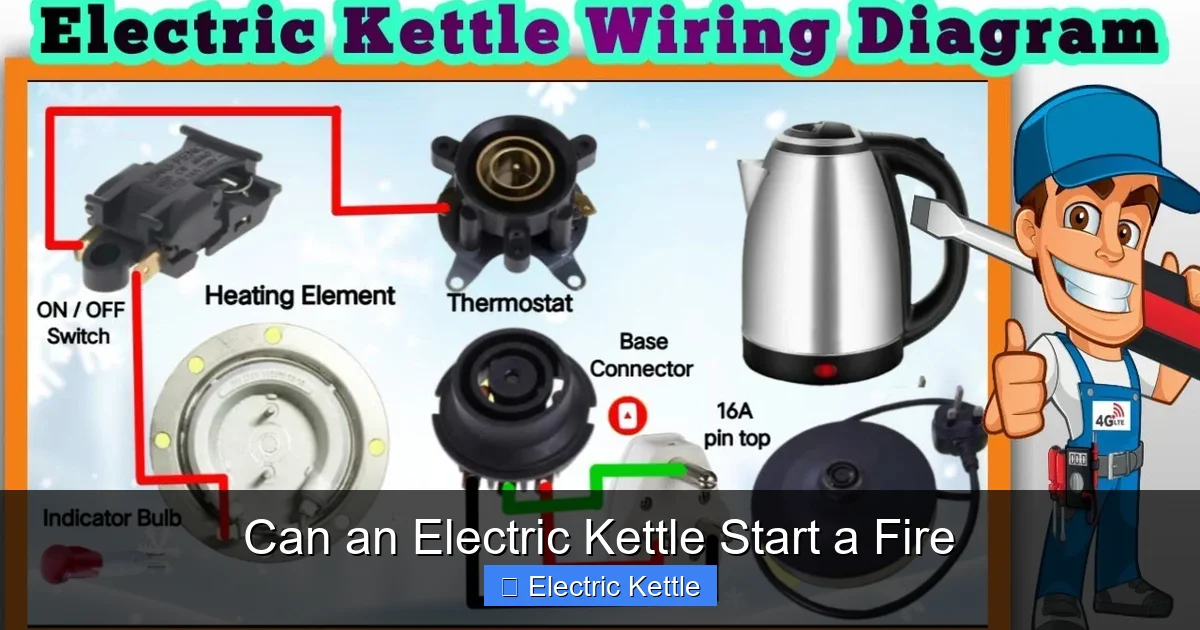
Visual guide about Can an Electric Kettle Start a Fire
Image source: i.ytimg.com
Before we dive into fire risks, let’s quickly understand how electric kettles function. Knowing the basics helps you appreciate where things can go wrong.
An electric kettle heats water using an internal heating element, usually located at the base of the unit. When you plug it in and press the switch, electricity flows through this element, turning electrical energy into heat. The water absorbs this heat until it reaches boiling point—typically around 100°C (212°F) at sea level.
Most modern kettles come with a built-in thermostat that automatically shuts off the heating element once the water boils. This prevents overheating and saves energy. Some models also have boil-dry protection, which cuts power if the kettle is turned on without water.
Key Components That Affect Safety
Several parts of your kettle play a role in its safety:
- Heating element: Gets extremely hot. If exposed or malfunctioning, it can ignite nearby materials.
- Thermostat: Monitors temperature and turns off the kettle when water boils. A faulty thermostat may fail to shut off, leading to overheating.
- Power cord and plug: Damaged wiring can cause sparks or short circuits.
- Base and housing: Should be heat-resistant and stable. Cracks or warping can expose internal parts.
- Auto shut-off mechanism: A critical safety feature. If it fails, the kettle may continue heating indefinitely.
Understanding these components helps you see how a small issue—like a frayed cord or a stuck thermostat—can escalate into a dangerous situation.
Can an Electric Kettle Actually Start a Fire?
Now for the big question: *Can an electric kettle start a fire?* The short answer is yes—but it’s not common, and it usually happens under specific conditions.
Most kettle-related fires occur not because the kettle itself is inherently dangerous, but because of how it’s used or maintained. Let’s look at the main scenarios where a fire could start.
1. Boiling Dry (Dry Boiling)
One of the most common causes of kettle fires is boiling dry—running the kettle when there’s no water inside.
Water acts as a coolant for the heating element. When the kettle is empty, the element heats up rapidly with nothing to absorb the heat. Temperatures can soar beyond safe limits, damaging internal components and potentially melting plastic parts or igniting nearby materials.
For example, imagine you fill your kettle halfway, start it, then get distracted by a phone call. You forget about it, and the water boils off completely. If your kettle lacks boil-dry protection, the heating element keeps running. The plastic housing or base could warp, melt, or even catch fire—especially if it’s near a paper towel, dishcloth, or wooden countertop.
2. Faulty or Damaged Wiring
Electrical faults are another major fire risk. Over time, the power cord of your kettle can become frayed, cracked, or damaged—especially if it’s frequently bent, pulled, or placed near heat sources.
A damaged cord can expose live wires, leading to sparks or short circuits. If these sparks land on flammable materials like paper, fabric, or grease, they can ignite a fire.
This risk increases with older kettles or those with poor build quality. Cheap models may use substandard wiring or insulation that degrades faster.
3. Overheating Due to Thermostat Failure
The thermostat is your kettle’s brain. It tells the heating element when to turn off. But if it fails, the kettle may not shut off automatically—even after the water has boiled away.
This can lead to sustained high temperatures inside the kettle. Plastic components may melt, releasing toxic fumes and increasing the risk of fire. In extreme cases, the heating element itself could overheat to the point of combustion.
Thermostat failure is more likely in older kettles or those exposed to hard water, which causes mineral buildup that interferes with sensors.
4. Placement Near Flammable Materials
Even a perfectly functioning kettle can become a fire hazard if placed incorrectly.
Imagine your kettle is sitting on a wooden countertop, right next to a roll of paper towels or a dish towel. If the kettle overheats or a spark occurs, these materials can catch fire quickly.
Similarly, placing a kettle under a cabinet or near curtains increases risk. Heat can build up in enclosed spaces, and flammable items may ignite without you noticing.
5. Using the Kettle Unattended
Many people leave their kettles on while they step away—maybe to check the mail, answer a text, or tend to a child. While this seems harmless, it’s a risky habit.
If something goes wrong—like a power surge, thermostat failure, or boil-dry situation—you won’t be there to react. A few minutes of inattention can be all it takes for a small issue to become a serious fire.
Real-Life Examples of Kettle Fires
To understand the real risks, let’s look at a few documented cases.
In 2019, a family in the UK reported a kitchen fire that started when their electric kettle boiled dry. The kettle, an older model without auto shut-off, overheated and melted its plastic base. The melted plastic dripped onto a wooden countertop, igniting it. The fire spread to nearby cabinets before being extinguished.
In another case, a woman in Australia left her kettle on while she went to another room. A power surge caused the thermostat to fail, and the kettle continued heating. The cord overheated, sparked, and ignited a nearby tea towel. The fire was contained, but it caused significant smoke damage.
These incidents highlight a common theme: most kettle fires are preventable. They occur due to a combination of human error, lack of maintenance, and outdated or damaged equipment.
Safety Features That Reduce Fire Risk
Thankfully, modern electric kettles are designed with safety in mind. Manufacturers have added several features to reduce the risk of fire and injury.
Auto Shut-Off
This is the most important safety feature. Once the water reaches boiling point, the thermostat triggers the kettle to turn off automatically. This prevents overheating and reduces the risk of boil-dry incidents.
Most kettles made in the last 10–15 years include this feature. However, it’s not foolproof—especially if the thermostat is damaged or clogged with mineral deposits.
Boil-Dry Protection
Some kettles go a step further with boil-dry protection. Sensors detect when there’s no water in the kettle and cut power before the heating element gets too hot.
This feature is especially useful if you tend to forget about your kettle or have hard water that causes buildup.
Overheat Protection
Advanced models include thermal fuses or cut-off switches that activate if the internal temperature exceeds safe limits—even if the thermostat fails.
These components act as a last line of defense, shutting down the kettle during extreme overheating.
Cool-Touch Exterior
Many kettles now have double-walled or insulated bodies that stay cool to the touch, even when the water inside is boiling. This reduces the risk of burns and prevents heat from transferring to nearby surfaces.
Stable Base and Cordless Design
Cordless kettles sit on a separate base, reducing the chance of tripping over the cord or pulling the kettle off the counter. A stable base also minimizes tipping, which could spill hot water or damage the unit.
How to Prevent a Fire Caused by Your Electric Kettle
Now that you know the risks and safety features, let’s talk prevention. Here’s how you can use your electric kettle safely and reduce the chance of a fire.
1. Never Leave Your Kettle Unattended
This is rule number one. Always stay in the kitchen (or nearby) while your kettle is heating. If you need to step away, turn it off first.
Even with auto shut-off, unexpected issues can arise. Being nearby allows you to react quickly if something goes wrong.
2. Check for Damage Regularly
Inspect your kettle and cord weekly. Look for:
- Frayed or cracked cords
- Burn marks or discoloration
- Loose plugs or wobbly connections
- Cracks in the body or base
If you notice any damage, stop using the kettle immediately and replace it.
3. Keep It Clean and Descale Regularly
Mineral buildup from hard water can interfere with sensors and heating elements. Over time, this can cause overheating or thermostat failure.
Use a descaling solution or a mixture of vinegar and water to clean your kettle every 1–2 months, depending on water hardness.
4. Place It Safely
Always place your kettle on a flat, heat-resistant surface—away from edges, curtains, paper, or flammable materials.
Avoid placing it under cabinets or near walls where heat can build up.
5. Don’t Overfill or Underfill
Most kettles have minimum and maximum water level markings. Never go below the minimum—this increases the risk of boil-dry. Overfilling can cause water to spill into the base, damaging electrical components.
6. Use a Surge Protector
Power surges can damage sensitive electronics in your kettle. Plug it into a surge protector to guard against voltage spikes.
7. Replace Old or Faulty Kettles
If your kettle is more than 5–7 years old, or if it has a history of malfunctions, consider replacing it. Newer models have better safety features and are less likely to fail.
8. Never Operate a Kettle Without Water
Even for a few seconds, running an empty kettle can damage the heating element and increase fire risk. Always ensure there’s enough water before turning it on.
What to Do If Your Kettle Starts Smoking or Sparks
Despite your best efforts, emergencies can happen. Here’s what to do if your kettle shows signs of trouble.
If You See Smoke or Smell Burning
- Unplug the kettle immediately.
- Do not open the lid—this could introduce oxygen and fuel a fire.
- Move it away from flammable materials if you can do so safely.
- Use a fire extinguisher or baking soda to smother small flames. Never use water—it can cause electrical shock or spread the fire.
- Call emergency services if the fire spreads.
If the Cord Sparks or Smokes
- Unplug it from the wall—do not touch the kettle itself.
- Turn off the power at the circuit breaker if safe to do so.
- Do not attempt to repair it yourself. Replace the kettle.
After an Incident
Even if the fire is small and contained, have your kettle inspected by a professional or replace it. Internal damage may not be visible but could pose future risks.
Myths vs. Facts About Electric Kettle Fires
There’s a lot of misinformation out there. Let’s clear up some common myths.
Myth: “Electric kettles can’t start fires because they turn off automatically.”
Fact: While auto shut-off reduces risk, it’s not 100% reliable. Faulty thermostats, power surges, or mineral buildup can cause failure.
Myth: “Only cheap kettles are dangerous.”
Fact: Even high-end kettles can malfunction. However, cheaper models are more likely to have poor wiring or weak safety features.
Myth: “If it’s plugged in, it’s safe.”
Fact: A plugged-in kettle can still pose risks—especially if the cord is damaged or the outlet is faulty.
Myth: “Water will always prevent overheating.”
Fact: If the water boils off completely, the heating element can overheat rapidly—even in seconds.
Conclusion: Stay Safe, Stay Smart
So, can an electric kettle start a fire? Yes—but it’s unlikely if you use it responsibly and maintain it properly.
Electric kettles are among the safest kitchen appliances when used correctly. They’re designed with multiple safety features, and most users never experience a problem. However, like any electrical device, they require attention and care.
The key to preventing a fire is awareness. Know the risks, inspect your kettle regularly, and never leave it unattended. Keep it clean, place it safely, and replace it when it shows signs of wear.
By following these simple steps, you can enjoy your morning tea or coffee with peace of mind—knowing your kettle is working safely and efficiently.
Remember: a little caution goes a long way. Your kettle is a helpful tool, not a hazard—as long as you treat it with respect.
Frequently Asked Questions
Can an electric kettle catch fire if left on?
Yes, if it boils dry or has a faulty thermostat, an electric kettle can overheat and potentially start a fire. Modern kettles with auto shut-off reduce this risk, but they aren’t foolproof.
How common are electric kettle fires?
Electric kettle fires are rare but do happen. Most are caused by user error, such as leaving the kettle unattended or using a damaged unit.
What should I do if my kettle smells like burning?
Unplug it immediately, move it away from flammable materials, and do not open the lid. Use a fire extinguisher if needed and replace the kettle.
Can hard water cause my kettle to catch fire?
Not directly, but mineral buildup can interfere with sensors and thermostats, leading to overheating or failure of safety features.
Is it safe to use an electric kettle overnight?
No. Never leave a kettle plugged in or heating unattended, especially overnight. Always turn it off and unplug when not in use.
How often should I clean my electric kettle?
Clean and descale your kettle every 1–2 months, depending on water hardness, to prevent buildup and maintain safe operation.