Yes, Bialetti electric ceramic kettles can be recycled—but not in your regular curbside bin. These kettles combine ceramic, metal, and electrical components, requiring specialized recycling methods. With the right approach, you can ensure your old kettle is responsibly processed, reducing environmental impact and supporting a circular economy.
Key Takeaways
- Ceramic bodies are recyclable through specialty ceramic or construction material recycling programs, though not all facilities accept them.
- Metal parts like heating elements and screws can be separated and recycled with scrap metal services.
- Electrical components require e-waste recycling due to circuit boards, wires, and internal electronics.
- Check local e-waste and appliance recycling centers for drop-off options that accept small kitchen appliances.
- Donation or resale is a great alternative if the kettle is still functional—extend its life before recycling.
- Bialetti does not offer a take-back program, so consumers must seek third-party recycling solutions.
- Proper disassembly improves recycling efficiency—separate materials before disposal to maximize recovery.
📑 Table of Contents
- Can Bialetti Electric Ceramic Kettles Be Recycled?
- Understanding the Materials in Bialetti Electric Ceramic Kettles
- Why Recycling Bialetti Kettles Isn’t Always Straightforward
- How to Recycle Your Bialetti Electric Ceramic Kettle
- Alternative Options: Reuse, Donate, or Upcycle
- The Environmental Impact of Recycling vs. Landfilling
- Tips for Future Purchases: Choosing Recyclable Appliances
- Conclusion
Can Bialetti Electric Ceramic Kettles Be Recycled?
If you’ve recently upgraded your kitchen setup or your trusty Bialetti electric ceramic kettle has finally given up the ghost, you might be wondering: *Can I recycle this?* It’s a great question—one that reflects growing awareness about sustainable living and responsible consumer habits. The short answer is yes, Bialetti electric ceramic kettles can be recycled, but it’s not as simple as tossing them in your blue bin. These kettles are made from a mix of materials—ceramic, metal, plastic, and electronic components—each requiring different recycling pathways.
Unlike a plain ceramic mug or a stainless steel pot, electric kettles are hybrid appliances. They combine aesthetic design with functional engineering, which means their end-of-life disposal needs a bit more thought. Bialetti, known for its Italian craftsmanship and stylish kitchenware, designs its electric ceramic kettles to be both beautiful and durable. But when they reach the end of their lifespan, the question of recycling becomes important—not just for environmental reasons, but also for resource conservation.
In this guide, we’ll walk you through everything you need to know about recycling your Bialetti electric ceramic kettle. From understanding its material composition to finding the right recycling centers, we’ll cover practical steps, common misconceptions, and eco-friendly alternatives. Whether you’re a sustainability enthusiast or just trying to do the right thing, this article will help you make an informed decision.
Understanding the Materials in Bialetti Electric Ceramic Kettles
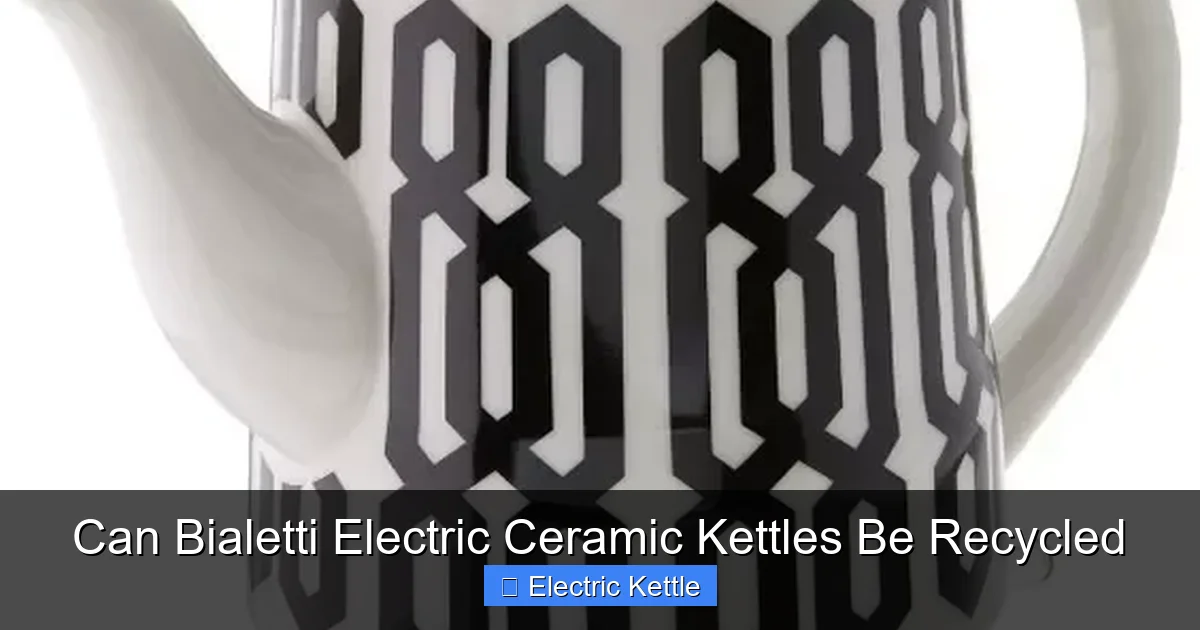
Visual guide about Can Bialetti Electric Ceramic Kettles Be Recycled
Image source: irrorwxhiqijjr5q.ldycdn.com
To recycle your Bialetti electric ceramic kettle effectively, it helps to know what it’s made of. These kettles are not single-material products. Instead, they’re a blend of components, each with its own recycling potential and challenges.
Ceramic Body
The most visible part of the kettle is its ceramic exterior. Bialetti uses high-quality ceramic that’s both heat-resistant and visually appealing. Ceramic is made from natural clay fired at high temperatures, and while it’s durable and long-lasting, it’s not always accepted in standard recycling streams. Most municipal recycling programs focus on glass, plastic, and metal—not ceramics. However, some specialized facilities can recycle ceramic materials, often repurposing them into construction aggregates or new ceramic products.
Metal Components
Inside the kettle, you’ll find metal parts such as the heating element, screws, and possibly a metal base or lid. These are typically made from stainless steel or aluminum—both of which are highly recyclable. Scrap metal recyclers can process these materials efficiently, melting them down to create new metal products. The key is separating them from the ceramic and plastic parts.
Electrical and Electronic Parts
This is where things get tricky. The kettle contains a power cord, internal wiring, a thermostat, and possibly a small circuit board. These components fall under the category of electronic waste (e-waste). E-waste contains valuable metals like copper and gold, but also potentially harmful substances like lead and mercury. Because of this, electrical components must be handled by certified e-waste recyclers to ensure safe and responsible processing.
Plastic Elements
Some models may include plastic handles, buttons, or internal insulation. These plastics vary in type (e.g., ABS, polycarbonate) and may or may not be recyclable depending on local facilities. In many cases, small plastic parts are too contaminated or mixed with other materials to be recycled conventionally.
Understanding these components is the first step toward responsible disposal. The more you can separate the materials, the better the chances of successful recycling.
Why Recycling Bialetti Kettles Isn’t Always Straightforward
Despite the recyclability of individual components, recycling a Bialetti electric ceramic kettle isn’t always easy. There are several reasons why these appliances don’t fit neatly into standard recycling systems.
Lack of Standardized Recycling for Mixed Materials
Most recycling programs are designed for single-material items—like aluminum cans or glass bottles. When materials are fused together, as they are in an electric kettle, the recycling process becomes more complex. For example, the ceramic body is often bonded to a metal base, making separation difficult without specialized tools.
No Manufacturer Take-Back Program
Unlike some electronics brands that offer mail-in recycling or in-store drop-offs, Bialetti does not currently provide a take-back program for its kettles. This means consumers are responsible for finding recycling solutions on their own. While the company emphasizes durability and longevity in its products, it doesn’t extend that philosophy to end-of-life management.
Limited Access to Specialty Recycling Centers
Not all communities have access to facilities that can handle ceramic or e-waste recycling. Rural areas, in particular, may lack nearby drop-off points. Even in cities, e-waste collection events or appliance recycling centers may not accept small kitchen items, focusing instead on larger electronics like TVs or computers.
Consumer Confusion and Misinformation
Many people assume that because a product looks “natural” or “eco-friendly” (like ceramic), it must be easily recyclable. But that’s not always true. Without clear labeling or guidance, consumers may end up throwing their kettles in the trash, where they’ll likely end up in a landfill.
These challenges highlight the need for better infrastructure and consumer education. But even with these barriers, there are still ways to recycle your Bialetti kettle responsibly.
How to Recycle Your Bialetti Electric Ceramic Kettle
Now that we understand the materials and challenges, let’s talk about what you can do. Recycling your Bialetti electric ceramic kettle is possible—it just takes a little effort and planning. Here’s a step-by-step guide to help you through the process.
Step 1: Assess the Kettle’s Condition
Before recycling, ask yourself: *Is this kettle still usable?* If it’s in working condition, consider donating it to a local charity, thrift store, or community center. Even if it has minor cosmetic flaws, someone else might appreciate a free or low-cost appliance. Extending the product’s life is the most sustainable option.
If the kettle is broken beyond repair, move on to recycling.
Step 2: Disassemble the Kettle (If Possible)
Carefully take apart the kettle to separate its components. Use a screwdriver to remove the baseplate and access internal parts. Remove the power cord, heating element, and any plastic or metal pieces. Keep in mind that some parts may be glued or tightly fitted—don’t force anything that seems permanently attached.
Wear gloves and work in a well-ventilated area, especially if you’re handling old wiring or insulation.
Step 3: Sort Materials by Type
Once disassembled, sort the parts into categories:
– Ceramic body
– Metal components (heating element, screws, base)
– Electrical parts (wires, circuit board, plug)
– Plastic pieces (handle, buttons)
This makes it easier to recycle each material correctly.
Step 4: Find the Right Recycling Options
Now, match each material to the appropriate recycling stream:
– **Ceramic**: Contact local waste management or search for ceramic recycling programs. Some cities have construction and demolition recycling centers that accept ceramics. Alternatively, consider upcycling—use the ceramic body as a planter or decorative item.
– **Metal**: Take metal parts to a scrap metal recycler. Many auto shops or metal yards accept small amounts of stainless steel or aluminum. You might even get a small refund.
– **Electrical Components**: These belong in e-waste recycling. Use tools like Earth911’s recycling locator or Call2Recycle to find certified e-waste drop-off points near you. Retailers like Best Buy or Staples often accept small electronics for recycling.
– **Plastic**: Check with your local recycling program. If they don’t accept mixed or small plastics, consider TerraCycle’s Zero Waste Box for hard-to-recycle items.
Step 5: Drop Off or Schedule a Pickup
Once you’ve sorted everything, take the materials to the appropriate facilities. Some e-waste centers offer free drop-offs, while others may charge a small fee. If you have a large amount of e-waste, some services provide pickup options.
Keep receipts or confirmation emails as proof of responsible disposal, especially if you’re tracking your environmental impact.
Alternative Options: Reuse, Donate, or Upcycle
Recycling is great, but it’s not the only way to reduce waste. Before you disassemble your Bialetti kettle, consider these creative alternatives.
Donate It
If the kettle still works, donate it to a local shelter, school, or community kitchen. Organizations like Goodwill, The Salvation Army, or Habitat for Humanity ReStore often accept small appliances. Even if it’s not perfect, it could be a lifesaver for someone in need.
Sell or Give It Away
Platforms like Facebook Marketplace, Craigslist, or Freecycle let you list used items for free or at a low cost. You might be surprised how many people are looking for affordable kitchen gadgets.
Upcycle the Ceramic Body
The ceramic jug itself can be transformed into a unique household item. Here are a few ideas:
– Turn it into a self-watering planter by adding a wick and soil.
– Use it as a stylish storage container for utensils, pens, or craft supplies.
– Paint it and use it as a decorative vase or candle holder.
Upcycling gives the kettle a second life without requiring industrial recycling.
Repair Instead of Replace
Sometimes, a kettle stops working due to a simple issue—like a faulty cord or thermostat. Before recycling, check if it can be repaired. Look for local appliance repair shops or search online for replacement parts. Fixing it extends its lifespan and saves resources.
These alternatives not only reduce waste but also foster creativity and community sharing.
The Environmental Impact of Recycling vs. Landfilling
Why go through all this trouble to recycle your kettle? The answer lies in the environmental cost of landfilling versus recycling.
When a Bialetti electric ceramic kettle ends up in a landfill, several things happen:
– The ceramic body can take hundreds of years to break down, if ever.
– Metal components may corrode, potentially leaching heavy metals into soil and water.
– Electrical parts can release toxic substances like lead and cadmium as they degrade.
– The energy and resources used to manufacture the kettle are effectively wasted.
In contrast, recycling recovers valuable materials and reduces the need for virgin resource extraction. For example:
– Recycling aluminum saves up to 95% of the energy required to produce new aluminum.
– Recovering copper from wires reduces mining impacts.
– Repurposing ceramic reduces demand for new clay and firing processes.
Moreover, responsible recycling supports the circular economy—a system where products are designed for reuse, repair, and recycling, minimizing waste and maximizing resource efficiency.
By recycling your Bialetti kettle, you’re not just disposing of an old appliance—you’re contributing to a larger movement toward sustainability.
Tips for Future Purchases: Choosing Recyclable Appliances
Once you’ve recycled your old kettle, you might be thinking about your next purchase. Here are some tips to help you choose more sustainable, recyclable appliances in the future.
Look for Modular Design
Appliances that are easy to disassemble—with screws instead of glue—are easier to recycle. Check product descriptions or contact manufacturers to ask about repairability and recyclability.
Choose Durable Materials
Opt for products made from high-quality, long-lasting materials like stainless steel or ceramic. These not only last longer but are also more likely to be recyclable.
Support Brands with Take-Back Programs
Some companies, like Apple or Dell, offer recycling programs for their products. While Bialetti doesn’t currently have one, supporting brands that do encourages industry-wide change.
Check for Certifications
Look for labels like Energy Star, EPEAT, or TCO Certified, which indicate environmental responsibility. These certifications often include criteria for recyclability and reduced toxicity.
Buy Secondhand When Possible
Consider purchasing refurbished or used appliances. This reduces demand for new manufacturing and keeps functional items out of landfills.
Making informed choices now can make recycling easier—and more effective—in the future.
Conclusion
So, can Bialetti electric ceramic kettles be recycled? Absolutely—but it requires a bit of effort and knowledge. These kettles are made from a mix of ceramic, metal, plastic, and electronic parts, each needing a different recycling approach. While there’s no one-stop solution, you can responsibly dispose of your kettle by disassembling it, sorting the materials, and using the right recycling channels.
From donating a working kettle to upcycling the ceramic body, there are many ways to reduce waste and extend the product’s life. And by choosing sustainable appliances in the future, you can make recycling even easier.
Recycling isn’t always convenient, but it’s worth it. Every small action adds up. By taking the time to recycle your Bialetti kettle properly, you’re helping protect the planet, conserve resources, and support a healthier, more sustainable world.
Frequently Asked Questions
Can I put my Bialetti electric ceramic kettle in my regular recycling bin?
No, you should not put your Bialetti kettle in your curbside recycling bin. It contains mixed materials—ceramic, metal, and electronics—that require specialized recycling processes not handled by standard municipal programs.
Where can I recycle the electrical parts of my kettle?
Electrical components like wires and circuit boards should be taken to certified e-waste recycling centers. Use online tools like Earth911 or Call2Recycle to find drop-off locations near you.
Is the ceramic body of the kettle recyclable?
Yes, but not through regular recycling. Look for specialty ceramic or construction material recyclers. Some facilities repurpose ceramic into new products or use it as aggregate in construction.
Can I donate my broken Bialetti kettle?
If it’s not working, most donation centers won’t accept it. However, you can try repair shops or online communities that specialize in fixing small appliances.
Does Bialetti offer a recycling program for old kettles?
No, Bialetti does not currently offer a take-back or recycling program for its electric kettles. Consumers must use third-party recycling services.
What’s the best way to upcycle a ceramic kettle?
You can turn the ceramic body into a planter, storage container, or decorative item. Just clean it thoroughly and get creative—paint it, add a wick for watering plants, or use it as a vase.