
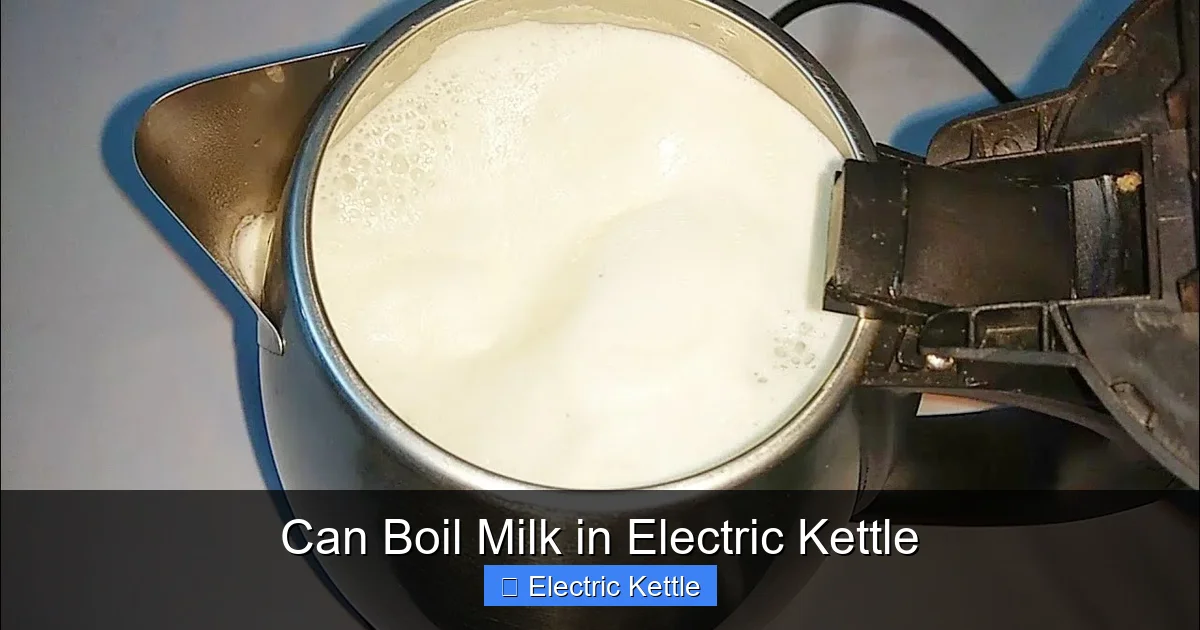
Boiling milk in an electric kettle is possible but comes with risks like scorching, overflow, and damage to the heating element. While some kettles can handle small amounts of milk, it’s generally not recommended by manufacturers due to cleaning challenges and potential long-term harm.
Key Takeaways
- Most electric kettles are designed for water, not milk: Milk contains fats, proteins, and sugars that can burn, stick, and clog the heating mechanism.
- Boiling milk can cause overflow and mess: Milk expands when heated and may foam up, leading to spills that can damage the kettle’s base or electrical components.
- Cleaning becomes difficult after boiling milk: Residue from milk can harden and leave stubborn stains or odors, reducing the kettle’s lifespan.
- Some modern kettles have milk-heating modes: A few advanced models include temperature controls or non-stick interiors that make milk heating safer.
- Alternative methods are often safer: Using a saucepan or microwave is usually more reliable and easier to clean than using an electric kettle for milk.
- Manufacturer guidelines should be followed: Always check your kettle’s user manual—many explicitly warn against using it for anything other than water.
- Small quantities may work with caution: If you must try, use minimal milk, stir frequently, and clean immediately to reduce risks.
[FEATURED_IMAGE_PLACEHOLDER]
Can You Boil Milk in an Electric Kettle? The Truth Explained
If you’ve ever stood in your kitchen with a craving for warm milk—maybe for a bedtime drink, a creamy coffee, or a soothing cup of golden turmeric milk—you might have wondered: *Can I just pop it in my electric kettle?* After all, it’s fast, convenient, and heats water in under five minutes. Why not milk?
It’s a fair question, and one that many people ask. The short answer? Technically, yes—you *can* boil milk in some electric kettles. But should you? That’s where things get complicated.
Electric kettles are engineered primarily for one purpose: heating water quickly and efficiently. Their heating elements, thermostats, and automatic shut-off features are calibrated for the predictable behavior of water. Milk, however, behaves very differently when heated. It contains proteins, fats, and sugars that react under high heat—often leading to scorching, foaming, and messy overflows. These reactions don’t just affect the taste and texture of your milk; they can also damage your kettle over time.
So while it might seem like a time-saving hack, boiling milk in an electric kettle comes with real risks. From clogged heating coils to lingering odors and even electrical malfunctions, the consequences can outweigh the convenience. In this article, we’ll dive deep into whether boiling milk in an electric kettle is safe, what types of kettles (if any) can handle it, how to do it properly if you choose to proceed, and what safer alternatives exist.
Whether you’re a busy parent, a student in a dorm, or just someone who loves a warm drink, this guide will help you make an informed decision—without sacrificing your appliance or your peace of mind.
How Electric Kettles Work and Why Milk Is Different
To understand why boiling milk in an electric kettle is risky, it helps to know how these appliances function. Most electric kettles use a submerged or concealed heating element—usually made of stainless steel or another heat-conductive metal—that rapidly heats the liquid inside. A thermostat monitors the temperature and automatically shuts off the kettle once the water reaches boiling point (around 212°F or 100°C at sea level). This process is fast, energy-efficient, and designed for water’s consistent thermal properties.
Water heats evenly, doesn’t foam, and doesn’t leave residue. Milk, on the other hand, is a complex emulsion of water, fat, protein (like casein and whey), lactose (milk sugar), and minerals. When heated, these components react in ways that water simply doesn’t.
Protein Denaturation and Scorching
One of the biggest issues with heating milk is protein denaturation. As milk heats up, the proteins begin to unfold and coagulate. If the temperature gets too high or the milk sits too long on a hot surface, these proteins can stick to the heating element or the sides of the kettle, forming a burnt, yellowish layer known as scorching. This not only affects the taste—giving your milk a bitter, burnt flavor—but also creates a sticky residue that’s hard to remove.
Scorching is especially common in kettles with exposed heating elements. Even in models with concealed elements, the heat can still transfer unevenly, creating hot spots where milk burns before the rest even warms up.
Foaming and Overflow
Another major concern is foaming. As milk heats, trapped air and steam cause it to foam and expand. Unlike water, which bubbles gently, milk can rise rapidly and overflow the kettle—especially if it’s filled too high. This overflow can drip down into the kettle’s base, potentially damaging the electrical components or causing short circuits. In worst-case scenarios, it could even pose a fire hazard.
This foaming effect is why many people have stories of their milk “exploding” out of a pot on the stove. The same thing can happen in an electric kettle, but with less control and visibility.
Lactose Caramelization
Lactose, the natural sugar in milk, begins to caramelize at high temperatures. This gives milk a slightly sweet, toasted flavor—but only if controlled. In an electric kettle, where temperature regulation is limited, lactose can burn quickly, leading to off-flavors and darkening of the milk. Over time, repeated caramelization can leave a sticky sugar residue inside the kettle, attracting bacteria and making cleaning even harder.
Cleaning Challenges
After boiling milk, cleaning the kettle becomes a chore. Milk residue can harden and stick to the interior, especially around the heating element. Even with thorough rinsing, odors may linger, and over time, these residues can degrade the kettle’s interior lining or affect future brews if you use the kettle for tea or coffee.
Some kettles have removable filters or wide openings that make cleaning easier, but most aren’t designed to handle the sticky, protein-rich aftermath of heated milk.
Types of Electric Kettles and Their Compatibility with Milk
Not all electric kettles are created equal—and some are better suited (or at least more tolerant) to handling milk than others. Understanding the design and features of your kettle can help you assess whether boiling milk is a viable option.
Standard Electric Kettles (Water-Only Models)
The majority of electric kettles on the market are designed exclusively for water. These models typically have a simple heating mechanism, a basic thermostat, and a stainless steel or plastic interior. They lack temperature control beyond boiling and often have narrow spouts and small openings that make cleaning difficult.
For these kettles, boiling milk is strongly discouraged. The risk of scorching, overflow, and damage is high. Even if you manage to heat a small amount of milk without incident, repeated use can degrade the kettle’s performance and shorten its lifespan.
Temperature-Controlled Kettles
Some premium electric kettles come with variable temperature settings—ideal for brewing different types of tea or coffee. These models allow you to select specific temperatures (e.g., 160°F for green tea, 185°F for white tea, 200°F for black tea).
While not specifically designed for milk, these kettles offer more control over heating, which can reduce the risk of scorching. If you choose to heat milk in one, setting it to a lower temperature (around 150–170°F) and stirring frequently can help prevent burning. However, even with temperature control, milk can still foam and overflow, so caution is still required.
Kettles with Non-Stick or Ceramic Interiors
A few electric kettles feature non-stick coatings or ceramic interiors, which are easier to clean and less prone to sticking. These materials can reduce the risk of milk residue buildup, making them slightly more suitable for occasional milk heating.
However, non-stick coatings can degrade over time, especially with abrasive cleaning or high heat. If the coating begins to wear, it may release harmful chemicals—particularly if overheated. Always check the manufacturer’s guidelines before using such kettles for anything other than water.
Specialty Milk Kettles or Multi-Function Appliances
Some modern appliances blur the line between kettle and milk warmer. Certain high-end models include a “milk mode” or are marketed as “multi-purpose kettles” capable of heating water, milk, and even soup. These often feature:
– Gentle heating cycles
– Anti-scald technology
– Wide openings for stirring
– Removable heating elements or filters
If you frequently heat milk and want the convenience of an electric appliance, investing in one of these specialty models may be worth considering. They’re designed with milk’s unique properties in mind and are generally safer and easier to clean.
Glass Kettles
Glass electric kettles allow you to see the contents, which can help you monitor milk as it heats. This visibility lets you spot foaming early and remove the kettle from power before overflow occurs. However, glass can be fragile, and thermal shock (sudden temperature changes) may cause cracking if cold milk is added to a hot kettle.
Additionally, glass doesn’t conduct heat as efficiently as metal, so heating may be slower and less even—increasing the risk of hot spots and scorching.
Risks of Boiling Milk in an Electric Kettle
While the idea of heating milk quickly in an electric kettle is tempting, the potential downsides are significant. Here are the main risks to consider before you pour that milk in.
Damage to the Heating Element
The heating element is the heart of your electric kettle. When milk burns or sticks to it, the residue can insulate the element, causing it to overheat. Over time, this can warp, corrode, or even burn out the element, rendering the kettle unusable.
Even if the element isn’t immediately damaged, repeated exposure to milk residue can reduce its efficiency, leading to longer heating times and higher energy consumption.
Electrical Hazards
Milk overflow is one of the most common hazards. When milk foams and spills over, it can seep into the kettle’s base, where the electrical components are housed. This can cause short circuits, trigger the safety shut-off (if present), or—in rare cases—lead to electrical fires.
Most modern kettles have some level of spill protection, but no design is foolproof. A major overflow can bypass safeguards and cause permanent damage.
Unpleasant Odors and Tastes
Burnt milk leaves a strong, lingering smell that can be difficult to eliminate. Even after cleaning, the odor may persist, especially in plastic or rubber components like seals and handles. Worse, if you later use the kettle for tea or coffee, the residual milk smell can transfer to your drinks, ruining the flavor.
This cross-contamination is a common complaint among people who’ve experimented with boiling milk in their kettles.
Reduced Kettle Lifespan
Regularly boiling milk in an electric kettle accelerates wear and tear. The combination of heat, residue, and cleaning chemicals can degrade seals, weaken plastic parts, and corrode metal surfaces. What might start as a convenient shortcut can end up costing you a new kettle sooner than expected.
Health Concerns
While not common, there are health considerations. Burnt milk can produce compounds like acrylamide (from caramelized sugars) and advanced glycation end products (AGEs), which are linked to inflammation and other health issues when consumed in large amounts. Additionally, if milk residue isn’t cleaned properly, bacteria like *Salmonella* or *Listeria* can grow, especially in warm, moist environments.
Voided Warranty
Many manufacturers explicitly state in their user manuals that the kettle should only be used for water. Using it for milk—even once—can void your warranty. If your kettle breaks down later, you may be denied service or replacement, even if the damage isn’t directly related to the milk incident.
How to Safely Boil Milk in an Electric Kettle (If You Must)
If you’ve weighed the risks and still want to try boiling milk in your electric kettle—perhaps because you’re in a dorm, traveling, or simply don’t have access to a stove—there are ways to do it more safely. These steps won’t eliminate all risks, but they can reduce the chances of disaster.
Use Only a Small Amount of Milk
Fill the kettle no more than one-quarter to one-third full. This reduces the risk of overflow and gives you more control over the heating process. Less milk also heats faster and more evenly, lowering the chance of scorching.
Choose Whole Milk Over Skim or Low-Fat
Whole milk has more fat, which helps stabilize the proteins and reduces foaming. Skim milk, with less fat, tends to foam more aggressively and is more likely to overflow. Avoid plant-based milks like almond or oat milk unless your kettle is specifically designed for them—many contain thickeners that can clog the heating element.
Stir Frequently
Unlike water, milk needs to be stirred while heating to distribute heat evenly and prevent hot spots. If your kettle has a wide opening, use a long spoon to stir gently every 30 seconds or so. This helps prevent the milk from sticking to the bottom or sides.
Monitor Closely
Never walk away while boiling milk. Stay nearby and watch for signs of foaming or rising. As soon as you see the milk beginning to bubble and expand, unplug the kettle immediately. Do not rely on the automatic shut-off—it’s calibrated for water and may not respond correctly to milk’s behavior.
Use a Lower Temperature Setting (If Available)
If your kettle has temperature control, set it to around 160–170°F (71–77°C). This is warm enough for drinking but below the boiling point, reducing the risk of scorching and overflow. Avoid the “boil” setting unless absolutely necessary.
Clean Immediately After Use
As soon as the milk is removed, rinse the kettle thoroughly with warm water. Use a soft sponge or brush to remove any residue. For stubborn spots, soak the interior with a mixture of water and white vinegar (1:1 ratio) for 15–20 minutes, then scrub gently. Avoid abrasive cleaners or steel wool, which can scratch the surface.
Deep Clean Regularly
Even with careful use, milk residue can build up over time. Once a week, run a cleaning cycle with vinegar and water to descale and deodorize the kettle. This helps maintain performance and prevents lingering smells.
Consider a Dedicated Milk Pitcher
If you frequently heat milk, consider using a small, heat-resistant glass or stainless steel pitcher that fits inside your kettle. Pour milk into the pitcher, place it in the kettle, and heat the water around it (like a double boiler). This indirect method reduces direct contact with the heating element and makes cleanup easier.
Safer Alternatives to Boiling Milk in an Electric Kettle
Given the risks, most experts recommend avoiding electric kettles for milk altogether. Fortunately, there are several safer, more effective ways to heat milk—many of which are just as convenient.
Using a Saucepan on the Stove
The traditional method remains one of the best. Pour milk into a small saucepan and heat over medium-low heat, stirring frequently. This gives you full control over the temperature and prevents scorching. Once the milk is warm (small bubbles around the edges), remove it from the heat. It takes only 3–5 minutes and is easy to clean.
Microwave Method
For speed and convenience, the microwave is hard to beat. Pour milk into a microwave-safe cup or mug, heat in 30-second intervals, and stir between each. This prevents hot spots and ensures even warming. Most microwaves can heat a cup of milk in under two minutes.
Milk Frothers or Steam Wands
If you have an espresso machine or a standalone milk frother, these devices are designed specifically for heating and texturing milk. They use steam or gentle agitation to warm milk evenly, making them ideal for lattes, cappuccinos, or hot chocolate.
Electric Milk Warmers
Small, portable milk warmers are available for under $30. These plug-in devices are designed to heat milk gently and safely, often with temperature controls and automatic shut-off. They’re perfect for parents warming baby bottles or anyone who drinks warm milk regularly.
Thermos or Insulated Bottle
If you’re on the go, heat milk at home using a safer method, then pour it into a thermos. It will stay warm for several hours without needing reheating.
Conclusion: Should You Boil Milk in an Electric Kettle?
So, can you boil milk in an electric kettle? Yes—but it’s not recommended. While it’s technically possible, the risks of scorching, overflow, damage, and unpleasant odors far outweigh the convenience. Most electric kettles are built for water, not milk, and using them for anything else can compromise their performance and safety.
If you’re in a pinch and decide to try it, proceed with extreme caution: use small amounts, stir frequently, monitor closely, and clean immediately. But for regular use, it’s far better to rely on a saucepan, microwave, or dedicated milk warmer.
Your electric kettle is a reliable tool for boiling water—let it do what it does best. Save the milk for methods that respect its unique properties and keep both your drink and your appliance in top condition.
FAQs
Can I boil milk in any electric kettle?
Technically, yes, but most manufacturers advise against it. Only kettles with temperature control, non-stick interiors, or milk-specific modes are somewhat suitable—and even then, risks remain.
What happens if milk overflows in my electric kettle?
Overflow can damage the electrical base, cause short circuits, or void your warranty. It may also leave sticky residue that’s hard to clean and can affect future use.
Can I use my electric kettle for coffee or tea after boiling milk?
Yes, but only if you clean it thoroughly. Residual milk can transfer odors and flavors to your drinks, so deep cleaning with vinegar is recommended.
Is it safe to boil almond or oat milk in an electric kettle?
Not recommended. Plant-based milks often contain thickeners and stabilizers that can clog the heating element and burn easily, increasing the risk of damage.
How do I clean my kettle after boiling milk?
Rinse immediately with warm water, then soak with a vinegar-water solution (1:1) for 15–20 minutes. Scrub gently with a soft brush and rinse thoroughly.
Are there electric kettles made specifically for milk?
Yes, some multi-function or specialty kettles include milk-heating modes, temperature controls, and easy-clean designs. These are safer options if you frequently heat milk.
This is a comprehensive guide about can boil milk in electric kettle.
Key Takeaways
- Understanding can boil milk in electric kettle: Provides essential knowledge
Frequently Asked Questions
What is can boil milk in electric kettle?
can boil milk in electric kettle is an important topic with many practical applications.