Most electric kettles can be repaired at home with basic tools and troubleshooting. From faulty thermostats to limescale buildup, many common problems have simple fixes that save money and reduce waste.
Key Takeaways
- Many electric kettle issues are fixable: Problems like not heating, auto-shutoff failure, or strange noises often stem from replaceable parts or mineral buildup.
- Limescale is a top culprit: Regular descaling can prevent heating element damage and extend your kettle’s life.
- DIY repairs are often safe and easy: With basic tools and safety precautions, you can replace thermostats, fuses, or seals yourself.
- Know when to replace instead of repair: If the base is cracked, the cord is frayed, or multiple parts fail, replacement may be safer and more cost-effective.
- Safety first: Always unplug the kettle and let it cool before attempting any repair.
- Check warranty before DIY: Opening your kettle may void the warranty, so check terms first.
- Prevention beats repair: Regular cleaning and using filtered water can prevent many common issues.
📑 Table of Contents
- Can Electric Kettle Be Repaired? A Complete Guide
- Common Electric Kettle Problems and What They Mean
- Tools and Safety Tips for DIY Kettle Repair
- Step-by-Step Repair Guide for Common Issues
- When to Repair vs. When to Replace
- Preventing Future Problems: Maintenance Tips
- Environmental and Economic Benefits of Repairing
- Conclusion: Yes, Your Electric Kettle Can Be Saved
Can Electric Kettle Be Repaired? A Complete Guide
You’re halfway through your morning coffee ritual when your electric kettle suddenly stops working. No heat, no boil, just silence. Before you rush out to buy a new one, take a breath—your kettle might not be done for. The good news? Most electric kettles can be repaired, often with simple fixes that cost far less than a replacement.
Electric kettles are among the most used appliances in modern kitchens. They’re fast, convenient, and energy-efficient. But like any machine, they wear out over time. The good news is that many common problems—like not heating, leaking, or failing to turn off—are often caused by minor issues that you can fix at home. Whether you’re a DIY enthusiast or just looking to save money and reduce waste, understanding how to repair your electric kettle can extend its life and keep your tea hot for years to come.
Common Electric Kettle Problems and What They Mean
Before jumping into repairs, it helps to understand what’s going wrong. Most electric kettle issues fall into a few common categories. Identifying the problem correctly is the first step toward a successful fix.
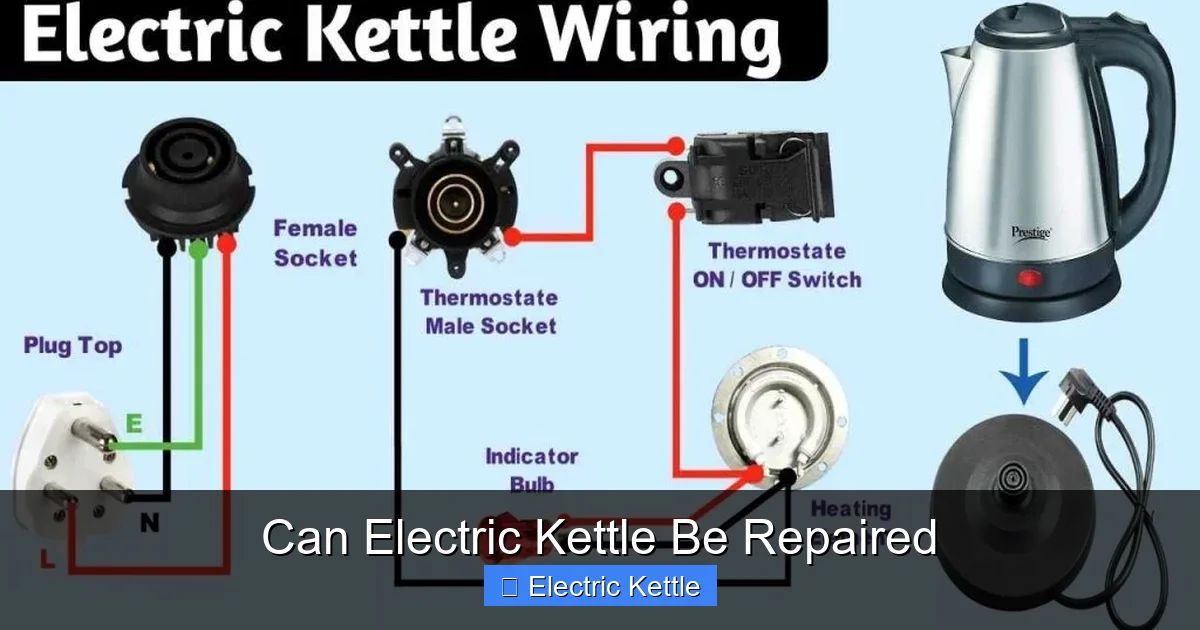
Visual guide about Can Electric Kettle Be Repaired
Image source: kitchenadvising.com
Kettle Won’t Heat Up
This is the most frequent complaint. If your kettle powers on (lights up) but doesn’t heat, the issue is likely with the heating element, thermostat, or internal fuse. Sometimes, it’s as simple as limescale buildup insulating the element and blocking heat transfer.
Kettle Turns Off Too Soon
If your kettle shuts off before the water boils, the thermostat may be malfunctioning. This safety device detects steam and temperature to turn off the kettle at the right time. If it’s faulty, it might shut down prematurely.
Water Leaks from the Base or Spout
Leaks often come from worn gaskets, cracked seals, or a damaged kettle body. Over time, heat and pressure can degrade rubber or silicone seals, especially if the kettle is overfilled or dropped.
Strange Noises or Smells
Bubbling, popping, or a burning smell can indicate overheating, trapped air, or electrical issues. A burning odor, in particular, suggests something is overheating—possibly a failing thermostat or short circuit.
Kettle Doesn’t Turn On at All
If there’s no light, no sound, and no heat, check the power source first. Try a different outlet. If that doesn’t work, the problem could be a blown fuse, faulty switch, or damaged power cord.
Auto-Shutoff Not Working
This is a safety hazard. If your kettle doesn’t turn off when water boils, it can overheat, damage the unit, or even cause a fire. This is usually due to a failed thermostat or sensor and should be addressed immediately.
Tools and Safety Tips for DIY Kettle Repair
Repairing an electric kettle isn’t rocket science, but it does require caution. Electricity and water don’t mix, so safety is non-negotiable.
Essential Tools You’ll Need
- Screwdrivers: Usually Phillips or flathead, depending on your kettle’s screws.
- Multimeter: To test continuity and check if components are working.
- Pliers and wire strippers: For handling small wires and connectors.
- Replacement parts: Such as thermostats, fuses, or seals (available online or from appliance stores).
- Cleaning supplies: White vinegar or descaling solution for mineral buildup.
Safety First: What to Do Before You Start
Always unplug the kettle and let it cool completely before opening it. Never work on a plugged-in or hot appliance. If you’re unsure about handling electrical components, consult a professional. And remember: if your kettle is under warranty, opening it may void the coverage—check the terms first.
Also, avoid using metal tools near live circuits. Use insulated screwdrivers and work on a dry, non-conductive surface. If you smell burning or see scorch marks, stop immediately—this could indicate a serious electrical fault.
Step-by-Step Repair Guide for Common Issues
Now that you’re prepared, let’s walk through fixing the most common electric kettle problems. These steps assume basic DIY skills and access to replacement parts.
Fixing a Kettle That Won’t Heat
Start by checking for limescale. If your kettle has a visible heating element (usually under a stainless steel plate), look for white, chalky deposits. These insulate the element and reduce efficiency.
To descale, fill the kettle halfway with equal parts water and white vinegar. Let it sit for an hour, then boil the mixture. Turn off, let cool, and rinse thoroughly. Repeat if needed. This simple step resolves heating issues in many cases.
If descaling doesn’t work, the problem may be electrical. Use a multimeter to test the heating element for continuity. If there’s no continuity, the element is broken and needs replacement. Most kettles have a removable base plate—unscrew it to access the element. Disconnect the wires, remove the old element, and install the new one. Reassemble and test.
Replacing a Faulty Thermostat
The thermostat controls when the kettle turns on and off. If it’s stuck open, the kettle won’t heat. If it’s stuck closed, it won’t shut off.
To replace it, open the kettle base and locate the thermostat—usually a small disc-shaped component near the heating element. Disconnect the wires (take a photo first for reference), remove the old thermostat, and install the new one. Reconnect wires and reassemble. Test with a multimeter to ensure it opens and closes at the right temperature.
Fixing Leaks: Seals and Gaskets
Leaks often come from worn rubber or silicone seals around the lid, spout, or base. Inspect these areas for cracks, brittleness, or misalignment.
To replace a seal, carefully remove the old one (it may be glued or snapped in). Clean the area, then install the new seal. Make sure it sits flush and isn’t twisted. For lid leaks, check that the lid closes tightly—sometimes a loose fit causes spills.
If the kettle body is cracked, especially near the base, repair may not be safe. Plastic cracks can worsen with heat, leading to leaks or electrical hazards. In such cases, replacement is usually the better option.
Repairing the Power Cord or Switch
If the kettle doesn’t turn on, the issue might be the switch or power cord. Test the switch with a multimeter—if it doesn’t conduct electricity when pressed, it’s faulty.
To replace the switch, open the base, disconnect the wires, and install the new switch. For cord damage, especially fraying near the base, replace the entire cord if possible. Some kettles have modular cords; others require soldering. If you’re not comfortable with electrical work, consult a technician.
Dealing with a Blown Fuse
Some kettles have internal thermal fuses that blow if the unit overheats. These are one-time-use components and must be replaced if blown.
Locate the fuse (usually near the heating element), test it with a multimeter, and replace it if it shows no continuity. Use an identical fuse—don’t substitute with a higher-rated one, as this can cause safety risks.
When to Repair vs. When to Replace
While many electric kettles can be repaired, it’s not always the best choice. Consider the age, cost of parts, and safety before deciding.
Repair If:
- The kettle is relatively new (under 3 years old).
- Only one part is faulty (e.g., thermostat or seal).
- Replacement parts are affordable and easy to find.
- You’re comfortable with basic electrical work.
- The kettle is a high-quality model worth preserving.
Replace If:
- The kettle is old and has multiple issues.
- The base or body is cracked or warped.
- The power cord is severely damaged or internally frayed.
- Repair costs exceed 50–70% of a new kettle’s price.
- You’re unsure about safety or lack the tools.
- The warranty is void, and you’d rather upgrade than fix.
For example, replacing a $10 thermostat in a $60 kettle makes sense. But spending $40 on parts and labor for a $30 kettle? Not so much. Also, older kettles may lack modern safety features like boil-dry protection or auto-shutoff, making replacement a safer long-term choice.
Preventing Future Problems: Maintenance Tips
The best repair is the one you never need. With a little care, your electric kettle can last 5–10 years or more.
Descale Regularly
Hard water leaves mineral deposits that damage heating elements and reduce efficiency. Descale every 1–2 months, or more often if you live in a hard water area. Use vinegar, citric acid, or commercial descalers.
Use Filtered Water
Filtered or distilled water reduces limescale buildup and improves taste. It’s a small change with big benefits.
Don’t Overfill
Filling above the max line can cause leaks, spills, and damage to internal components. Stick to the recommended capacity.
Avoid Boil-Dry Situations
Never run the kettle without water. This can burn out the heating element and damage the thermostat. Most modern kettles have boil-dry protection, but it’s still good practice to check before use.
Clean the Exterior and Lid
Wipe down the outside with a damp cloth. Remove the lid (if possible) and clean any residue or mold from the inside. A clean kettle works better and lasts longer.
Store Properly
Keep the kettle in a dry place. Don’t wrap the cord tightly around the base, as this can damage the wires over time.
Environmental and Economic Benefits of Repairing
Repairing your electric kettle isn’t just smart—it’s sustainable. The average household throws away dozens of small appliances each year, contributing to electronic waste. By fixing your kettle, you reduce landfill waste and conserve the resources used to make a new one.
Economically, repairs save money. A $15 thermostat replacement is far cheaper than a $50–$100 new kettle. Over time, these savings add up. Plus, repairing builds skills and confidence in handling everyday tech.
Many communities now offer repair cafes or workshops where experts help you fix appliances for free or low cost. Check local libraries, community centers, or online groups for events near you.
Conclusion: Yes, Your Electric Kettle Can Be Saved
So, can electric kettle be repaired? Absolutely. From limescale cleanup to thermostat swaps, most common issues have straightforward solutions. With the right tools, a bit of patience, and a focus on safety, you can breathe new life into your trusty kitchen companion.
Of course, not every kettle is worth fixing. But before you toss it, ask: Is it really broken, or just neglected? A little maintenance or a simple repair could save you money, reduce waste, and keep your tea hot for years to come. The next time your kettle acts up, don’t panic—grab a screwdriver, check the manual, and see if you can fix it yourself. You might be surprised at what you can do.
Frequently Asked Questions
Can I repair my electric kettle myself?
Yes, many electric kettle repairs can be done at home with basic tools and safety precautions. Common fixes like descaling, replacing thermostats, or fixing seals are within reach of most DIYers.
Is it safe to open an electric kettle?
It can be safe if you unplug the kettle, let it cool, and follow proper procedures. Avoid working on live circuits and use insulated tools. If you’re unsure, consult a professional.
How often should I descale my electric kettle?
Descale every 1–2 months if you use hard water, or every 3–4 months with soft water. Regular descaling prevents limescale buildup and extends the kettle’s life.
What causes an electric kettle to stop heating?
Common causes include limescale buildup, a faulty heating element, a blown fuse, or a malfunctioning thermostat. Descaling and testing components with a multimeter can help identify the issue.
Can a leaking electric kettle be fixed?
Yes, if the leak is from a worn seal or gasket. Replace the damaged part. However, if the kettle body is cracked, especially near the base, replacement is usually safer.
When should I replace my electric kettle instead of repairing it?
Replace it if the kettle is old, has multiple failures, the body is cracked, or repair costs exceed 50–70% of a new kettle’s price. Safety should always come first.