Yes, an electric kettle can “burn” water if it boils dry—but not in the traditional sense. Instead of burning the water itself, the heating element overheats, potentially damaging the kettle or creating safety hazards. Modern kettles have auto-shutoff features to prevent this, but understanding the risks and proper usage is key to safe, long-lasting performance.
Key Takeaways
- Electric kettles can overheat if run without water: Running an electric kettle dry causes the heating element to overheat, which may damage the appliance or pose a fire risk.
- Auto-shutoff prevents most dry-boiling incidents: Most modern electric kettles have built-in thermal fuses or sensors that automatically turn off the power when no water is detected.
- Mineral buildup increases burn risk: Limescale and sediment can insulate the heating element, causing hot spots and increasing the chance of overheating even with water present.
- Repeated dry boiling shortens kettle lifespan: Even with safety features, frequent dry runs can degrade internal components over time.
- Proper maintenance reduces risks: Regular descaling, using the right water level, and avoiding accidental dry starts help keep your kettle safe and efficient.
- Signs of damage include strange smells or discoloration: If your kettle smells burnt, shows scorch marks, or makes unusual noises, it may have experienced overheating.
- Choose kettles with advanced safety features: Look for models with boil-dry protection, thermal cutoffs, and sturdy construction to minimize risks.
📑 Table of Contents
- Can Electric Kettle Burn Water? The Surprising Truth
- How Electric Kettles Work: A Quick Breakdown
- What Happens When You Run an Electric Kettle Dry?
- Can Mineral Buildup Increase the Risk?
- Safety Features That Protect Your Kettle
- Signs Your Kettle Has Been Damaged by Dry Boiling
- How to Prevent Dry Boiling and Keep Your Kettle Safe
- Choosing a Safe and Reliable Electric Kettle
- Conclusion: Can Electric Kettle Burn Water?
Can Electric Kettle Burn Water? The Surprising Truth
You’ve probably heard the phrase “don’t let the kettle boil dry”—but what does that really mean? Can an electric kettle actually burn water? The short answer is no, water itself can’t burn. Water is a compound made of hydrogen and oxygen, and it doesn’t combust like wood or paper. But when people say an electric kettle “burns” water, they’re usually referring to what happens when the kettle is turned on without enough—or any—water inside.
In reality, it’s not the water that burns. It’s the heating element that overheats when exposed to air instead of being submerged in liquid. This can cause damage to the kettle, produce unpleasant odors, and in rare cases, create safety hazards. So while the water doesn’t literally catch fire, the consequences of running an electric kettle dry can feel just as serious.
Understanding how electric kettles work—and what happens when they’re misused—can help you avoid costly mistakes and keep your kitchen safe. Whether you’re a daily tea drinker or just use your kettle occasionally, knowing the risks and how to prevent them is essential.
How Electric Kettles Work: A Quick Breakdown
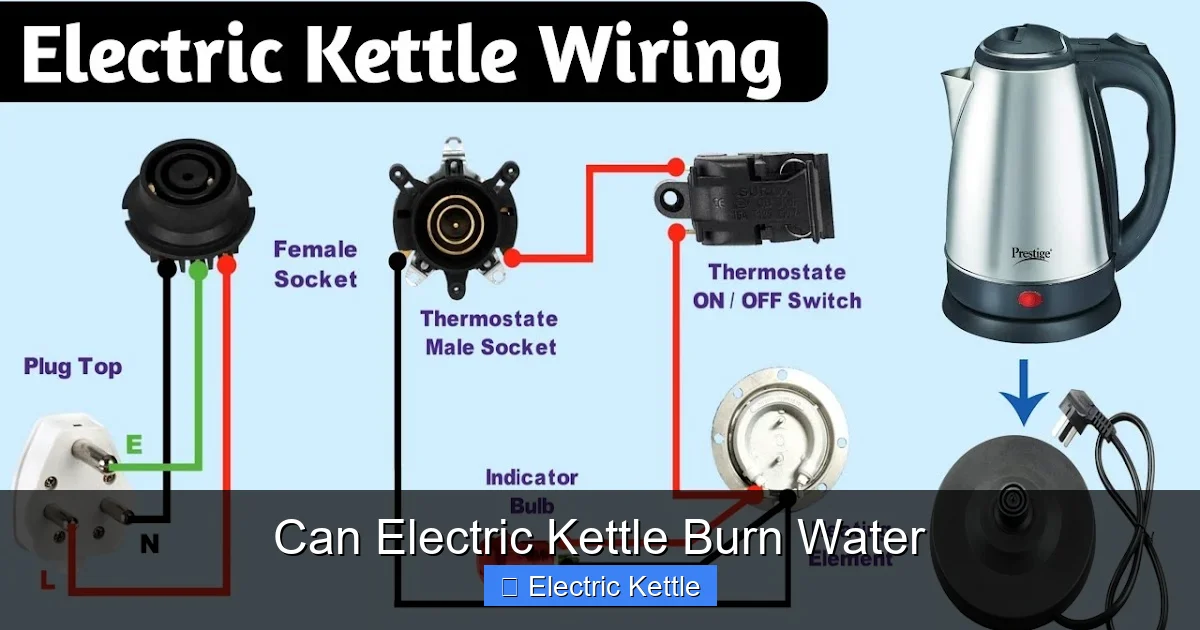
Visual guide about Can Electric Kettle Burn Water
Image source: blogger.googleusercontent.com
To understand why an electric kettle might “burn” water, it helps to know how these appliances function. Most electric kettles operate on a simple yet effective principle: electrical resistance heating. Inside the base or bottom of the kettle is a concealed heating element, usually made of metal. When you plug in the kettle and press the switch, electricity flows through this element, causing it to heat up rapidly.
The heat is then transferred directly to the water surrounding it. Because the element is submerged (or supposed to be), the water absorbs the heat efficiently, bringing it to a boil in just a few minutes. This direct-contact heating method is why electric kettles are so fast and energy-efficient compared to stovetop models.
But here’s the catch: the heating element is designed to work only when surrounded by water. Water acts as a coolant, absorbing the heat and preventing the element from getting too hot. If there’s no water—or too little—the element doesn’t have anything to cool it down. It continues to heat up, potentially reaching temperatures high enough to damage the kettle or even start a fire.
The Role of Water as a Coolant
Water isn’t just the liquid we’re trying to heat—it’s also a critical part of the kettle’s safety system. When the heating element is submerged, the water absorbs heat through convection and conduction. This keeps the element at a stable temperature, even as electricity continues to flow.
But when the water level drops too low—or is completely absent—the element is exposed to air. Air is a poor conductor of heat compared to water, so the heat builds up rapidly. Within seconds, the temperature of the element can soar beyond safe limits. This is what people refer to as “boiling dry” or “dry boiling.”
Thermal Sensors and Auto-Shutoff Mechanisms
Thankfully, most modern electric kettles come equipped with safety features to prevent this exact scenario. One of the most important is the auto-shutoff mechanism. This system uses a thermal sensor—often a bimetallic strip or thermistor—to detect when the temperature inside the kettle rises abnormally.
When the sensor detects that the water has reached boiling point (around 212°F or 100°C at sea level), it triggers a switch that cuts off the power. This stops the heating element from continuing to heat, preventing overheating and potential damage.
But here’s the key: this system relies on the presence of water to function correctly. If there’s no water, the sensor may still detect rising temperature—but it might not respond quickly enough to prevent damage. That’s why some kettles also include a secondary safety feature: a thermal fuse.
What Happens When You Run an Electric Kettle Dry?
So, what exactly occurs when you accidentally turn on your electric kettle without water? The results can vary depending on the kettle’s design, age, and safety features, but here’s a general breakdown of what happens.
Immediate Overheating of the Heating Element
The moment the heating element is energized without water, it begins to heat up rapidly. Within 10 to 30 seconds, it can reach temperatures well above 500°F (260°C)—far hotter than the boiling point of water. At these temperatures, the metal element can begin to degrade, warp, or even melt in extreme cases.
This overheating can cause visible damage, such as discoloration or scorching on the bottom of the kettle. You might also notice a burning smell, which usually comes from the insulation around the heating element or plastic components near the heat source.
Activation of Safety Mechanisms
In most modern kettles, the thermal sensor will detect the abnormal temperature rise and shut off the power. This usually happens within 30 to 60 seconds of dry operation. If the kettle has a thermal fuse, it may also blow, permanently cutting off power to the heating element as a last-resort safety measure.
While this prevents a fire or major damage, it doesn’t mean the kettle is unharmed. Repeated dry boiling—even with auto-shutoff—can weaken internal components over time. The thermal fuse, for example, is a one-time-use component. Once it blows, the kettle will no longer work unless professionally repaired.
Potential for Fire or Smoke
In rare cases, especially with older or poorly designed kettles, dry boiling can lead to more serious consequences. If the heating element overheats significantly, it can ignite nearby flammable materials—such as plastic parts, insulation, or even dust buildup. This can result in smoke, flames, or even a small fire.
While modern safety standards have greatly reduced this risk, it’s still a possibility if the kettle is damaged, poorly maintained, or used incorrectly. That’s why it’s crucial to never leave an electric kettle unattended, especially if you’re unsure whether it contains water.
Can Mineral Buildup Increase the Risk?
You might be wondering: if my kettle has water, can it still “burn”? The answer is yes—under certain conditions. One of the most common culprits is mineral buildup, also known as limescale.
How Limescale Affects Heating Efficiency
If you live in an area with hard water, minerals like calcium and magnesium can accumulate inside your kettle over time. These deposits form a crusty layer on the heating element and the interior walls. While this might not seem like a big deal, it has a significant impact on performance and safety.
Limescale acts as an insulator. Instead of transferring heat directly to the water, the heating element must first heat through the mineral layer. This slows down the boiling process and causes the element to run hotter than normal to compensate.
Hot Spots and Overheating
Because the heat isn’t distributed evenly, certain areas of the heating element can become much hotter than others—these are called hot spots. Even with water present, these hot spots can reach dangerous temperatures, increasing the risk of damage or failure.
In extreme cases, the limescale can crack or flake off, exposing the element directly to air. This creates a scenario similar to dry boiling, where part of the element is submerged and part is exposed. The exposed section can overheat rapidly, potentially triggering the safety shutoff or causing damage.
The Importance of Regular Descaling
To prevent this, it’s essential to descale your electric kettle regularly. The frequency depends on your water hardness, but most manufacturers recommend doing it every 1 to 3 months.
Descaling is simple: fill the kettle with equal parts water and white vinegar, let it sit for an hour, then boil and rinse thoroughly. You can also use commercial descaling solutions or citric acid for a more natural approach.
Regular descaling not only improves performance and extends the life of your kettle but also reduces the risk of overheating and “burning” due to mineral buildup.
Safety Features That Protect Your Kettle
Thankfully, manufacturers have developed a range of safety features to prevent dry boiling and protect users. Understanding these can help you choose a safer kettle and use it more effectively.
Boil-Dry Protection
This is one of the most important safety features in modern electric kettles. Boil-dry protection uses sensors to detect when there’s insufficient water in the kettle. If the water level is too low, the kettle won’t turn on at all—or it will shut off immediately if it detects a drop during operation.
Some advanced models use weight sensors or optical sensors to monitor water levels, while others rely on temperature-based detection. Either way, this feature significantly reduces the risk of dry boiling.
Thermal Cutoff (TCO) or Thermal Fuse
A thermal cutoff is a one-time safety device that permanently breaks the circuit if the temperature exceeds a certain threshold. Unlike the auto-shutoff, which can reset, a thermal fuse must be replaced—usually requiring professional repair.
This is a last line of defense. If the primary sensor fails or responds too slowly, the thermal fuse will blow to prevent overheating. While it renders the kettle unusable until repaired, it’s a crucial safeguard against fire and damage.
Overheat Protection and Cool-Touch Exteriors
Many kettles also include overheat protection that monitors the temperature of the exterior surfaces. If the outside of the kettle gets too hot—possibly due to internal overheating—the system will shut off power.
Additionally, some models feature cool-touch exteriors, meaning the handle and outer body stay relatively cool even when the water inside is boiling. This reduces the risk of burns and adds another layer of safety.
Signs Your Kettle Has Been Damaged by Dry Boiling
Even with safety features, dry boiling can leave lasting effects on your kettle. Here are some warning signs to watch for:
Burning Smell or Smoke
If you notice a strong, acrid smell when using your kettle—especially the first time after a dry run—it could indicate that components have been damaged. Smoke is a more serious sign and should be addressed immediately. Unplug the kettle and stop using it until it’s inspected.
Discoloration or Scorching
Check the bottom of the kettle and the heating element (if visible). Blackened or brown spots, warping, or melted plastic are clear signs of overheating. These indicate that the kettle has been subjected to excessive heat, possibly from dry boiling.
Unusual Noises
A healthy electric kettle should heat quietly, with only the sound of bubbling water. If you hear popping, sizzling, or crackling sounds—especially when there’s water inside—it could mean the heating element is damaged or covered in limescale.
Failure to Heat or Inconsistent Performance
If your kettle takes longer than usual to boil, doesn’t heat at all, or shuts off unexpectedly, it may have been damaged by overheating. The thermal fuse might have blown, or the heating element could be compromised.
Water Tastes Metallic or Off
Overheating can cause small particles of metal or burnt residue to flake into the water. If your tea or coffee tastes strange, it could be a sign that the interior has been damaged.
How to Prevent Dry Boiling and Keep Your Kettle Safe
Prevention is always better than repair. Here are practical tips to avoid dry boiling and extend the life of your electric kettle.
Always Check the Water Level
Before turning on your kettle, make it a habit to look inside. Even if you think you filled it, a quick glance can prevent a dry start. Most kettles have minimum and maximum water level markings—never go below the minimum.
Use the Right Amount of Water
Only boil the amount of water you need. Overfilling wastes energy, while underfilling increases the risk of dry boiling if water evaporates quickly. For example, if you’re making one cup of tea, don’t fill the kettle to the top.
Descale Regularly
As mentioned earlier, mineral buildup is a silent contributor to overheating. Make descaling part of your routine—especially if you use your kettle daily.
Don’t Leave the Kettle Unattended
Even with auto-shutoff, it’s best not to walk away while the kettle is heating. If something goes wrong, you’ll be there to respond quickly.
Inspect Your Kettle Periodically
Check for signs of wear, damage, or buildup. Clean the exterior, wipe the spout, and look inside for limescale or discoloration.
Replace Old or Damaged Kettles
If your kettle is more than 5–7 years old, shows signs of damage, or has blown a thermal fuse, it’s time to replace it. Newer models have better safety features and are more energy-efficient.
Choosing a Safe and Reliable Electric Kettle
Not all electric kettles are created equal. When shopping for a new one, prioritize safety and durability.
Look for Boil-Dry Protection
This should be a non-negotiable feature. Check the product description or packaging for terms like “dry-boil protection,” “auto shut-off,” or “thermal cutoff.”
Choose Quality Materials
Stainless steel and BPA-free plastic are safer and more durable than cheap plastics. Glass kettles are also a good option, as they allow you to see the water level and heating element.
Consider Advanced Features
Some high-end models offer variable temperature settings, keep-warm functions, and even app connectivity. While not essential, these can enhance safety and convenience.
Read Reviews and Ratings
Look for user feedback about reliability, safety, and longevity. Brands like Breville, Cuisinart, and Hamilton Beach are known for quality and safety.
Conclusion: Can Electric Kettle Burn Water?
So, can an electric kettle burn water? The answer is no—water doesn’t burn. But an electric kettle can overheat when run without water, causing damage to the heating element, producing smoke or odors, and in rare cases, creating fire hazards.
Modern kettles are designed with multiple safety features—like auto-shutoff, thermal fuses, and boil-dry protection—to prevent these issues. However, these systems aren’t foolproof, especially if the kettle is old, damaged, or poorly maintained.
By understanding how your kettle works, recognizing the signs of damage, and following simple safety practices, you can enjoy fast, convenient boiling without the risks. Regular descaling, proper water levels, and attentive use go a long way in keeping your kettle—and your kitchen—safe.
In short: your electric kettle won’t burn water, but it can suffer serious damage if misused. Treat it with care, and it will serve you well for years to come.
Frequently Asked Questions
Can an electric kettle catch fire if it boils dry?
While rare, it’s possible—especially with older or damaged kettles. Modern models have safety features like auto-shutoff and thermal fuses that greatly reduce this risk. However, overheating can still ignite nearby materials if the kettle is poorly maintained.
How long can an electric kettle run dry before damage occurs?
Most kettles will shut off within 30 to 60 seconds due to safety sensors. However, even a short dry run can cause overheating and damage to the heating element or internal components.
Will my kettle still work after boiling dry once?
It depends. If the auto-shutoff worked properly and no components were damaged, it may still function. But if the thermal fuse blew or the element warped, the kettle may need repair or replacement.
Can I use my kettle if it smells burnt?
No. A burnt smell indicates overheating and possible damage. Stop using the kettle immediately, unplug it, and inspect for signs of damage. Continuing to use it could be unsafe.
Does hard water increase the risk of burning?
Yes. Mineral buildup from hard water insulates the heating element, causing hot spots and increasing the risk of overheating—even when water is present. Regular descaling is essential.
Are glass electric kettles safer than plastic ones?
Glass kettles are generally safer because they don’t leach chemicals when heated and allow you to see the water level and heating element. However, they can break if dropped, so handle with care.