Electric kettles are generally safe, but improper use or faulty models can pose fire hazards. Understanding the causes—like overheating, damaged cords, or lack of maintenance—can help you prevent accidents and enjoy your kettle safely.
Key Takeaways
- Electric kettles can cause fires if they malfunction, are used incorrectly, or lack safety features like automatic shut-off.
- Overheating is a leading cause of electric kettle fires, especially when the kettle is left unattended or runs dry.
- Damaged power cords and plugs increase fire risk due to electrical arcing or short circuits.
- Using the kettle on flammable surfaces or near curtains, paper, or fabric can ignite a fire if the base overheats.
- Regular cleaning and inspection help prevent mineral buildup and electrical issues that could lead to overheating.
- Always follow manufacturer instructions and never modify or repair the kettle yourself unless qualified.
- Invest in kettles with safety certifications like UL, ETL, or CE to ensure they meet fire and electrical safety standards.
📑 Table of Contents
- Can Electric Kettles Cause Fires? Understanding the Risks
- How Do Electric Kettles Work? A Quick Overview
- Common Causes of Electric Kettle Fires
- Signs Your Electric Kettle Might Be a Fire Hazard
- How to Prevent Electric Kettle Fires: Safety Tips
- What to Do If Your Kettle Starts a Fire
- Are Some Kettles Safer Than Others?
- Conclusion: Stay Safe, Stay Smart
Can Electric Kettles Cause Fires? Understanding the Risks
Electric kettles are a staple in modern kitchens. They’re fast, convenient, and energy-efficient—perfect for boiling water for tea, coffee, instant noodles, or even sterilizing baby bottles. But with any electrical appliance, especially one that heats water to near-boiling temperatures, safety is a real concern. So, the big question many people ask is: Can electric kettles cause fires?
The short answer is yes—electric kettles can cause fires, but it’s rare when they’re used properly and maintained well. Most modern electric kettles come with built-in safety features like automatic shut-off, boil-dry protection, and thermal fuses. These features significantly reduce the risk. However, accidents still happen. Faulty wiring, damaged cords, user error, or manufacturing defects can all contribute to fire hazards. In this article, we’ll dive deep into how and why electric kettles might catch fire, what signs to watch for, and—most importantly—how you can use your kettle safely every day.
Think of your electric kettle like a car. It’s designed to be safe and reliable, but if you ignore warning lights, skip maintenance, or drive recklessly, you increase the risk of an accident. The same logic applies here. With a little awareness and care, you can enjoy your kettle without worry.
How Do Electric Kettles Work? A Quick Overview
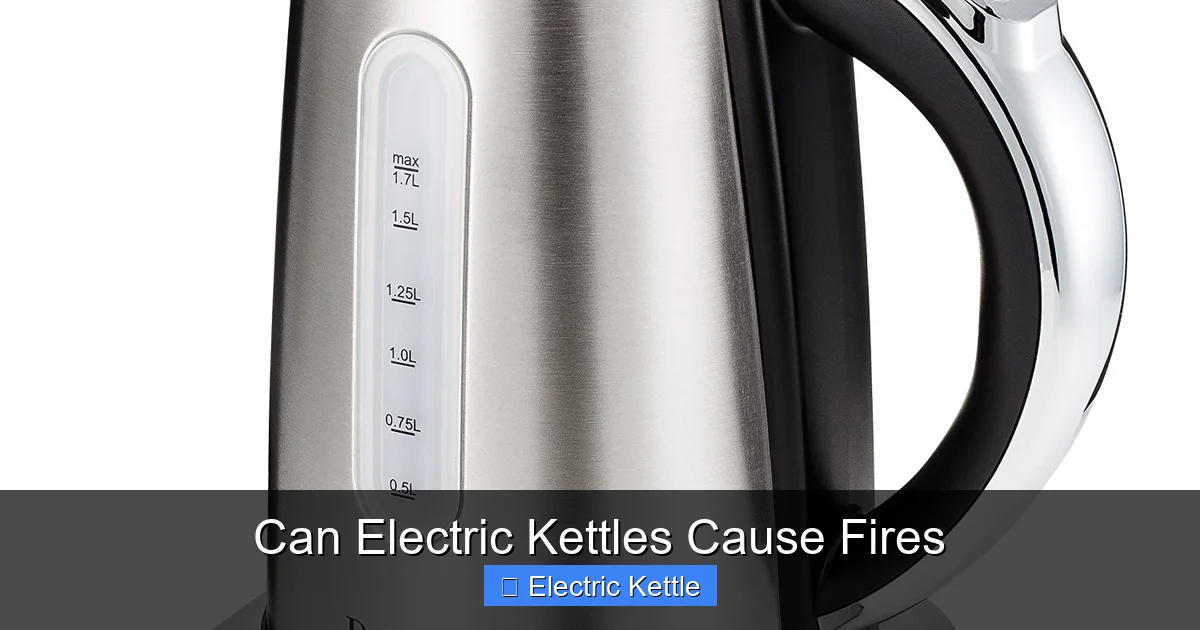
Visual guide about Can Electric Kettles Cause Fires
Image source: cooklogic.com
Before we explore fire risks, it helps to understand how electric kettles function. Most electric kettles have a heating element—either hidden under the base or exposed inside the water chamber. When you plug in the kettle and turn it on, electricity flows through this element, generating heat. That heat transfers to the water, bringing it to a boil.
Once the water reaches boiling point (usually around 212°F or 100°C), a thermostat inside the kettle detects the temperature and automatically cuts off the power. This is the “automatic shut-off” feature, and it’s one of the most important safety mechanisms. It prevents the kettle from continuing to heat once the water is gone or if the water level is too low.
Some kettles also have a “boil-dry protection” system. If the kettle is turned on without water, this feature detects the abnormal temperature rise and shuts off the heating element before it overheats. This is crucial because a dry heating element can get extremely hot—hot enough to melt plastic components or ignite nearby materials.
Types of Electric Kettles and Their Safety Features
Not all electric kettles are created equal. Here’s a quick breakdown of common types and their safety considerations:
- Plastic kettles: Lightweight and affordable, but plastic can degrade over time, especially when exposed to high heat. Look for BPA-free models and avoid kettles with thin or flimsy plastic bases.
- Stainless steel kettles: Durable and resistant to corrosion, but can get very hot on the outside. Always use a kettle with an insulated handle and base.
- Glass kettles: Stylish and easy to clean, but fragile. Ensure the glass is borosilicate (heat-resistant) and the base has proper insulation.
- Gooseneck kettles: Designed for pour-over coffee, these often have precise temperature control. Make sure they still have auto shut-off and boil-dry protection.
Regardless of the material, always check for safety certifications like UL (Underwriters Laboratories), ETL (Intertek), or CE (Conformité Européenne). These labels mean the kettle has been tested for electrical and fire safety.
Common Causes of Electric Kettle Fires
Now that we know how kettles work, let’s look at the real-world scenarios where they can become fire hazards. While rare, these incidents do happen—and they’re almost always preventable.
1. Running the Kettle Dry
This is one of the most dangerous mistakes you can make. If you accidentally turn on the kettle without water—or if the water evaporates completely—the heating element has nothing to cool it down. Without water to absorb the heat, the element can overheat rapidly.
In extreme cases, the heating element can reach temperatures high enough to melt internal components, warp the kettle’s base, or even ignite nearby materials. Even if the kettle has boil-dry protection, repeated dry boiling can damage the thermostat or fuse, making the safety feature less reliable over time.
Real-life example: A woman in the UK left her electric kettle on the stove while making breakfast. She forgot to add water and walked away. The kettle overheated, melted through the plastic base, and started a small fire on her countertop. The fire was contained, but it damaged her kitchen and could have been much worse.
2. Damaged or Frayed Power Cords
The power cord is the lifeline of your electric kettle. If it’s frayed, cracked, or exposed, it can cause electrical arcing—sparks that jump between wires. These sparks can ignite nearby flammable materials like paper towels, dishcloths, or curtains.
Cords can become damaged from being bent too sharply, pinched under furniture, or chewed by pets. Over time, heat from the kettle base can also degrade the insulation around the cord.
Tip: Always inspect your kettle’s cord before each use. If you see any damage, stop using the kettle immediately and replace it. Never wrap the cord tightly around the base, as this can stress the wires.
3. Using the Kettle on Flammable Surfaces
Placing your electric kettle on a wooden countertop, near curtains, or on a paper-covered surface increases fire risk. Even if the kettle doesn’t catch fire directly, the base can get very hot—especially if the kettle is old or malfunctioning.
Some kettles, particularly older models, don’t have insulated bases. If the heating element transfers heat to the outer base, it can scorch wood or ignite paper. This is more common with kettles that lack proper thermal shielding.
Best practice: Always use your kettle on a heat-resistant, non-flammable surface like ceramic tile, stone, or a dedicated trivet. Keep it away from edges, curtains, and anything that can catch fire.
4. Overheating Due to Mineral Buildup
If you live in an area with hard water, mineral deposits (like limescale) can build up on the heating element over time. This buildup acts as an insulator, trapping heat and preventing efficient transfer to the water.
As a result, the heating element has to work harder and gets hotter than it should. This can lead to overheating, reduced efficiency, and—in extreme cases—component failure or fire.
Example: A man in Australia noticed his kettle was taking longer to boil water. He ignored it, assuming it was just getting old. One day, the kettle started smoking and the base began to melt. He unplugged it just in time. The cause? Heavy limescale buildup had caused the heating element to overheat.
5. Faulty Thermostats or Safety Mechanisms
Even the best kettles can have manufacturing defects. A faulty thermostat might fail to shut off the kettle when the water boils, allowing it to continue heating. Similarly, a broken thermal fuse might not activate during overheating.
These failures are rare but serious. Without proper safety mechanisms, the kettle can overheat to dangerous levels.
What to do: If your kettle doesn’t shut off automatically, stop using it immediately. This is a clear sign of a malfunction. Contact the manufacturer or replace the kettle.
6. Modifying or Repairing the Kettle
Some people try to “fix” their kettle by replacing parts, splicing wires, or bypassing safety features. This is extremely dangerous. Electric kettles are sealed units designed to work as a whole. Tampering with internal components can disable safety systems and increase fire risk.
Never attempt DIY repairs unless you’re a qualified technician. If your kettle stops working, it’s safer and often cheaper to replace it than to risk a fire.
Signs Your Electric Kettle Might Be a Fire Hazard
You don’t have to wait for smoke or flames to know your kettle is unsafe. Watch for these warning signs:
- Unusual smells: A burning odor, especially when the kettle is heating, could indicate overheating components or melting plastic.
- Discoloration or melting: If the base, handle, or cord shows signs of melting, warping, or blackening, stop using the kettle immediately.
- Sparks or popping sounds: These are signs of electrical arcing, often due to damaged wiring or internal faults.
- Kettle doesn’t shut off: If water boils over or the kettle continues heating after boiling, the thermostat may be broken.
- Cord gets hot: The power cord should never feel warm or hot to the touch. This suggests electrical resistance or damage.
- Water leaks: Leaks can cause short circuits or expose electrical parts to moisture, increasing fire and shock risks.
If you notice any of these signs, unplug the kettle and do not use it again until it’s inspected or replaced.
How to Prevent Electric Kettle Fires: Safety Tips
The good news? Most electric kettle fires are preventable. Follow these practical tips to keep your kitchen safe:
1. Never Leave the Kettle Unattended
Even with auto shut-off, it’s best to stay nearby while the kettle is heating. If something goes wrong—like a power surge or malfunction—you can respond quickly.
2. Always Add Water Before Turning It On
Make it a habit: check the water level every time. Use the minimum and maximum markings on the kettle to avoid overfilling or underfilling.
3. Keep the Kettle Clean
Descale your kettle regularly, especially if you have hard water. Use a mixture of vinegar and water (1:1 ratio) and let it sit for 30 minutes, then rinse thoroughly. This prevents mineral buildup and keeps the heating element efficient.
4. Inspect the Cord and Plug Regularly
Look for cracks, fraying, or exposed wires. If the plug feels loose or sparks when inserted, replace the kettle.
5. Use on a Safe Surface
Place the kettle on a flat, heat-resistant surface away from flammable materials. Avoid using it near curtains, paper, or wooden cabinets.
6. Don’t Overfill or Underfill
Overfilling can cause boiling water to spill into the base, damaging electrical components. Underfilling increases the risk of dry boiling.
7. Replace Old or Damaged Kettles
Most electric kettles last 3–5 years with regular use. If yours is older, shows signs of wear, or has been dropped, consider replacing it.
8. Buy from Reputable Brands
Choose kettles from well-known manufacturers with good safety records. Avoid ultra-cheap models that may cut corners on safety features.
What to Do If Your Kettle Starts a Fire
Even with precautions, accidents can happen. If your electric kettle starts a fire, stay calm and act quickly:
- Unplug the kettle immediately if it’s safe to do so. Cutting the power stops the heat source.
- Do not use water to extinguish an electrical fire. Water conducts electricity and can cause electrocution.
- Use a fire extinguisher rated for electrical fires (Class C in the US). A small kitchen fire extinguisher can put out most small fires.
- Smother small flames with a fire blanket or metal lid if the fire is contained and small.
- Evacuate and call emergency services if the fire spreads or you’re unsure how to handle it.
- Do not touch the kettle until it’s completely cool. It may still be hot enough to cause burns or reignite.
After the fire is out, have a professional inspect your home’s electrical system. Even a small fire can damage wiring or outlets.
Are Some Kettles Safer Than Others?
Yes—some electric kettles are inherently safer due to design, materials, and safety features. Here’s what to look for when shopping:
- Automatic shut-off: Must-have feature that turns off the kettle when water boils.
- Boil-dry protection: Prevents heating if there’s no water.
- Thermal fuse: A backup safety device that cuts power if the kettle overheats.
- Cool-touch exterior: Prevents burns and reduces heat transfer to the base.
- Sturdy, heat-resistant base: Look for models with insulated, non-slip feet.
- Safety certifications: UL, ETL, or CE marks indicate third-party testing.
Brands like Breville, Cuisinart, Hamilton Beach, and OXO are known for reliable, safe electric kettles. While they may cost more, the peace of mind is worth it.
Conclusion: Stay Safe, Stay Smart
So, can electric kettles cause fires? Yes—but the risk is low when you use them correctly. Most fires happen due to user error, lack of maintenance, or using damaged appliances. By understanding how your kettle works, recognizing warning signs, and following basic safety practices, you can enjoy hot water safely for years to come.
Remember: your electric kettle is a convenient tool, not a set-it-and-forget-it device. A few simple habits—like checking the water level, cleaning regularly, and inspecting the cord—can make all the difference. And when in doubt, replace it. Your safety is always worth the investment.
Frequently Asked Questions
Can an electric kettle catch fire if left on?
Yes, but only if it malfunctions or lacks safety features. Most modern kettles have auto shut-off, so they turn off when water boils. However, if the thermostat fails or the kettle runs dry, it can overheat and potentially start a fire.
Is it safe to leave an electric kettle plugged in?
It’s generally safe to leave it plugged in when not in use, as long as it’s in good condition. However, unplugging it reduces the risk of electrical faults during power surges and saves a small amount of standby energy.
How often should I clean my electric kettle?
Clean it every 1–2 months if you use it daily, or more often if you have hard water. Regular descaling prevents mineral buildup, which can cause overheating and reduce efficiency.
What should I do if my kettle smells like burning?
Unplug it immediately and stop using it. The smell could indicate overheating components, melting plastic, or electrical issues. Have it inspected or replace it to avoid fire risk.
Can a damaged power cord cause a fire?
Yes. A frayed or cracked cord can cause electrical arcing, which may ignite nearby materials. Always inspect the cord and replace the kettle if you see any damage.
Are cheap electric kettles more likely to cause fires?
Not always, but cheaper models may lack safety features or use lower-quality materials. Always check for safety certifications and read reviews before buying a budget kettle.