Yes, electric kettles can heat up milk, but it’s not always safe or recommended. While some modern kettles are designed for milk, most standard models aren’t built to handle dairy without risks like scorching, burning, or damage. Understanding your kettle type and following proper techniques can help you heat milk safely and effectively.
Key Takeaways
- Not all electric kettles are suitable for milk: Most standard kettles are designed for water only, and heating milk can lead to residue buildup, odor, and damage.
- Milk can scorch and burn easily: Due to its protein and fat content, milk heats unevenly and can stick to the heating element, causing unpleasant smells and potential fire hazards.
- Look for milk-specific or multi-purpose kettles: Some electric kettles come with milk modes, temperature controls, or non-stick interiors made for dairy.
- Use low heat and frequent stirring if heating manually: If you must heat milk in a regular kettle, do so gently and monitor closely to prevent boiling over or burning.
- Clean your kettle thoroughly after use: Milk leaves behind stubborn residues that can affect taste and performance if not cleaned properly.
- Alternative methods are often safer: Using a saucepan, microwave, or dedicated milk frother is usually more reliable and safer than an electric kettle.
- Check your user manual: Always refer to the manufacturer’s guidelines to see if your kettle supports milk heating.
📑 Table of Contents
- Can Electric Kettles Heat Up Milk? A Complete Guide
- Why Heating Milk in an Electric Kettle Is Tricky
- Types of Electric Kettles: Which Ones Can Handle Milk?
- How to Safely Heat Milk in an Electric Kettle (If You Must)
- Cleaning Your Kettle After Heating Milk
- Safer Alternatives to Heating Milk in an Electric Kettle
- Expert Tips and Final Thoughts
- Conclusion
Can Electric Kettles Heat Up Milk? A Complete Guide
You’re craving a warm cup of hot chocolate or a creamy latte, and your electric kettle is right there—humming with convenience. It’s fast, efficient, and perfect for boiling water in under five minutes. But can it do double duty and heat up milk too? It’s a question many coffee and tea lovers ask, especially when they’re in a hurry or don’t want to dirty another pot.
The short answer? Yes, electric kettles can heat up milk—but with important caveats. While it’s technically possible, doing so isn’t always safe, clean, or effective. Most standard electric kettles are designed specifically for water, not dairy. Milk behaves very differently when heated: it can scorch, foam, boil over, and leave behind sticky residues that are hard to clean. That’s why understanding your kettle’s capabilities and the science behind milk heating is essential.
In this guide, we’ll explore whether your electric kettle is up to the task, what risks to watch out for, and how to heat milk safely—whether you’re using a basic model or a high-tech multi-purpose kettle. We’ll also cover cleaning tips, alternative methods, and expert recommendations to help you make the best choice for your kitchen.
Why Heating Milk in an Electric Kettle Is Tricky
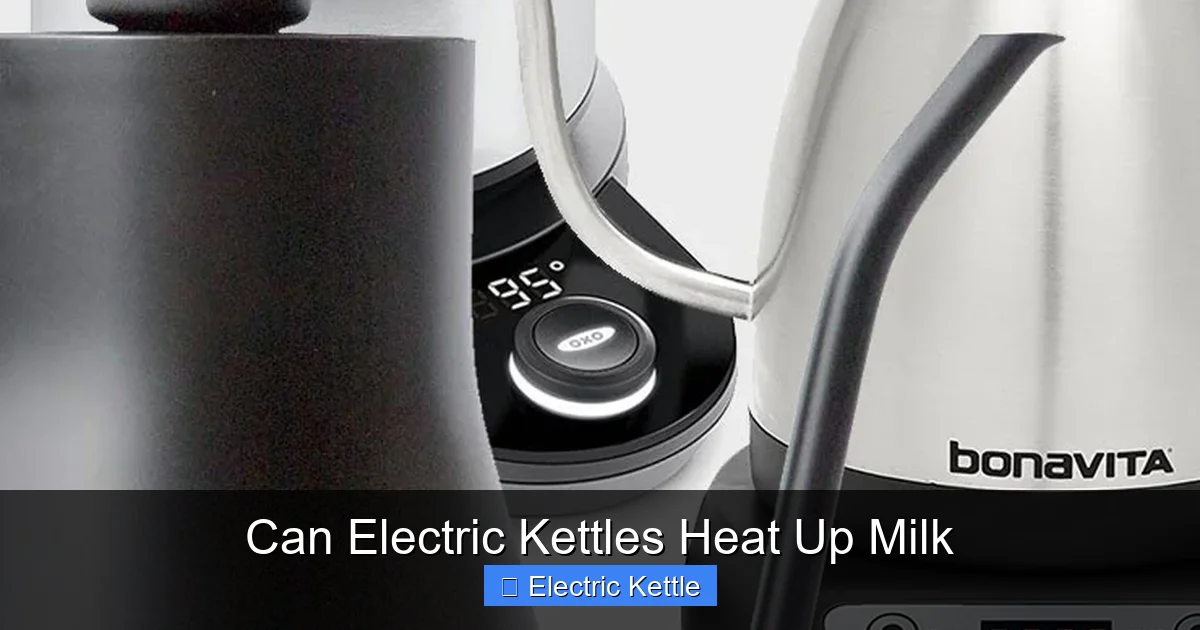
Visual guide about Can Electric Kettles Heat Up Milk
Image source: ohhowcivilized.com
Milk isn’t just water with flavor—it’s a complex liquid made of water, fats, proteins, and sugars. When heated, these components react in ways that can cause problems in an electric kettle. Let’s break down why heating milk in a standard kettle can be problematic.
Milk Scorches Easily
One of the biggest issues with heating milk in an electric kettle is scorching. Milk contains proteins like casein and whey, which can denature and stick to hot surfaces when exposed to high heat. Unlike water, which evaporates cleanly, milk leaves behind a brown, burnt film on the heating element or the kettle’s interior. This not only affects the taste of future brews but can also damage the kettle over time.
For example, imagine heating milk in a kettle with a concealed heating element. The milk can’t circulate as freely as water, so hot spots form. These areas get extremely hot, causing the milk to burn and stick. Even if you don’t see it right away, the residue builds up, leading to off-flavors and potential malfunctions.
Milk Foams and Boils Over
Another challenge is milk’s tendency to foam and expand when heated. As milk warms, proteins unfold and trap air, creating a thick layer of foam. If the kettle doesn’t have enough headspace or a wide opening, this foam can rise rapidly and spill over the top. This isn’t just messy—it can also cause electrical hazards if liquid reaches the base or cord.
Think about it: you’ve probably seen milk boil over on the stove. The same thing can happen in an electric kettle, especially if it auto-shuts off based on steam detection. The foam can trigger the sensor prematurely, stopping the heating process before the milk is fully warmed. Or worse, it can overflow and damage the kettle’s internal components.
Residue Buildup and Odor
Even if you manage to heat milk without burning or spilling, you’re left with a cleaning challenge. Milk leaves behind a sticky film that’s hard to remove, especially in hard-to-reach areas like the spout or around the heating element. Over time, this buildup can lead to unpleasant odors, affect the taste of water, and even promote bacterial growth.
For instance, if you heat milk once and don’t clean the kettle thoroughly, the next time you boil water for tea, you might notice a faint dairy smell or taste. This is because residual milk proteins have caramelized and stuck to the surfaces. Regular kettles aren’t designed to handle this kind of residue, so it can accumulate quickly.
Not All Kettles Are Designed for Milk
Most electric kettles on the market are built for one purpose: boiling water. Their heating elements, temperature sensors, and materials are optimized for H₂O, not dairy. They heat quickly and shut off automatically when steam is detected—great for water, but not ideal for milk, which doesn’t produce the same steam pattern.
Some kettles even have warranties that void if used with anything other than water. So, while it might seem convenient to use your kettle for milk, you could be risking damage and losing your warranty coverage.
Types of Electric Kettles: Which Ones Can Handle Milk?
Not all electric kettles are created equal. Some are better suited for heating milk than others. Understanding the different types can help you decide whether your kettle is up to the task.
Standard Electric Kettles (Water-Only)
These are the most common types—simple, fast, and affordable. They typically have a stainless steel or plastic body, a concealed or exposed heating element, and an automatic shut-off feature. While great for boiling water, they’re not ideal for milk.
Why? Because they heat rapidly and don’t allow for temperature control. Milk needs gentle, even heating to avoid scorching. Standard kettles often reach boiling point too quickly, increasing the risk of burning. Plus, their narrow openings make it hard to stir or monitor the milk, and cleaning residue is a hassle.
If you have a standard kettle, it’s best to avoid heating milk unless absolutely necessary—and even then, proceed with caution.
Temperature-Controlled Kettles
These kettles allow you to set specific temperatures, which is a big advantage when heating milk. Milk should ideally be heated to around 150°F to 160°F (65°C to 70°C)—hot enough to be warm but not so hot that it scalds or curdles.
Many temperature-controlled kettles offer preset options for different beverages, including “milk” or “baby formula” modes. These settings heat more slowly and stop before boiling, reducing the risk of burning. Some models even have a “keep warm” function, which maintains a safe temperature without overheating.
For example, the Breville BKE820XL Smart Kettle has a “Milk” setting that heats to 160°F and holds it for up to 20 minutes. This makes it a great choice for warming milk for lattes or baby bottles.
Milk-Specific or Multi-Purpose Kettles
A growing number of electric kettles are designed specifically for milk or other liquids. These models often feature:
– Non-stick interiors to prevent sticking
– Wide openings for easy stirring
– Steam vents to reduce overflow
– Milk-specific temperature presets
– Removable lids for thorough cleaning
Brands like Smeg, Russell Hobbs, and Cuisinart offer kettles with milk-friendly designs. Some even include a frothing whisk or steam wand for making cappuccinos.
These kettles are the safest and most effective option if you plan to heat milk regularly. They’re built to handle the unique challenges of dairy, from foam control to residue management.
Kettles with Removable Elements or Open Designs
Some high-end kettles have removable heating elements or open designs that make cleaning easier. This is a big plus when heating milk, as it allows you to scrub away any residue without damaging the kettle.
For instance, the Fellow Stagg EKG has a sleek, open design with a visible heating coil. While not specifically for milk, its precision temperature control and easy access make it a better candidate for dairy than most standard kettles.
How to Safely Heat Milk in an Electric Kettle (If You Must)
If you’ve checked your kettle and decided to proceed, here’s how to heat milk as safely as possible. Remember: this is not recommended for all kettles, and you should always prioritize safety and cleanliness.
Step 1: Check Your Kettle’s Manual
Before doing anything, consult the user manual. Look for any warnings about using liquids other than water. If the manufacturer explicitly prohibits milk, don’t risk it. You could void your warranty or damage the kettle.
Step 2: Use the Right Amount
Don’t fill the kettle to the max. Milk expands and foams, so leave at least 1–2 inches of space at the top. Overfilling increases the risk of boil-over and makes cleaning harder.
A good rule of thumb: use no more than 75% of the kettle’s capacity when heating milk.
Step 3: Choose Low or Medium Heat
If your kettle has temperature control, set it to 150°F to 160°F (65°C to 70°C). Avoid boiling—milk should never reach a rolling boil, as it can curdle or scorch.
If your kettle only has an on/off switch, consider using it in short bursts. Turn it on for 30 seconds, then off to stir and check the temperature. Repeat until the milk is warm. This method takes longer but reduces the risk of overheating.
Step 4: Stir Frequently
Use a long-handled spoon or silicone spatula to stir the milk every 10–15 seconds. This helps distribute heat evenly and prevents hot spots. It also reduces foam buildup and keeps the milk from sticking to the sides.
If your kettle has a narrow opening, you may need a flexible spatula or a small whisk to reach the bottom.
Step 5: Monitor Closely
Never walk away while heating milk. It can go from warm to boiling over in seconds. Keep an eye on the kettle and listen for changes in sound—milk often makes a gurgling or bubbling noise as it heats.
If you see foam rising rapidly, turn off the kettle immediately and stir to release the steam.
Step 6: Cool and Clean Immediately
Once the milk is heated, pour it out right away. Don’t let it sit in the kettle, as residue will harden and become harder to clean.
Rinse the kettle with warm water immediately, then wash with mild soap and a soft sponge. For stubborn residue, soak the kettle in warm, soapy water for 10–15 minutes before scrubbing.
Avoid abrasive cleaners or steel wool, as they can scratch the interior and trap odors.
Cleaning Your Kettle After Heating Milk
Cleaning is arguably the most important step when heating milk in an electric kettle. Residue can build up quickly and affect both performance and taste.
Immediate Rinse
As soon as you’ve poured out the milk, rinse the kettle with warm water. This removes the majority of the residue before it dries.
Soak and Scrub
Fill the kettle with warm water and a few drops of dish soap. Let it soak for 10–15 minutes, then scrub the interior with a soft sponge or brush. Pay special attention to the heating element, spout, and lid.
For tough stains, add a tablespoon of baking soda to the water. Baking soda is mildly abrasive and helps break down protein deposits.
Vinegar Rinse (Optional)
If you notice a lingering smell or taste, run a cycle with equal parts water and white vinegar. Let it sit for 10 minutes, then rinse thoroughly. Vinegar helps neutralize odors and dissolve mineral buildup.
Dry Completely
After cleaning, dry the kettle inside and out with a clean towel. Leave the lid off for a few hours to air dry completely. Moisture can promote mold or bacteria, especially in hard-to-reach areas.
Regular Maintenance
Even if you only heat milk occasionally, clean your kettle weekly to prevent buildup. This keeps it functioning well and ensures your water always tastes fresh.
Safer Alternatives to Heating Milk in an Electric Kettle
While it’s possible to heat milk in an electric kettle, there are often better, safer options. Here are some alternatives that reduce risk and improve results.
Use a Saucepan on the Stove
This is the most traditional and reliable method. A small saucepan allows you to control the heat, stir easily, and monitor the milk closely. Use low to medium heat and stir frequently to prevent scorching.
Tip: Place a wooden spoon across the top of the pan. If the milk boils over, the spoon will pop the bubbles and stop the overflow.
Microwave in a Microwave-Safe Container
For quick warming, use a microwave-safe mug or jar. Heat in 15–20 second intervals, stirring in between, until the milk reaches the desired temperature.
Be careful not to overheat—milk can superheat in the microwave and erupt when stirred.
Use a Dedicated Milk Frother or Steamer
If you’re making lattes or cappuccinos, invest in a milk frother. These devices are designed to heat and froth milk safely, with temperature controls and non-stick interiors.
Handheld frothers are affordable and portable, while standalone steamers offer more power and precision.
Try a Gooseneck Kettle with Temperature Control
Gooseneck kettles, often used for pour-over coffee, offer precise temperature control and a narrow spout for easy pouring. Some models, like the Fellow Stagg EKG, can be used to heat milk gently and safely.
Just remember to clean thoroughly after use.
Expert Tips and Final Thoughts
Heating milk in an electric kettle is a gray area—possible, but not always practical or safe. The key is knowing your kettle’s limits and taking precautions.
Here are a few final tips from kitchen experts:
– Know your kettle: If it’s not designed for milk, treat it like water-only equipment.
– Prioritize safety: Never leave milk unattended, and always monitor for foam or overheating.
– Clean immediately: Residue is the enemy—clean your kettle right after use.
– Consider alternatives: A saucepan or frother is often a better investment than risking your kettle.
– Upgrade if needed: If you heat milk often, consider a multi-purpose kettle with milk settings.
In the end, convenience shouldn’t come at the cost of safety or appliance longevity. While your electric kettle is a powerhouse for boiling water, it’s not always the best tool for milk. Use it wisely, clean it well, and when in doubt, reach for a different method.
Conclusion
So, can electric kettles heat up milk? The answer is yes—but with important limitations. Most standard kettles aren’t built for dairy, and heating milk can lead to scorching, overflow, and residue buildup. However, if your kettle has temperature control, a milk-specific mode, or a non-stick interior, it may be safe to use with caution.
Always check the manual, heat gently, stir frequently, and clean thoroughly. And when possible, consider safer alternatives like a saucepan, microwave, or dedicated milk frother.
Your electric kettle is a valuable kitchen tool—treat it right, and it’ll keep serving you hot water (and maybe the occasional warm milk) for years to come.
Frequently Asked Questions
Can I heat milk in any electric kettle?
Not all electric kettles are safe for milk. Most standard models are designed for water only and can be damaged by dairy residue. Always check the user manual before use.
What temperature should milk be heated to in an electric kettle?
Milk should be heated to 150°F to 160°F (65°C to 70°C). Higher temperatures can cause scalding, curdling, or burning.
Will heating milk in my kettle void the warranty?
It might. Many manufacturers void warranties if the kettle is used with liquids other than water. Check your warranty terms to be sure.
How do I clean my kettle after heating milk?
Rinse immediately with warm water, then wash with mild soap and a soft sponge. For tough residue, soak with baking soda or vinegar before scrubbing.
Can I froth milk in an electric kettle?
Most kettles aren’t designed for frothing. Use a dedicated milk frother or steamer for best results. Some multi-purpose kettles include frothing attachments.
Is it safe to heat milk in a kettle with a concealed heating element?
It’s riskier, as residue can build up unseen. If you must, clean thoroughly and avoid high heat. Open-element or removable designs are easier to maintain.