Yes, electric water kettles can be made of plastic—but not all plastic is created equal. While some models use high-quality, heat-resistant plastics, others may pose health or durability concerns. This guide breaks down everything you need to know before choosing a plastic electric kettle.
Key Takeaways
- Plastic electric kettles are common and affordable: Many budget-friendly models use BPA-free plastic to reduce cost and weight.
- Safety depends on material quality: Only food-grade, heat-resistant plastics like Tritan or polypropylene should be used near boiling water.
- Potential for chemical leaching: Low-quality plastics may release harmful substances when heated, especially over time.
- Durability and lifespan vary: Plastic kettles are lighter but may crack or warp faster than stainless steel or glass models.
- Taste and odor concerns: Some users report a slight plastic taste, especially in older or lower-end models.
- Eco-friendliness is a concern: Plastic kettles are less sustainable and harder to recycle than metal or glass alternatives.
- Look for certifications: Choose kettles labeled BPA-free, FDA-approved, or certified by organizations like NSF or LFGB.
📑 Table of Contents
- Can Electric Water Kettle Be Plastic? A Complete Guide
- Why Are Some Electric Kettles Made of Plastic?
- Types of Plastic Used in Electric Kettles
- Safety Concerns: Can Plastic Leach Chemicals into Water?
- Pros and Cons of Plastic Electric Kettles
- How to Choose a Safe Plastic Electric Kettle
- Alternatives to Plastic Electric Kettles
- Conclusion: Should You Buy a Plastic Electric Kettle?
Can Electric Water Kettle Be Plastic? A Complete Guide
If you’ve ever shopped for an electric water kettle, you’ve probably noticed a wide range of materials—stainless steel, glass, ceramic, and yes, plastic. But when it comes to heating water to boiling temperatures, many people wonder: Can electric water kettle be plastic? The short answer is yes—but it’s not quite that simple.
Plastic electric kettles are widely available and often among the most affordable options on the market. They’re lightweight, come in colorful designs, and are easy to handle. However, the idea of boiling water in a plastic container raises valid concerns about safety, taste, and long-term health. After all, we’ve all heard warnings about microwaving plastic or leaving water bottles in hot cars. So, is it really safe to use a plastic electric kettle every day?
In this comprehensive guide, we’ll explore the ins and outs of plastic electric kettles. We’ll look at the types of plastic used, safety considerations, pros and cons, and how to choose a safe and reliable model. Whether you’re on a tight budget, prefer a lightweight kettle, or just curious about your options, this article will help you make an informed decision.
Why Are Some Electric Kettles Made of Plastic?
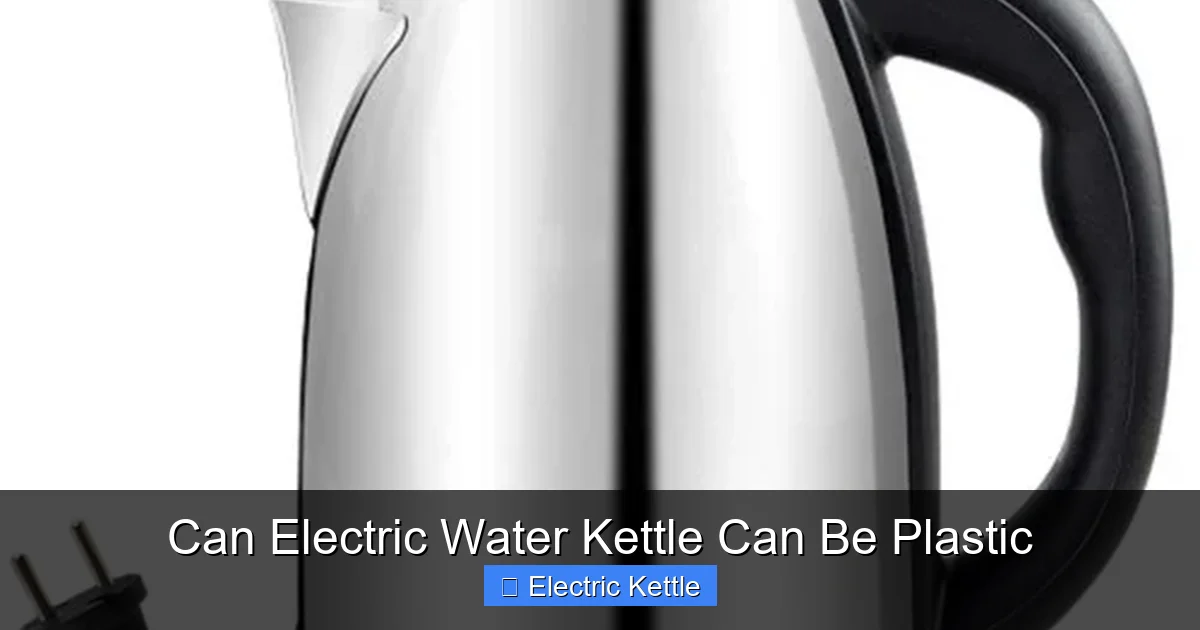
Visual guide about Can Electric Water Kettle Can Be Plastic
Image source: tiimg.tistatic.com
Plastic has become a popular material for electric kettles for several practical reasons. First and foremost, it’s cost-effective. Manufacturing plastic components is generally cheaper than stainless steel or glass, which allows brands to offer budget-friendly models. This makes electric kettles accessible to a wider audience, especially students, renters, or anyone looking for a simple, no-frills appliance.
Another advantage is weight. Plastic kettles are significantly lighter than their metal or glass counterparts. This makes them easier to lift, pour, and store—especially for people with limited strength or mobility. Imagine carrying a full stainless steel kettle versus a plastic one; the difference is noticeable.
Plastic also offers design flexibility. Manufacturers can mold it into various shapes, colors, and textures, allowing for more creative and modern aesthetics. You’ll find plastic kettles in bright reds, sleek blacks, and even translucent designs that let you see the water level. This visual appeal can be a big selling point for consumers who want their kitchen appliances to match their style.
Additionally, plastic doesn’t conduct heat as readily as metal, which can make the exterior of the kettle cooler to the touch. This reduces the risk of burns when handling the kettle, especially if it doesn’t have a double-wall insulation system.
However, these benefits come with trade-offs. While plastic is convenient and affordable, it’s not always the best choice for high-heat applications like boiling water. The key lies in the type of plastic used and how well the kettle is designed to handle repeated heating cycles.
Types of Plastic Used in Electric Kettles
Not all plastics are created equal—especially when it comes to food and beverage safety. The type of plastic used in an electric kettle plays a crucial role in determining its safety, durability, and performance. Let’s break down the most common plastics you’ll find in electric kettles and what you need to know about each.
BPA-Free Polycarbonate (and Why It Matters)
Polycarbonate was once a popular choice for water bottles and food containers because of its strength and clarity. However, it often contained bisphenol A (BPA), a chemical linked to hormonal disruptions and other health concerns. When heated, BPA can leach into liquids, which is why many manufacturers have moved away from it.
Today, most plastic electric kettles are labeled “BPA-free,” meaning they don’t contain this harmful chemical. But “BPA-free” doesn’t automatically mean “safe.” Some alternatives to BPA, like BPS or BPF, may have similar health risks. That’s why it’s important to look beyond the label and check the specific type of plastic used.
Tritan: The Premium Plastic Option
Tritan is a high-performance copolyester developed by Eastman Chemical Company. It’s known for its clarity, durability, and resistance to heat and impact. Tritan is often used in premium water bottles, baby bottles, and kitchen appliances—including some electric kettles.
One of Tritan’s biggest advantages is its ability to withstand high temperatures without degrading or leaching chemicals. It’s also odor-resistant, which helps prevent that unpleasant “plastic taste” some users complain about. If you’re considering a plastic electric kettle, look for models that use Tritan—they’re typically more expensive but offer better safety and performance.
Polypropylene (PP): A Common and Safe Choice
Polypropylene is another widely used plastic in food-grade applications. It’s heat-resistant, lightweight, and relatively inexpensive. Many plastic electric kettles use polypropylene for the body or interior lining because it can handle boiling water without breaking down.
PP is generally considered safe for repeated use, especially when it’s labeled as food-grade. It’s also recyclable, which is a plus for environmentally conscious consumers. However, lower-quality polypropylene may degrade over time, especially if exposed to high heat frequently.
ABS Plastic: Durable but Less Common
Acrylonitrile butadiene styrene (ABS) is a tough, impact-resistant plastic often used in electronics and automotive parts. Some electric kettles use ABS for the outer shell or handle because it’s strong and can be molded into complex shapes.
However, ABS is not typically used for parts that come into direct contact with water, especially hot water. It’s more common in the exterior components of the kettle rather than the interior. If you see ABS listed in the materials, make sure it’s not the part that holds the water.
What to Avoid: Low-Quality or Unidentified Plastics
The biggest red flag is when a kettle doesn’t specify the type of plastic used. Generic terms like “food-safe plastic” or “high-temperature plastic” aren’t enough. Without knowing the exact material, you can’t be sure it’s safe for boiling water.
Avoid kettles made from polystyrene (PS) or polyvinyl chloride (PVC), as these plastics can release harmful chemicals when heated. Also, be cautious of very cheap models—they may use recycled or low-grade plastics that haven’t been tested for food safety.
Safety Concerns: Can Plastic Leach Chemicals into Water?
This is the million-dollar question: Can electric water kettle be plastic without risking your health? The concern isn’t just theoretical—there’s real science behind it.
When plastic is heated, especially to boiling temperatures (212°F or 100°C), the molecular structure can break down slightly. This process, called thermal degradation, can cause chemicals to leach into the water. The extent of leaching depends on the type of plastic, the temperature, and how often the kettle is used.
BPA and Endocrine Disruption
BPA is the most well-known chemical of concern. It mimics estrogen in the body and has been linked to reproductive issues, developmental problems in children, and increased risk of certain cancers. While most modern kettles are BPA-free, the replacement chemicals aren’t always safer.
A 2011 study published in Environmental Health Perspectives found that even BPA-free plastics can leach estrogenic chemicals when exposed to heat. This means that switching to “BPA-free” doesn’t automatically eliminate the risk.
Other Chemicals to Watch For
In addition to BPA, other chemicals like phthalates, antimony, and formaldehyde can be present in certain plastics. These substances have been associated with liver damage, respiratory issues, and hormonal imbalances.
Antimony, for example, is sometimes used as a catalyst in the production of polyethylene terephthalate (PET). While it’s not commonly used in kettles, trace amounts can still be present in low-quality plastics.
Does Boiling Water Increase Leaching?
Yes—heat accelerates chemical leaching. A study by the University of Cincinnati found that plastic water bottles released significantly more antimony when exposed to high temperatures. The same principle applies to electric kettles.
Repeated use also plays a role. Over time, microscopic cracks and wear can develop in the plastic, creating more surface area for chemicals to escape. This is why older plastic kettles may pose a greater risk than new ones.
How to Minimize Risk
The good news is that you can reduce your exposure by choosing the right kettle and using it properly:
– Always choose kettles made from certified food-grade plastics like Tritan or polypropylene.
– Avoid kettles with a strong plastic smell—this could indicate off-gassing.
– Don’t overfill the kettle or let it boil dry, as this can cause overheating and damage the plastic.
– Clean your kettle regularly to prevent mineral buildup, which can trap chemicals.
– Replace your kettle every 2–3 years, or sooner if you notice cracks, discoloration, or a persistent plastic taste.
Pros and Cons of Plastic Electric Kettles
Like any appliance, plastic electric kettles come with their own set of advantages and disadvantages. Let’s take a balanced look at both sides to help you decide if a plastic kettle is right for you.
Advantages of Plastic Electric Kettles
1. Affordability: Plastic kettles are often the cheapest option on the market. You can find reliable models for under $30, making them ideal for students, travelers, or anyone on a tight budget.
2. Lightweight and Portable: Weighing significantly less than stainless steel or glass, plastic kettles are easy to carry and pour. This is especially helpful for people with arthritis or limited hand strength.
3. Variety of Designs: From retro styles to modern minimalist looks, plastic kettles come in a wide range of colors and shapes. You can easily find one that matches your kitchen decor.
4. Cooler Exterior: Because plastic is a poor conductor of heat, the outside of the kettle stays relatively cool, reducing the risk of burns.
5. Shatterproof: Unlike glass, plastic won’t break if dropped—making it a safer choice for households with children or in busy kitchens.
Disadvantages of Plastic Electric Kettles
1. Potential Health Risks: As discussed, low-quality plastics can leach chemicals into water, especially when heated repeatedly.
2. Shorter Lifespan: Plastic can degrade over time, becoming brittle, discolored, or warped. Most plastic kettles last 2–4 years, compared to 5–10 years for stainless steel models.
3. Taste and Odor Issues: Some users report a slight plastic taste, particularly in older kettles or those made from lower-grade materials. This can affect the flavor of tea, coffee, or instant soups.
4. Environmental Impact: Plastic is less sustainable than metal or glass. It’s derived from fossil fuels, takes centuries to decompose, and is often not recycled properly.
5. Stains and Scratches: Plastic surfaces can stain from hard water or tea residue and are prone to scratching, which can harbor bacteria.
6. Limited Heat Resistance: While high-quality plastics can handle boiling water, they may not be suitable for other high-heat applications, like stovetop use.
How to Choose a Safe Plastic Electric Kettle
If you’ve decided that a plastic electric kettle fits your needs, the next step is choosing a safe and reliable model. Here’s a practical guide to help you shop smart.
1. Check the Material Label
Look for kettles that clearly state the type of plastic used. Avoid vague terms like “food-safe plastic.” Instead, look for:
– Tritan
– Polypropylene (PP)
– BPA-free polycarbonate (only if certified safe)
These materials are more likely to be heat-resistant and non-toxic.
2. Look for Safety Certifications
Certifications from reputable organizations can give you peace of mind. Look for:
– FDA Approval: Indicates the material is safe for food contact.
– NSF Certification: Ensures the product meets public health standards.
– LFGB Certification: A German standard for food safety, often stricter than FDA.
– BPA-Free Label: While not a guarantee of safety, it’s a good starting point.
3. Read Customer Reviews
Real user experiences can reveal issues not mentioned in the product description. Pay attention to comments about:
– Plastic taste or smell
– Durability over time
– Cracking or warping
– Ease of cleaning
If multiple reviewers mention a plastic odor or taste, it’s a red flag.
4. Consider the Design
A well-designed plastic kettle will have:
– A seamless interior to prevent bacteria buildup
– A sturdy handle that stays cool
– A wide opening for easy cleaning
– A clear water level indicator
Avoid kettles with joints or crevices where water can get trapped.
5. Choose a Reputable Brand
Stick with brands known for quality and safety, such as:
– Cuisinart
– Hamilton Beach
– OXO
– Breville (some models)
– Russell Hobbs
These companies are more likely to use high-quality materials and rigorous testing.
6. Test It Out
When you first use your kettle, boil water and let it sit for a few minutes. Then, pour it out and smell the interior. If you detect a strong plastic odor, return the kettle. A slight smell is normal at first, but it should fade after a few uses.
Alternatives to Plastic Electric Kettles
If you’re still unsure about plastic, there are several excellent alternatives that offer better safety, durability, and taste.
Stainless Steel Kettles
Stainless steel is the most popular material for electric kettles. It’s durable, non-reactive, and doesn’t affect the taste of water. High-quality stainless steel kettles are also easy to clean and resistant to rust and corrosion.
Look for models with a stainless steel interior (not just the exterior) to ensure no plastic touches the water. Some premium kettles even have a concealed heating element for easier cleaning.
Glass Kettles
Glass kettles offer a clean, modern look and allow you to see the water boiling—a satisfying visual experience. They’re also non-porous and don’t retain odors or flavors.
However, glass is fragile and can break if dropped. It’s also heavier than plastic and may require more careful handling.
Ceramic Kettles
Ceramic kettles are stylish and retain heat well. They’re often used for pour-over coffee or tea ceremonies. However, they’re usually more expensive and not as common in electric models.
Hybrid Designs
Some kettles combine materials—for example, a stainless steel interior with a plastic exterior. These offer the best of both worlds: safe water contact and a lightweight design.
Conclusion: Should You Buy a Plastic Electric Kettle?
So, can electric water kettle be plastic? Absolutely—but with caveats.
Plastic electric kettles are a practical, affordable, and lightweight option for many households. When made from high-quality, food-grade materials like Tritan or polypropylene, they can be safe and reliable for daily use. However, they’re not without risks, especially if the plastic is low-quality or poorly designed.
If you choose a plastic kettle, prioritize safety by selecting certified, BPA-free models from reputable brands. Avoid cheap, unmarked plastics, and replace your kettle regularly to minimize exposure to degrading materials.
For those concerned about health, taste, or environmental impact, stainless steel or glass kettles are excellent alternatives. They may cost more upfront, but they offer better long-term value and peace of mind.
Ultimately, the best kettle is the one that fits your lifestyle, budget, and values. Whether you go plastic, metal, or glass, make sure it’s safe, functional, and built to last.
Frequently Asked Questions
Are plastic electric kettles safe to use?
Plastic electric kettles can be safe if made from high-quality, food-grade materials like Tritan or polypropylene and certified BPA-free. However, low-quality plastics may leach chemicals when heated, so always check the material and certifications.
Can boiling water in a plastic kettle cause cancer?
There is no direct evidence that boiling water in a plastic kettle causes cancer. However, some plastics may release endocrine-disrupting chemicals like BPA or its substitutes when heated, which have been linked to health risks in long-term studies.
Do plastic kettles affect the taste of water?
Some users report a slight plastic taste, especially in older or lower-quality models. This is less common in kettles made from premium plastics like Tritan, which are designed to be odor- and taste-neutral.
How long do plastic electric kettles last?
Most plastic electric kettles last between 2 to 4 years with regular use. Over time, plastic can degrade, crack, or warp, especially if exposed to high heat frequently. Replace your kettle if you notice discoloration, odor, or damage.
Can I put a plastic electric kettle in the dishwasher?
It depends on the model. Some plastic kettles are dishwasher-safe, but many manufacturers recommend hand washing to preserve the material and prevent warping. Always check the user manual before placing it in the dishwasher.
What’s better: plastic or stainless steel electric kettle?
Stainless steel kettles are generally safer, more durable, and don’t affect taste. Plastic kettles are lighter and cheaper but may pose health and environmental concerns. Choose based on your priorities—safety and longevity (steel) or affordability and portability (plastic).