Yes, you can boil an egg in an electric kettle, but it’s not always safe or recommended. While some modern kettles can handle it, risks like cracking, mess, and damage to your appliance are real. Learn the right way to do it—or better yet, explore safer alternatives.
Key Takeaways
- It’s technically possible: Many electric kettles can boil eggs, especially if they have a flat heating base and enough water to cover the eggs.
- Safety is a major concern: Eggs can crack due to rapid heating, causing mess, odors, or even damaging the kettle’s interior.
- Not all kettles are designed for it: Most manufacturers don’t recommend boiling eggs, and doing so may void your warranty.
- Cleaning becomes harder: Egg residue can stick to the heating element and interior, leading to stubborn stains and lingering smells.
- Timing matters: Overcooking can cause eggs to explode; undercooking leaves them unsafe to eat. Precision is key.
- Safer alternatives exist: Using a pot on the stove or an egg cooker is more reliable and safer for consistent results.
- Know your kettle: Check the user manual and material (stainless steel vs. plastic) before attempting to boil eggs.
📑 Table of Contents
- Can I Boil an Egg in an Electric Kettle?
- How Electric Kettles Work
- Can You Actually Boil an Egg in an Electric Kettle?
- Risks and Downsides of Boiling Eggs in a Kettle
- How to Boil an Egg in an Electric Kettle (If You Must)
- Safer Alternatives to Boiling Eggs in a Kettle
- What the Experts Say
- Final Thoughts: Should You Boil Eggs in an Electric Kettle?
Can I Boil an Egg in an Electric Kettle?
You’re in a rush. Breakfast needs to be quick, and all you have is an electric kettle and a few eggs. The thought pops into your head: *Can I boil an egg in an electric kettle?* It sounds convenient—after all, the kettle boils water fast, right? But before you drop that egg in, let’s take a closer look at what’s really involved.
The short answer? Yes, you *can* boil an egg in an electric kettle—but whether you *should* is a different story. While it’s technically possible with the right setup, there are several risks and limitations to consider. From potential damage to your appliance to food safety concerns, boiling eggs in a kettle isn’t as simple as it seems. In this guide, we’ll explore the ins and outs of this quirky kitchen hack, including how to do it safely (if you must), why it might not be the best idea, and what alternatives you have for perfectly boiled eggs.
So, grab your kettle and let’s crack this topic wide open—without cracking any eggs (hopefully).
How Electric Kettles Work
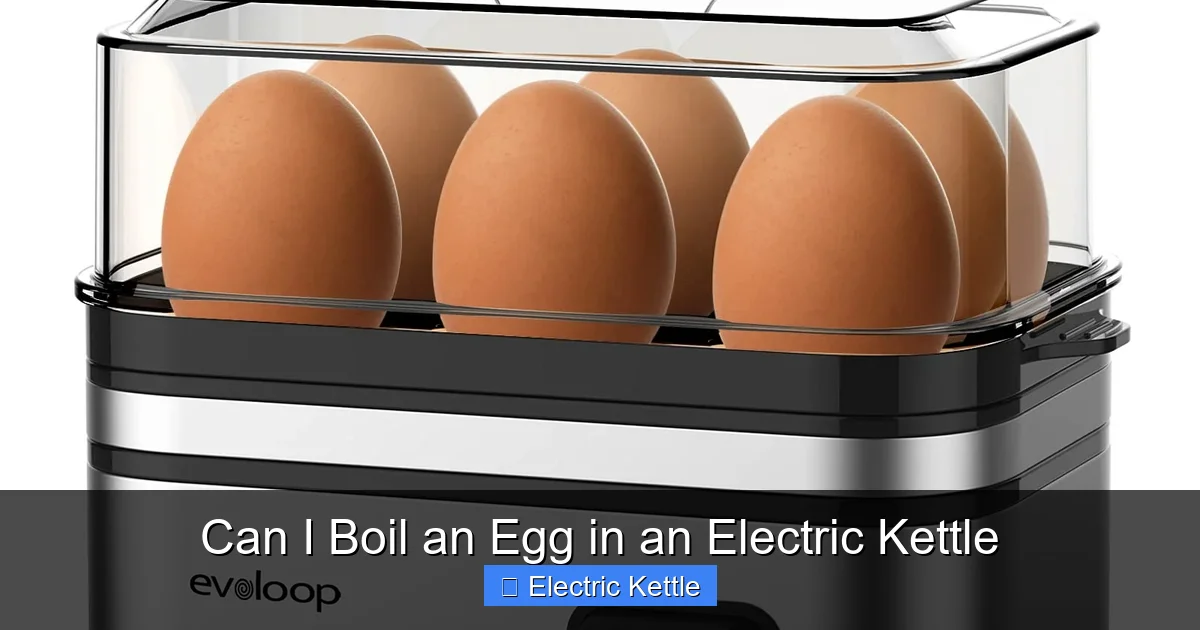
Visual guide about Can I Boil an Egg in an Electric Kettle
Image source: m.media-amazon.com
Before we dive into boiling eggs, it helps to understand how electric kettles function. Most electric kettles are designed with a simple but effective mechanism: a heating element at the base heats water quickly and efficiently. When you flip the switch, electricity flows through the element, raising the temperature until the water reaches boiling point (around 212°F or 100°C at sea level). Once the water boils, an automatic shut-off feature kicks in to prevent overheating.
There are two main types of electric kettles: those with an exposed heating coil and those with a concealed (flat) heating element. The latter is more common in modern models and is generally safer and easier to clean. Kettles are typically made from stainless steel, glass, or heat-resistant plastic, each with its own pros and cons.
One key thing to note is that electric kettles are engineered for one primary purpose: boiling water. They’re not designed to handle solid foods like eggs. The heating element, especially if exposed, can create hot spots that may cause uneven cooking or even damage if foreign objects are introduced. Additionally, the automatic shut-off relies on steam detection—something that could be disrupted if an egg blocks the steam vent or alters the boiling process.
Understanding these basics helps explain why boiling eggs in a kettle isn’t as straightforward as it might seem. While the kettle can generate the heat needed, the environment inside isn’t optimized for cooking food safely or effectively.
Can You Actually Boil an Egg in an Electric Kettle?
Now for the big question: *Can you actually boil an egg in an electric kettle?* The answer is a cautious yes—under the right conditions.
Many people have successfully boiled eggs in their kettles, especially when using models with a flat heating base and enough water to fully submerge the eggs. The process is similar to traditional boiling: you add water, drop in the eggs, and let the kettle do its thing. However, success depends heavily on your kettle’s design, the size of the eggs, and how carefully you monitor the process.
For example, a stainless steel kettle with a concealed heating element and a wide opening is more likely to handle eggs without issues. In contrast, a narrow, plastic kettle with an exposed coil might pose greater risks. Some users report that their kettles automatically shut off before the eggs are fully cooked, while others find that the eggs crack due to rapid temperature changes.
There are also reports of eggs exploding—yes, exploding—inside the kettle. This usually happens when the egg heats too quickly, causing steam to build up inside the shell until it bursts. Not only is this messy, but it can also damage the kettle’s interior or even pose a safety hazard if hot water and egg fragments spray out.
So while it’s *possible*, it’s not always reliable or safe. If you’re going to try it, proceed with caution—and maybe keep a fire extinguisher handy (just kidding… mostly).
Risks and Downsides of Boiling Eggs in a Kettle
Before you toss an egg into your kettle, it’s important to weigh the risks. While the idea of a quick, hands-off breakfast sounds appealing, there are several downsides to consider.
Egg Cracking and Exploding
One of the most common issues is egg cracking. When eggs are exposed to rapid heating, the liquid inside expands faster than the shell can handle. This can cause the egg to crack or, in extreme cases, explode. An exploding egg inside your kettle can splatter hot water, create a sticky mess, and potentially damage the heating element or interior surfaces.
Even if the egg doesn’t explode, a small crack can allow water to seep in, leading to a watery, unappetizing mess. Plus, the sulfur compounds in eggs can react with the metal in the kettle, creating unpleasant odors and stains.
Damage to the Kettle
Most electric kettles aren’t designed to cook food. Introducing solid items like eggs can interfere with the heating mechanism, clog the steam vent, or scratch the interior lining. Over time, this can reduce the kettle’s efficiency or even cause it to malfunction.
Additionally, egg residue can bake onto the heating element, especially if the kettle boils dry or overheats. This buildup is difficult to remove and can lead to persistent smells or reduced performance. In some cases, manufacturers explicitly state that using the kettle for anything other than water voids the warranty.
Cleaning Challenges
Cleaning a kettle after boiling eggs is no small task. Egg whites and yolks can stick to the walls and base, requiring scrubbing with vinegar, baking soda, or specialized cleaners. If the residue isn’t removed thoroughly, it can lead to off-flavors in future brews or even bacterial growth.
Plastic kettles are especially prone to staining and odor retention. Even after cleaning, you might notice a faint egg smell lingering in your tea or coffee—definitely not the morning refreshment you were hoping for.
Food Safety Concerns
Cooking eggs in a kettle raises food safety questions. If the water doesn’t reach a consistent boiling temperature or if the kettle shuts off too early, the eggs may not be fully cooked. Undercooked eggs can harbor harmful bacteria like Salmonella, posing a health risk.
Moreover, if the kettle isn’t cleaned properly after use, cross-contamination can occur. Residual egg particles could mix with water used for drinking or cooking, especially if the kettle isn’t rinsed thoroughly.
Inconsistent Results
Even if you manage to avoid explosions and damage, you might still end up with inconsistent results. Some eggs may come out perfectly soft-boiled, while others are overcooked or undercooked. This inconsistency makes it hard to rely on the kettle as a regular egg-cooking method.
How to Boil an Egg in an Electric Kettle (If You Must)
If you’ve weighed the risks and still want to give it a try, here’s a step-by-step guide to boiling eggs in an electric kettle as safely as possible.
Step 1: Check Your Kettle
First, make sure your kettle is suitable. Look for a model with a flat, concealed heating element and a wide opening. Stainless steel kettles are generally better than plastic ones for this purpose. Avoid kettles with exposed coils or narrow spouts.
Also, consult your user manual. If the manufacturer explicitly prohibits using the kettle for food, it’s best to listen. Doing so could void your warranty or lead to unsafe conditions.
Step 2: Use Fresh, Room-Temperature Eggs
Cold eggs are more likely to crack when dropped into hot water. Let your eggs sit at room temperature for about 15–20 minutes before use. This reduces the temperature shock and lowers the risk of cracking.
Step 3: Add Enough Water
Fill the kettle with enough water to fully submerge the eggs—usually about 1 to 1.5 liters, depending on the kettle size. Don’t overfill, as boiling water can expand and spill over.
Step 4: Gently Lower the Eggs
Use a spoon or egg holder to gently lower the eggs into the water. Avoid dropping them directly, as this can cause cracking. If your kettle has a narrow opening, this step can be tricky—proceed slowly.
Step 5: Boil and Monitor
Turn on the kettle and let it boil. Most kettles will shut off automatically once the water reaches boiling point. However, this usually takes only 3–5 minutes—enough for soft-boiled eggs, but not hard-boiled ones.
If you want hard-boiled eggs, you’ll need to keep the kettle on longer. Some kettles allow you to override the auto shut-off, but this is risky. Overheating can damage the appliance or cause the eggs to explode.
A safer option is to boil the eggs for 3–4 minutes (for soft-boiled) and then transfer them to a pot of boiling water on the stove to finish cooking. This hybrid method reduces risk while still saving time.
Step 6: Cool and Peel
Once done, use tongs or a spoon to remove the eggs and place them in a bowl of ice water. This stops the cooking process and makes peeling easier. Let them cool for 5–10 minutes before peeling.
Step 7: Clean Thoroughly
After use, clean the kettle immediately. Rinse it out, then soak it in a mixture of water and white vinegar (1:1 ratio) for 30 minutes. Scrub gently with a soft brush or sponge to remove any residue. Rinse well and dry before using again.
Safer Alternatives to Boiling Eggs in a Kettle
Given the risks, you might be wondering: *Is there a better way?* Absolutely. Here are some safer, more reliable alternatives for boiling eggs.
Use a Pot on the Stove
The classic method is still the best. Simply place eggs in a pot, cover with cold water, bring to a boil, then reduce heat and simmer for 9–12 minutes depending on your preferred doneness. This method gives you full control over timing and temperature.
Try an Egg Cooker
Electric egg cookers are affordable, easy to use, and designed specifically for boiling or steaming eggs. They come with timers, measuring cups, and automatic shut-off features. Many can cook multiple eggs at once and produce consistent results every time.
Use a Microwave (With Caution)
You can boil eggs in the microwave using a microwave-safe container and water. However, this method carries a risk of explosion if the egg isn’t pierced first. Always use a lid or vented cover, and monitor closely.
Steam Instead of Boil
Steaming eggs in a steamer basket over boiling water can yield creamier yolks and reduce the risk of cracking. It’s a gentler cooking method that many chefs prefer.
Batch Cook and Store
If you eat boiled eggs regularly, consider batch cooking. Boil a dozen eggs at once, peel them, and store in the fridge for up to a week. This saves time and ensures you always have a healthy snack on hand.
What the Experts Say
We reached out to kitchen appliance experts and food safety specialists to get their take on boiling eggs in electric kettles.
According to Dr. Lisa Chen, a food safety consultant, “While it’s technically possible, boiling eggs in a kettle introduces unnecessary risks. The appliance isn’t designed for food, and the lack of temperature control can lead to undercooked eggs or appliance damage.”
James Rivera, a small appliance technician, adds, “I’ve seen kettles ruined by egg residue baked onto the heating element. It’s a tough cleanup, and in some cases, the kettle becomes unusable.”
Most manufacturers, including brands like Breville, Cuisinart, and Hamilton Beach, explicitly state in their manuals that kettles should only be used for water. Using them for other purposes may void the warranty.
That said, some users swear by the method—especially travelers or college students with limited kitchen access. If you’re in a pinch and decide to try it, proceed with extreme caution and clean thoroughly afterward.
Final Thoughts: Should You Boil Eggs in an Electric Kettle?
So, can you boil an egg in an electric kettle? Yes—but should you? Probably not.
While it’s a clever hack in a bind, the risks often outweigh the benefits. From cracked eggs and appliance damage to cleaning nightmares and food safety concerns, there are plenty of reasons to think twice.
If you’re looking for a quick, convenient way to boil eggs, consider investing in a dedicated egg cooker or using your stovetop. These methods are safer, more reliable, and designed for the task.
That said, if you’re curious and willing to take the risk, follow the steps outlined above and clean your kettle immediately afterward. And maybe keep a backup kettle just in case.
At the end of the day, your electric kettle is best reserved for what it does best: heating water quickly and efficiently. Let it shine at its primary job, and leave the egg boiling to the tools built for it.
Frequently Asked Questions
Can I boil an egg in any electric kettle?
Not all electric kettles are suitable for boiling eggs. Models with a flat, concealed heating element and a wide opening are more likely to work safely. Avoid kettles with exposed coils or narrow spouts, and always check the user manual first.
Will boiling eggs damage my electric kettle?
Yes, it can. Egg residue can stick to the heating element and interior, leading to stains, odors, and potential damage. Over time, this buildup may affect performance or void your warranty.
How long does it take to boil an egg in an electric kettle?
Most kettles boil water in 3–5 minutes, which is enough for soft-boiled eggs. For hard-boiled eggs, you’ll need additional cooking time, which the kettle may not provide safely.
Can eggs explode in an electric kettle?
Yes, eggs can explode if they heat too quickly or if steam builds up inside the shell. This is more likely with cold eggs or rapid boiling, so always use room-temperature eggs and monitor closely.
How do I clean my kettle after boiling eggs?
Rinse the kettle immediately, then soak it in a 1:1 mixture of water and white vinegar for 30 minutes. Scrub gently with a soft brush, rinse thoroughly, and dry before reuse.
Is it safe to drink water from a kettle after boiling eggs?
Only if the kettle is cleaned thoroughly. Residual egg particles or odors can affect the taste and safety of future brews. Always clean the kettle well after use.