Yes, you can boil an egg in an electric kettle, but it’s not recommended due to safety risks and potential damage to your appliance. While it’s technically possible, improper use can lead to cracked eggs, burnt residues, and even electrical hazards. This guide explains the dos and don’ts, safer alternatives, and how to clean your kettle afterward.
Key Takeaways
- Technically possible but risky: Boiling eggs in an electric kettle can work, but it poses safety and hygiene concerns.
- Potential for appliance damage: Eggshells, residue, and steam buildup may harm the heating element or interior coating.
- Not all kettles are suitable: Plastic or non-stick interiors increase the risk of melting or chemical leaching at high temperatures.
- Cleaning is essential: Leftover egg residue can cause odors, clogs, and bacterial growth if not cleaned properly.
- Safer alternatives exist: Use a pot on the stove or an egg cooker for reliable, safe results.
- Follow manufacturer guidelines: Most electric kettle manuals explicitly warn against cooking food inside.
- Experiment with caution: If you try it, use low-risk methods like steaming or partial boiling with extra care.
📑 Table of Contents
- Can I Boil Egg in Electric Kettle? The Truth Behind the Trend
- How Electric Kettles Work and Why They’re Not Built for Eggs
- The Risks of Boiling Eggs in an Electric Kettle
- Can You Safely Boil Eggs in an Electric Kettle? Tips and Warnings
- Safer Alternatives to Boiling Eggs in an Electric Kettle
- How to Clean Your Electric Kettle After Boiling Eggs
- Final Thoughts: Should You Boil Eggs in an Electric Kettle?
Can I Boil Egg in Electric Kettle? The Truth Behind the Trend
You’ve probably seen viral videos or TikTok hacks showing someone dropping an egg into an electric kettle and hitting the boil button. It looks quick, easy, and almost magical—no stove, no pot, just hot water and a few minutes. But before you try it, let’s pause and ask the real question: Is it actually safe?
The short answer is yes, you can boil an egg in an electric kettle—but that doesn’t mean you should. Electric kettles are designed to heat water, not cook food. While they can reach boiling temperatures (around 212°F or 100°C), using them for anything beyond water introduces risks that most manufacturers don’t cover. From cracked eggs to burnt interiors and lingering smells, the consequences can outweigh the convenience.
In this guide, we’ll explore whether boiling eggs in an electric kettle is a clever kitchen hack or a recipe for disaster. We’ll break down the science, the risks, the cleaning challenges, and safer alternatives. Whether you’re a college student in a dorm, a busy professional with limited kitchen tools, or just curious about kitchen hacks, this article will give you the facts you need to make an informed decision.
How Electric Kettles Work and Why They’re Not Built for Eggs
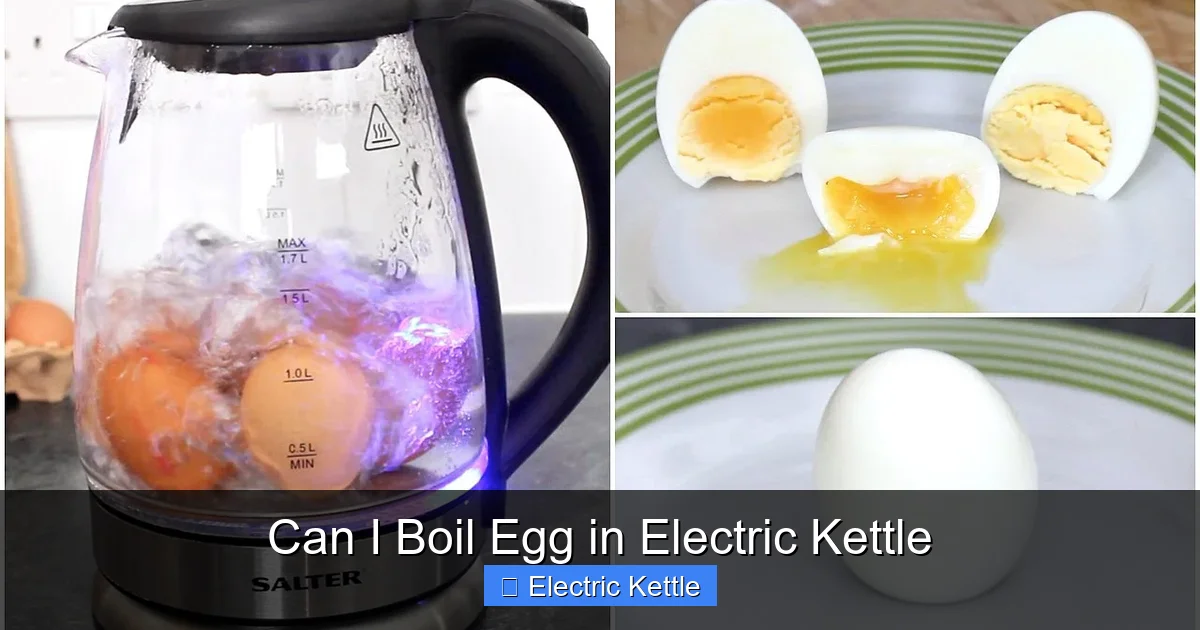
Visual guide about Can I Boil Egg in Electric Kettle
Image source: i.ytimg.com
To understand why boiling eggs in an electric kettle is risky, it helps to know how these appliances function. Most electric kettles use a concealed or exposed heating element at the base to rapidly heat water. When you press the boil button, the element heats up, transferring energy to the water until it reaches boiling point. Once the water boils, an automatic shut-off mechanism turns off the kettle to prevent overheating.
This design is perfect for making tea, coffee, or instant noodles—but not for cooking solid foods like eggs. Here’s why:
Heating Element Vulnerability
The heating element in your kettle is calibrated for water, not for direct contact with food. When an egg cracks or leaks, egg white and yolk can drip onto the heating element. This residue can burn, creating smoke, unpleasant odors, and even damaging the element over time. In extreme cases, it can cause electrical shorts or reduce the kettle’s lifespan.
Temperature Control Limitations
Unlike stovetop pots or dedicated egg cookers, electric kettles don’t offer precise temperature control. They heat water to a rolling boil and then shut off. This sudden, intense heat can cause eggs to crack from thermal shock—especially if they’re cold from the fridge. The rapid expansion of air inside the egg can make it explode, scattering bits of shell and egg throughout the kettle.
Interior Material Concerns
Many modern kettles have plastic exteriors or non-stick coatings on the interior. While these materials are safe for boiling water, they may not withstand the prolonged exposure to food particles and high heat. Plastic can warp or release chemicals when overheated, and non-stick coatings can degrade when scratched by eggshells or cleaning tools.
Lack of Venting and Steam Management
When an egg boils, it releases steam and gases. In a sealed or poorly vented kettle, this can increase internal pressure. While most kettles have vents, they’re not designed to handle the volume of steam produced by cooking food. This can lead to leaks, spills, or even damage to the lid and seals.
In short, electric kettles are optimized for one job: heating water quickly and safely. Using them for anything else—like boiling eggs—goes beyond their intended design and introduces unnecessary risks.
The Risks of Boiling Eggs in an Electric Kettle
Now that we understand how kettles work, let’s dive into the specific dangers of using them to boil eggs. While it might seem like a harmless shortcut, the risks range from minor inconveniences to serious safety hazards.
Cracked and Exploding Eggs
One of the most common issues is eggs cracking or even exploding inside the kettle. This happens for two main reasons: thermal shock and pressure buildup. If you drop a cold egg into boiling water, the rapid temperature change can cause the shell to crack. Additionally, as the egg heats, air and steam build up inside the shell. Without a way to escape, the pressure can cause the egg to burst—sending bits of shell and egg flying.
Imagine opening your kettle to find a sticky, slimy mess with shell fragments stuck to the walls and heating element. Not only is this a cleaning nightmare, but it can also clog the spout or damage internal components.
Residue and Staining
Even if the egg doesn’t explode, egg white and yolk can still leak out during boiling. These proteins coagulate when heated and stick to surfaces like glue. Over time, this residue can build up on the kettle’s interior, creating stubborn stains and a lingering eggy smell. Cleaning it out requires soaking, scrubbing, and sometimes special cleaners—none of which are ideal for an appliance meant for drinking water.
Damage to the Heating Element
The heating element is the heart of your electric kettle. When egg residue burns onto it, it can insulate the element, reducing its efficiency. This means your kettle may take longer to boil water or fail to reach the correct temperature. In severe cases, the element can overheat and burn out, requiring costly repairs or replacement.
Electrical and Fire Hazards
While rare, there’s a real risk of electrical issues if food debris comes into contact with live components. Burnt egg residue can create conductive paths or cause short circuits. In extreme cases, this could lead to sparks, smoke, or even a fire—especially if the kettle is left unattended or used repeatedly for cooking.
Voiding the Warranty
Most electric kettle manufacturers explicitly state in their user manuals that the appliance is for water only. Using it to cook food—like boiling eggs—typically voids the warranty. So if your kettle breaks down after you’ve used it for eggs, you’re likely on your own for repairs or replacement.
Unpleasant Odors and Taste Transfer
Even after cleaning, egg residue can leave behind a persistent smell. This odor can transfer to future batches of water, making your morning coffee taste like breakfast. Over time, bacteria can also grow in hard-to-reach areas, especially if the kettle isn’t dried properly after cleaning.
In summary, while boiling an egg in an electric kettle might seem like a clever hack, the risks far outweigh the benefits. From appliance damage to safety hazards and hygiene concerns, it’s a gamble that most experts don’t recommend.
Can You Safely Boil Eggs in an Electric Kettle? Tips and Warnings
So, is there any safe way to boil eggs in an electric kettle? The answer is: maybe—but only with extreme caution and under specific conditions. If you’re determined to try it, here are some tips to minimize the risks.
Use Only High-Quality, Metal Kettles
If you must experiment, choose a kettle with a stainless steel interior. These are more durable and less likely to scratch or degrade when exposed to food. Avoid kettles with plastic interiors or non-stick coatings, as they’re more prone to damage and chemical leaching.
Start with Room-Temperature Eggs
Cold eggs are more likely to crack when dropped into boiling water. Let your eggs sit at room temperature for 15–20 minutes before boiling. This reduces thermal shock and lowers the chance of cracking.
Use a Protective Container
Instead of dropping the egg directly into the kettle, place it in a heat-safe container like a small metal bowl or silicone egg cup. This prevents direct contact with the heating element and makes retrieval easier. Make sure the container is small enough to fit and won’t float or tip over.
Don’t Overfill the Kettle
Fill the kettle with just enough water to cover the egg and container. Overfilling increases the risk of boiling over, which can damage the base or cause electrical issues. Leave at least an inch of space at the top.
Monitor the Process Closely
Never leave the kettle unattended. Stay nearby and watch for signs of cracking, boiling over, or smoke. If anything seems off, turn it off immediately.
Limit the Number of Eggs
Boil only one egg at a time. Multiple eggs increase the chance of cracking, residue buildup, and uneven cooking. It’s also harder to retrieve them without damaging the kettle.
Clean Immediately After Use
As soon as the kettle cools, remove the egg and container. Rinse the interior thoroughly with warm water. For stubborn residue, soak the kettle in a mixture of water and vinegar (1:1 ratio) for 30 minutes, then scrub gently with a soft brush. Avoid abrasive sponges or steel wool, which can scratch the surface.
Test for Odors Before Next Use
Before using the kettle for water again, run a cycle with fresh water and sniff the steam. If you detect any egg smell, repeat the cleaning process. You can also add a slice of lemon or a tablespoon of baking soda to help neutralize odors.
Know When to Stop
If you notice any damage, strange smells, or performance issues, stop using the kettle for eggs immediately. It’s not worth risking your safety or the appliance’s functionality.
While these tips can reduce some risks, they don’t eliminate them. Even with precautions, boiling eggs in an electric kettle remains a risky experiment. For most people, the safer and more reliable option is to use a pot on the stove or a dedicated egg cooker.
Safer Alternatives to Boiling Eggs in an Electric Kettle
If you’re looking for quick and easy ways to boil eggs without a stove, there are better options than risking your electric kettle. Here are some safer, more effective alternatives.
Use a Small Pot on the Stove
The classic method is still the best. Place eggs in a small pot, cover with cold water, and bring to a boil. Once boiling, reduce heat and simmer for 6–12 minutes depending on your preferred doneness. This method gives you full control over timing and temperature.
Try an Electric Egg Cooker
Electric egg cookers are affordable, compact, and designed specifically for boiling or steaming eggs. They come with measuring cups, timers, and automatic shut-off features. Some models can even make omelets or poached eggs. They’re perfect for dorm rooms, offices, or small kitchens.
Use a Microwave (With Caution)
Yes, you can boil eggs in a microwave—but only if you use a microwave-safe container and pierce the egg yolk beforehand. Place the egg in a bowl of water, cover it, and heat in short intervals (30 seconds at a time). Be careful: microwaved eggs can explode if not vented properly.
Steam Eggs in a Bamboo Steamer
If you have a steamer basket, you can steam eggs over boiling water. This method produces tender, evenly cooked eggs with less risk of cracking. It’s a great option if you’re already steaming vegetables or dumplings.
Use a Slow Cooker or Instant Pot
Both appliances can boil eggs safely. In a slow cooker, place eggs in water and cook on high for 2–3 hours. In an Instant Pot, use the “Egg” setting or manual pressure cooking for 5–7 minutes, followed by a quick release. These methods are hands-off and reliable.
Hard-Boil Eggs in the Oven
Preheat your oven to 325°F (160°C). Place eggs in a muffin tin and bake for 25–30 minutes. This method is great for making large batches and requires no water or monitoring.
Each of these alternatives is safer, more efficient, and better suited for cooking eggs than an electric kettle. They also preserve the lifespan of your appliances and reduce the risk of accidents.
How to Clean Your Electric Kettle After Boiling Eggs
If you’ve already tried boiling eggs in your kettle, don’t panic—just act quickly to clean it properly. The key is to remove all residue before it hardens or causes odors.
Step 1: Let It Cool Completely
Never clean a hot kettle. Wait until it’s cool to the touch to avoid burns or warping the interior.
Step 2: Empty and Rinse
Pour out any remaining water and egg debris. Rinse the interior with warm water to remove loose particles.
Step 3: Soak in Vinegar Solution
Mix equal parts white vinegar and water. Pour the solution into the kettle and let it soak for 30–60 minutes. Vinegar helps dissolve mineral deposits and egg residue.
Step 4: Scrub Gently
Use a soft brush or sponge to scrub the interior, focusing on the heating element and spout. Avoid abrasive tools that can scratch the surface.
Step 5: Rinse Thoroughly
Empty the vinegar solution and rinse the kettle several times with clean water. Make sure no vinegar taste or smell remains.
Step 6: Deodorize (If Needed)
If there’s still an egg smell, add a slice of lemon or a tablespoon of baking soda to a full kettle of water. Boil and let it sit for 10 minutes, then rinse again.
Step 7: Dry Completely
Wipe the exterior with a dry cloth and let the interior air-dry with the lid open. Moisture can promote mold or bacteria growth.
Step 8: Test with Water
Run a cycle with fresh water and check for any lingering odors or tastes. If everything smells and tastes clean, your kettle is ready for normal use.
Regular cleaning after any food experiment will help maintain your kettle’s performance and hygiene.
Final Thoughts: Should You Boil Eggs in an Electric Kettle?
So, can you boil an egg in an electric kettle? Technically, yes—but it’s not a smart or safe choice for regular use. While it might seem like a convenient hack, the risks of appliance damage, electrical hazards, and hygiene issues make it a poor alternative to traditional cooking methods.
Electric kettles are built for one purpose: heating water. Using them for anything else pushes them beyond their design limits. Even with precautions, the potential for cracked eggs, burnt residue, and lingering odors is high. And if something goes wrong, you could end up with a broken kettle and a voided warranty.
Instead, opt for safer, more reliable methods like stovetop boiling, electric egg cookers, or microwave steaming. These options are designed for cooking food and offer better control, consistency, and safety.
If you’re in a pinch and have no other tools, proceed with extreme caution—but know that it’s a temporary solution, not a long-term habit. And always clean your kettle thoroughly afterward to protect its performance and your health.
In the end, kitchen hacks should make life easier, not riskier. So the next time you’re tempted to drop an egg into your electric kettle, ask yourself: is it worth the gamble? For most of us, the answer is no.
Frequently Asked Questions
Can I boil an egg in an electric kettle without it cracking?
It’s possible, but not guaranteed. Using room-temperature eggs and a protective container can reduce cracking, but the intense heat and lack of control in electric kettles still pose a high risk of breakage.
Will boiling eggs damage my electric kettle?
Yes, it can. Egg residue can burn onto the heating element, cause odors, and potentially damage internal components. Repeated use may shorten the kettle’s lifespan or void the warranty.
Is it safe to use my kettle for water after boiling eggs?
Only if it’s cleaned thoroughly. Residual egg proteins and odors can transfer to future water batches. Clean with vinegar and water, and test for smells before reuse.
Can I steam eggs in an electric kettle instead of boiling?
Steaming is slightly safer than boiling, but still not recommended. Without proper venting and temperature control, steam buildup can damage the kettle or cause leaks.
What’s the safest way to boil eggs without a stove?
Use an electric egg cooker, microwave (with caution), or a slow cooker. These appliances are designed for cooking eggs and offer better safety and results than an electric kettle.
Do manufacturers allow boiling eggs in electric kettles?
No. Most user manuals explicitly state that kettles are for water only. Using them for food typically voids the warranty and is not covered by customer support.