Yes, you can boil eggs in an electric kettle—but it’s not as simple as dropping them in and pressing start. With the right technique, safety precautions, and a suitable kettle, you can achieve perfectly cooked eggs in minutes. This guide covers everything you need to know to do it safely and effectively.
Key Takeaways
- Yes, it’s possible: You can boil eggs in an electric kettle, but only if it’s designed for it or you use proper safety measures.
- Not all kettles are safe: Plastic-lined or non-stick kettles may release harmful fumes when eggs are boiled inside.
- Use room-temperature eggs: Cold eggs can crack when placed in hot water, leading to mess and uneven cooking.
- Monitor cooking time: Overcooking can cause eggs to explode; aim for 8–12 minutes depending on desired doneness.
- Clean thoroughly afterward: Egg residue can stick to the heating element and interior, so rinse and wipe immediately.
- Consider alternatives: While convenient, dedicated egg cookers or stovetop methods offer more control and safety.
- Check your warranty: Using your kettle for eggs may void the manufacturer’s warranty—read the manual first.
📑 Table of Contents
- Can I Boil Eggs in an Electric Kettle?
- How Does Boiling Eggs in an Electric Kettle Work?
- Is It Safe to Boil Eggs in an Electric Kettle?
- Step-by-Step Guide: How to Boil Eggs in an Electric Kettle
- Alternative Methods and Tools
- Cleaning and Maintenance After Boiling Eggs
- Pros and Cons of Boiling Eggs in an Electric Kettle
- Final Thoughts: Should You Try It?
Can I Boil Eggs in an Electric Kettle?
So, you’re standing in your kitchen, staring at your electric kettle, wondering: *Can I really boil eggs in this thing?* Maybe you’re in a dorm room without a stove, or you’re just looking for a quicker way to make breakfast. The short answer? Yes—you *can* boil eggs in an electric kettle. But before you drop those eggs in and hit the boil button, there are some important things to know.
Electric kettles are designed to heat water quickly and efficiently. They’re not built for cooking food directly, but that doesn’t mean it’s impossible. With the right approach, you can use your kettle to boil eggs safely and effectively. However, it’s not as simple as just adding eggs and water. You’ll need to consider your kettle’s material, the size of the eggs, cooking time, and safety precautions.
In this guide, we’ll walk you through everything you need to know about boiling eggs in an electric kettle—from how it works, to the risks involved, step-by-step instructions, and even tips for getting the perfect soft, medium, or hard-boiled egg. Whether you’re a college student, a busy professional, or just curious, this article will help you make an informed decision.
How Does Boiling Eggs in an Electric Kettle Work?
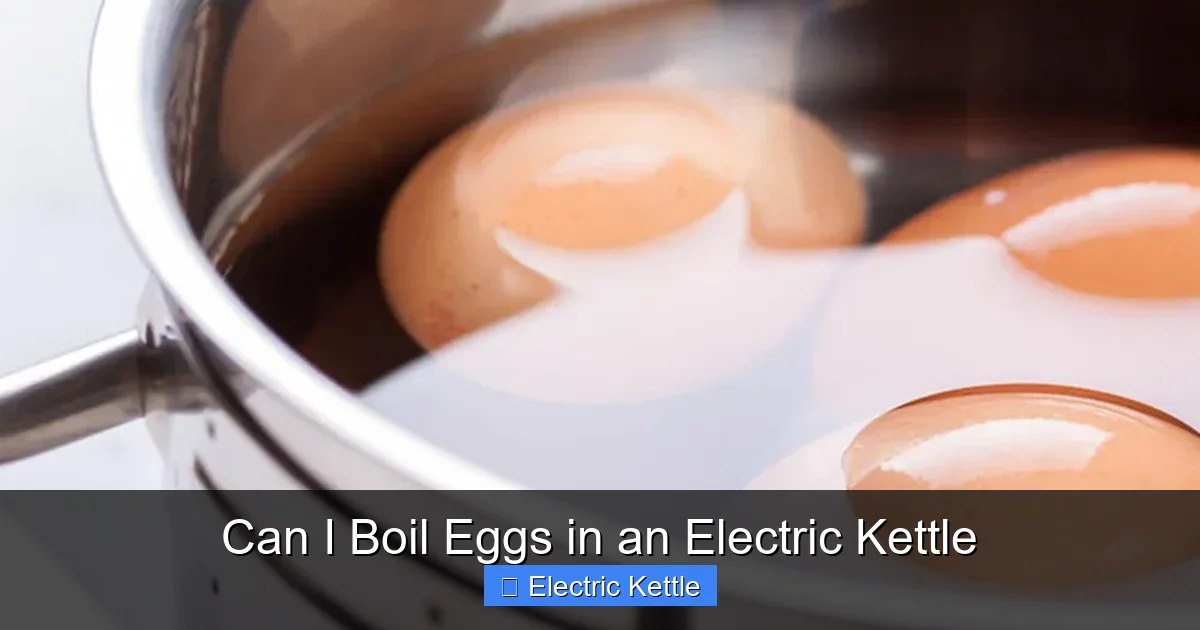
Visual guide about Can I Boil Eggs in an Electric Kettle
Image source: evoloop-home.com
At its core, boiling eggs in an electric kettle works the same way as boiling them on a stove: you submerge the eggs in hot water and let the heat cook them from the outside in. The electric kettle heats the water to boiling point (around 212°F or 100°C), and the eggs absorb that heat over time, causing the proteins in the egg white and yolk to denature and solidify.
But here’s the catch: electric kettles aren’t designed to hold solid objects like eggs. Most kettles have a heating element at the bottom, and when you place eggs directly on it, they can block heat distribution, cause uneven cooking, or even damage the element. That’s why the method you use matters.
The most common and safest way to boil eggs in a kettle is to use a heat-safe container or egg holder. For example, you can place the eggs in a small metal bowl or a silicone egg tray that fits inside the kettle. This keeps the eggs off the heating element and allows water to circulate around them evenly.
Another method is to simply lower the eggs gently into the water using a spoon or tongs, making sure they’re fully submerged. But this requires careful handling to avoid cracking the shells or dropping them too hard.
The Science Behind Egg Cooking
Understanding how eggs cook can help you get better results. Egg whites begin to set at around 144°F (62°C), while yolks start thickening at about 149°F (65°C). Full coagulation—where the egg becomes solid—happens around 158°F (70°C) for whites and 172°F (78°C) for yolks.
When you boil eggs, the goal is to reach these temperatures evenly without overcooking. Overcooked eggs develop that unpleasant green-gray ring around the yolk (caused by a reaction between iron in the yolk and sulfur in the white) and can become rubbery.
In an electric kettle, the water heats rapidly, but the eggs may not cook uniformly if they’re touching the sides or bottom. That’s why stirring the water gently or using a container can help distribute heat more evenly.
Why People Try This Method
So why would anyone want to boil eggs in a kettle instead of using a pot on the stove? There are a few practical reasons:
– **Speed:** Electric kettles boil water faster than stovetop pots, especially if you’re only heating a small amount.
– **Convenience:** In dorms, offices, or small apartments, a kettle might be the only heating appliance available.
– **Energy efficiency:** Kettles use less energy than stovetops for small tasks.
– **Minimal cleanup:** If done right, you only need to clean the kettle—no pots, pans, or burners.
But convenience comes with trade-offs. You sacrifice control over heat levels (most kettles don’t have adjustable temperatures), and there’s a higher risk of overcooking or cracking eggs if you’re not careful.
Is It Safe to Boil Eggs in an Electric Kettle?
Safety is the biggest concern when boiling eggs in an electric kettle. While it’s technically possible, it’s not officially recommended by most manufacturers. Here’s why:
Risk of Damage to the Kettle
Many electric kettles have plastic components, non-stick coatings, or delicate heating elements. Boiling eggs—especially if they crack—can introduce organic matter into the kettle, which may stick to the interior or clog the spout. Over time, this buildup can affect performance and even create unpleasant odors.
If eggs crack and leak into the heating element, they can cause short circuits or permanent damage. Some kettles have automatic shut-off features that may trigger if the sensor detects something other than water, but not all models are equipped with this.
Potential for Harmful Fumes
If your kettle has a plastic interior or non-stick coating, boiling eggs could cause these materials to overheat and release fumes. While most modern kettles are made with food-safe materials, exposing them to direct contact with food (especially at high temperatures) can degrade coatings over time.
For example, Teflon-coated kettles are not designed for food contact beyond water. Heating them with eggs inside could lead to microscopic particles flaking off, which is not safe to ingest.
Risk of Egg Explosion
One of the scariest risks is egg explosion. When eggs are heated too quickly or unevenly, steam builds up inside the shell. If the pressure gets too high, the egg can burst—sometimes violently—sending hot egg fragments flying.
This is more likely to happen if:
– The eggs are very cold (straight from the fridge).
– The shells have tiny cracks.
– The water heats too rapidly.
To minimize this risk, always use room-temperature eggs and avoid dropping them into boiling water. Lower them gently and ensure they’re fully submerged.
Warranty and Manufacturer Guidelines
Most electric kettle manufacturers explicitly state that their products are for heating water only. Using them to cook food—like boiling eggs—may void your warranty. For example, brands like Breville, Cuisinart, and Hamilton Beach often include warnings in their manuals against using the kettle for anything other than water.
If something goes wrong—like a burnt heating element or damaged interior—you likely won’t be covered under warranty if you were boiling eggs.
Step-by-Step Guide: How to Boil Eggs in an Electric Kettle
If you’ve weighed the risks and still want to try boiling eggs in your kettle, here’s a safe and effective method. Follow these steps carefully to get the best results.
What You’ll Need
– Electric kettle (preferably stainless steel or glass, not plastic-lined)
– Fresh eggs (room temperature)
– Small heat-safe container or silicone egg tray (optional but recommended)
– Tongs or spoon
– Timer
– Bowl of ice water (for cooling, optional)
Step 1: Choose the Right Kettle
Not all kettles are created equal. For boiling eggs, avoid models with:
– Plastic interiors
– Non-stick coatings
– Small openings that make it hard to remove eggs
Stainless steel or glass kettles are your best bet. They’re durable, easy to clean, and less likely to react with food. If your kettle has a wide opening, that’s even better—it makes inserting and removing eggs much easier.
Step 2: Prepare the Eggs
Take your eggs out of the fridge at least 30 minutes before cooking. Cold eggs are more likely to crack when exposed to sudden heat. If you’re in a hurry, you can place them in a bowl of warm (not hot) water for 10–15 minutes to bring them to room temperature.
Inspect each egg for cracks. Even tiny fractures can lead to leaks or explosions during boiling.
Step 3: Add Water and Eggs
Fill the kettle with enough water to fully submerge the eggs—usually about 1–2 cups, depending on the number of eggs. Don’t overfill; leave at least an inch of space to prevent boiling over.
If you’re using a container or egg tray, place it in the kettle first, then add the eggs. This keeps them off the heating element and reduces the risk of cracking.
If you’re placing eggs directly in the water, use a spoon or tongs to lower them gently. Don’t drop them—this can crack the shells.
Step 4: Boil the Water
Close the kettle lid and press the boil button. Most kettles will automatically shut off when the water reaches boiling point, usually in 3–5 minutes.
Once the kettle turns off, start your timer. Cooking time depends on how you like your eggs:
– **Soft-boiled:** 6–8 minutes (runny yolk)
– **Medium-boiled:** 9–10 minutes (jammy yolk)
– **Hard-boiled:** 11–12 minutes (fully set yolk)
Note: These times are approximate. Factors like egg size, altitude, and initial water temperature can affect results.
Step 5: Cool and Peel
When the timer goes off, immediately remove the eggs using tongs or a spoon. Place them in a bowl of ice water for 5–10 minutes. This stops the cooking process and makes peeling easier.
After cooling, gently tap the eggs on a hard surface and roll them to crack the shell. Peel under running water to help remove the membrane.
Tips for Success
– **Don’t overcrowd:** Boil 2–4 eggs at a time, depending on kettle size.
– **Use a timer:** It’s easy to forget how long the eggs have been in.
– **Clean immediately:** Rinse the kettle with warm water and wipe the interior to remove any residue.
– **Test one egg first:** If you’re unsure about timing, try one egg and adjust for the next batch.
Alternative Methods and Tools
While boiling eggs in a kettle can work, it’s not the most reliable or safe method. If you’re looking for better alternatives, consider these options:
Dedicated Egg Cookers
Electric egg cookers are small appliances designed specifically for boiling or steaming eggs. They’re affordable (usually $20–$40), easy to use, and offer consistent results. Many models let you choose between soft, medium, or hard-boiled eggs with the push of a button.
They work by steaming the eggs, which can result in easier peeling and less risk of cracking. Plus, they’re safer than using a kettle since they’re built for food.
Stovetop Boiling
The traditional method—boiling eggs in a pot on the stove—is still the gold standard. It gives you full control over heat, timing, and water level. You can also use techniques like starting with cold water or bringing water to a boil first, depending on your preference.
Microwave Egg Cookers
Some people use microwave-safe egg cookers to boil eggs quickly. These are convenient but require careful timing to avoid explosions. They’re best for soft or medium eggs.
Instant Pot or Pressure Cooker
If you have a multi-cooker like an Instant Pot, you can boil eggs using the steam function. It’s fast, consistent, and hands-off. Many users swear by this method for perfect hard-boiled eggs every time.
Cleaning and Maintenance After Boiling Eggs
One of the most overlooked aspects of boiling eggs in a kettle is cleanup. Egg residue can stick to the interior, especially if an egg cracks. If left uncleaned, it can lead to odors, staining, or even affect the taste of future boiled water.
Immediate Rinse
As soon as you remove the eggs, rinse the kettle with warm water. Use a soft sponge or cloth to wipe the interior, paying special attention to the heating element and spout.
Avoid abrasive scrubbers or steel wool, as they can scratch stainless steel or damage coatings.
Deep Clean Weekly
Even if you rinse after each use, it’s a good idea to deep clean your kettle weekly. Use a mixture of equal parts water and white vinegar. Fill the kettle, boil the solution, let it sit for 15–20 minutes, then rinse thoroughly.
This removes mineral buildup and any lingering egg residue.
Check for Damage
After boiling eggs, inspect the kettle for signs of wear:
– Discoloration on the heating element
– Cracks or peeling in the interior
– Unusual smells when boiling water
If you notice any of these, stop using the kettle for eggs and consider replacing it.
Pros and Cons of Boiling Eggs in an Electric Kettle
Let’s break it down: is boiling eggs in a kettle worth it? Here’s a balanced look at the advantages and disadvantages.
Pros
– **Fast heating:** Kettles boil water quicker than stovetops.
– **Convenient for small spaces:** Great for dorms, offices, or RVs.
– **Energy-efficient:** Uses less power than a stove burner.
– **Minimal equipment needed:** No pots or pans required.
Cons
– **Safety risks:** Potential for cracking, explosions, or damage.
– **Limited control:** No temperature adjustment; hard to monitor.
– **Warranty issues:** May void manufacturer warranty.
– **Cleanup challenges:** Egg residue can be hard to remove.
– **Not designed for food:** Kettles are for water, not cooking.
Final Thoughts: Should You Try It?
So, can you boil eggs in an electric kettle? Absolutely. Should you? That depends.
If you’re in a pinch—say, you’re traveling, living in a dorm, or your stove is broken—it’s a viable temporary solution. Just make sure your kettle is safe, use room-temperature eggs, and follow the steps carefully.
But for everyday use, it’s better to stick with methods designed for cooking eggs. A dedicated egg cooker, stovetop pot, or Instant Pot will give you more consistent results with less risk.
Remember: convenience shouldn’t come at the cost of safety or appliance longevity. If you do decide to try it, treat it as an occasional hack—not a regular cooking method.
And always, *always* clean your kettle thoroughly afterward. Your future self (and your morning tea) will thank you.
Frequently Asked Questions
Can I boil eggs in any electric kettle?
Not all electric kettles are suitable. Avoid plastic-lined or non-stick models, as they may release harmful fumes or get damaged. Stainless steel or glass kettles are safer choices.
Will boiling eggs damage my kettle?
It can, especially if eggs crack and leak onto the heating element. Over time, residue buildup may affect performance or cause odors. Clean the kettle immediately after use to minimize damage.
How long should I boil eggs in a kettle?
For soft-boiled eggs, boil for 6–8 minutes; medium, 9–10 minutes; hard-boiled, 11–12 minutes. Start timing after the kettle shuts off. Use a timer for accuracy.
Can I use cold eggs straight from the fridge?
It’s not recommended. Cold eggs are more likely to crack when exposed to hot water. Let them sit at room temperature for 30 minutes before boiling.
What if my egg cracks while boiling?
Remove it immediately to prevent mess and contamination. The egg may still be edible if cooked thoroughly, but it’s best to discard it if it’s leaking heavily.
Does boiling eggs in a kettle void the warranty?
Most manufacturers state that kettles are for water only. Using them to cook food like eggs may void your warranty, so check the manual before trying.