Boiling eggs in an electric kettle is possible and surprisingly convenient, especially when you’re in a hurry or lack a stove. With the right technique and safety precautions, many modern kettles can handle eggs without damage—but not all models are suitable. This guide covers everything you need to know to do it right.
Key Takeaways
- Yes, you can boil eggs in some electric kettles: Many modern kettles with flat heating elements or stainless steel interiors can safely boil eggs if used correctly.
- Not all kettles are egg-friendly: Kettles with non-stick coatings, plastic interiors, or concealed heating elements may get damaged or pose safety risks.
- Use room-temperature eggs: Cold eggs can crack when placed in hot water; let them sit for 10–15 minutes before boiling.
- Don’t overfill the kettle: Leave space for the eggs and water expansion to prevent boiling over or sensor malfunctions.
- Clean thoroughly after use: Egg residue can stick to surfaces and affect taste or performance—rinse immediately.
- Check your warranty: Using your kettle for non-standard purposes like boiling eggs may void the manufacturer’s warranty.
- Alternative methods exist: If unsure, consider egg boilers or microwave-safe egg cookers as safer options.
📑 Table of Contents
- Can I Really Boil Eggs in My Electric Kettle?
- How Electric Kettles Work—And Why It Matters for Eggs
- Which Electric Kettles Are Safe for Boiling Eggs?
- Step-by-Step Guide: How to Boil Eggs in Your Electric Kettle
- Safety Tips and Common Mistakes to Avoid
- Pros and Cons of Boiling Eggs in an Electric Kettle
- Alternative Methods for Boiling Eggs Without a Stove
- Final Thoughts: Is It Worth Trying?
Can I Really Boil Eggs in My Electric Kettle?
You’ve probably used your electric kettle a hundred times to make tea, coffee, or instant noodles. But have you ever wondered, “Can I boil eggs in my electric kettle?” The short answer is: yes—sometimes. But it’s not as simple as dropping eggs into boiling water and walking away. There are important factors to consider, including your kettle’s design, safety, cleanliness, and long-term impact on the appliance.
Electric kettles are designed primarily to heat water quickly and efficiently. However, their simplicity and speed make them tempting for multitasking—like cooking eggs. In dorm rooms, offices, or small apartments where stovetops aren’t available, boiling eggs in a kettle can be a game-changer. It’s fast, requires minimal cleanup, and uses less energy than firing up a burner.
But before you toss those eggs in, it’s crucial to understand whether your kettle can handle it. Not all kettles are created equal. Some are built with materials and mechanisms that make egg boiling safe and effective, while others could be damaged—or worse, pose a safety hazard. This guide will walk you through everything you need to know to boil eggs in your electric kettle the right way, safely and successfully.
How Electric Kettles Work—And Why It Matters for Eggs
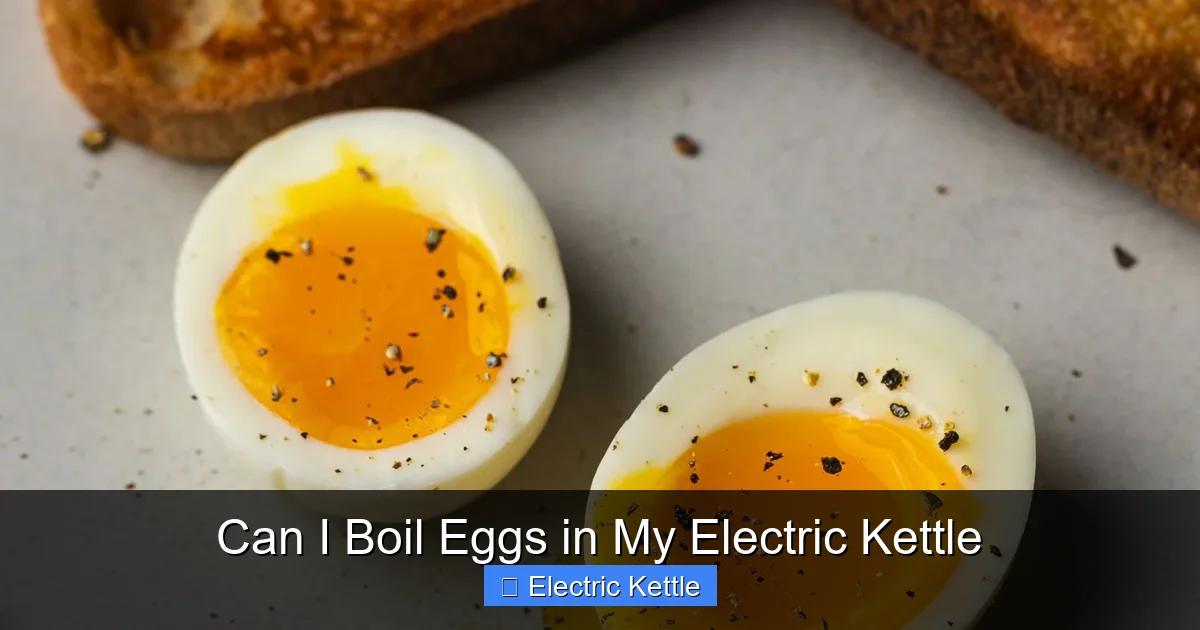
Visual guide about Can I Boil Eggs in My Electric Kettle
Image source: storables.com
To understand whether your kettle can boil eggs, it helps to know how these appliances function. Most electric kettles use one of two heating systems: a concealed heating element (hidden under a flat base) or an exposed coil at the bottom. The heating element warms the water rapidly, and once the water reaches boiling point (around 212°F or 100°C), an automatic shut-off mechanism turns the kettle off.
This process is ideal for heating water, but when you add eggs, things get more complicated. Eggs need consistent heat and enough water to stay submerged. If the water level is too low, the eggs may not cook evenly. If the heating element is exposed, the eggs could stick or crack against it. And if the kettle shuts off too soon—before the eggs are fully cooked—you’re left with undercooked results.
Another key factor is the interior material. Stainless steel kettles are generally the best for boiling eggs because they’re durable, non-reactive, and easy to clean. Glass kettles can work too, but you’ll need to be extra careful about thermal shock (sudden temperature changes that can crack glass). Plastic kettles, especially those with non-stick coatings, are risky—the heat and egg proteins can damage the surface or leave behind unpleasant odors.
So, while the basic principle of boiling eggs—submerging them in boiling water—is the same whether you’re using a pot or a kettle, the appliance’s design plays a huge role in whether it’s safe and effective.
Which Electric Kettles Are Safe for Boiling Eggs?
Not every electric kettle is suitable for boiling eggs. The good news is that many modern models can handle it—if you choose wisely. Here’s what to look for:
Stainless Steel Interiors
Kettles with stainless steel interiors are your best bet. They’re durable, resist staining, and can handle the proteins and minerals in eggs without degrading. Brands like Breville, Cuisinart, and Hamilton Beach often use high-quality stainless steel that’s safe for egg boiling. Just make sure the interior is smooth and free of scratches, as rough spots can trap egg residue.
Flat Heating Elements
Kettles with a flat, concealed heating element (usually under a stainless steel plate) are safer than those with exposed coils. The flat surface allows eggs to sit without direct contact with the heat source, reducing the risk of cracking or sticking. Exposed coils can cause hot spots and increase the chance of eggs breaking or burning.
Adequate Capacity
Your kettle should have enough room to hold the eggs fully submerged in water, with at least an inch of space above the water line. Overfilling can cause boiling water to spill out, triggering the kettle’s safety shut-off or creating a mess. A 1.5- to 1.7-liter kettle is ideal for boiling 2–4 eggs at a time.
Automatic Shut-Off with Delay
Some advanced kettles have a “keep warm” function or a delayed shut-off that keeps the water hot after boiling. This is helpful because eggs continue to cook even after the kettle turns off. If your kettle shuts off immediately, you may need to manually restart it or use a timer to ensure the eggs cook long enough.
Easy-to-Clean Design
After boiling eggs, you’ll need to clean the kettle thoroughly. Look for models with wide openings, removable lids, and smooth interiors that are easy to wipe down. Avoid kettles with narrow spouts or hard-to-reach corners where egg residue can accumulate.
What to Avoid
– Kettles with non-stick coatings (like Teflon): These can degrade when exposed to high heat and egg proteins.
– Plastic interiors: They can absorb odors, stain easily, and may warp or melt under prolonged heat.
– Glass kettles with thin walls: While beautiful, they’re more prone to cracking if eggs bump against them during boiling.
– Mini or travel kettles: These often lack the capacity and stability needed for safe egg boiling.
If you’re unsure about your kettle, check the user manual or contact the manufacturer. Some brands explicitly state whether their kettles can be used for purposes beyond heating water.
Step-by-Step Guide: How to Boil Eggs in Your Electric Kettle
Ready to give it a try? Follow this simple, safe method to boil eggs in your electric kettle. With a little care, you’ll have perfectly cooked eggs in under 10 minutes.
Step 1: Choose the Right Eggs
Use room-temperature eggs straight from the counter—not the fridge. Cold eggs are more likely to crack when placed in hot water due to thermal shock. If you only have cold eggs, let them sit in warm (not hot) water for 10–15 minutes before boiling.
Step 2: Prepare the Kettle
Make sure your kettle is clean and free of limescale or old coffee stains. Rinse it with fresh water. Place the eggs gently into the kettle, making sure they don’t crack or chip. Don’t force them—if they don’t fit comfortably, use fewer eggs.
Step 3: Add Water
Fill the kettle with enough cold water to fully cover the eggs by at least 1 inch. Don’t overfill—leave about 1–2 inches of space below the spout to prevent boiling over. Using cold water helps prevent sudden temperature changes that could crack the eggs or damage the kettle.
Step 4: Boil the Water
Close the lid and turn on the kettle. Let it boil completely. Most kettles will shut off automatically once the water reaches boiling point. For soft-boiled eggs, let them sit in the hot water for 4–6 minutes after the kettle turns off. For medium, 7–9 minutes. For hard-boiled, 10–12 minutes.
Step 5: Cool and Peel
Once the cooking time is up, carefully remove the eggs using a spoon or tongs. Place them in a bowl of ice water for 5 minutes to stop the cooking process and make peeling easier. The rapid cooling also helps separate the egg white from the shell.
Tips for Perfect Results
– Use a timer: It’s easy to forget how long the eggs have been sitting.
– Don’t open the lid during boiling: This can cause steam burns and disrupt the cooking process.
– Stir gently (optional): Some people gently swirl the eggs once or twice during boiling to ensure even cooking, but this isn’t necessary.
– Experiment with timing: Everyone’s preference for egg doneness varies. Start with 6 minutes for soft-boiled and adjust from there.
Safety Tips and Common Mistakes to Avoid
Boiling eggs in an electric kettle is generally safe—if you follow the rules. But there are several pitfalls that can lead to cracked eggs, damaged kettles, or even safety hazards.
Avoid Overfilling
This is the #1 mistake people make. Overfilling the kettle can cause water to boil over, triggering the automatic shut-off or spilling hot water onto the base. It can also prevent the eggs from being fully submerged, leading to uneven cooking. Always leave at least 1–2 inches of space below the spout.
Don’t Use Cold Eggs Straight from the Fridge
As mentioned earlier, cold eggs can crack when exposed to sudden heat. The outer shell expands faster than the inner membrane, causing splits. Let eggs come to room temperature first, or place them in warm water for 10 minutes before boiling.
Never Force Eggs Into a Too-Small Kettle
If the eggs don’t fit comfortably, don’t cram them in. This can lead to cracking during boiling or difficulty removing them afterward. Use a larger kettle or boil fewer eggs.
Watch for Cracks Before Boiling
Inspect each egg for hairline cracks. Even small cracks can worsen during boiling, causing the egg to leak or explode. Discard any damaged eggs.
Don’t Ignore Cleaning
Egg residue can stick to the kettle’s interior, especially around the heating element. If left uncleaned, it can burn during the next use, creating smoke, odors, or even damaging the kettle. Rinse the kettle immediately after use and wipe it down with a soft cloth.
Be Cautious with Older or Damaged Kettles
If your kettle has visible wear, rust, or a malfunctioning thermostat, don’t use it for boiling eggs. The added stress could cause it to fail or overheat.
Never Leave the Kettle Unattended
While most kettles have auto shut-off, it’s still wise to stay nearby, especially the first time you try boiling eggs. Watch for boiling over, strange smells, or unusual sounds.
Pros and Cons of Boiling Eggs in an Electric Kettle
Like any kitchen hack, boiling eggs in an electric kettle has its advantages and drawbacks. Let’s break them down so you can decide if it’s right for you.
Pros
- Speed: Electric kettles boil water faster than stovetops—often in 3–5 minutes.
- Convenience: Great for small spaces like dorms, offices, or RVs where stovetops aren’t available.
- Energy Efficiency: Uses less energy than heating a full pot of water on the stove.
- Easy Cleanup: Fewer pots and pans to wash—just rinse the kettle.
- Consistent Heat: Once boiling, the water stays hot, allowing for precise cooking times.
Cons
- Not All Kettles Are Suitable: Many models aren’t designed for this use and could be damaged.
- Risk of Cracking Eggs: If not done carefully, eggs can crack and leak into the water.
- Cleaning Challenges: Egg proteins can stick to surfaces, requiring extra scrubbing.
- Warranty Concerns: Using the kettle for non-standard purposes may void the warranty.
- Limited Capacity: Most kettles can only handle 2–4 eggs at a time.
- Potential Odor Transfer: If not cleaned well, egg smell can linger and affect future brews.
Overall, the pros often outweigh the cons—especially if you have the right kettle and follow best practices. But it’s not a one-size-fits-all solution.
Alternative Methods for Boiling Eggs Without a Stove
If you’re hesitant to use your electric kettle—or if your model isn’t suitable—there are other ways to boil eggs without a stovetop.
Electric Egg Cookers
These small appliances are designed specifically for boiling, poaching, or steaming eggs. They’re safe, easy to use, and often come with timers and multiple cooking settings. Brands like Dash and Chefman offer affordable models that take the guesswork out of egg cooking.
Microwave Egg Cookers
Microwave-safe egg boilers are another option. They use steam to cook eggs quickly and evenly. Just add water, place the eggs, and microwave for 5–8 minutes. Be cautious—eggs can explode in the microwave if not vented properly.
Thermal Cookers or Insulated Pots
If you have access to boiling water (from a kettle or another source), you can use a thermal cooker. Bring water to a boil, pour it over the eggs in an insulated container, and let them sit for 10–15 minutes. This method uses residual heat and requires no electricity during cooking.
Portable Induction Cooktops
For those with a bit more space, a small induction cooktop can be a versatile addition. Pair it with a small pot, and you’ve got a full stovetop experience without the bulk.
While these alternatives are safer and more reliable, boiling eggs in an electric kettle remains a clever, low-cost hack—if done correctly.
Final Thoughts: Is It Worth Trying?
So, can you boil eggs in your electric kettle? The answer is a cautious yes—especially if you have a stainless steel kettle with a flat heating element and follow the steps carefully. It’s a smart, efficient way to cook eggs when you’re short on time, space, or equipment.
But it’s not without risks. Using the wrong kettle can lead to damage, odors, or even safety issues. Always prioritize safety, cleanliness, and your appliance’s longevity. If you’re unsure, start with one egg and see how it goes. And remember: just because you *can* do something doesn’t always mean you *should*—unless you’re confident it’s safe and effective.
For many, boiling eggs in an electric kettle becomes a go-to kitchen trick. It’s fast, simple, and surprisingly effective. Just treat your kettle with care, and it’ll keep serving you—whether you’re brewing tea or cooking breakfast.
Frequently Asked Questions
Can I boil eggs in any electric kettle?
No, not all electric kettles are suitable. Avoid models with non-stick coatings, plastic interiors, or exposed heating coils. Stainless steel kettles with flat heating elements are the safest choice.
Will boiling eggs damage my kettle?
It can, if done improperly. Egg residue can stick to surfaces and burn, causing odors or damage. Always clean the kettle thoroughly after use and avoid overfilling.
How long does it take to boil eggs in an electric kettle?
The water boils in 3–5 minutes, but eggs need additional time in the hot water: 4–6 minutes for soft-boiled, 7–9 for medium, and 10–12 for hard-boiled.
Can I boil more than 4 eggs at once?
Most standard kettles can safely hold 2–4 eggs. Overcrowding can lead to cracking, uneven cooking, or boiling over. Use a larger kettle or cook in batches.
Do I need to add salt or vinegar to the water?
It’s not necessary, but a pinch of salt can help seal small cracks, and vinegar can make peeling easier. Add them after the eggs are in the water.
Will the kettle smell like eggs afterward?
It might, if not cleaned properly. Rinse the kettle immediately and wipe it down. For stubborn odors, boil a mixture of water and vinegar, then rinse thoroughly.