Boiling milk in an electric kettle is possible but not recommended due to safety risks, cleaning challenges, and potential damage to your appliance. While some kettles can handle it, most manufacturers advise against it to avoid burnt residue, malfunctions, and hygiene issues.
Key Takeaways
- Not all electric kettles are designed for milk: Most models are built for water only, and using milk can void warranties and damage internal components.
- Milk can scorch and leave stubborn residue: Proteins and sugars in milk burn easily, leading to difficult cleaning and unpleasant odors.
- Risk of overheating and fire hazards: Milk can foam and overflow, triggering safety mechanisms or causing electrical issues.
- Specialized milk kettles exist: Some electric kettles are specifically made for milk or have milk-boiling modes—check your model’s manual.
- Cleaning is more complex: Milk leaves a sticky film that requires immediate and thorough cleaning to prevent bacterial growth.
- Alternative methods are safer: Use a saucepan, microwave, or dedicated milk frother for heating milk without risking your kettle.
- Always follow manufacturer guidelines: Consult your kettle’s user manual before attempting to boil any liquid other than water.
📑 Table of Contents
- Can I Boil Milk in an Electric Kettle?
- Why Most Electric Kettles Aren’t Designed for Milk
- What Happens When You Boil Milk in an Electric Kettle?
- Are There Electric Kettles That Can Boil Milk?
- Safer Alternatives to Boiling Milk in an Electric Kettle
- How to Clean Your Kettle After Accidental Milk Use
- Final Thoughts: Should You Boil Milk in an Electric Kettle?
Can I Boil Milk in an Electric Kettle?
You’re in a rush, craving a warm cup of cocoa or a creamy latte, and your electric kettle is right there—convenient, fast, and already plugged in. It’s tempting to just pour in the milk and hit the boil button. But before you do, pause and ask yourself: *Can I really boil milk in an electric kettle?*
The short answer? Technically, yes—but it’s not a good idea for most people. While some modern electric kettles are designed to handle milk, the majority are built exclusively for water. Using milk in a standard kettle can lead to a host of problems, from burnt smells and clogged filters to permanent damage or even safety hazards.
In this guide, we’ll explore why boiling milk in an electric kettle is generally discouraged, what happens when you do it, and how to safely heat milk using better alternatives. Whether you’re a busy student, a coffee lover, or just someone looking for kitchen shortcuts, understanding the risks and best practices will help you protect your appliance and enjoy your beverages without worry.
Why Most Electric Kettles Aren’t Designed for Milk
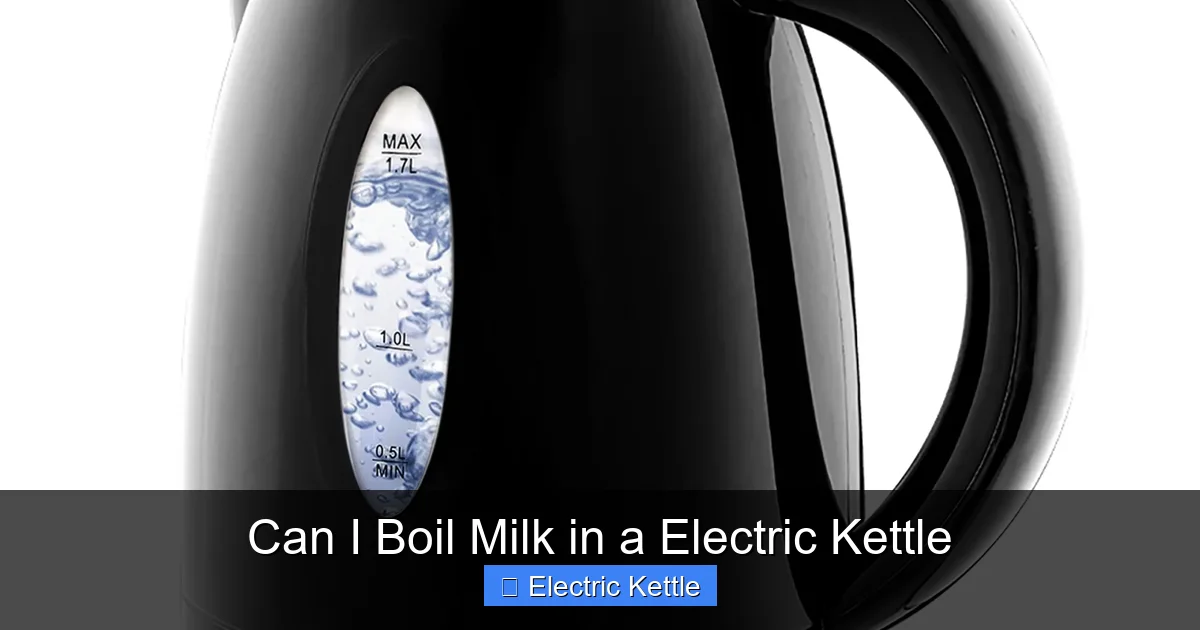
Visual guide about Can I Boil Milk in a Electric Kettle
Image source: i5.walmartimages.com
Electric kettles are engineered with one primary purpose in mind: heating water quickly and efficiently. Their internal components—such as the heating element, thermostat, and auto-shutoff sensor—are calibrated for the consistent boiling point and behavior of water. Milk, however, behaves very differently when heated, and this mismatch is the root of the problem.
Milk Has a Lower Boiling Point and Foams Easily
Unlike water, which boils steadily at 100°C (212°F) at sea level, milk begins to scorch and form a skin at around 70–80°C (158–176°F). Its proteins (like casein and whey) and natural sugars (lactose) break down and caramelize when exposed to high heat, especially near the heating element. This creates a burnt layer that sticks to the kettle’s interior, leading to unpleasant odors and potential damage over time.
Additionally, milk tends to foam and bubble vigorously as it heats. This foam can rise quickly and overflow through the spout, especially in kettles with narrow openings. When milk spills into the electrical base or around the heating element, it can cause short circuits, trigger false shutoffs, or even pose a fire risk.
Cleaning Challenges and Residue Buildup
One of the biggest downsides of boiling milk in an electric kettle is the cleanup. Milk leaves behind a sticky, yellowish film that clings to surfaces and hardens as it cools. This residue is not only unsightly but also a breeding ground for bacteria if not removed promptly.
Unlike water, which evaporates cleanly, milk residue requires scrubbing with warm, soapy water and sometimes vinegar or baking soda to dissolve. Over time, repeated use can lead to buildup in hard-to-reach areas like the spout, lid, or around the heating coil. This buildup can affect the kettle’s performance, alter the taste of future brews, and shorten the appliance’s lifespan.
Voided Warranties and Manufacturer Warnings
Most electric kettle manufacturers explicitly state in their user manuals that the appliance is intended for water only. Using milk—or any other liquid—can void your warranty. For example, brands like Breville, Cuisinart, and Hamilton Beach all include warnings against boiling milk, coffee, or sugary liquids.
This isn’t just a legal disclaimer; it’s a reflection of real engineering limitations. The sensors and safety mechanisms in standard kettles aren’t designed to detect milk’s unique heating patterns. As a result, the kettle may not shut off at the right time, overheat, or fail to function properly after repeated misuse.
What Happens When You Boil Milk in an Electric Kettle?
If you’ve ever tried boiling milk in your kettle—or know someone who has—you’ve probably seen the aftermath: a smelly, stained interior and a kettle that doesn’t work quite right anymore. Let’s break down exactly what happens during and after the process.
Immediate Effects: Foaming, Overflow, and Burning
The moment milk hits the hot heating element, it begins to react. Proteins denature and form a skin on the surface, while bubbles rise rapidly, creating foam. In a closed or narrow kettle, this foam has nowhere to go and can spill out the spout in seconds.
This overflow is dangerous for two reasons. First, hot milk can burn your skin if it sprays out. Second, if it reaches the electrical components at the base, it can cause a short circuit or damage the control panel. Even if the kettle has an auto-shutoff feature, milk’s inconsistent boiling behavior may confuse the sensor, causing it to shut off too early (before the milk is hot) or too late (leading to scorching).
Long-Term Damage to the Kettle
Repeatedly boiling milk can cause cumulative damage. The burnt residue acts like insulation, reducing the efficiency of the heating element. Over time, this can lead to longer heating times, inconsistent temperatures, or complete failure.
Additionally, milk residue can clog the anti-scale filter (if your kettle has one) and affect the taste of water boiled later. Even after cleaning, a faint milky or burnt smell may linger, especially in plastic kettles. Some users report that their kettles develop a “sweet” or “sour” odor that’s hard to eliminate.
Health and Hygiene Concerns
Milk is a perishable food product, and improper heating or storage can promote bacterial growth. If milk is left in the kettle after boiling—even for a short time—it can sour or develop harmful bacteria like *Salmonella* or *E. coli*. This is especially risky if the kettle isn’t cleaned immediately.
Moreover, the sticky residue left behind can trap moisture and food particles, creating an ideal environment for mold and mildew. This not only affects the taste of your drinks but can also pose health risks, particularly for people with allergies or weakened immune systems.
Are There Electric Kettles That Can Boil Milk?
While most standard electric kettles aren’t suitable for milk, there are exceptions. Some manufacturers have designed kettles specifically for heating milk or other liquids, often marketed as “milk kettles” or “multi-liquid kettles.” These models come with features that make them safer and more effective for the task.
Features of Milk-Safe Electric Kettles
Milk-safe kettles typically include:
– **Temperature control settings:** Allow you to select lower temperatures (e.g., 60–80°C) to prevent scorching.
– **Gentle heating elements:** Designed to distribute heat evenly and avoid hot spots.
– **Wide openings and anti-spill designs:** Reduce the risk of overflow.
– **Non-stick interiors:** Make cleaning easier and prevent residue buildup.
– **Automatic shutoff with milk detection:** Some advanced models can detect foam or viscosity changes and adjust heating accordingly.
Brands like Smeg, Smeg, and某些 Japanese manufacturers (e.g., Tiger and Zojirushi) offer kettles with milk-boiling capabilities. These are often more expensive but worth the investment if you frequently heat milk.
How to Identify a Milk-Safe Kettle
Before assuming your kettle can handle milk, check the following:
1. **User manual:** Look for explicit instructions about milk use.
2. **Product labeling:** Some kettles are labeled “suitable for milk” or “multi-liquid.”
3. **Temperature settings:** If your kettle has a “milk” or “delicate” mode, it’s likely designed for it.
4. **Material:** Stainless steel interiors are generally easier to clean than plastic.
If your kettle doesn’t meet these criteria, it’s best to avoid using it for milk.
Safer Alternatives to Boiling Milk in an Electric Kettle
Instead of risking your kettle, consider these safer and equally convenient methods for heating milk:
Use a Saucepan on the Stove
This is the most traditional and reliable method. Simply pour milk into a small saucepan, heat over medium-low heat, and stir frequently to prevent scorching. Use a thermometer if you want precision—most recipes call for milk to reach 60–70°C (140–158°F).
Microwave in Short Intervals
For quick heating, use a microwave-safe cup or mug. Heat the milk in 15–30 second intervals, stirring between each, until it reaches the desired temperature. This prevents overheating and ensures even warmth.
Invest in a Milk Frother or Steamer
If you love lattes or cappuccinos, a standalone milk frother (manual or electric) is a great investment. These devices heat and froth milk simultaneously, giving you barista-quality results without touching your kettle.
Use a Double Boiler
For delicate recipes like custards or hot chocolate, a double boiler provides gentle, indirect heat. Fill the bottom pot with water, place the milk in the top bowl, and heat until warm. This method minimizes scorching and is ideal for precision cooking.
Pre-Heat with Hot Water
If you’re in a hurry and only need warm milk, try this trick: boil water in your electric kettle, then pour it into a mug with cold milk. Stir well—the hot water will gently warm the milk without direct heating. This is especially useful for oatmeal or overnight oats.
How to Clean Your Kettle After Accidental Milk Use
If you’ve already boiled milk in your kettle, don’t panic—but act quickly. The faster you clean it, the better your chances of restoring it to full function.
Immediate Steps
1. **Unplug the kettle** and let it cool completely.
2. **Empty any remaining milk** and rinse the interior with warm water.
3. **Wipe the exterior** with a damp cloth to remove spills.
Deep Cleaning Process
For residue removal, try one of these methods:
– **Vinegar solution:** Fill the kettle halfway with equal parts water and white vinegar. Boil, let sit for 15–20 minutes, then rinse thoroughly.
– **Baking soda paste:** Mix baking soda with a little water to form a paste. Apply to stained areas, scrub gently with a soft brush, then rinse.
– **Commercial descaler:** Use a kettle cleaner designed for mineral and organic buildup. Follow the product instructions carefully.
Preventing Future Issues
After cleaning, run 1–2 cycles with plain water to ensure no vinegar or cleaning smell remains. Going forward, avoid using the kettle for anything other than water unless it’s specifically designed for milk.
Final Thoughts: Should You Boil Milk in an Electric Kettle?
So, can you boil milk in an electric kettle? The answer is nuanced. While it’s physically possible, it’s rarely advisable—especially with standard models. The risks of damage, poor hygiene, and safety hazards far outweigh the convenience.
If you own a milk-safe kettle with the right features, go ahead—but always follow the manufacturer’s guidelines. For everyone else, stick to water in your electric kettle and use safer alternatives for heating milk. Your appliance will last longer, your drinks will taste better, and you’ll avoid the headache of a burnt, smelly kettle.
Remember: kitchen appliances are tools, and using them as intended ensures they serve you well for years to come. When in doubt, choose safety over speed.
Frequently Asked Questions
Can I boil milk in any electric kettle?
No, most electric kettles are designed for water only. Using milk can damage the heating element, cause overflow, and void your warranty. Only use milk in kettles specifically labeled as safe for it.
What happens if I accidentally boil milk in my kettle?
You may notice burnt smells, sticky residue, or overflow. Clean it immediately with vinegar or baking soda. Repeated use can permanently damage the kettle.
Are there electric kettles made for milk?
Yes, some models have temperature controls, non-stick interiors, and milk-specific settings. Brands like Smeg and Zojirushi offer kettles designed for milk heating.
Can I use my kettle for other liquids like coffee or tea?
It depends. Most kettles can handle brewed tea or coffee, but avoid sugary or acidic liquids like lemon juice or syrup, which can damage the interior.
How do I clean milk residue from my kettle?
Use a vinegar-water solution (1:1 ratio), boil it, let it sit for 15–20 minutes, then rinse thoroughly. For tough stains, scrub with a baking soda paste.
Is it safe to drink milk boiled in an electric kettle?
If the kettle is clean and the milk wasn’t scorched, it’s likely safe. However, burnt milk can develop off-flavors and harmful compounds, so it’s better to avoid the risk altogether.