Boiling milk in an electric kettle is not recommended due to safety risks and potential damage to the appliance. Milk can scorch, overflow, and leave stubborn residues that are hard to clean. Learn safer alternatives and expert tips to heat milk effectively without compromising your kettle’s performance.
Key Takeaways
- Electric kettles are designed for water, not milk: Most models aren’t built to handle the viscosity, fat content, or protein structure of milk, which can lead to overheating and damage.
- Milk can burn and stick to heating elements: The proteins and sugars in milk caramelize at high temperatures, creating a burnt layer that’s difficult to remove and may affect future use.
- Overflow and mess are common: Milk expands when heated and can foam up, causing it to spill over the kettle’s spout and potentially damage electrical components.
- Cleaning becomes a major challenge: Dried milk residue can clog vents, stain interiors, and lead to unpleasant odors if not cleaned immediately and thoroughly.
- Safer alternatives exist: Use a saucepan, microwave, or dedicated milk frother to heat milk safely without risking your electric kettle.
- Some kettles claim to be “milk-safe”: A few modern models feature non-stick interiors or temperature controls, but even these require caution and frequent cleaning.
- Warranty may be voided: Using your kettle for anything other than water often violates manufacturer guidelines, potentially voiding your warranty.
📑 Table of Contents
- Can I Boil Milk in an Electric Kettle? The Honest Answer
- Why Electric Kettles Aren’t Designed for Milk
- The Hidden Dangers of Boiling Milk in an Electric Kettle
- What Happens When You Try to Boil Milk in an Electric Kettle?
- Safer Alternatives to Boiling Milk
- Are There Any Electric Kettles That Can Handle Milk?
- How to Clean Your Kettle After Accidental Milk Use
- Conclusion: Think Twice Before Boiling Milk in Your Electric Kettle
Can I Boil Milk in an Electric Kettle? The Honest Answer
You’re in a hurry. It’s early morning, and you’re craving a warm cup of chai or a creamy hot chocolate. The electric kettle is right there—fast, convenient, and already plugged in. So, can you just pour in some milk and hit the boil button? It seems like a time-saver, but before you do, let’s talk about why this common kitchen shortcut might cost you more than just a few minutes.
The short answer? It’s not a good idea to boil milk in an electric kettle. While it might seem harmless—after all, both water and milk are liquids—the differences between them are significant enough to cause real problems. Milk contains proteins, fats, and sugars that behave very differently under heat compared to water. When heated rapidly in a device not designed for it, milk can scorch, foam over, and leave behind a sticky, burnt residue that’s tough to clean. Over time, this can damage your kettle’s heating element, affect its performance, and even create safety hazards.
But don’t worry—this doesn’t mean you’re stuck waiting forever for your milk to warm up. There are safer, more effective ways to heat milk that won’t risk your appliance or your breakfast. In this guide, we’ll explore why boiling milk in an electric kettle is risky, what happens when you try it, and what you can do instead. Whether you’re a busy parent, a student in a dorm, or just someone who loves a warm drink, this information will help you make smarter choices in the kitchen.
Why Electric Kettles Aren’t Designed for Milk
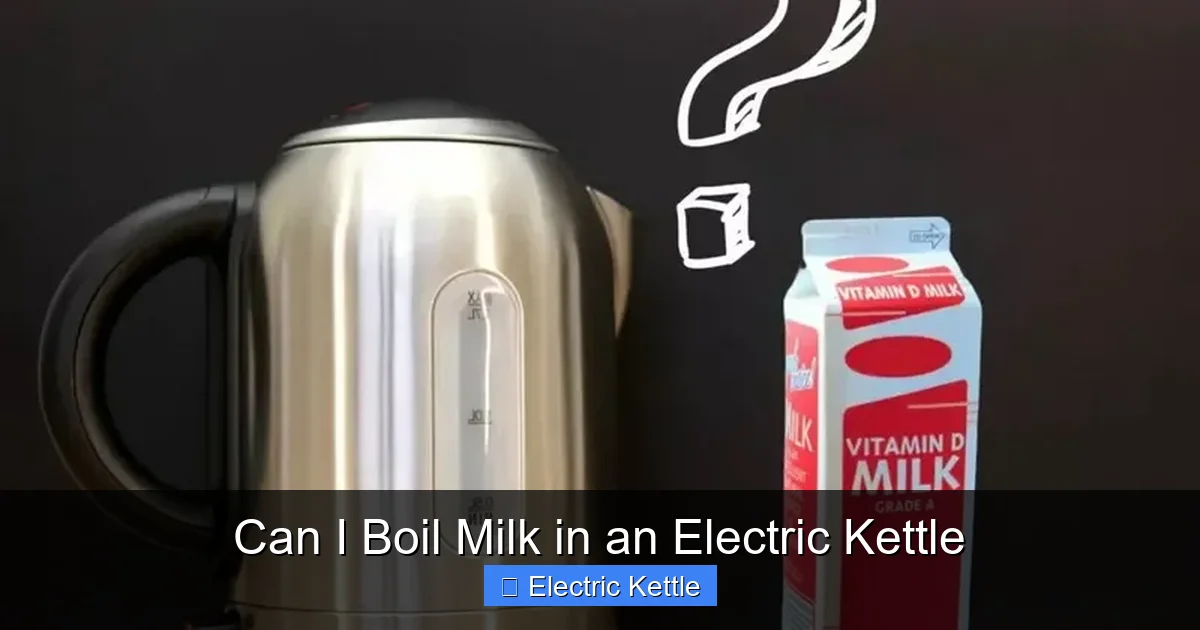
Visual guide about Can I Boil Milk in an Electric Kettle
Image source: irrorwxhiqijjr5q.ldycdn.com
Electric kettles are engineered with one primary purpose in mind: boiling water quickly and efficiently. From the materials used to the shape of the heating element, every component is optimized for water’s properties. Milk, on the other hand, is a complex liquid with unique characteristics that make it incompatible with standard kettle designs.
Milk’s Composition Makes It Problematic
Milk is made up of water, fats, proteins (like casein and whey), lactose (milk sugar), and minerals. When heated, these components react differently than water. For example, the proteins in milk begin to denature—unfold and coagulate—at temperatures around 140°F (60°C). If the heat is too intense or uneven, these proteins can clump together and stick to the heating element or the kettle’s interior walls. This is what causes that dreaded burnt milk smell and a sticky film that’s nearly impossible to scrub off.
The lactose in milk also caramelizes at high temperatures, leading to browning and a burnt taste. Unlike water, which evaporates cleanly, milk leaves behind residue every time it’s heated. Over time, this buildup can insulate the heating element, making it less efficient and potentially causing overheating.
Heating Element Design Matters
Most electric kettles use a concealed or exposed heating coil at the base. These coils are designed to heat water evenly and shut off automatically once boiling is detected. However, milk heats unevenly. It can form a hot layer at the bottom while the top remains cooler, creating hot spots. This uneven heating increases the risk of scorching, especially if the kettle doesn’t have precise temperature control.
Additionally, many kettles rely on a thermostat that detects steam or temperature changes to turn off. Milk produces less steam than water and can foam up, which may interfere with the sensor. This means the kettle might not shut off when it should, leading to prolonged heating and further damage.
Overflow and Foaming Are Real Risks
One of the most common issues when boiling milk is foaming. As milk heats, proteins and fats create bubbles that expand rapidly. Unlike water, which boils in a relatively controlled manner, milk can suddenly rise and overflow—especially in a narrow-necked kettle. This overflow can spill into the kettle’s electrical base, posing a fire or shock hazard. Even if no immediate danger occurs, the mess is difficult to clean and can leave a sticky, sour smell.
Imagine this: You pour milk into your kettle, press the button, and walk away. A few minutes later, you return to find a bubbling mess all over your counter, the kettle smoking slightly, and a burnt milk odor filling the kitchen. Not only is this frustrating, but it could also damage your appliance beyond repair.
The Hidden Dangers of Boiling Milk in an Electric Kettle
Beyond the obvious mess and inconvenience, boiling milk in an electric kettle poses several hidden dangers—some of which can affect your health, your appliance, and even your home’s electrical system.
Risk of Electrical Damage
When milk overflows, it can seep into the kettle’s base where the electrical components are housed. Even a small amount of liquid can cause short circuits, corrosion, or permanent damage to the internal wiring. In worst-case scenarios, this could lead to electrical fires or shocks, especially if the kettle is old or poorly maintained.
Modern kettles often have protective features like automatic shut-off and drip-proof bases, but these aren’t foolproof—especially when dealing with a substance as unpredictable as milk. Once liquid enters the electrical compartment, the damage is often irreversible.
Long-Term Appliance Damage
Even if your kettle survives the first few milk-boiling attempts, repeated use will take a toll. The buildup of milk residue acts as an insulator, reducing the efficiency of the heating element. Over time, your kettle will take longer to boil water, consume more energy, and may eventually fail completely.
The interior surfaces—especially if made of stainless steel or plastic—can become stained or pitted from burnt milk. Some users report a persistent “milk smell” that lingers even after cleaning, which can transfer to future brews of tea or coffee. This not only affects taste but also makes the kettle unpleasant to use.
Health and Hygiene Concerns
Burnt milk isn’t just unappetizing—it can also be harmful. When milk scorches, it produces compounds that may affect its nutritional value and taste. More importantly, if residue isn’t cleaned properly, bacteria can grow in the warm, moist environment inside the kettle. This is especially risky if you’re using the same kettle for both milk and water, as cross-contamination can occur.
Imagine brewing a cup of herbal tea in a kettle that still has traces of old, spoiled milk. The result could be a stomachache or worse. Regular cleaning helps, but milk residue is notoriously difficult to remove completely, especially from hard-to-reach areas like the heating coil or sensor.
What Happens When You Try to Boil Milk in an Electric Kettle?
Let’s walk through a typical scenario to illustrate what goes wrong when you attempt to boil milk in an electric kettle.
You pour 500ml of cold milk into your kettle, press the boil button, and walk away to check your phone. Within two minutes, you hear a bubbling sound—but it’s louder and more aggressive than usual. You return to find the milk foaming up like a science experiment, spilling over the spout and dripping down the side. The kettle emits a faint burning smell, and when you open it, you see a brown film coating the bottom and sides.
You quickly unplug the kettle and try to clean it with soap and water, but the residue is sticky and clings to the surfaces. No matter how much you scrub, a faint odor remains. The next time you boil water, your tea tastes slightly off—like it’s been brewed in a pot that once held spoiled milk.
This isn’t an exaggeration. It’s a common experience among people who’ve tried to cut corners. The problem isn’t just the mess—it’s the cumulative damage. Each time you boil milk, you’re risking your appliance’s lifespan, your safety, and the quality of your drinks.
Real-World Examples
We’ve heard from users who’ve tried this “hack” with mixed results. One college student shared that they used their dorm kettle to heat milk for hot chocolate every night. After a week, the kettle started making a clicking noise and took twice as long to boil water. Eventually, it stopped working altogether. A repair technician confirmed that milk residue had clogged the heating element.
Another user tried boiling milk in a glass kettle, thinking the transparent design would help them monitor the process. Unfortunately, the milk scorched anyway, leaving a cloudy film on the glass that required hours of soaking and scrubbing to remove.
These stories highlight a key point: even if you’re careful, boiling milk in an electric kettle is inherently risky. The design simply isn’t suited for it.
Safer Alternatives to Boiling Milk
The good news? You don’t need to give up on warm milk-based drinks. There are several safe, effective ways to heat milk without risking your electric kettle.
Use a Saucepan on the Stove
The most traditional and reliable method is heating milk in a small saucepan over low to medium heat. Use a heavy-bottomed pan to prevent scorching, and stir frequently to distribute the heat evenly. This method gives you full control over the temperature and prevents burning.
Tip: Heat the milk slowly and remove it from the heat just before it boils. Milk should never be brought to a full rolling boil, as this can cause it to curdle and develop a skin on the surface.
Microwave in Short Intervals
If you’re in a hurry, the microwave is a great option. Pour milk into a microwave-safe cup or mug, and heat it in 30-second intervals, stirring between each round. This prevents hot spots and ensures even warming.
For example, to heat 1 cup of milk, start with 30 seconds, stir, then heat for another 20–30 seconds until warm. Always use a microwave-safe container with plenty of room to prevent overflow.
Use a Dedicated Milk Frother or Steamer
If you enjoy lattes, cappuccinos, or hot chocolate, consider investing in a milk frother. These devices are specifically designed to heat and froth milk safely. Many models come with temperature controls and non-stick interiors, making them easy to clean.
Some high-end coffee machines also have built-in milk steamers that can heat and texture milk at the same time—perfect for café-style drinks at home.
Pre-Heat Water, Then Add Milk
If you’re making a drink like chai or hot chocolate, boil water in your electric kettle first, then pour it over your milk in a separate cup. This way, you get the speed of the kettle without exposing it to milk.
For example, boil water, pour it into a mug with your tea bag and a splash of cold milk. The hot water will warm the milk gradually, and you can adjust the ratio to your taste.
Are There Any Electric Kettles That Can Handle Milk?
In recent years, a few manufacturers have introduced kettles marketed as “milk-safe” or “multi-liquid” capable. These models often feature non-stick interiors, temperature presets, and wider openings to reduce foaming. But even with these improvements, caution is still advised.
Features to Look For
If you’re considering a kettle that claims to handle milk, look for these features:
– Non-stick interior: Makes cleaning easier and reduces sticking.
– Temperature control: Allows you to set lower temperatures ideal for milk (around 140–160°F or 60–70°C).
– Wide mouth and spout: Reduces the risk of overflow.
– Removable lids and filters: Easier to clean hard-to-reach areas.
Important Caveats
Even with these features, milk can still foam, scorch, or leave residue. Most manufacturers still recommend using the kettle primarily for water. Using it for milk may void the warranty, and frequent use will likely require deep cleaning after every use.
If you do try it, always monitor the process closely, never leave it unattended, and clean the kettle immediately afterward. And remember: just because a kettle can boil milk doesn’t mean it should.
How to Clean Your Kettle After Accidental Milk Use
If you’ve already tried boiling milk and are dealing with the aftermath, don’t panic. With the right approach, you can often restore your kettle to working condition.
Immediate Action Steps
1. Unplug the kettle immediately. Safety first—never handle an electrical appliance with wet hands or while it’s plugged in.
2. Let it cool completely. Hot surfaces can warp or crack if exposed to cold water too quickly.
3. Rinse with warm water. Pour out any remaining milk and rinse the interior thoroughly.
Deep Cleaning Methods
For stubborn residue, try these solutions:
– Vinegar and water soak: Mix equal parts white vinegar and water, fill the kettle, and let it sit for 30–60 minutes. Boil the solution, then rinse thoroughly.
– Baking soda paste: Make a paste with baking soda and water, apply it to stained areas, and scrub gently with a soft brush or sponge.
– Lemon juice: Similar to vinegar, lemon juice helps break down mineral and protein deposits. Boil a solution of lemon juice and water, then rinse.
Avoid using abrasive scrubbers or harsh chemicals, as these can damage the kettle’s interior coating.
Preventing Future Issues
Once your kettle is clean, commit to using it only for water. If you need warm milk, use one of the safer alternatives mentioned earlier. A little extra time now can save you from costly repairs or replacements later.
Conclusion: Think Twice Before Boiling Milk in Your Electric Kettle
Boiling milk in an electric kettle might seem like a clever shortcut, but the risks far outweigh the benefits. From scorched interiors and electrical damage to unpleasant odors and potential health hazards, the consequences are real and often irreversible. Your kettle is a valuable kitchen tool—designed for speed, efficiency, and safety when used correctly.
Instead of risking your appliance, opt for safer methods like stovetop heating, microwaving, or using a dedicated milk frother. These alternatives are just as convenient and far more reliable. And if you’re tempted by a “milk-safe” kettle, remember that even these models require extra care and aren’t immune to the challenges of heating milk.
In the end, the best way to enjoy a warm, creamy drink is without compromising your kitchen tools or your peace of mind. So the next time you’re craving hot chocolate or a milky tea, take the extra minute to heat your milk the right way. Your kettle—and your taste buds—will thank you.
Frequently Asked Questions
Can I boil milk in an electric kettle if I clean it right away?
Even with immediate cleaning, boiling milk in an electric kettle is not recommended. Milk can still scorch, foam over, and leave residue that’s hard to remove completely, potentially damaging the heating element over time.
Will boiling milk void my kettle’s warranty?
Yes, most manufacturers specify that electric kettles should only be used for water. Using them for milk or other liquids often voids the warranty, especially if damage occurs.
What’s the safest way to heat milk quickly?
The microwave is the fastest safe option. Heat milk in 30-second intervals, stirring between each, until warm. Use a microwave-safe container with room to prevent overflow.
Can I use my electric kettle to make hot chocolate?
Yes—but only with water. Boil water in the kettle, then pour it over cocoa powder and cold milk in a separate cup. This avoids exposing the kettle to milk.
Are there any kettles that can boil milk safely?
A few models claim to be milk-safe with non-stick interiors and temperature controls, but even these require caution, close monitoring, and thorough cleaning after each use.
What should I do if milk overflows in my kettle?
Unplug the kettle immediately, let it cool, and clean it thoroughly. Check for any liquid in the base, and avoid using it until you’re sure it’s dry and safe. If damage is suspected, consult a technician.