Boiling milk in an electric kettle is technically possible but not recommended by most manufacturers. While some users do it successfully, the risks—like burnt residue, sensor damage, and fire hazards—often outweigh the convenience. Understanding your kettle’s design and taking proper precautions can help, but safer alternatives exist.
Key Takeaways
- Not all electric kettles are designed for milk: Most are built for water only, and milk can damage heating elements and sensors.
- Milk can scorch and leave stubborn residue: Proteins and sugars in milk burn easily, leading to hard-to-clean buildup and unpleasant odors.
- Risk of overheating and fire: Milk can foam and overflow, triggering safety mechanisms or causing electrical hazards.
- Warranty may be voided: Using milk in a water-only kettle often violates manufacturer guidelines, voiding your warranty.
- Some kettles are milk-compatible: A few models feature stainless steel interiors and anti-spill designs made specifically for dairy.
- Safer alternatives exist: Use a saucepan, microwave, or dedicated milk frother for heating milk without risking your kettle.
- Cleaning is critical if you do it: Immediate and thorough cleaning is essential to prevent long-term damage and bacterial growth.
📑 Table of Contents
- Can I Boil Milk in My Electric Kettle?
- Why Most Electric Kettles Aren’t Designed for Milk
- The Risks of Boiling Milk in an Electric Kettle
- When It Might Be Safe: Kettles Designed for Milk
- How to Safely Boil Milk in an Electric Kettle (If You Must)
- Safer Alternatives to Boiling Milk in an Electric Kettle
- Final Thoughts: Should You Boil Milk in Your Electric Kettle?
Can I Boil Milk in My Electric Kettle?
If you’ve ever stood in your kitchen, staring at your electric kettle and a carton of milk, wondering, “Can I just boil this here?”—you’re not alone. It’s a common question, especially for busy mornings when every second counts. Maybe you’re making hot chocolate, chai, or just want warm milk for your toddler. The convenience of using your electric kettle seems tempting. After all, it heats water quickly and efficiently—so why not milk?
But before you pour that milk in, it’s important to understand what happens when you do. While it’s technically possible to boil milk in an electric kettle, it’s not always safe, clean, or wise. Most electric kettles are designed specifically for water. Milk behaves very differently when heated—it foams, scorches, and leaves behind sticky residues that can damage your appliance. In this guide, we’ll explore the risks, the exceptions, and the best practices if you decide to go ahead. We’ll also look at safer, more reliable alternatives so you can enjoy your warm beverages without risking your favorite kitchen gadget.
Why Most Electric Kettles Aren’t Designed for Milk
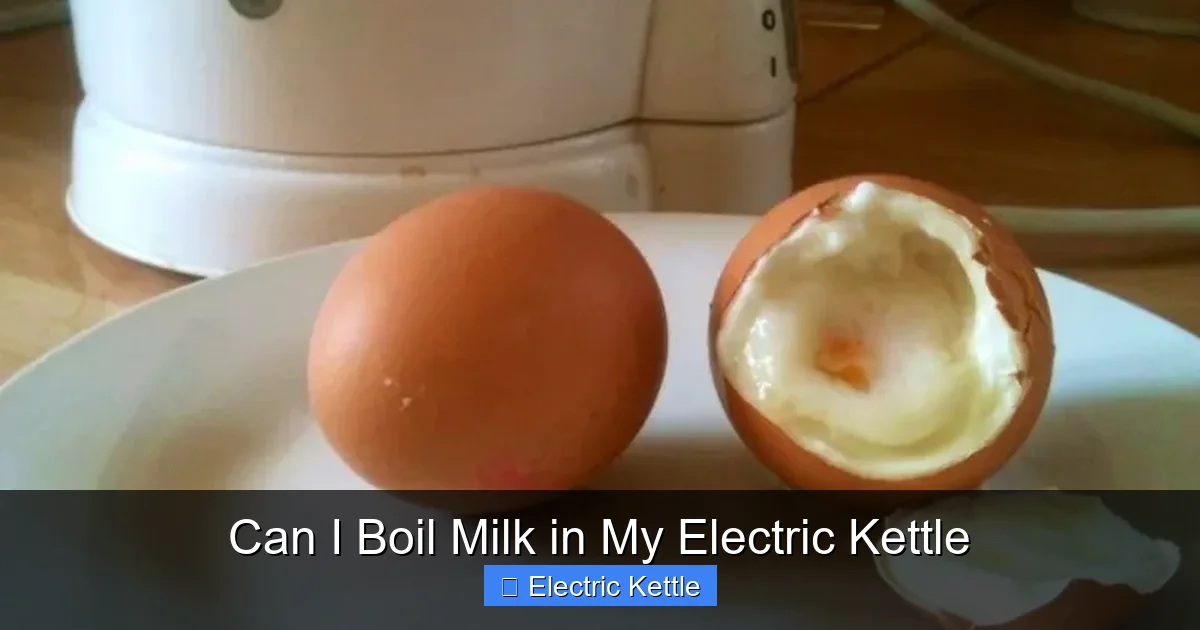
Visual guide about Can I Boil Milk in My Electric Kettle
Image source: irrorwxhiqijjr5q.ldycdn.com
Electric kettles are engineered with one primary purpose: to heat water quickly and safely. Their internal components—heating elements, temperature sensors, and automatic shut-off mechanisms—are calibrated for the predictable behavior of water. Milk, however, is a complex liquid made of water, fats, proteins, and sugars. When heated, these components react in ways that water doesn’t, creating challenges for your kettle.
How Milk Behaves Differently Than Water
When you heat water, it gradually warms up, reaches boiling point, and turns to steam. It doesn’t foam, scorch, or leave residue. Milk, on the other hand, begins to form a skin on the surface as it heats. The proteins (like casein and whey) denature and coagulate, while the sugars caramelize. This can lead to a burnt, sticky layer forming on the heating element—especially if the milk isn’t stirred or monitored.
Additionally, milk tends to foam as it heats. This foam can rise rapidly and overflow from the spout, especially in kettles with narrow openings. Unlike water, which simply evaporates or drips, milk foam is thick and sticky. If it reaches the electrical components or the base of the kettle, it can cause short circuits, trigger false sensor readings, or even create a fire hazard.
Impact on Heating Elements and Sensors
Most electric kettles use a concealed heating element or a flat base with a heating coil. These are designed to transfer heat efficiently to water. But when milk scorches onto these surfaces, it insulates the element, reducing heat transfer and causing the kettle to overheat. Over time, this can warp the heating plate, damage the thermostat, or cause the element to fail prematurely.
The temperature sensor, which tells the kettle when to shut off, is also at risk. Milk doesn’t boil at the same temperature as water—it can reach 180°F (82°C) or higher before boiling, and the sensor may not detect this accurately. This can lead to over-boiling, excessive steam, or the kettle failing to turn off at all.
Warranty and Manufacturer Guidelines
If you check the user manual of most electric kettles, you’ll likely find a clear warning: “Do not use with liquids other than water.” This isn’t just a suggestion—it’s a safety and warranty requirement. Using milk in a water-only kettle typically voids the manufacturer’s warranty. So if your kettle stops working after you’ve boiled milk in it, you’re unlikely to get a free repair or replacement.
Brands like Breville, Cuisinart, and Hamilton Beach explicitly state that their kettles are for water only. Even some high-end models with stainless steel interiors caution against using dairy. The reasoning is simple: milk introduces variables that the kettle wasn’t designed to handle.
The Risks of Boiling Milk in an Electric Kettle
While some people do boil milk in their kettles without immediate issues, the risks are real and often cumulative. What starts as a quick fix can lead to long-term damage, safety hazards, or even health concerns.
Scorching and Residue Buildup
One of the most common problems is scorching. Milk burns easily, especially if the kettle doesn’t have even heat distribution. The bottom layer heats up fastest, and without stirring, it can burn before the rest of the milk even warms up. This creates a brown, sticky layer that’s difficult to remove.
Over time, this residue builds up. It can clog the spout, coat the heating element, and even seep into cracks and seals. Not only does this affect performance, but it also creates a breeding ground for bacteria. Even if you clean it, microscopic particles can remain, leading to off-flavors in future uses—especially if you switch back to water.
Overflow and Electrical Hazards
Milk foam is notorious for rising quickly. In a kettle with a small opening or a narrow spout, this foam can overflow before the kettle even reaches boiling point. When hot, sticky milk spills onto the electrical base or cord, it can cause short circuits, damage the power supply, or create a fire risk.
Some kettles have automatic shut-off features that activate when they detect steam or boiling. But milk foam can trigger these sensors prematurely, causing the kettle to turn off before the milk is properly heated. Conversely, if the sensor is coated in residue, it might not detect boiling at all, leading to overheating.
Damage to Interior Surfaces
Many kettles have plastic interiors or coatings that aren’t meant to withstand the high heat and chemical changes that occur when milk burns. Scorched milk can degrade these materials, causing them to crack, warp, or release harmful chemicals when heated again.
Even stainless steel kettles aren’t immune. While stainless steel is more resistant, repeated exposure to burnt milk can cause pitting, discoloration, and odor retention. Once the smell of burnt milk gets into the metal, it’s nearly impossible to remove completely.
Health and Hygiene Concerns
Burnt milk isn’t just unappetizing—it can also be unhealthy. When milk burns, it produces compounds like acrylamide and advanced glycation end products (AGEs), which have been linked to inflammation and other health issues when consumed regularly.
Additionally, if residue isn’t cleaned properly, bacteria like Salmonella or E. coli can grow, especially in warm, moist environments. This is a serious concern if you’re using the kettle for both milk and water, as cross-contamination can occur.
When It Might Be Safe: Kettles Designed for Milk
Not all electric kettles are created equal. While most are water-only, a growing number of models are designed to handle milk safely. These kettles often feature specialized designs and materials that reduce the risks associated with heating dairy.
Features of Milk-Compatible Kettles
If you’re serious about boiling milk in your kettle, look for models with the following features:
– **Stainless steel interior:** Unlike plastic or coated surfaces, stainless steel is non-reactive and easy to clean. It resists staining and odor retention.
– **Wide opening and large spout:** This allows foam to expand without overflowing.
– **Anti-spill design:** Some kettles have lids that seal tightly or spouts that prevent dripping.
– **Temperature control:** Variable temperature settings let you heat milk gently, reducing the risk of scorching.
– **Removable heating element or easy-clean base:** Makes it simpler to scrub away residue.
Brands like Smeg, Russell Hobbs, and some Breville models offer kettles with these features. Some even market themselves as “milk kettles” or “multi-liquid kettles.”
User Experiences and Success Stories
Many users report successfully boiling milk in stainless steel kettles with wide openings. They emphasize the importance of using low heat, stirring occasionally, and cleaning immediately after use. One user shared that they’ve been making hot chocolate in their stainless steel kettle for over a year without issues—so long as they rinse it right away and deep-clean it weekly.
However, even with compatible kettles, caution is key. Milk should never be left to boil unattended, and it’s best to use only small amounts (under 500ml) to prevent overflow.
How to Safely Boil Milk in an Electric Kettle (If You Must)
If you’ve checked your kettle’s manual, confirmed it’s made of stainless steel, and still want to try boiling milk, here’s how to do it as safely as possible.
Step-by-Step Guide
1. **Check your kettle:** Ensure it’s made of stainless steel and has a wide opening. Avoid plastic or coated interiors.
2. **Use fresh, cold milk:** Start with cold milk to reduce the risk of scorching.
3. **Fill only to the minimum line:** Never overfill. Milk expands and foams, so leave plenty of space.
4. **Set to low or medium heat:** If your kettle has temperature control, choose a setting below boiling (around 160–180°F or 71–82°C).
5. **Stay nearby and monitor:** Never leave the kettle unattended. Watch for foam rising.
6. **Stir gently if possible:** If your kettle allows, use a long spoon to stir occasionally.
7. **Turn off before boiling:** Remove the kettle from power just before it reaches a full boil to prevent overflow.
8. **Clean immediately:** Rinse with warm water right away. Use a soft brush and mild detergent to remove any residue.
Cleaning Tips to Prevent Damage
Cleaning is the most important step if you boil milk in your kettle. Here’s how to do it effectively:
– **Rinse immediately:** Don’t let milk dry inside. Rinse with warm water as soon as you’re done.
– **Use vinegar solution:** Mix equal parts water and white vinegar. Boil this in the kettle (if safe for your model), then rinse thoroughly. This helps dissolve protein buildup.
– **Baking soda scrub:** For stubborn residue, make a paste with baking soda and water. Gently scrub the interior with a soft cloth or brush.
– **Avoid abrasive tools:** Steel wool or harsh scrubbers can scratch stainless steel, creating spots for bacteria to hide.
– **Dry completely:** Wipe the interior and exterior dry to prevent water spots and mineral buildup.
Safer Alternatives to Boiling Milk in an Electric Kettle
Given the risks, it’s often better to use a different method to heat your milk. Here are some safer, more reliable alternatives.
Using a Saucepan on the Stove
This is the most traditional and reliable method. Simply pour milk into a small saucepan, heat over medium-low heat, and stir frequently. Use a thermometer if you want precision—most recipes call for milk to be heated to 160–180°F (71–82°C). This method gives you full control and prevents scorching.
Microwave Method
For quick heating, use a microwave-safe mug or container. Heat in 30-second intervals, stirring between each, until warm. This prevents hot spots and reduces the risk of boiling over. Be careful when removing—milk can superheat and erupt suddenly.
Dedicated Milk Frothers or Heaters
If you frequently heat milk for coffee, lattes, or hot chocolate, consider investing in a milk frother. These devices are designed specifically for dairy and often include temperature control and frothing options. Brands like Breville, Nespresso, and De’Longhi offer standalone frothers that heat and froth milk perfectly.
Electric Milk Warmers
Some small appliances are made just for warming milk—especially for babies. These warmers use gentle heat and often have timers and auto-shutoff features. While not ideal for large quantities, they’re safe and effective for small servings.
Final Thoughts: Should You Boil Milk in Your Electric Kettle?
So, can you boil milk in your electric kettle? The short answer is: yes, but with major caveats. If your kettle is made of stainless steel, has a wide opening, and you’re willing to monitor it closely and clean it thoroughly, it’s possible. But for most people, the risks outweigh the convenience.
The potential for scorching, overflow, sensor damage, and voided warranties makes it a risky choice. And once your kettle starts smelling like burnt milk or fails to heat water properly, you’ll regret the shortcut.
Instead, consider using a saucepan, microwave, or dedicated milk heater. These methods are safer, more reliable, and won’t compromise your kettle’s lifespan. If you’re set on using your kettle, invest in one specifically designed for milk—and always follow the manufacturer’s guidelines.
At the end of the day, your electric kettle is a valuable tool built for speed and efficiency. Treat it well, and it will serve you for years. But don’t push it beyond its limits. A little extra time heating your milk the right way is a small price to pay for peace of mind and a longer-lasting appliance.
Frequently Asked Questions
Can I boil milk in any electric kettle?
No, most electric kettles are designed for water only. Using milk in a water-only kettle can damage the heating element, clog sensors, and void your warranty.
What happens if I boil milk in my kettle once?
A single use might not cause immediate damage, but it can leave residue that’s hard to clean. Over time, this buildup can affect performance and create odors.
Is it safe to boil milk in a stainless steel electric kettle?
It’s safer than using a plastic or coated kettle, but still risky. Stainless steel resists staining, but milk can still scorch and foam, potentially causing overflow or sensor issues.
How do I clean my kettle after boiling milk?
Rinse immediately with warm water. For residue, use a vinegar-water solution or a baking soda paste. Scrub gently with a soft brush and rinse thoroughly.
Can I use my kettle for water after boiling milk in it?
Yes, but only if it’s cleaned properly. Burnt milk residue can affect the taste of water and harbor bacteria if not removed completely.
Are there electric kettles made specifically for milk?
Yes, some models feature stainless steel interiors, wide spouts, and temperature control designed for safe milk heating. Look for kettles labeled as “milk-compatible” or “multi-liquid.”