Yes, you can brew coffee in an electric kettle—but it’s not always the best idea. While some kettles allow it, others may get damaged or affect taste. Learn how to do it safely, what types work best, and when to avoid it altogether.
Key Takeaways
- Not all electric kettles are designed for brewing coffee: Most are made for boiling water only, and adding coffee grounds can damage the heating element or leave residue.
- Stainless steel kettles are better suited for coffee: They resist stains and odors better than plastic or glass models, making them a safer choice for occasional coffee brewing.
- Use a filter or infuser to prevent clogging: Placing coffee grounds in a mesh filter, tea infuser, or reusable coffee filter helps avoid mess and protects your kettle.
- Brewing time and temperature matter: Coffee tastes best when brewed between 195°F and 205°F—most electric kettles reach this range, but avoid over-boiling.
- Clean your kettle thoroughly after use: Coffee oils and grounds can build up, affecting future brews and water taste if not cleaned properly.
- Alternative methods are often better: French press, pour-over, or AeroPress deliver richer flavor and are safer for your kettle long-term.
- Safety first: Never leave your kettle unattended while brewing coffee, and always follow manufacturer guidelines.
📑 Table of Contents
- Can I Brew Coffee in an Electric Kettle? The Honest Answer
- How Electric Kettles Work—And Why Coffee Isn’t Their Main Job
- Which Electric Kettles Are Best for Brewing Coffee?
- How to Brew Coffee in an Electric Kettle (Step-by-Step)
- Pros and Cons of Brewing Coffee in an Electric Kettle
- Better Alternatives to Brewing Coffee in a Kettle
- Tips for Maintaining Your Electric Kettle After Brewing Coffee
- Final Thoughts: Should You Brew Coffee in an Electric Kettle?
Can I Brew Coffee in an Electric Kettle? The Honest Answer
So, you’re standing in your kitchen, staring at your electric kettle, wondering: *Can I brew coffee in this thing?* Maybe you’re in a rush, don’t have a coffee maker, or just love experimenting with kitchen gadgets. The short answer? Yes, you can—but with some big caveats.
Electric kettles are designed primarily to heat water quickly and efficiently. They’re not built like coffee makers, which have specialized filters, drip systems, and temperature controls tailored for brewing. That said, many people have successfully made coffee in their kettles, especially in a pinch. The key is knowing your kettle’s limits, using the right technique, and cleaning up properly afterward.
In this guide, we’ll explore whether brewing coffee in an electric kettle is a smart move or a recipe for disaster. We’ll cover which kettles work best, how to do it safely, the pros and cons, and even better alternatives. Whether you’re a coffee lover on a budget or just curious about kitchen hacks, this article will give you everything you need to know.
How Electric Kettles Work—And Why Coffee Isn’t Their Main Job
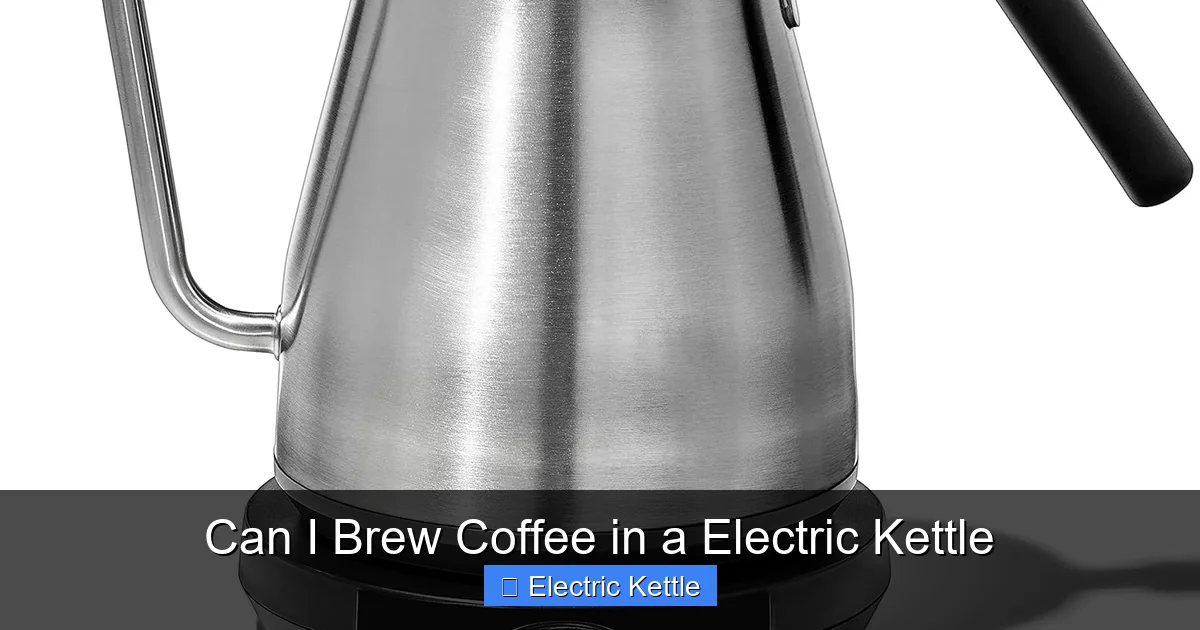
Visual guide about Can I Brew Coffee in a Electric Kettle
Image source: m.media-amazon.com
Before we dive into brewing, let’s understand how electric kettles function. Most electric kettles have a heating element at the bottom (either exposed or concealed) that rapidly heats water to boiling point—usually around 212°F (100°C). Many modern models come with temperature settings, allowing you to select lower temps for green tea or baby formula. But here’s the thing: they’re built for *water*, not for steeping grounds.
Coffee brewing requires more than just hot water. It needs proper extraction, which happens when water interacts with coffee grounds over time at the right temperature. Traditional methods like drip brewing, French press, or pour-over control this process carefully. An electric kettle, on the other hand, is all about speed and simplicity. It heats water fast and shuts off automatically—great for tea, not so great for full coffee extraction.
The Risks of Brewing Coffee Directly in Your Kettle
Pouring coffee grounds directly into your electric kettle might seem like a shortcut, but it comes with several risks:
– **Clogging the spout or filter:** Coffee grounds can get stuck in the spout or internal mesh filter, leading to poor pouring or even blockages.
– **Damaging the heating element:** Oils and fine particles from coffee can coat the heating element, reducing efficiency and potentially causing overheating.
– **Staining and odor buildup:** Coffee leaves behind oils and residue that can stain plastic or glass kettles and leave a lingering smell, even after washing.
– **Voiding the warranty:** Many manufacturers explicitly state that their kettles are for water only. Using them for coffee could void your warranty.
So while it’s *possible* to brew coffee in an electric kettle, it’s not always advisable—especially if you care about your appliance’s longevity.
Which Electric Kettles Are Best for Brewing Coffee?
Not all electric kettles are created equal when it comes to coffee brewing. Some are more forgiving than others. If you’re determined to try it, here’s what to look for:
Stainless Steel Kettles
Stainless steel is your best bet. These kettles are durable, resist stains, and don’t absorb odors as easily as plastic or glass. They’re also easier to clean, which is crucial after brewing coffee. Brands like Breville, Cuisinart, and Hamilton Beach offer high-quality stainless steel models with temperature control—perfect for precision brewing.
Kettles with Removable Filters
Some electric kettles come with a built-in mesh filter near the spout to catch impurities. If yours has one, make sure it’s removable and easy to clean. This can help trap coffee grounds and prevent them from clogging the spout.
Temperature Control Features
Coffee tastes best when brewed between 195°F and 205°F (90°C–96°C). Boiling water (212°F) can scorch the grounds, leading to a bitter taste. If your kettle has adjustable temperature settings, use the “coffee” or “brew” setting if available. If not, boil the water and let it sit for 30 seconds to cool slightly before adding coffee.
Kettles with Wide Mouths
A wider opening makes it easier to add coffee grounds (especially if using a filter) and clean out residue afterward. Look for models with a lid that opens fully or has a wide pour spout.
Avoid Plastic and Non-Stick Coatings
Plastic kettles can absorb coffee oils and odors, which may transfer to future brews or even to plain water. Non-stick interiors (like those with Teflon) can degrade over time when exposed to coffee acids and heat, potentially releasing harmful chemicals. Stick to stainless steel or high-quality glass.
How to Brew Coffee in an Electric Kettle (Step-by-Step)
If you’ve decided to give it a try, here’s a safe and effective method to brew coffee in your electric kettle:
Step 1: Choose Your Coffee and Grind
Use freshly ground coffee for the best flavor. A medium-coarse grind works well—similar to what you’d use for a French press. Avoid fine espresso grinds, as they can slip through filters and clog your kettle.
Step 2: Use a Filter or Infuser
Never pour loose grounds directly into the kettle. Instead, use one of these options:
– **Reusable coffee filter:** Place it in a small mesh strainer or over the kettle’s spout.
– **Tea infuser or metal mesh ball:** Fill it with coffee grounds and suspend it in the water.
– **Paper filter:** Fold a paper coffee filter and place it in a small sieve or over the kettle opening.
This keeps the grounds contained and makes cleanup easier.
Step 3: Add Water and Coffee
Fill your kettle with cold, fresh water—don’t exceed the maximum line. Add your filtered coffee to the water. A good ratio is 1 tablespoon of coffee per 6 ounces of water, but adjust to taste.
Step 4: Heat the Water
Turn on the kettle. If it has temperature control, set it to 200°F. If not, let it boil and then wait 30 seconds to cool slightly. Avoid over-boiling, as it can make the coffee bitter.
Step 5: Steep the Coffee
Once the water reaches the right temperature, let the coffee steep for 4–5 minutes. Keep the kettle unplugged during this time to avoid reheating. Stir gently once or twice to ensure even extraction.
Step 6: Pour and Enjoy
Carefully remove the filter or infuser. Pour the coffee into your mug. If any grounds slipped through, let them settle before drinking.
Step 7: Clean Immediately
Rinse the kettle thoroughly with warm water. Use a soft brush or sponge to remove any residue. For stubborn stains, mix equal parts water and white vinegar, boil it, let it sit for 15 minutes, then rinse well.
Pros and Cons of Brewing Coffee in an Electric Kettle
Like any kitchen hack, brewing coffee in an electric kettle has its ups and downs. Let’s break them down.
Pros
- Speed and convenience: If you already have a kettle, you can make coffee in under 10 minutes without extra equipment.
- Great for travel or small spaces: Perfect for dorm rooms, offices, or camping where a full coffee maker isn’t practical.
- Energy efficient: Electric kettles use less energy than drip coffee makers, especially for single servings.
- No paper filters needed (if using reusable): Saves money and reduces waste.
- Customizable strength: You control the coffee-to-water ratio and steeping time.
Cons
- Risk of damaging your kettle: Coffee oils and grounds can harm the heating element or interior.
- Uneven extraction: Without proper agitation or flow, some grounds may over-extract while others under-extract.
- Messy cleanup: Removing grounds and cleaning the kettle takes extra effort.
- Potential flavor transfer: Residual coffee taste may affect future brews or plain water.
- Not ideal for large batches: Most kettles hold 1–1.7 liters, limiting how much coffee you can make at once.
- Limited control: No built-in timers, bloom phases, or precise pour-over techniques.
Better Alternatives to Brewing Coffee in a Kettle
While brewing coffee in an electric kettle can work in a pinch, there are better, safer, and more flavorful alternatives. Here are a few worth considering:
French Press
A French press is affordable, easy to use, and delivers rich, full-bodied coffee. Simply add coarse grounds, pour hot water, steep for 4 minutes, and press down the plunger. It’s perfect for 1–4 cups and requires no electricity.
Pour-Over (e.g., Chemex or Hario V60)
Pour-over brewing gives you full control over water temperature, flow rate, and extraction time. It produces clean, bright coffee with excellent clarity of flavor. All you need is a dripper, paper filter, and gooseneck kettle (which can double as your electric kettle for heating water).
AeroPress
The AeroPress is a compact, portable coffee maker that brews smooth, low-acid coffee in under two minutes. It’s great for travel and uses minimal cleanup. Plus, it’s nearly impossible to mess up.
Instant Coffee
For the ultimate convenience, high-quality instant coffee has come a long way. Brands like Swift Cup, Mount Hagen, and even specialty roasters offer instant options that taste surprisingly good—just add hot water from your kettle.
Moka Pot
If you love espresso-like coffee, a Moka pot stovetop brewer is a great option. It uses steam pressure to extract strong, concentrated coffee. Just heat it on the stove (or use an electric kettle to preheat water) and enjoy.
Tips for Maintaining Your Electric Kettle After Brewing Coffee
If you do brew coffee in your kettle, proper maintenance is essential to keep it in good condition.
Clean After Every Use
Coffee oils and grounds can build up quickly. Rinse the kettle immediately after use. For deeper cleaning, use a mixture of water and white vinegar (1:1 ratio). Boil it, let it sit for 15–20 minutes, then rinse thoroughly.
Descale Regularly
Mineral deposits from hard water can affect performance. Descale your kettle every 1–2 months using vinegar or a commercial descaling solution. This is especially important if you live in an area with hard water.
Check the Filter and Spout
Inspect the mesh filter and spout for clogs. Use a toothbrush or pipe cleaner to remove any trapped grounds or residue.
Avoid Harsh Cleaners
Don’t use abrasive scrubbers or bleach, as they can damage the interior. Stick to mild soap, vinegar, or baking soda for tough stains.
Store Properly
Keep the kettle dry and uncovered when not in use to prevent mold or odors. If you’ve brewed coffee, make sure it’s completely dry before storing.
Final Thoughts: Should You Brew Coffee in an Electric Kettle?
So, can you brew coffee in an electric kettle? Absolutely—but it’s not the ideal method. It can work in a emergency, for travel, or if you’re experimenting with minimalist brewing. However, for daily use, it’s better to invest in a proper coffee maker or use your kettle to heat water for other brewing methods.
If you do try it, stick to stainless steel kettles, use a filter, control the temperature, and clean thoroughly. And remember: your kettle is a versatile tool, but it’s not a coffee machine. Treat it well, and it’ll keep serving you hot water—and maybe the occasional cup of joe—for years to come.
Whether you’re a coffee connoisseur or just need a quick caffeine fix, understanding your tools is half the battle. Now that you know the ins and outs of brewing coffee in an electric kettle, you can make an informed choice—and maybe even impress your friends with your kitchen ingenuity.
Frequently Asked Questions
Can I put coffee grounds directly in my electric kettle?
It’s not recommended. Putting loose coffee grounds directly into your kettle can clog the spout, damage the heating element, and leave behind oils that affect future use. Always use a filter or infuser to contain the grounds.
Will brewing coffee in my kettle void the warranty?
Possibly. Many manufacturers state that their kettles are for water only. Using them for coffee could void the warranty, especially if damage occurs. Check your user manual before attempting.
What’s the best type of electric kettle for brewing coffee?
Stainless steel kettles with temperature control and removable filters are the best choice. They resist stains, don’t absorb odors, and allow for precise brewing temperatures.
How do I clean my kettle after brewing coffee?
Rinse it immediately with warm water. For deeper cleaning, boil a 1:1 mixture of water and white vinegar, let it sit for 15 minutes, then rinse thoroughly. Use a soft brush to remove any residue.
Can I use my electric kettle to heat water for other coffee methods?
Yes! In fact, this is one of the best uses for an electric kettle. Heat water to the right temperature and use it with a French press, pour-over, or AeroPress for better-tasting coffee.
Does coffee brewed in an electric kettle taste good?
It can, but results vary. Without proper extraction control, the coffee may be weak or bitter. Using a filter, the right grind, and proper steeping time improves flavor, but dedicated brewers still offer superior taste.