Yes, you can clean your electric kettle with vinegar—it’s safe, natural, and highly effective at removing limescale and mineral buildup. This simple method uses common household ingredients to restore your kettle’s performance and extend its lifespan without harsh chemicals.
Key Takeaways
- Vinegar is safe for most electric kettles: White distilled vinegar is non-toxic and gentle on stainless steel, glass, and plastic components when used properly.
- It effectively removes limescale: The acetic acid in vinegar dissolves calcium and magnesium deposits that build up from hard water.
- Use a 1:1 vinegar-to-water ratio: Mix equal parts vinegar and water for a balanced cleaning solution that’s strong enough to work but won’t damage your kettle.
- Soak and rinse thoroughly: Let the solution sit for 30–60 minutes, then rinse multiple times to eliminate any vinegar taste or smell.
- Regular cleaning prevents buildup: Clean your kettle every 2–4 weeks if you use it daily, especially in areas with hard water.
- Avoid using vinegar on kettles with special coatings: Some non-stick or enamel-lined kettles may be damaged by acidic cleaners—check your manual first.
- Alternative methods exist: Baking soda, lemon juice, or commercial descalers can also work, but vinegar remains the most accessible and eco-friendly option.
📑 Table of Contents
Can I Clean My Electric Kettle with Vinegar?
If you’ve ever noticed a chalky white film at the bottom of your electric kettle or a strange taste in your morning tea, you’re not alone. Over time, minerals from hard water—like calcium and magnesium—accumulate inside your kettle, forming limescale. This not only affects the taste of your beverages but can also reduce heating efficiency and shorten the lifespan of your appliance. So, what’s the best way to tackle this common problem? Many people turn to vinegar, and for good reason.
The short answer is yes—you can clean your electric kettle with vinegar. In fact, it’s one of the most effective, affordable, and eco-friendly methods available. Vinegar, particularly white distilled vinegar, contains acetic acid, which naturally breaks down mineral deposits without the need for harsh chemicals. Unlike commercial descaling products that may contain synthetic ingredients, vinegar is safe, readily available, and leaves no toxic residue when rinsed properly.
But before you grab that bottle from your pantry, it’s important to understand how to use vinegar correctly. Not all kettles are created equal, and improper cleaning can lead to damage or lingering odors. This guide will walk you through everything you need to know about cleaning your electric kettle with vinegar—from why it works, to step-by-step instructions, safety tips, and alternative methods. Whether you’re a tea enthusiast, coffee lover, or just someone who wants a cleaner kitchen appliance, this comprehensive guide has you covered.
Why Vinegar Works So Well for Cleaning Electric Kettles
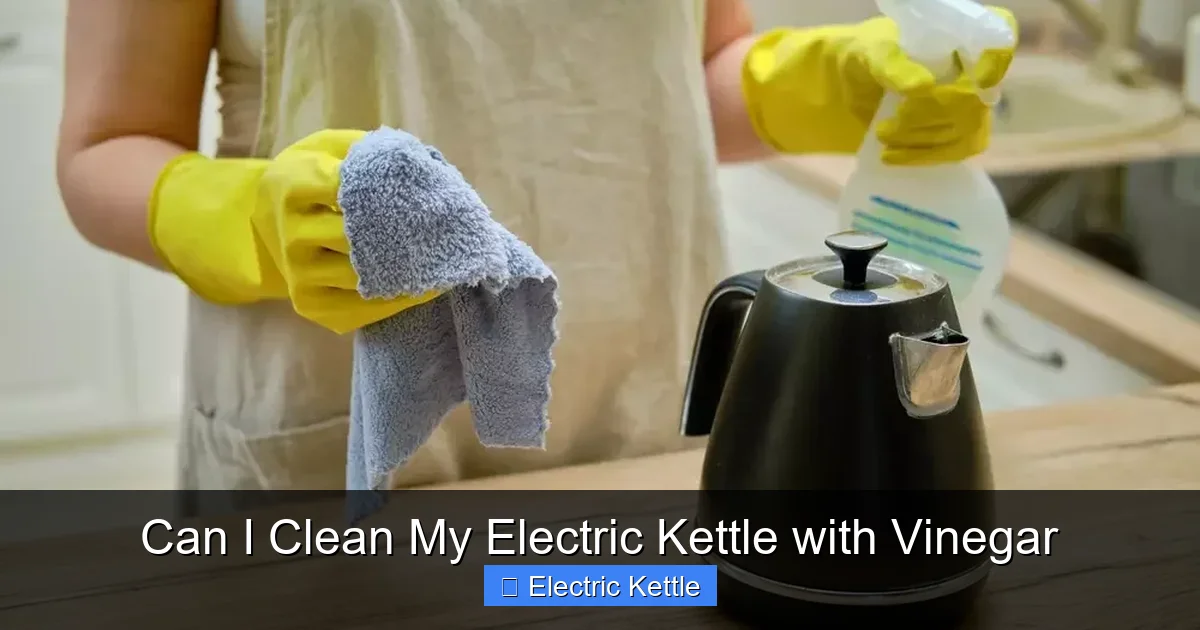
Visual guide about Can I Clean My Electric Kettle with Vinegar
Image source: sparkschef.com
Vinegar has been a household cleaning staple for generations, and its effectiveness isn’t just folklore—it’s science. The secret lies in its acidity. White distilled vinegar typically contains about 5% acetic acid, which is strong enough to dissolve mineral deposits like limescale but mild enough to be safe for most surfaces when diluted.
When hard water is heated repeatedly in your electric kettle, the minerals precipitate out of the solution and cling to the heating element, interior walls, and spout. Over time, this buildup forms a hard, crusty layer that’s difficult to remove with water alone. Vinegar reacts with these minerals—specifically calcium carbonate—in a chemical process that breaks them down into water-soluble compounds. This means the limescale literally dissolves, leaving your kettle cleaner and more efficient.
But it’s not just about removing visible gunk. Limescale can insulate the heating element, forcing your kettle to work harder and use more energy to heat water. This not only increases your electricity bill but can also lead to overheating and premature failure of the appliance. By regularly cleaning with vinegar, you maintain optimal performance and extend the life of your kettle.
Another advantage of vinegar is its antimicrobial properties. While it’s not a substitute for soap and water, vinegar can help reduce bacteria and mold that may grow in stagnant water or damp areas of the kettle. This is especially helpful if you don’t use your kettle daily or tend to leave water sitting inside.
The Science Behind the Clean
To understand why vinegar is so effective, let’s break down the chemistry. Limescale is primarily composed of calcium carbonate (CaCO₃), a compound that forms when calcium ions in hard water react with carbonate ions during heating. Vinegar (acetic acid, CH₃COOH) donates hydrogen ions (H⁺) that react with the carbonate ions, producing carbon dioxide gas, water, and soluble calcium acetate.
The reaction looks like this:
CaCO₃ (s) + 2CH₃COOH (aq) → Ca(CH₃COO)₂ (aq) + H₂O (l) + CO₂ (g)
In simpler terms, the vinegar eats away at the limescale, turning it into a liquid that can be easily rinsed away. The bubbling you see during the cleaning process is carbon dioxide being released—a sign that the reaction is working.
This natural process is not only effective but also environmentally friendly. Unlike chemical descalers that may contain phosphates or chlorine, vinegar breaks down into harmless byproducts and doesn’t contribute to water pollution.
Benefits Beyond Cleaning
Using vinegar to clean your electric kettle offers several additional benefits. First, it’s incredibly cost-effective. A bottle of white vinegar costs just a few dollars and can be used for multiple cleanings, making it far cheaper than commercial descaling solutions. Second, it’s versatile—you can use the same vinegar for cleaning sinks, coffee makers, and even laundry.
Third, vinegar is safe for your family and pets. Since it’s non-toxic and biodegradable, you don’t have to worry about harmful fumes or residues. Just be sure to rinse thoroughly to avoid any sour taste in your drinks.
Finally, regular vinegar cleaning can improve the taste of your beverages. Limescale can impart a metallic or bitter flavor to water, which affects everything from coffee to herbal teas. A clean kettle means purer-tasting drinks and a more enjoyable experience.
Step-by-Step Guide to Cleaning Your Electric Kettle with Vinegar
Now that you know why vinegar works, let’s get into the practical steps. Cleaning your electric kettle with vinegar is simple, but doing it correctly ensures the best results and protects your appliance. Follow this easy guide for a sparkling clean kettle every time.
What You’ll Need
Before you start, gather these items:
– White distilled vinegar (not apple cider or balsamic)
– Clean water
– A soft sponge or cloth (avoid abrasive scrubbers)
– A measuring cup
– A toothbrush (optional, for hard-to-reach areas)
Make sure your kettle is unplugged and completely cool before beginning. Safety first!
Step 1: Mix the Vinegar Solution
For most electric kettles, a 1:1 ratio of vinegar to water works best. This means equal parts vinegar and water. For example, if your kettle holds 1 liter, use 500 ml of vinegar and 500 ml of water. This dilution is strong enough to dissolve limescale but gentle enough to avoid damaging the interior.
Pour the mixture into the kettle, making sure it covers the areas with the most buildup—usually the bottom and around the heating element. If your kettle has a visible heating coil, ensure it’s fully submerged.
Step 2: Let It Soak
Allow the vinegar solution to sit in the kettle for at least 30 minutes. For heavy limescale, you can leave it for up to an hour. The longer it sits, the more time the acetic acid has to break down the mineral deposits.
If you’re dealing with stubborn buildup, you can gently swirl the solution around or use a soft sponge to agitate the sides. Avoid using metal scrubbers or steel wool, as they can scratch the surface.
Step 3: Boil the Solution (Optional)
For extra cleaning power, you can bring the vinegar solution to a boil. Turn on the kettle and let it heat the mixture until it reaches boiling point. Then, turn it off and let it sit for another 15–20 minutes. The heat accelerates the chemical reaction, making it easier to remove tough limescale.
Important: Only do this if your kettle is designed to handle acidic solutions. Most modern electric kettles are fine, but if your model has a non-stick coating or special lining, check the manufacturer’s instructions first.
Step 4: Scrub and Rinse
After soaking, pour out the vinegar solution. Use a soft sponge or cloth to wipe away any remaining residue. For tight spots around the spout or lid, a toothbrush can be helpful.
Rinse the kettle thoroughly with clean water—at least three times. Any leftover vinegar can affect the taste of your drinks, so don’t skip this step. You can also fill the kettle with fresh water, boil it, and pour it out to help remove any lingering odor.
Step 5: Dry and Store
Once rinsed, dry the exterior with a clean towel. Leave the kettle open to air-dry completely before storing or using it again. This prevents moisture buildup, which can lead to mold or mildew.
Pro Tips for Best Results
– Clean your kettle every 2–4 weeks if you use it daily, especially in hard water areas.
– If you notice a strong vinegar smell after cleaning, boil a few cups of plain water and discard it—this helps neutralize odors.
– For kettles with plastic exteriors, wipe them down with a vinegar-water solution (1:3 ratio) to remove fingerprints and stains.
Safety Tips and What to Avoid
While vinegar is generally safe for cleaning electric kettles, there are a few important precautions to keep in mind. Following these tips will help you avoid damage and ensure a safe, effective clean.
Check Your Kettle’s Material
Not all kettles are compatible with vinegar. Most stainless steel, glass, and BPA-free plastic kettles can handle vinegar cleaning without issues. However, if your kettle has a non-stick coating, enamel lining, or special anti-scale treatment, vinegar’s acidity may degrade these surfaces over time.
Always consult your user manual before using vinegar. If the manufacturer advises against acidic cleaners, consider using a gentler alternative like lemon juice or a commercial descaler.
Avoid Mixing Vinegar with Other Cleaners
Never mix vinegar with bleach, hydrogen peroxide, or ammonia. These combinations can produce toxic gases that are dangerous to inhale. Stick to vinegar and water for a safe, effective clean.
Don’t Overuse or Overheat
While vinegar is safe in moderation, using it too frequently or at high concentrations can wear down seals and gaskets over time. Stick to the 1:1 ratio and avoid boiling pure vinegar, as the strong fumes can be irritating.
Be Mindful of Smell
Vinegar has a strong odor that some people find unpleasant. If the smell lingers after cleaning, try boiling a solution of water and baking soda (1 teaspoon per liter) to neutralize it. You can also leave the kettle open in a well-ventilated area for a few hours.
Never Clean the Exterior with Undiluted Vinegar
The exterior of your kettle—especially plastic parts—can become discolored or damaged by undiluted vinegar. Always dilute it (1 part vinegar to 3 parts water) and wipe gently with a soft cloth.
Alternative Cleaning Methods
While vinegar is a top choice for cleaning electric kettles, it’s not the only option. Depending on your preferences, kettle type, or availability of ingredients, you might want to try these alternatives.
Lemon Juice
Fresh lemon juice is another natural acid that works well on limescale. It has a pleasant scent and is slightly less harsh than vinegar. Use the same method: mix equal parts lemon juice and water, soak for 30–60 minutes, then rinse thoroughly. For extra power, cut a lemon in half and rub it directly on the affected areas before soaking.
Baking Soda
Baking soda is mildly abrasive and can help scrub away light buildup. Make a paste with baking soda and water, apply it to the inside of the kettle, and let it sit for 15–20 minutes. Scrub gently with a sponge, then rinse. For tougher jobs, combine baking soda with vinegar—the fizzing action helps lift deposits.
Commercial Descalers
If you prefer a ready-made solution, commercial descalers are available at most supermarkets. These products are specifically formulated for kettles and coffee makers and often come with clear instructions. While effective, they can be more expensive and may contain synthetic ingredients.
Commercial vs. Natural: Pros and Cons
| Method | Pros | Cons |
|—————–|——————————————-|——————————————-|
| Vinegar | Cheap, natural, effective, eco-friendly | Strong smell, may not suit all kettles |
| Lemon Juice | Pleasant scent, natural | More expensive, less potent than vinegar |
| Baking Soda | Gentle, safe for most surfaces | Less effective on heavy limescale |
| Commercial | Convenient, fast-acting | Costly, may contain chemicals |
Ultimately, the best method depends on your needs. For most people, vinegar offers the best balance of effectiveness, safety, and affordability.
How Often Should You Clean Your Electric Kettle?
Regular maintenance is key to keeping your electric kettle in top condition. But how often should you clean it? The answer depends on several factors, including water hardness, usage frequency, and kettle material.
General Guidelines
– Daily users in hard water areas: Clean every 2 weeks.
– Daily users in soft water areas: Clean every 4 weeks.
– Occasional users: Clean every 6–8 weeks or before long periods of non-use.
Hard water contains higher levels of calcium and magnesium, which accelerate limescale formation. If you live in an area with hard water (common in many parts of the U.S., UK, and Australia), you’ll need to clean more frequently.
Signs It’s Time to Clean
Even if you follow a schedule, watch for these signs that your kettle needs attention:
– Visible white or gray deposits inside the kettle
– Slower heating times
– Unusual noises during boiling
– Strange tastes or odors in your drinks
– Water spots or cloudiness on the interior
Catching buildup early makes cleaning easier and prevents long-term damage.
Preventive Tips
To reduce the need for frequent cleaning:
– Use filtered or distilled water when possible.
– Empty the kettle after each use to prevent mineral concentration.
– Wipe the interior with a damp cloth weekly to remove light residue.
– Consider installing a water softener if hard water is a persistent issue.
Conclusion
Cleaning your electric kettle with vinegar is not only safe—it’s one of the smartest, most effective ways to maintain your appliance. The natural acidity of vinegar dissolves limescale, improves heating efficiency, and enhances the taste of your beverages, all without the need for harsh chemicals or expensive products.
By following the simple steps outlined in this guide—mixing a 1:1 vinegar solution, soaking, rinsing thoroughly, and drying properly—you can keep your kettle in excellent condition for years to come. Just remember to check your kettle’s material, avoid mixing cleaners, and clean regularly based on your usage and water type.
Whether you’re a daily tea drinker or just someone who values a clean kitchen, vinegar is a reliable, eco-friendly solution that delivers real results. So the next time you notice that chalky buildup, don’t reach for a commercial cleaner—grab that bottle of vinegar and give your kettle the natural clean it deserves.
Frequently Asked Questions
Can I use apple cider vinegar instead of white vinegar?
It’s best to use white distilled vinegar because it’s clear and won’t leave stains or strong odors. Apple cider vinegar is darker and may discolor your kettle or affect the taste of your drinks.
Will vinegar damage my electric kettle?
Vinegar is safe for most kettles made of stainless steel, glass, or BPA-free plastic. However, avoid using it on kettles with non-stick coatings or special linings—check your manual first.
How long should I let the vinegar sit in the kettle?
For light buildup, 30 minutes is sufficient. For heavy limescale, soak for up to 60 minutes. You can also boil the solution for extra cleaning power, then let it sit for 15–20 minutes.
Can I clean the outside of my kettle with vinegar?
Yes, but always dilute it (1 part vinegar to 3 parts water) and use a soft cloth. Avoid spraying or pouring vinegar directly on plastic or painted surfaces.
Why does my kettle still smell like vinegar after cleaning?
This is normal. Rinse the kettle thoroughly with clean water, then boil and discard a few cups of fresh water to eliminate any lingering odor.
Is it safe to drink water from a kettle cleaned with vinegar?
Yes, as long as you rinse the kettle thoroughly. Any remaining vinegar will be diluted to safe, undetectable levels. For extra peace of mind, boil and discard one full kettle of water after cleaning.