Yes, you can cook Maggi in an electric kettle—but it’s not always safe or recommended. While many people do it for convenience, especially in dorms or offices, there are important safety and hygiene concerns to consider. This guide covers how to do it properly, what kettles work best, and smarter alternatives.
Key Takeaways
- It is technically possible to cook Maggi in an electric kettle, but only if the kettle allows immersion cooking and has a wide mouth for easy stirring and cleaning.
- Safety is a major concern—boiling noodles can cause overflow, clog the spout, or damage internal components, especially in auto-shutoff kettles.
- Not all electric kettles are suitable; models with exposed heating elements or non-stick coatings may pose health or performance risks when used for cooking.
- Cleaning becomes harder after cooking Maggi, as starch and oil can stick to the interior, leading to odors, residue buildup, and reduced kettle lifespan.
- Alternative methods like using a mug with hot water or a dedicated mini cooker are safer, faster, and preserve your kettle’s functionality.
- Always prioritize manufacturer guidelines—most brands explicitly warn against using kettles for anything other than boiling water.
- If you must cook Maggi in a kettle, use small portions, stir frequently, and clean immediately to minimize risks.
📑 Table of Contents
- Can I Cook Maggi in Electric Kettle? The Truth Behind the Trend
- How Does Cooking Maggi in an Electric Kettle Work?
- Is It Safe to Cook Maggi in an Electric Kettle?
- Which Electric Kettles Are Best (and Worst) for Cooking Maggi?
- Step-by-Step Guide: How to Cook Maggi in an Electric Kettle (If You Must)
- Better Alternatives to Cooking Maggi in a Kettle
- Final Thoughts: Should You Cook Maggi in an Electric Kettle?
Can I Cook Maggi in Electric Kettle? The Truth Behind the Trend
If you’ve ever been stuck in a dorm room, office break room, or tiny apartment with no stove, you’ve probably wondered: *Can I cook Maggi in an electric kettle?* It’s a question that’s popped up in college forums, TikTok hacks, and late-night snack searches across the globe. And the short answer? Yes—technically, you can. But just because you *can* doesn’t always mean you *should*.
Maggi noodles, known for their quick prep time and bold flavors, have become a global comfort food. Whether it’s Maggi Masala, Chicken, or Vegetable, these instant noodles are a go-to for students, travelers, and busy professionals. But when your only kitchen appliance is an electric kettle, creativity kicks in. And while cooking Maggi in a kettle might seem like a clever life hack, it comes with a mix of benefits, risks, and practical limitations.
In this detailed guide, we’ll explore everything you need to know about cooking Maggi in an electric kettle—from how it works and which kettles are safest, to the potential dangers and better alternatives. Whether you’re a college student surviving on instant noodles or just curious about kitchen hacks, this article will help you make an informed decision.
How Does Cooking Maggi in an Electric Kettle Work?
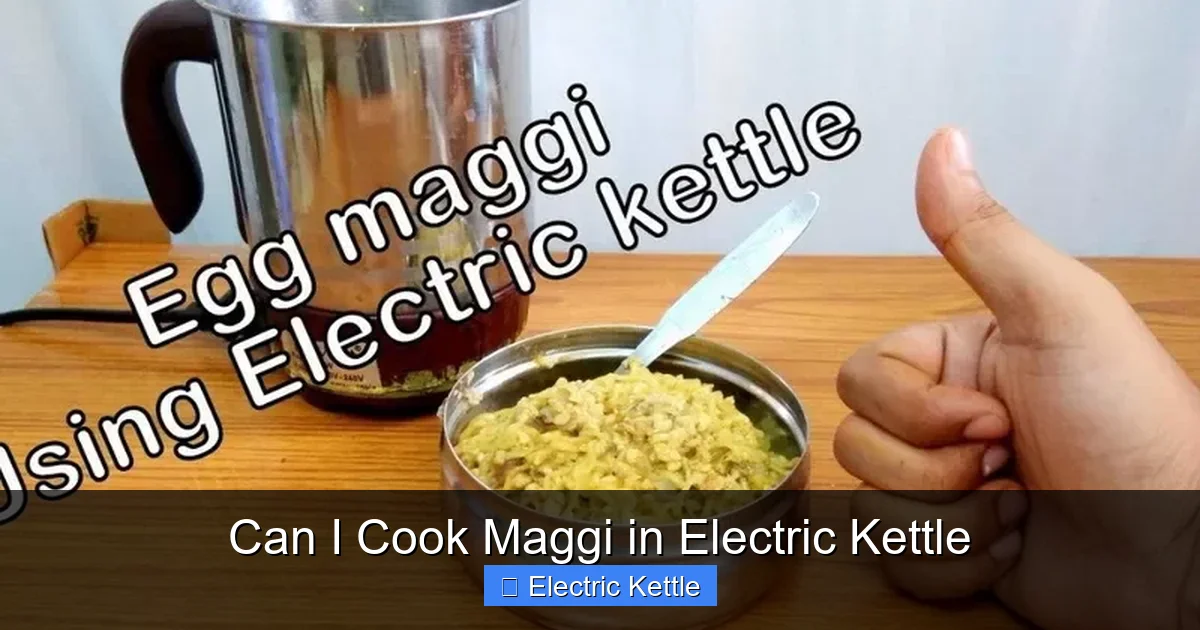
Visual guide about Can I Cook Maggi in Electric Kettle
Image source: irrorwxhiqijjr5q.ldycdn.com
At its core, an electric kettle is designed to heat water quickly and efficiently. Most models use an internal heating element—either concealed under a stainless steel base or exposed—to bring water to a boil in just a few minutes. The process is simple: fill, plug in, wait for the auto-shutoff, and pour.
So, how does Maggi fit into this? Well, Maggi noodles are precooked and dehydrated, meaning they only need hot water to rehydrate and soften. In theory, if you add the noodles and seasoning to the kettle before boiling, the hot water should cook them just like on a stove.
Here’s a basic step-by-step of how people attempt it:
1. Add water to the kettle (usually 1–2 cups, depending on portion size).
2. Drop in the Maggi noodles and break them slightly to fit.
3. Add the tastemaker (seasoning packet) directly into the water.
4. Close the lid and turn on the kettle.
5. Once boiling, let it sit for 2–3 minutes, stirring occasionally if possible.
6. Carefully pour out the noodles and broth into a bowl.
Sounds easy, right? And for many, it works—sort of. But there are several reasons why this method isn’t as straightforward as it seems.
The Science Behind Instant Noodles and Heat
Maggi noodles are made from wheat flour, palm oil, and salt, then steamed and fried to remove moisture. This process makes them shelf-stable and quick to rehydrate. When exposed to boiling water (around 100°C or 212°F), the starch in the noodles absorbs water, swells, and softens—turning from brittle sticks into edible strands.
An electric kettle can certainly reach this temperature. In fact, most kettles boil water faster than a stovetop. So from a thermal standpoint, the kettle *can* cook the noodles.
However, the issue isn’t just about temperature—it’s about control. On a stove, you can adjust the heat, stir the noodles, and monitor the process. In a kettle, you’re locked into an automated cycle. Once it boils, it shuts off. There’s no simmering, no stirring, and no way to add more water if needed.
This lack of control can lead to undercooked noodles, uneven seasoning distribution, or even burning if the noodles stick to the heating element.
Why People Try It: Convenience and Accessibility
Despite the risks, the trend of cooking Maggi in kettles persists—and for good reason. For students in dorms without kitchens, office workers with limited break time, or travelers in hotel rooms, an electric kettle is often the only appliance available. It’s compact, affordable, and widely accessible.
Imagine this: It’s 2 a.m., you’re pulling an all-nighter, and hunger strikes. The cafeteria is closed, your mini-fridge is empty, but you have a kettle and a pack of Maggi. What do you do? For many, the answer is obvious—try to cook it in the kettle.
And it’s not just about hunger. It’s about independence. Being able to prepare a warm meal without a stove gives a sense of self-reliance, especially for young adults living away from home for the first time.
But while the motivation is understandable, it’s important to weigh convenience against safety and long-term appliance health.
Is It Safe to Cook Maggi in an Electric Kettle?
This is the million-dollar question. And the answer isn’t a simple yes or no—it depends on several factors, including your kettle’s design, how you use it, and how often you do it.
Let’s break down the safety concerns:
Risk of Overflow and Spillage
One of the biggest dangers when cooking Maggi in a kettle is overflow. When noodles are added to boiling water, they release starch, which increases the viscosity of the liquid. This can cause foam to form rapidly—similar to what happens when you boil pasta on a stove.
In a kettle, this foam has nowhere to go. It can bubble up through the spout, spill over the sides, or even seep into the electrical base. This not only creates a mess but can also damage the kettle’s internal wiring or cause short circuits.
Some kettles have anti-spill designs or wider openings, but most are built for water only. Adding solid ingredients like noodles increases the risk significantly.
Damage to the Heating Element
Many electric kettles have a concealed heating element under a stainless steel plate. While this design is safer and easier to clean, it’s not meant for direct contact with food particles.
When Maggi noodles cook, small bits can stick to the heating surface. Over time, these residues can burn, creating smoke, bad odors, or even affecting the taste of future boiled water. In severe cases, the buildup can insulate the heating element, reducing efficiency or causing overheating.
Exposed heating elements are even riskier. If noodles or oil come into direct contact with the hot coil, they can burn instantly, releasing harmful fumes or damaging the element.
Auto-Shutoff Malfunctions
Most modern kettles have an auto-shutoff feature that turns off the heating when water reaches boiling point. This is a safety mechanism to prevent dry boiling and overheating.
However, when you add noodles and seasoning, the liquid’s boiling point can change slightly due to dissolved solids. This might confuse the thermostat, causing the kettle to shut off too early (leaving noodles undercooked) or not at all (risking overheating).
In rare cases, food debris can interfere with the sensor, leading to malfunctions or even fire hazards.
Health and Hygiene Concerns
Cooking Maggi in a kettle introduces food particles into an appliance not designed for cooking. Even if you clean it afterward, starch, oil, and spice residues can linger in hard-to-reach areas—like the spout, lid hinges, or under the filter.
These residues can promote bacterial growth, especially in warm, moist environments. Over time, this can lead to unpleasant odors, mold, or even contamination of your drinking water.
Additionally, some kettles have non-stick coatings or plastic components that aren’t food-safe when heated beyond certain temperatures. Cooking noodles could degrade these materials, potentially leaching chemicals into your food.
Manufacturer Warnings
If you check the user manual of most electric kettles, you’ll find a clear warning: *Do not use for purposes other than boiling water.* Brands like Philips, Prestige, Bajaj, and Havells explicitly state that their kettles are not intended for cooking food.
Why? Because they haven’t been tested or certified for such use. Using your kettle to cook Maggi voids the warranty in many cases and increases the risk of damage or injury.
So while it might work once or twice, repeated use for cooking can shorten your kettle’s lifespan and compromise safety.
Which Electric Kettles Are Best (and Worst) for Cooking Maggi?
Not all electric kettles are created equal—especially when it comes to unconventional uses like cooking noodles. Some models are more tolerant of food particles, while others are downright dangerous.
Here’s a breakdown of what to look for:
Kettles with Wide Mouths and Removable Lids
Kettles with a wide opening and a removable or flip-top lid are easier to clean and allow better access for stirring. This is crucial when cooking Maggi, as you’ll need to break up the noodles and mix in the seasoning.
Models like the **Prestige Iris** or **Bajaj Majesty** have relatively wide mouths, making them slightly more suitable for this hack. However, they still carry the same risks as other kettles.
Stainless Steel vs. Plastic Interiors
Stainless steel kettles are generally more durable and easier to clean than plastic ones. They’re less likely to retain odors or stains from food residues.
Plastic kettles, especially those with BPA-free claims, may be safer for drinking water but can absorb strong flavors and degrade over time when exposed to oily or starchy foods.
If you plan to cook Maggi occasionally, a stainless steel kettle is the better choice—but again, it’s not recommended.
Kettles with Exposed Heating Elements
Avoid kettles with exposed heating coils at all costs. These are typically older or budget models and are highly unsafe for cooking. The coils can easily burn food, cause sparks, or overheat when in contact with noodles or oil.
Kettles with Anti-Spill and Filter Features
Some premium kettles come with built-in filters or anti-spill mechanisms designed to handle tea leaves or fruit infusions. While not intended for noodles, these features can help reduce overflow and make cleanup easier.
For example, the **Philips HD9359** has a removable mesh filter that catches particles. If you must cook Maggi, a kettle like this might offer slightly better control—but it’s still not a cooking appliance.
Best Option: Kettles Designed for Cooking
If you’re serious about cooking in a kettle, consider investing in a **multi-cooker or electric pot** instead. These appliances are designed for soups, noodles, and small meals. They have temperature controls, non-stick surfaces, and are built to handle food safely.
Brands like **Morphy Richards**, **Instant Pot**, or even **Maggi’s own electric cooker** offer compact, safe alternatives that won’t risk your regular kettle.
Step-by-Step Guide: How to Cook Maggi in an Electric Kettle (If You Must)
If you’ve weighed the risks and still want to try cooking Maggi in your kettle, here’s a safer, more controlled method to minimize damage and maximize results.
What You’ll Need
- 1 pack of Maggi noodles
- 1–2 cups of water (adjust for desired broth thickness)
- Maggi tastemaker (seasoning packet)
- A spoon or chopstick for stirring (if the kettle allows)
- A bowl for serving
Step 1: Choose the Right Kettle
Only attempt this with a stainless steel kettle that has a wide mouth and a removable lid. Avoid plastic or exposed-element models.
Step 2: Add Water and Noodles
Pour water into the kettle—don’t exceed the maximum fill line. Break the Maggi block in half to help it fit. Drop it in gently to avoid splashing.
Step 3: Add Seasoning
Sprinkle the tastemaker directly into the water. Stir gently with a long spoon if possible, or shake the kettle slightly (carefully!) to mix.
Step 4: Boil and Wait
Close the lid and turn on the kettle. Once it boils and shuts off, let it sit for 2–3 minutes. This allows the noodles to soften without overcooking.
Step 5: Stir and Serve
Carefully open the lid (watch for steam). Use a spoon to stir the noodles and break up any clumps. Pour the contents into a bowl immediately.
Step 6: Clean Immediately
Rinse the kettle with warm water right away. Use a soft brush or sponge to remove any starch or oil. Avoid abrasive cleaners that could scratch the interior.
Pro Tips
- Use only half a packet of Maggi to reduce foam and overflow.
- Add a teaspoon of oil to the water to prevent sticking.
- Never leave the kettle unattended while boiling.
- Limit this method to occasional use—don’t make it a habit.
Better Alternatives to Cooking Maggi in a Kettle
While cooking Maggi in a kettle might work in a pinch, there are safer, more effective alternatives that won’t risk your appliance or your health.
1. Mug Method (The “No-Cook” Hack)
This is the easiest and safest way to make Maggi without a stove or kettle.
Simply break the noodles into a large mug, add the tastemaker, and pour boiling water from your kettle over them. Cover the mug with a plate and let it sit for 3–5 minutes. Stir and enjoy.
This method uses the kettle only for boiling water—keeping it clean and safe—while still giving you a hot, tasty meal.
2. Portable Electric Cookers
Small, affordable electric pots like the **Maggi Quick Cooker** or **Prestige PC** are designed specifically for instant noodles, soups, and eggs. They’re compact, energy-efficient, and much safer than using a kettle.
These cookers often come with temperature controls, non-stick surfaces, and auto-shutoff features—making them ideal for dorm rooms or small spaces.
3. Microwave Cooking
If you have access to a microwave, you can cook Maggi in a microwave-safe bowl. Add noodles, water, and seasoning, then heat in 2-minute intervals, stirring in between.
This method is fast, clean, and doesn’t require any special appliances.
4. Travel Kettles with Cooking Functions
Some modern travel kettles, like the **Cosori Electric Gooseneck Kettle** or **Breville PolyScience Control Freak**, have advanced features that allow for precise temperature control and even light cooking.
While still not ideal for regular noodle cooking, these models offer more flexibility and safety than standard kettles.
Final Thoughts: Should You Cook Maggi in an Electric Kettle?
So, can you cook Maggi in an electric kettle? Yes. Should you? Probably not—especially not regularly.
While it’s possible and even tempting in certain situations, the risks outweigh the benefits for most people. Overflow, damage to the heating element, hygiene issues, and voided warranties are all real concerns that can turn a quick snack into a costly mistake.
That said, if you’re in a bind and have no other options, following the safe steps outlined above can help you minimize risks. Just remember: your kettle is designed for boiling water, not cooking food.
For the best experience, consider using the mug method or investing in a small electric cooker. These alternatives are safer, cleaner, and just as convenient—without putting your appliance or health on the line.
At the end of the day, Maggi is meant to be enjoyed, not at the expense of safety. So go ahead, satisfy that craving—but do it the smart way.
Frequently Asked Questions
Can I cook Maggi in any electric kettle?
Not all electric kettles are suitable. Avoid models with exposed heating elements, plastic interiors, or narrow openings. Stainless steel kettles with wide mouths are slightly better but still not recommended for regular cooking.
Will cooking Maggi damage my kettle?
Yes, it can. Starch and oil residues can stick to the interior, clog the spout, or damage the heating element. Over time, this buildup can affect performance, cause odors, or even lead to malfunctions.
Is it safe to drink water from a kettle after cooking Maggi?
It depends on how well you clean it. If residues remain, they can contaminate future boiled water with odors or bacteria. Always clean the kettle thoroughly after cooking food.
Can I use the same kettle for tea after cooking Maggi?
Technically yes, but only if you clean it properly. Lingering flavors or oils can affect the taste of tea or coffee. For best results, use a dedicated kettle for cooking or switch to the mug method.
What’s the safest way to make Maggi without a stove?
The mug method is the safest: boil water in the kettle, pour it over noodles and seasoning in a mug, cover, and wait 3–5 minutes. This keeps your kettle clean and avoids all cooking risks.
Are there electric kettles made for cooking?
Most kettles are not designed for cooking, but some multi-cookers or electric pots are. Look for appliances labeled for soups, noodles, or small meals—these are safer and more effective than using a standard kettle.