Cooking pasta in an electric kettle is possible and surprisingly effective in a pinch, especially for solo meals or dorm living. While not ideal for every situation, it can save time and energy when done correctly—just follow safety tips and choose the right pasta.
Key Takeaways
- Yes, you can cook pasta in an electric kettle: Many people successfully boil small amounts of pasta using their kettle, especially in dorms, offices, or during travel.
- Not all kettles are suitable: Only use kettles with flat heating elements or those designed for boiling solids; avoid immersion-coil models to prevent damage.
- Choose the right pasta: Small shapes like elbow macaroni, orzo, or thin spaghetti work best due to faster cooking and better water circulation.
- Use proper water-to-pasta ratios: Too much pasta can cause overflow or undercooking; stick to 1–2 servings max per batch.
- Never leave it unattended: Kettles aren’t designed for prolonged cooking, so monitor closely to avoid boiling dry or overflow.
- Clean thoroughly afterward: Residual starch and food particles can build up and affect future boiling performance or taste.
- Consider safety and warranty: Using your kettle for food may void the warranty or pose burn risks—always prioritize caution.
📑 Table of Contents
- Can I Cook Pasta in an Electric Kettle? The Surprising Answer
- How Electric Kettles Work—And Why They Can Cook Pasta
- Step-by-Step Guide: How to Cook Pasta in an Electric Kettle
- Safety Concerns and Risks
- Best Pasta Types for Electric Kettle Cooking
- Cleaning and Maintenance After Use
- Alternative Uses for Your Electric Kettle
- Conclusion: Is Cooking Pasta in an Electric Kettle Worth It?
Can I Cook Pasta in an Electric Kettle? The Surprising Answer
You’re stuck in your dorm room at midnight, craving a warm bowl of pasta. The kitchen’s closed, your microwave is broken, and all you have is an electric kettle. Sound familiar? You might be wondering: *Can I cook pasta in an electric kettle?* The short answer? Yes—but with some important caveats.
Electric kettles are designed to boil water quickly and efficiently, not to cook food. However, because they heat water to a rolling boil (usually around 212°F or 100°C), they can technically cook small amounts of pasta if used carefully. This method has become a popular hack among students, travelers, and minimalists who want a hot meal without a full stove setup. But while it’s doable, it’s not without risks—both to your kettle and your safety.
In this guide, we’ll walk you through everything you need to know about cooking pasta in an electric kettle. From which kettles work best to the types of pasta that cook well, plus step-by-step instructions and safety tips, you’ll learn how to turn your humble kettle into a makeshift pasta cooker. Whether you’re in a pinch or just curious about kitchen hacks, this method might just become your new go-to for quick, no-fuss meals.
How Electric Kettles Work—And Why They Can Cook Pasta
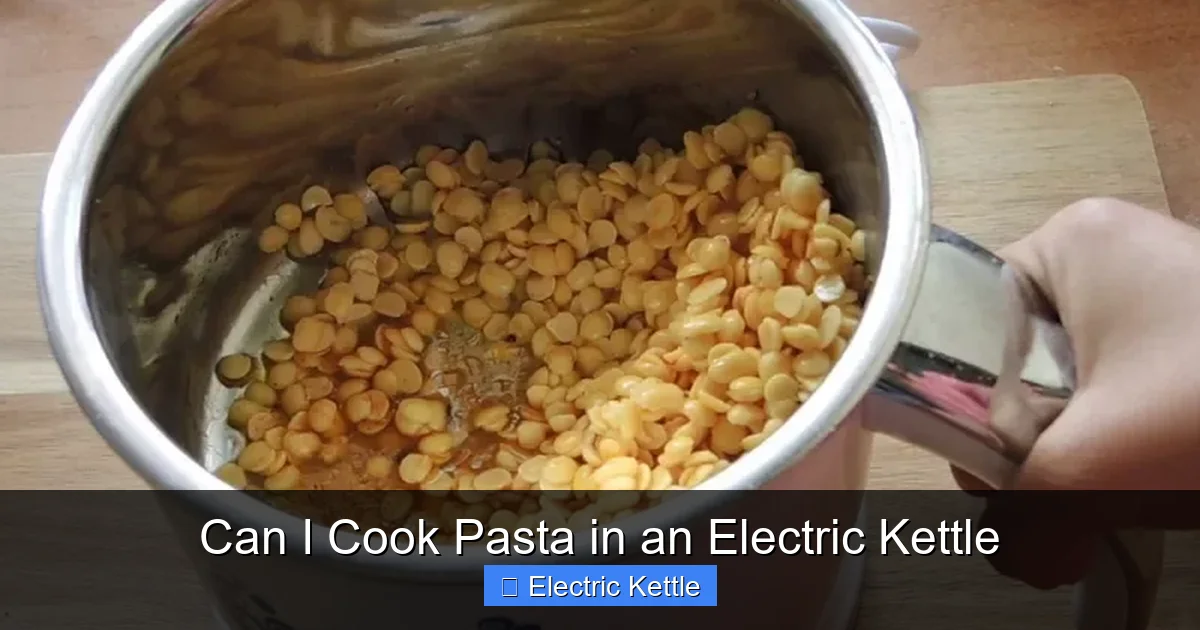
Visual guide about Can I Cook Pasta in an Electric Kettle
Image source: irrorwxhiqijjr5q.ldycdn.com
To understand whether you can cook pasta in an electric kettle, it helps to know how these appliances function. Most electric kettles use either a concealed heating element (a flat plate at the bottom) or an exposed coil that heats up when electricity passes through it. When you add water and turn it on, the element rapidly heats the liquid until it reaches boiling point, triggering an automatic shut-off mechanism.
This rapid boiling is key. Pasta needs to be submerged in boiling water for several minutes to cook properly—typically 8 to 12 minutes depending on the type. Since electric kettles can bring water to a full, rolling boil in just a few minutes, they create the ideal environment for pasta to soften and cook through.
However, there’s a catch: kettles aren’t designed to hold food. Unlike pots, they lack stirring mechanisms, wide openings, or heat control. This means you can’t stir the pasta while it cooks, which increases the risk of clumping or sticking to the bottom. Additionally, most kettles automatically shut off once boiling is detected, so you may need to manually restart the heating cycle to maintain boiling for the full cooking time.
Still, with the right technique, many people find that their kettle can handle small batches of pasta just fine. The key is understanding your kettle’s design and limitations.
Types of Electric Kettles: Which Ones Are Safe for Pasta?
Not all electric kettles are created equal when it comes to cooking pasta. The safest options are those with a **flat, concealed heating element** at the base. These models allow pasta to sit above the heating surface without direct contact, reducing the risk of burning or damaging the element.
Avoid kettles with **exposed heating coils**, especially if the coil is submerged in water. Dropping pasta onto a hot coil can cause scorching, warping, or even electrical issues. These models are also harder to clean and more prone to residue buildup.
Glass or stainless steel kettles with wide openings are ideal because they let you see what’s happening inside and make it easier to add and remove pasta. Plastic kettles should be used with caution—some may release chemicals when heated with food particles, and they’re more likely to retain odors.
If your kettle has a **“boil-dry” protection feature**, that’s a plus. It means the appliance will shut off if it detects low water levels, reducing the risk of overheating. However, this doesn’t eliminate the need for supervision—always stay nearby while cooking.
Why Water Temperature Matters
Pasta requires consistent boiling to cook evenly. The starch in pasta needs to gelatinize, which only happens when water stays at or near 212°F (100°C). Electric kettles excel at reaching this temperature quickly, often in under 5 minutes.
But here’s the challenge: once the kettle shuts off, the water begins to cool. If you don’t restart the heating cycle, the temperature may drop too low to continue cooking the pasta properly. This is why many people use a “boil, pause, reheat” method—boil the water, add pasta, let it cook for a few minutes, then reboil as needed.
Some newer kettles have **variable temperature settings**, but these are usually for brewing tea or coffee, not cooking. For pasta, you’ll want to use the full boil setting each time.
Step-by-Step Guide: How to Cook Pasta in an Electric Kettle
Ready to try it? Here’s a safe, effective method for cooking pasta in your electric kettle. Follow these steps carefully to avoid damage to your appliance and ensure your pasta turns out al dente.
Step 1: Choose the Right Pasta
Not all pasta shapes work well in a kettle. Stick to **small, quick-cooking varieties** that don’t require long boiling times. Great options include:
– Elbow macaroni
– Orzo
– Ditalini
– Small shells
– Thin spaghetti (broken in half)
Avoid long, thick, or delicate shapes like fettuccine, linguine, or angel hair. These can tangle, stick to the bottom, or take too long to cook. Whole wheat or gluten-free pasta may also require longer cooking times, so use them only if your kettle can sustain boiling.
Step 2: Measure Water and Pasta
Use a **1:4 ratio of pasta to water** by volume. For example, 1/2 cup of pasta needs about 2 cups of water. Don’t fill the kettle more than halfway to prevent overflow when boiling. Most kettles have measurement markings—use them.
Add the pasta only after the water has reached a full boil. Dropping cold pasta into cold water can cause uneven cooking and increase the risk of clumping.
Step 3: Boil, Add Pasta, and Monitor
1. Fill the kettle with the measured water and turn it on.
2. Once it reaches a rolling boil and shuts off, carefully open the lid.
3. Slowly add the pasta, stirring gently with a long-handled spoon if possible.
4. Close the lid and turn the kettle back on. It should reheat and return to a boil within 1–2 minutes.
5. Let it cook for 8–12 minutes, depending on the pasta type. Reboil as needed—most kettles will shut off again, so you may need to restart it 2–3 times.
Step 4: Drain and Serve
Once the pasta is cooked, turn off the kettle and let it cool slightly. Use a fine-mesh strainer or the kettle’s built-in spout (if it has one) to drain the water. Be careful—the kettle and water will be very hot.
Transfer the pasta to a bowl and add your favorite sauce, olive oil, or seasonings. Enjoy immediately!
Pro Tips for Best Results
– **Salt the water:** Add a teaspoon of salt after the first boil for flavor.
– **Stir gently:** If your kettle has a wide opening, use a chopstick or silicone spatula to stir occasionally and prevent sticking.
– **Don’t overfill:** Overloading the kettle leads to uneven cooking and overflow.
– **Use a timer:** Set a kitchen timer to track cooking time, especially if you’re reboiling multiple times.
– **Test for doneness:** Taste a piece after 8 minutes. It should be tender but still slightly firm (al dente).
Safety Concerns and Risks
While cooking pasta in an electric kettle can be convenient, it’s not without risks. Understanding these dangers will help you use your kettle safely and avoid accidents.
Risk of Damage to the Kettle
Electric kettles are not designed to cook food. Repeated use with pasta can lead to:
– **Residue buildup:** Starchy water can leave a film on the heating element, reducing efficiency over time.
– **Clogged filters:** Some kettles have mesh filters to prevent limescale. Pasta particles can clog these, affecting water flow.
– **Warped or scorched elements:** If pasta sticks to the heating surface, it can burn and damage the appliance.
To minimize damage, clean your kettle thoroughly after each use. Use a soft brush or cloth to remove any stuck-on bits, and run a vinegar-water solution through it once a month to descale.
Burn and Scald Hazards
Hot water and steam are serious burn risks. Always:
– Use oven mitts or a towel when handling the kettle.
– Open the lid away from your face to avoid steam burns.
– Keep children and pets away during use.
Never leave the kettle unattended. If it overflows, it could short-circuit or cause a fire.
Electrical Safety
Water and electricity don’t mix. Ensure the kettle’s base and cord are dry before plugging in. Don’t submerge the base or cord in water. If you notice sparks, smoke, or a burning smell, unplug the kettle immediately and stop using it.
Warranty and Manufacturer Guidelines
Most manufacturers explicitly state that kettles should only be used for boiling water. Using it to cook food may **void your warranty**. Check your user manual before attempting this hack. If your kettle is still under warranty, consider whether the convenience is worth the risk.
Best Pasta Types for Electric Kettle Cooking
Choosing the right pasta makes all the difference. Here’s a breakdown of which types work best—and which to avoid.
Top Picks for Kettle Cooking
– **Elbow Macaroni:** Small, sturdy, and cooks in 8–10 minutes. Perfect for mac and cheese or pasta salads.
– **Orzo:** Rice-shaped pasta that cooks quickly and doesn’t clump easily. Great with olive oil and herbs.
– **Ditalini:** Tiny tubes that work well in soups or as a side dish.
– **Small Shells:** Hold sauce well and cook evenly in boiling water.
– **Thin Spaghetti (halved):** Breaks easily and cooks fast. Ideal for quick tomato sauce dishes.
Pasta to Avoid
– **Long, flat noodles:** Fettuccine, linguine, and pappardelle are too long and prone to tangling.
– **Delicate shapes:** Angel hair or vermicelli can turn mushy quickly.
– **Fresh pasta:** Requires precise timing and stirring—too risky in a kettle.
– **Stuffed pasta:** Ravioli or tortellini need more water and longer cooking times.
Cooking Times Reference
| Pasta Type | Approx. Cooking Time |
|——————|———————-|
| Elbow Macaroni | 8–10 minutes |
| Orzo | 7–9 minutes |
| Ditalini | 8–10 minutes |
| Small Shells | 9–11 minutes |
| Thin Spaghetti | 6–8 minutes |
Always check the package instructions and adjust based on your kettle’s performance.
Cleaning and Maintenance After Use
Proper cleaning is essential to keep your kettle in good working order and prevent off-flavors in future uses.
Immediate Cleaning Steps
1. Let the kettle cool completely.
2. Empty any remaining water and remove pasta debris.
3. Rinse the interior with warm water.
4. Use a soft sponge or brush to scrub the heating element and walls.
5. Wipe the exterior with a damp cloth.
Deep Cleaning Monthly
To remove limescale and starch buildup:
– Mix equal parts white vinegar and water.
– Fill the kettle halfway and boil.
– Let it sit for 30 minutes, then rinse thoroughly.
– Boil fresh water once to remove any vinegar taste.
Preventing Odors and Stains
Starchy water can leave a cloudy film or mild odor. To prevent this:
– Never let pasta sit in the kettle after cooking.
– Dry the interior with a clean towel after rinsing.
– Store with the lid open to allow airflow.
Alternative Uses for Your Electric Kettle
Once you’ve mastered pasta, you might be curious about other foods you can cook. While we don’t recommend making a full meal in your kettle, here are a few safe, practical alternatives:
– **Instant noodles:** Just add noodles and flavor packet to boiling water.
– **Oatmeal:** Use quick-cooking oats and stir occasionally.
– **Scrambled eggs:** Beat eggs, add to boiling water, and stir gently (use caution).
– **Ramen or soup mixes:** Perfect for a quick lunch.
– **Sterilizing baby bottles:** Boil water and submerge items for 5 minutes.
Always prioritize safety and cleanliness when experimenting.
Conclusion: Is Cooking Pasta in an Electric Kettle Worth It?
So, can you cook pasta in an electric kettle? Absolutely—but it’s a niche solution best suited for specific situations. If you’re a student in a dorm, a traveler in a hotel, or someone with limited kitchen access, this hack can be a game-changer. It’s fast, requires minimal cleanup, and uses less energy than a stove.
However, it’s not a replacement for traditional cooking. The risks—potential damage to your kettle, safety hazards, and warranty concerns—mean it should be used sparingly and with caution. Stick to small batches, choose the right pasta, and always monitor the process.
When done correctly, cooking pasta in an electric kettle is a clever, practical trick that proves sometimes the simplest appliances can do the most surprising things. Just remember: safety first, cleanliness second, and enjoy that warm bowl of pasta third.
Frequently Asked Questions
Can I cook pasta in any electric kettle?
Not all kettles are suitable. Avoid models with exposed heating coils, as pasta can damage them. Flat-base kettles with concealed elements are safer and easier to clean.
Will cooking pasta void my kettle’s warranty?
Most manufacturers don’t recommend using kettles for food. Check your manual—using it to cook pasta may void the warranty, especially if damage occurs.
How much pasta can I cook at once?
Stick to 1–2 servings (about 1/2 to 1 cup dry pasta). Overloading causes overflow, uneven cooking, and increases the risk of damage.
Can I add sauce or seasonings directly to the kettle?
No. Add seasonings like salt to the water, but never pour sauce into the kettle. It can clog the mechanism and ruin the appliance.
Is it safe to leave the kettle unattended while cooking pasta?
No. Always stay nearby to monitor boiling, prevent overflow, and restart the kettle as needed. Unattended use increases burn and fire risks.
What’s the best way to clean my kettle after cooking pasta?
Rinse immediately, scrub with a soft brush, and run a vinegar-water solution monthly to remove starch and limescale buildup.