Leaving water in your electric kettle may seem harmless, but it can lead to mineral buildup, bacteria growth, and reduced appliance lifespan. This guide covers the science, risks, and smart habits to keep your kettle efficient and your water tasting fresh.
Key Takeaways
- Mineral buildup is a major concern: Stagnant water leaves behind limescale and deposits that can clog heating elements and affect performance.
- Standing water can harbor bacteria: Warm, moist environments are ideal for microbial growth, especially if the kettle isn’t cleaned regularly.
- Repeated reheating degrades water quality: Each boil cycle concentrates impurities and can alter taste and odor.
- Emptying the kettle after use extends its life: Reducing limescale and corrosion helps maintain heating efficiency and prevents damage.
- Regular cleaning prevents long-term issues: Monthly descaling with vinegar or commercial cleaners keeps your kettle in top shape.
- Use filtered water to minimize problems: Cleaner water reduces scale and improves both taste and kettle longevity.
- Modern kettles often have safety features: Auto-shutoff and boil-dry protection help, but don’t eliminate the need for good habits.
📑 Table of Contents
- Can I Leave Water in My Electric Kettle? The Truth You Need to Know
- Why Leaving Water in Your Electric Kettle Is a Problem
- How Long Can Water Safely Sit in an Electric Kettle?
- Effects on Kettle Performance and Lifespan
- Best Practices for Using and Maintaining Your Electric Kettle
- When It’s Okay to Leave Water in the Kettle
- Myths and Misconceptions About Electric Kettles
- Conclusion
Can I Leave Water in My Electric Kettle? The Truth You Need to Know
We’ve all been there—you boil water for tea, get distracted by a phone call or a sudden work email, and forget to pour it out. The next morning, you find yesterday’s water still sitting in your electric kettle. Your first thought might be: “Is it safe to use?” or “Will this hurt my kettle?” You’re not alone. Many people wonder whether leaving water in an electric kettle is harmless or a hidden hazard.
The short answer? It’s not ideal. While a single instance of leaving water in your kettle won’t cause immediate harm, making it a habit can lead to a range of problems—from bad-tasting tea to a shorter lifespan for your appliance. Electric kettles are designed for quick heating and frequent use, not for storing water. Over time, stagnant water can trigger mineral buildup, encourage bacteria growth, and even affect the performance of your kettle’s heating element. Understanding the science behind these issues helps you make smarter choices about how you use and care for your kettle.
In this comprehensive guide, we’ll explore the risks of leaving water in your electric kettle, explain how mineral deposits form, discuss hygiene concerns, and offer practical tips to keep your kettle clean and efficient. Whether you’re a daily tea drinker, a coffee lover, or someone who just needs hot water for instant meals, this information will help you get the most out of your appliance—without compromising safety or taste.
Why Leaving Water in Your Electric Kettle Is a Problem
At first glance, leaving water in your electric kettle might seem like a minor convenience. After all, it’s just water, right? But the reality is more complex. Water—especially tap water—contains dissolved minerals like calcium and magnesium. When water sits in your kettle, especially after being heated, these minerals begin to settle and form a chalky residue known as limescale. This buildup isn’t just unsightly; it can seriously impact your kettle’s performance and your drinking experience.
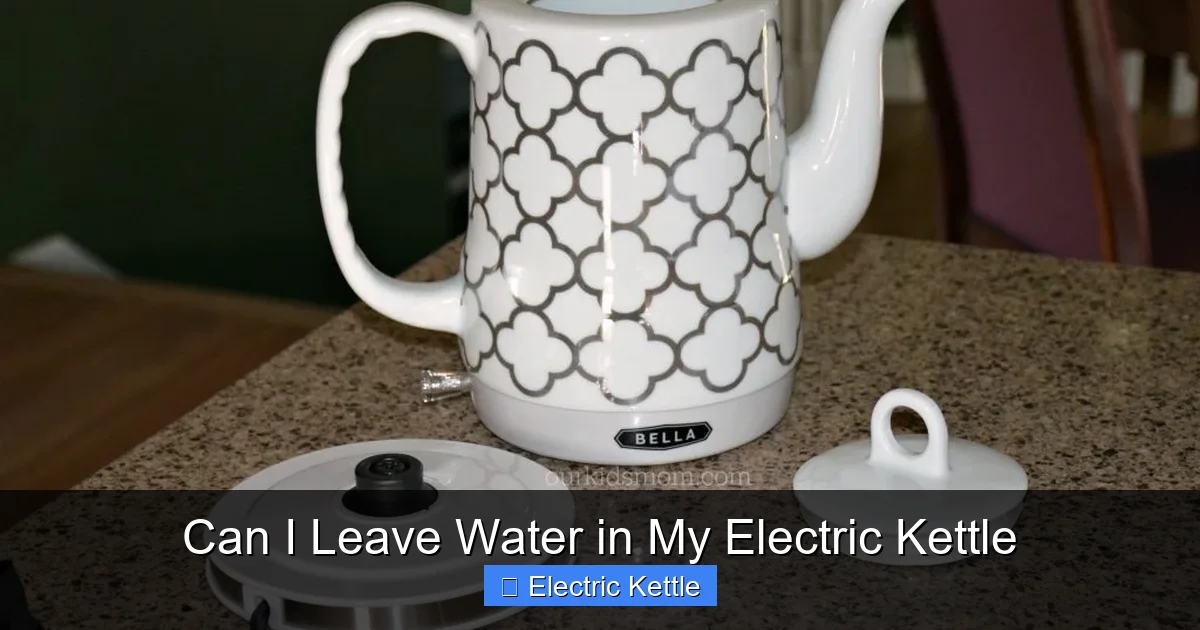
Visual guide about Can I Leave Water in My Electric Kettle
Image source: ourkidsmom.com
Mineral Buildup and Limescale Formation
Limescale is the most common consequence of leaving water in your kettle. Every time you boil water, some of it evaporates, leaving behind a higher concentration of minerals. If you don’t empty the kettle, these minerals accumulate on the heating element, the interior walls, and even the spout. Over time, this crusty layer acts as an insulator, making it harder for the heating element to transfer heat efficiently. As a result, your kettle takes longer to boil, uses more energy, and may eventually overheat or fail.
For example, imagine you boil water every morning for coffee. If you leave the leftover water in the kettle all day, by the third day, you might notice a white film around the base. By the end of the week, that film has hardened into a stubborn crust. This isn’t just cosmetic—it’s a sign that your kettle is working harder than it should. In hard water areas, this process happens even faster. If you live in a region with high mineral content in the water supply, you could see significant limescale buildup in just a few weeks.
Bacterial Growth in Stagnant Water
Another concern is hygiene. While boiling water kills most bacteria, once the water cools, the environment inside your kettle becomes a potential breeding ground for microbes. Warm, moist, and dark—these are ideal conditions for bacteria like Legionella or Pseudomonas to grow, especially if the water has been sitting for more than 24 hours. Although the risk of serious illness is low, these bacteria can affect the taste and odor of your water, making your tea or coffee smell off or taste metallic.
Consider this scenario: You boil water on Monday morning, use half, and leave the rest. By Wednesday, the water has cooled and sat undisturbed. Even if you boil it again, some bacteria may survive or recontaminate the water after cooling. This is especially true if your kettle has hard-to-reach areas where water pools or if the lid doesn’t seal tightly. Over time, biofilm—a slimy layer of bacteria—can form on the interior surfaces, making cleaning more difficult and increasing the risk of contamination.
Impact on Taste and Odor
Repeatedly reheating the same water doesn’t just concentrate minerals—it can also degrade the water’s taste. Each time water is boiled, oxygen escapes, and volatile compounds are released. This can make the water taste flat or stale. Additionally, if your kettle has plastic components or a rubber seal, prolonged exposure to warm water can cause these materials to leach small amounts of odor or flavor into the water. This is more noticeable in cheaper kettles with lower-quality materials.
Think of it like reheating coffee multiple times—it never tastes as fresh as the first cup. The same principle applies to water. If you’re someone who values the pure taste of tea or the clean flavor of coffee, using freshly drawn water each time makes a noticeable difference. Leaving water in your kettle undermines that freshness and can subtly alter your beverage experience.
How Long Can Water Safely Sit in an Electric Kettle?
So, how long is too long? There’s no universal rule, but most experts agree that water should not sit in your electric kettle for more than 24 hours. After that point, the risk of bacterial growth and mineral concentration increases significantly. However, even shorter periods can be problematic depending on your water quality and usage habits.
Factors That Influence Water Safety
Several factors determine how quickly water becomes unsafe or unsuitable for use:
- Water source: Tap water with high mineral content (hard water) leads to faster limescale buildup. Filtered or distilled water reduces this risk.
- Temperature: Warm water (above 40°C or 104°F) is more conducive to bacterial growth than cold water.
- Kettle material: Stainless steel kettles are less prone to odor retention than plastic ones. Glass kettles offer the cleanest taste but can still accumulate scale.
- Frequency of use: If you use your kettle multiple times a day, leftover water may not sit long enough to cause issues. But if you only use it once every few days, stagnant water becomes a bigger concern.
- Cleaning routine: A well-maintained kettle with regular descaling will handle occasional water retention better than a neglected one.
Practical Guidelines
To stay on the safe side, follow these simple rules:
- Empty your kettle after each use, especially if you won’t be using it again for several hours.
- If you must leave water in the kettle (e.g., for a quick reheat), limit it to 12 hours or less.
- Never leave water in the kettle overnight if you plan to use it the next morning without boiling.
- After boiling, pour out any unused water and let the kettle air dry with the lid open.
For example, if you boil water at 8 a.m. for breakfast tea and only use half, pour out the rest by noon. If you’re making a second cup at 3 p.m., refill with fresh water. This habit prevents mineral concentration and keeps your water tasting crisp.
Effects on Kettle Performance and Lifespan
Your electric kettle is a hardworking appliance, but it’s not designed to be a water storage tank. Repeatedly leaving water inside can shorten its lifespan and reduce its efficiency. The primary culprit is limescale, which not only affects heating but can also damage internal components over time.
Reduced Heating Efficiency
As limescale builds up on the heating element, it acts as a barrier between the element and the water. This means the element has to work harder and longer to achieve the same temperature. You might notice your kettle taking 30 seconds to a minute longer to boil, or the water not reaching a full rolling boil. This inefficiency increases energy consumption and puts extra strain on the heating coil.
In severe cases, the scale can become so thick that it causes hot spots—areas where the heating element overheats because heat can’t dissipate properly. This can lead to premature failure of the element or even trigger the kettle’s safety shut-off mechanism more frequently.
Corrosion and Component Damage
Mineral deposits can also accelerate corrosion, especially in kettles with exposed metal parts. Over time, rust or pitting can develop, compromising the structural integrity of the kettle. Additionally, scale can clog the spout or interfere with the automatic shut-off sensor, causing the kettle to boil dry or fail to turn off when water reaches boiling point.
For instance, a user in a hard water area might find their kettle lasting only 18 months instead of the expected 3–5 years. The difference? One user empties and cleans their kettle weekly; the other leaves water in it daily. The second kettle shows visible scale and takes longer to heat, signaling the need for replacement much sooner.
Impact on Safety Features
Modern electric kettles come with safety features like auto shut-off, boil-dry protection, and thermal fuses. However, these systems rely on accurate temperature sensing and proper water levels. If scale builds up around the sensor or the heating element, it can interfere with these mechanisms. The kettle might shut off too early, fail to shut off, or trigger false alarms.
This not only affects convenience but can also pose a fire or burn risk if the kettle overheats or continues boiling without water. While rare, such malfunctions are more likely in poorly maintained kettles.
Best Practices for Using and Maintaining Your Electric Kettle
The good news? With a few simple habits, you can keep your electric kettle running smoothly and your water tasting great. Prevention is key—small changes in your routine can make a big difference in performance and longevity.
Empty After Each Use
The single most effective habit is to empty your kettle after every use. Once you’ve poured your tea or coffee, tip out any remaining water. This prevents mineral buildup and eliminates stagnant water where bacteria can grow. If you’re worried about forgetting, make it part of your routine—like washing your mug or wiping the counter.
Use Filtered Water
Switching to filtered water can dramatically reduce limescale formation. Water filters remove chlorine, sediment, and many minerals, resulting in cleaner, better-tasting water. If you don’t have a filter, consider using bottled spring water occasionally, especially if you live in a hard water area. Just be mindful of plastic waste and cost over time.
Clean Regularly
Even with good habits, some scale will accumulate. Clean your kettle at least once a month—more often if you use it daily or have hard water. Here’s a simple method:
- Fill the kettle halfway with equal parts water and white vinegar.
- Let it sit for 30–60 minutes.
- Boil the solution, then let it cool.
- Pour out the vinegar mix and rinse thoroughly with clean water.
- Boil fresh water once or twice to remove any vinegar taste.
For stubborn scale, repeat the process or use a commercial descaling product. Avoid abrasive scrubbers that can scratch the interior.
Air Dry with the Lid Open
After cleaning or emptying, leave the kettle upside down or with the lid open to air dry. This prevents moisture from lingering inside, which can encourage mold or mildew. A dry kettle is a happy kettle.
Inspect and Maintain
Every few months, check the heating element, spout, and lid for signs of scale, rust, or wear. If you notice unusual noises, slow heating, or odd smells, it’s time for a deep clean or possible replacement.
When It’s Okay to Leave Water in the Kettle
While the general rule is to avoid leaving water in your kettle, there are a few exceptions where it’s acceptable—or even practical.
Short-Term Storage for Immediate Reuse
If you’re making multiple cups of tea or coffee within a short time frame—say, within an hour—it’s fine to leave water in the kettle. For example, if you boil water at 9 a.m. and plan to make a second cup at 9:30 a.m., there’s no need to empty it. The water hasn’t had time to cool significantly or accumulate bacteria.
Kettles with Advanced Features
Some high-end electric kettles come with built-in filtration, UV sterilization, or sealed chambers that reduce contamination risk. These models are designed to handle water retention better than standard kettles. If you own one of these, you may have more flexibility—but it’s still wise to empty it daily.
Travel or Emergency Use
If you’re using your kettle in a hotel room or during a power outage, you might not have access to fresh water. In such cases, leaving boiled water for a few hours is understandable. Just be sure to reboil it before drinking and clean the kettle as soon as possible.
Myths and Misconceptions About Electric Kettles
There are several myths floating around about electric kettles and water storage. Let’s clear them up.
“Boiling Kills Everything, So It’s Always Safe”
While boiling does kill most pathogens, it doesn’t remove minerals or prevent future contamination. Once water cools, bacteria can re-enter from the air or from handling the kettle. Reboiling doesn’t guarantee safety if the water has been sitting too long.
“Only Hard Water Causes Problems”
Even soft water can leave behind residues, especially if it contains chlorine or other additives. And plastic kettles can still develop odors over time, regardless of water type.
“I Can Just Clean It Once a Year”
Annual cleaning isn’t enough for regular users. Monthly descaling is recommended, and weekly rinsing can help maintain performance.
Conclusion
So, can you leave water in your electric kettle? Technically, yes—but it’s not recommended. Stagnant water leads to limescale, bacteria growth, and reduced efficiency, all of which can shorten your kettle’s life and affect your drinks. The best practice is simple: empty your kettle after each use, clean it regularly, and use filtered water when possible.
By adopting these habits, you’ll enjoy better-tasting beverages, lower energy bills, and a longer-lasting appliance. Your kettle works hard for you—give it the care it deserves. A few extra seconds to pour out leftover water can save you time, money, and hassle down the line. After all, the best cup of tea starts with a clean kettle and fresh, pure water.
Frequently Asked Questions
Is it safe to drink water that’s been sitting in an electric kettle overnight?
It’s not recommended. Water left in a kettle for more than 12–24 hours can develop bacteria and concentrated minerals, affecting taste and safety. Always reboil and consider using fresh water for the best results.
How often should I clean my electric kettle?
Clean your kettle at least once a month with a vinegar solution or descaling product. If you use it daily or have hard water, clean it every 2–3 weeks to prevent limescale buildup.
Can limescale in my kettle make me sick?
Limescale itself isn’t toxic, but it can harbor bacteria and affect water taste. Severe buildup can also damage your kettle and reduce heating efficiency, indirectly impacting safety.
Does using filtered water prevent limescale?
Yes, filtered water reduces mineral content, significantly slowing limescale formation. It also improves taste and extends your kettle’s lifespan.
What should I do if my kettle smells bad?
A bad odor usually indicates bacterial growth or residue buildup. Clean the kettle with vinegar, rinse thoroughly, and air dry with the lid open. Avoid using harsh chemicals that can leave odors.
Can I leave water in a stainless steel kettle longer than a plastic one?
Stainless steel is less prone to odor retention, but the same rules apply. Mineral buildup and bacteria growth depend on water quality and time, not just material. Empty both types after use.