
Yes, you can make rice in an electric kettle—but it’s not always ideal. While some modern kettles support it, most aren’t designed for prolonged heating of grains. Learn how to do it safely, what types work best, and when to avoid it altogether.
Key Takeaways
- Yes, it’s possible: Some electric kettles can cook rice, especially those with temperature control or keep-warm functions.
- Safety first: Never use a basic boiling-only kettle for rice—it can burn, overflow, or damage the unit.
- Rice type matters: White rice works best; brown, wild, or sticky rice may not cook evenly or could clog the kettle.
- Water ratio is key: Use a 1:1.5 to 1:2 ratio of rice to water, depending on the grain and kettle size.
- Stirring is essential: Stir occasionally to prevent sticking and ensure even cooking.
- Not all kettles are equal: Look for models with “cooking” or “grain” modes if you plan to make rice regularly.
- Clean thoroughly: Residue from rice can build up and affect future boiling performance—clean after every use.
📑 Table of Contents
- Can I Make Rice in an Electric Kettle? The Surprising Answer
- How Electric Kettles Work—And Why Rice Is a Challenge
- Step-by-Step Guide: How to Make Rice in an Electric Kettle
- Tips for Success: Getting the Best Results
- Risks and When to Avoid This Method
- Alternative Methods for Cooking Rice Without a Stove
- Cleaning and Maintenance After Cooking Rice
- Conclusion: Is Making Rice in an Electric Kettle Worth It?
Can I Make Rice in an Electric Kettle? The Surprising Answer
You’re in a pinch—no stove, no rice cooker, just your trusty electric kettle and a bag of rice. Maybe you’re in a dorm room, traveling, or simply out of kitchen space. The question pops into your head: *Can I make rice in an electric kettle?*
The short answer? Yes—but with caveats.
Electric kettles are primarily designed to boil water quickly and efficiently. They’re not built like rice cookers or stovetop pots. However, with the right type of kettle, proper technique, and a bit of caution, you *can* cook rice successfully. It’s not the most conventional method, but it’s a clever hack that many people have used—especially in small living spaces or during emergencies.
In this guide, we’ll explore whether making rice in an electric kettle is safe, how to do it step by step, what types of rice work best, and which kettles are up to the task. We’ll also cover common mistakes, cleaning tips, and when it’s better to skip this method altogether. By the end, you’ll know exactly when and how to turn your kettle into a mini rice cooker—without burning your kitchen down.
How Electric Kettles Work—And Why Rice Is a Challenge
Visual guide about Can I Make Rice in Electric Kettle
Image source: blogger.googleusercontent.com
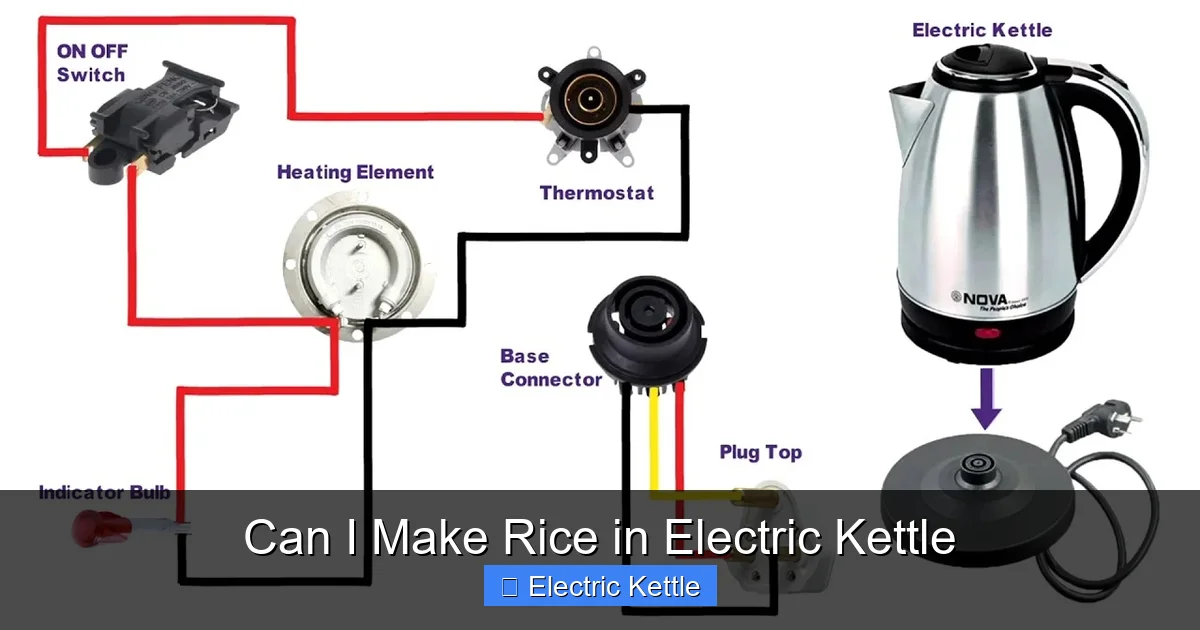
Before we dive into cooking rice, let’s understand how electric kettles function. Most standard kettles have a simple design: a heating element at the base, a water reservoir, and an automatic shut-off mechanism that turns off the kettle once the water reaches boiling point (around 212°F or 100°C). This shut-off feature is great for boiling water—but problematic for cooking rice.
Rice needs time to absorb water and cook slowly. It doesn’t just need boiling water; it needs sustained heat over 15–20 minutes. When you add raw rice to boiling water in a standard kettle, the temperature drops. The kettle may not reheat efficiently, or it might shut off too soon, leaving your rice undercooked or crunchy.
Additionally, rice tends to foam and expand as it cooks. This can cause overflow, especially in narrow kettles. The foam might also trigger the kettle’s sensors, causing it to shut off prematurely. And if the rice sticks to the heating element, it can burn, creating a smoky mess and potentially damaging the kettle.
That said, newer electric kettles—especially smart or multi-functional models—come with features that make rice cooking more feasible. These include variable temperature settings, keep-warm functions, and even dedicated “cooking” modes. If your kettle has one of these, you’re in luck.
Types of Electric Kettles: Which Ones Can Handle Rice?
Not all electric kettles are created equal. Here’s a breakdown of the types and their suitability for cooking rice:
Basic Boiling Kettles: These are the most common—simple, fast, and affordable. They boil water and shut off automatically. Unfortunately, they’re the worst choice for rice. The lack of sustained heat and the risk of overflow make them risky. Avoid using these unless you’re in a true emergency and willing to monitor constantly.
Temperature-Controlled Kettles: These allow you to set specific temperatures (e.g., 176°F for green tea, 203°F for French press). Some models can maintain a steady temperature for several minutes. If yours can hold at or near boiling for 15+ minutes, it’s a better candidate for rice. Look for models with a “hold” or “keep warm” function.
Smart or Multi-Function Kettles: These are the gold standard for rice cooking. Brands like Xiaomi, Cuisinart, and Breville offer kettles with preset cooking modes, including one for grains or rice. These kettles often have insulated walls, precise temperature control, and longer heating cycles. If you plan to make rice regularly, investing in one of these is worth it.
Travel or Portable Kettles: Small, lightweight, and often made of plastic or stainless steel. Some have basic heating elements, while others include temperature settings. Check the manual—some travel kettles explicitly warn against cooking food. If yours allows it, proceed with caution and small batches.
Step-by-Step Guide: How to Make Rice in an Electric Kettle
Ready to try it? Follow this safe, step-by-step method to cook rice in your electric kettle. We’ll assume you’re using a temperature-controlled or multi-function kettle. If you’re using a basic model, proceed only if you can monitor it closely and accept the risks.
What You’ll Need
- Electric kettle (preferably with temperature control or cooking mode)
- White rice (jasmine, basmati, or short-grain work best)
- Water
- Measuring cup
- Wooden or silicone spoon (for stirring)
- Towel or oven mitt (for handling hot parts)
Step 1: Measure Your Rice and Water
Start with a small amount—no more than 1 cup of uncooked rice. Larger quantities increase the risk of overflow and uneven cooking. Use a 1:1.5 to 1:2 ratio of rice to water. For example:
– 1 cup rice + 1.5 cups water = firmer rice
– 1 cup rice + 2 cups water = softer, fluffier rice
Adjust based on your preference and the type of rice. Jasmine rice usually needs less water than basmati.
Step 2: Rinse the Rice
Rinse the rice under cold water until the water runs clear. This removes excess starch, which reduces foaming and sticking. Use a fine-mesh strainer and rinse for about 30 seconds to 1 minute.
Step 3: Add Rice and Water to the Kettle
Pour the rinsed rice into the kettle. Add the measured water. Do not fill beyond the kettle’s maximum line—leave at least 1 inch of space to prevent overflow.
Step 4: Set the Temperature and Start Cooking
If your kettle has a “cooking” or “grain” mode, select it. If not, set it to the highest temperature (usually 212°F or 100°C) and ensure the “keep warm” or “hold” function is enabled.
Turn on the kettle. Once it reaches boiling, reduce the heat if possible—or let it cycle on and off if it has a keep-warm feature. The goal is to maintain a gentle simmer, not a rolling boil.
Step 5: Stir Occasionally
After 5–7 minutes, open the kettle (carefully—steam is hot!) and stir the rice gently with a wooden or silicone spoon. This prevents sticking and ensures even cooking. Repeat every 5 minutes.
Step 6: Cook for 15–20 Minutes
Let the rice cook for a total of 15–20 minutes. The exact time depends on the rice type and your kettle’s performance. Check for doneness: the rice should be tender, with no hard center. If it’s still crunchy, add a splash of hot water and continue cooking.
Step 7: Let It Rest
Once cooked, turn off the kettle and let the rice sit, covered, for 5 minutes. This allows any remaining moisture to distribute evenly, resulting in fluffier rice.
Step 8: Fluff and Serve
Use a fork to fluff the rice gently. Serve immediately. Enjoy with your favorite stir-fry, curry, or protein!
Tips for Success: Getting the Best Results
Cooking rice in an electric kettle isn’t foolproof—but these tips will help you avoid common pitfalls and get better results every time.
Use the Right Rice
Stick to white rice varieties like jasmine, basmati, or short-grain. These cook faster and more evenly than brown, wild, or red rice, which require longer cooking times and more water. Sticky rice (like sushi rice) can work but may foam excessively and stick to the kettle.
Avoid instant or pre-cooked rice—they’re designed to be rehydrated, not cooked from raw.
Don’t Overfill the Kettle
Rice expands as it cooks—sometimes doubling in volume. Always leave at least 1–2 inches of space at the top. Overfilling leads to overflow, which can damage the kettle’s electrical components or create a mess.
Stir Gently and Often
Stirring prevents the rice from sticking to the bottom and burning. Use a non-metal utensil to avoid scratching the kettle’s interior. Stir every 5 minutes or so, especially in the first 10 minutes when the rice is most active.
Monitor the Heat
If your kettle shuts off too soon, it may not provide enough sustained heat. Try using the “keep warm” function or manually restarting the kettle every few minutes. Some users even use a timer to remind themselves to check the rice.
Add Flavor (Optional)
Want to jazz up your rice? Add a pinch of salt, a bay leaf, or a teaspoon of oil or butter before cooking. Avoid adding dairy or acidic ingredients (like lemon juice) directly to the kettle—they can affect the heating element or leave residue.
Clean Immediately After Use
Rice residue can harden and become difficult to remove. As soon as the kettle cools slightly, rinse it thoroughly with warm water. Use a soft brush or sponge to clean the interior, especially around the heating element. Avoid abrasive cleaners or steel wool.
Risks and When to Avoid This Method
While making rice in an electric kettle can be a lifesaver, it’s not without risks. Knowing when to avoid this method is just as important as knowing how to do it.
Potential Risks
- Overflow: Rice foam can bubble over, especially in narrow kettles. This can short-circuit the appliance or create a slippery, starchy mess.
- Burning: If the rice sticks to the heating element, it can burn, producing smoke and a burnt taste. This also damages the kettle over time.
- Inconsistent Cooking: Without precise temperature control, rice may end up undercooked, overcooked, or uneven.
- Voided Warranty: Using your kettle for purposes other than boiling water may void the manufacturer’s warranty. Check the manual first.
- Electrical Hazards: If water or foam enters the electrical base, it can cause shocks or malfunctions.
When to Avoid Making Rice in a Kettle
- Your kettle is a basic model with no temperature control or keep-warm function.
- You’re cooking large quantities (more than 1 cup of rice).
- You’re using brown, wild, or other long-cooking rice varieties.
- You can’t monitor the process closely (e.g., leaving the room).
- Your kettle is old, damaged, or has a history of overheating.
- You’re in a shared space (like a dorm) where smoke or overflow could cause issues.
If any of these apply, it’s better to find an alternative—like a microwave, portable stove, or instant pot.
Alternative Methods for Cooking Rice Without a Stove
If your kettle isn’t up to the task, don’t worry—there are other ways to cook rice without a traditional stove.
Microwave Method
Use a microwave-safe bowl with a lid. Combine 1 cup rice and 2 cups water, cover, and microwave on high for 10 minutes. Let it sit for 5 minutes, then fluff. Works well for small batches.
Thermos or Insulated Container
Boil water separately, then pour it over rice in a thermos. Seal and let sit for 20–30 minutes. Best for quick-cooking rice like jasmine.
Electric Rice Cooker
If you’re serious about rice, invest in a small electric rice cooker. They’re affordable, efficient, and designed specifically for this purpose.
Portable Induction Cooktop
Compact and powerful, these can be used with a small pot to cook rice anywhere with an outlet.
Cleaning and Maintenance After Cooking Rice
Proper cleaning is crucial after making rice in your kettle. Starchy residue can build up, affect taste, and even damage the heating element over time.
Immediate Rinse
As soon as the kettle cools to a safe temperature, rinse it with warm water. Swirl the water around to loosen any stuck rice.
Use a Soft Brush
A bottle brush or soft sponge can help clean hard-to-reach areas. Avoid metal scrubbers—they can scratch the interior.
Vinegar Soak (For Stubborn Residue)
If residue remains, fill the kettle with equal parts water and white vinegar. Let it sit for 30 minutes, then rinse thoroughly. This dissolves mineral deposits and starch.
Deep Clean Monthly
Even if you don’t cook rice regularly, clean your kettle monthly to prevent buildup. Use a descaling solution or vinegar rinse.
Dry Completely
Before storing, make sure the kettle is completely dry. Moisture can lead to mold or electrical issues.
Conclusion: Is Making Rice in an Electric Kettle Worth It?
So, can you make rice in an electric kettle? Absolutely—but it’s not for everyone.
If you have a modern, temperature-controlled kettle and you’re cooking small amounts of white rice, it can be a clever, convenient hack. It’s perfect for travelers, students, or anyone in a minimalist kitchen. With the right technique, you can enjoy fluffy, tender rice without a stove or rice cooker.
However, if your kettle is basic, you’re cooking large batches, or you’re using complex rice varieties, it’s better to avoid this method. The risks of overflow, burning, and inconsistent results outweigh the convenience.
Ultimately, making rice in an electric kettle is a creative solution—not a replacement for proper cooking tools. Use it wisely, clean thoroughly, and always prioritize safety.
And if you find yourself making rice this way often? Maybe it’s time to invest in a dedicated rice cooker or a multi-function kettle. Your taste buds (and your kettle) will thank you.
Frequently Asked Questions
Can I make rice in any electric kettle?
No, not all electric kettles are suitable. Basic models that only boil water and shut off automatically are risky and not recommended. Look for kettles with temperature control, keep-warm functions, or dedicated cooking modes.
What type of rice works best in an electric kettle?
White rice varieties like jasmine, basmati, or short-grain are ideal. They cook quickly and evenly. Avoid brown, wild, or sticky rice, as they require longer cooking times and may foam excessively.
How much rice can I cook at once?
Stick to 1 cup of uncooked rice or less. Larger amounts increase the risk of overflow and uneven cooking. Always leave at least 1–2 inches of space at the top of the kettle.
Will cooking rice damage my electric kettle?
It can, especially if rice burns or overflows. Using your kettle for purposes other than boiling water may also void the warranty. Clean thoroughly after each use to minimize damage.
Can I add seasoning or oil to the rice?
Yes, you can add salt, oil, or butter for flavor. Avoid dairy, acidic ingredients, or large amounts of oil, as they can leave residue or affect the kettle’s performance.
How do I clean my kettle after cooking rice?
Rinse immediately with warm water, use a soft brush to remove residue, and soak with vinegar if needed. Dry completely before storing to prevent mold or electrical issues.