You absolutely can make tea in an electric kettle—and it’s easier than you think. While electric kettles are designed to heat water quickly, many models allow you to steep tea directly inside, saving time and simplifying your routine. With the right technique and kettle type, you’ll enjoy flavorful, hot tea in minutes.
Key Takeaways
- Most electric kettles can make tea: Many modern kettles support direct tea brewing, especially those with built-in infusers or temperature controls.
- Use a tea infuser or filter: To avoid loose leaves clogging the spout, always use a mesh infuser, tea ball, or filter basket.
- Choose the right temperature: Different teas require specific water temperatures—green tea needs cooler water (160–185°F), while black tea needs near-boiling (200–212°F).
- Avoid over-steeping: Steep tea for the recommended time (2–5 minutes) to prevent bitterness, even in an electric kettle.
- Clean your kettle regularly: Tea residue and mineral buildup can affect taste and performance—rinse and descale monthly.
- Not all kettles are tea-friendly: Basic models without temperature control or infusers work best for simple black or herbal teas.
- Electric kettles save time and energy: They heat water faster than stovetops and use less electricity, making tea-making efficient and eco-friendly.
📑 Table of Contents
- Can I Make Tea in an Electric Kettle? The Short Answer
- How Electric Kettles Work for Tea Brewing
- Types of Electric Kettles and Tea Compatibility
- Step-by-Step Guide: How to Make Tea in an Electric Kettle
- Common Mistakes to Avoid When Making Tea in an Electric Kettle
- Cleaning and Maintaining Your Electric Kettle for Tea
- Benefits of Making Tea in an Electric Kettle
- Conclusion
Can I Make Tea in an Electric Kettle? The Short Answer
If you’ve ever stood in your kitchen holding a tea bag, staring at your electric kettle and wondering, “Can I make tea in this thing?”—you’re not alone. The answer is a resounding yes, you can make tea in an electric kettle. In fact, it’s one of the quickest and most convenient ways to brew a hot cup, especially if you’re short on time or don’t want to wait for a pot of water to boil on the stove.
Electric kettles are designed to heat water rapidly and efficiently, and while their primary function is boiling water, many are perfectly capable of brewing tea directly inside. Whether you’re making a simple black tea, a delicate green tea, or a soothing herbal blend, your electric kettle can be a powerful ally in your daily tea ritual. The key is knowing how to use it properly—choosing the right tea, using the correct water temperature, and avoiding common pitfalls like over-steeping or residue buildup.
But before you drop a tea bag into your kettle and hit the boil button, there are a few things to consider. Not all electric kettles are created equal when it comes to tea brewing. Some models come with built-in infusers, temperature controls, and keep-warm functions that make them ideal for tea lovers. Others are more basic and better suited for just heating water. Understanding your kettle’s features—and matching them to your tea preferences—will help you get the best flavor and avoid any mishaps.
How Electric Kettles Work for Tea Brewing
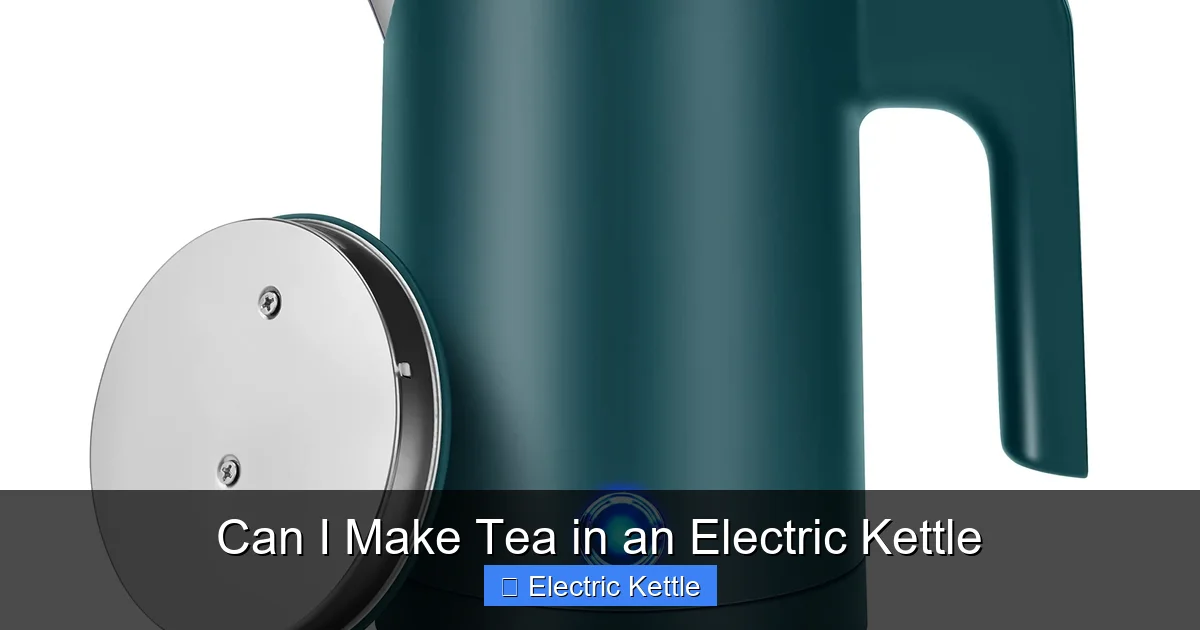
Visual guide about Can I Make Tea in an Electric Kettle
Image source: jugandoando.com.ar
At their core, electric kettles are simple devices: they use an internal heating element to bring water to a boil quickly. Most models automatically shut off once the water reaches boiling point (around 212°F or 100°C), which makes them safe and convenient. But when it comes to tea, boiling isn’t always the best option. Different types of tea require different water temperatures to release their full flavor without becoming bitter.
For example, green tea is delicate and can turn harsh if brewed with water that’s too hot. Ideally, it should be steeped at around 160–185°F (70–85°C). Black tea, on the other hand, benefits from near-boiling water to extract its robust flavor. Herbal teas like chamomile or peppermint are more forgiving and can handle boiling water just fine.
This is where modern electric kettles shine. Many newer models come with variable temperature settings, allowing you to select the perfect heat level for your tea. You might see options like “Green,” “White,” “Oolong,” “Black,” and “Herbal” on the control panel. These presets take the guesswork out of brewing and help you achieve consistent results every time.
Even if your kettle doesn’t have temperature control, you can still make great tea—you’ll just need to be a bit more hands-on. For instance, you can boil the water and then let it cool for a few minutes before adding your tea. A good rule of thumb: let boiling water sit for 2–3 minutes to drop to around 185°F, which is ideal for green or white tea.
Another important feature to look for is a built-in infuser or filter basket. This is a mesh container that holds your tea leaves or tea bags, allowing the water to flow through and extract flavor while keeping the leaves contained. Without an infuser, loose tea leaves can escape into the spout or settle at the bottom, making cleanup a hassle and potentially clogging the kettle over time.
Some high-end kettles even include a “keep warm” function, which maintains the water at a steady temperature after brewing. This is great if you like to sip your tea slowly or want to re-steep the same leaves. However, avoid leaving tea steeping for too long—most teas should be removed after 3–5 minutes to prevent over-extraction and bitterness.
Types of Electric Kettles and Tea Compatibility
Not all electric kettles are equally suited for making tea. The type of kettle you have—and its features—will determine how well it performs for tea brewing. Let’s break down the most common types and how they stack up.
Basic Electric Kettles
These are the most common and affordable models. They typically have a simple on/off switch, heat water to boiling, and shut off automatically. While they’re great for heating water quickly, they lack temperature control and usually don’t come with infusers.
Best for: Black tea, herbal tea, and instant tea mixes.
Tips: Use a separate tea infuser or tea bag. Boil the water, then let it cool slightly before adding tea if you’re making green or white tea. Always remove the tea bag or infuser promptly after steeping.
Temperature-Controlled Kettles
These kettles allow you to select specific temperatures, making them ideal for tea enthusiasts. You can set the water to 160°F for green tea, 185°F for white tea, or 212°F for black tea. Many also have preset buttons labeled by tea type.
Best for: All tea types, especially delicate ones like green, white, and oolong.
Tips: Use the correct preset for your tea. If your kettle has a “keep warm” function, use it sparingly—don’t let tea steep indefinitely.
Kettles with Built-In Infusers
These models include a removable mesh basket or infuser chamber, usually located near the top or inside the lid. You add your tea leaves or bags, close the lid, and brew directly in the kettle.
Best for: Loose-leaf tea lovers who want convenience and flavor.
Tips: Clean the infuser after each use to prevent residue buildup. Avoid overfilling—leave space for the water to circulate.
Gooseneck Kettles
Originally designed for pour-over coffee, gooseneck kettles have a long, narrow spout that allows precise pouring. Many now come with temperature control, making them excellent for tea as well.
Best for: Tea ceremonies, blooming teas, or any tea that benefits from controlled pouring.
Tips: Use a separate infuser or tea pot for steeping, then pour the hot water over the leaves.
Smart Electric Kettles
These high-tech models connect to apps via Wi-Fi or Bluetooth, allowing you to control temperature, set timers, and even save custom brewing profiles. Some can be voice-controlled through Alexa or Google Assistant.
Best for: Tech-savvy tea drinkers who want precision and convenience.
Tips: Use the app to log your favorite tea settings. Take advantage of delayed start features to have hot water ready when you wake up.
No matter which type you have, the golden rule is: match your kettle’s capabilities to your tea’s needs. If you mostly drink black tea, a basic kettle will do just fine. But if you’re exploring green, white, or oolong teas, investing in a temperature-controlled model will elevate your experience.
Step-by-Step Guide: How to Make Tea in an Electric Kettle
Ready to brew? Here’s a simple, foolproof method to make perfect tea in your electric kettle—no fancy equipment required.
Step 1: Choose Your Tea
Start with high-quality tea. Whether you prefer tea bags or loose-leaf, freshness matters. Store tea in an airtight container away from light, heat, and moisture to preserve flavor.
Step 2: Add Water
Fill your kettle with fresh, cold water. Avoid using water that’s been sitting in the kettle or has been boiled multiple times—it can taste flat. Use filtered water if your tap water has a strong taste or odor.
Step 3: Heat the Water
Turn on the kettle. If your model has temperature settings, select the appropriate one:
– Green tea: 160–185°F
– White tea: 175–185°F
– Oolong tea: 185–205°F
– Black tea: 200–212°F
– Herbal tea: 212°F
If your kettle only boils, let the water cool for 2–3 minutes before adding delicate teas.
Step 4: Add the Tea
Place your tea bag or infuser into the kettle. If using loose leaves, make sure the infuser is securely closed. Don’t overfill—leave room for the water to move freely.
Step 5: Steep
Let the tea steep for the recommended time:
– Green tea: 2–3 minutes
– White tea: 4–5 minutes
– Oolong tea: 3–5 minutes
– Black tea: 3–5 minutes
– Herbal tea: 5–7 minutes
Set a timer to avoid over-steeping, which can make tea bitter.
Step 6: Remove the Tea
Once steeping is complete, remove the tea bag or infuser immediately. Leaving it in too long can over-extract tannins and ruin the flavor.
Step 7: Pour and Enjoy
Pour your tea into a cup. Add milk, honey, or lemon if desired. Sip and savor!
Pro Tips:
– Pre-warm your cup: Rinse it with hot water before pouring to keep your tea warmer longer.
– Reuse tea bags: Some teas, like oolong or pu-erh, can be steeped multiple times for different flavor profiles.
– Experiment with ratios: Start with 1 teaspoon of loose tea per cup, then adjust to taste.
Common Mistakes to Avoid When Making Tea in an Electric Kettle
Even with the best intentions, it’s easy to make mistakes that affect your tea’s taste. Here are the most common pitfalls and how to avoid them.
Using Water That’s Too Hot
Boiling water can scorch delicate teas like green or white, leading to a bitter, astringent flavor. Always check your kettle’s temperature settings or let boiling water cool before adding sensitive teas.
Over-Steeping
Leaving tea in hot water too long extracts excess tannins, making it harsh. Use a timer and remove the tea as soon as steeping is done—even if you’re distracted by a phone call or TV show.
Not Cleaning the Kettle
Tea residue and mineral deposits can build up over time, affecting both taste and performance. Rinse your kettle after each use and descale monthly with a vinegar or citric acid solution.
Using Old or Low-Quality Tea
Stale tea won’t deliver great flavor, no matter how perfect your brewing method. Store tea properly and replace it every 6–12 months.
Ignoring the Infuser
If your kettle has a built-in infuser, don’t skip cleaning it. Leftover leaves can mold or affect future brews. Remove and wash it after every use.
Pouring Too Soon
Some people pour tea immediately after the kettle shuts off, but this can lead to under-extraction. Let the tea steep for the full recommended time—don’t rush it.
Using Tap Water with Strong Taste
Chlorine, minerals, or odors in tap water can mask tea’s natural flavors. Use filtered or bottled water for the best results.
By avoiding these mistakes, you’ll consistently brew delicious, balanced tea—every time.
Cleaning and Maintaining Your Electric Kettle for Tea
A clean kettle is essential for great-tasting tea. Over time, mineral deposits (limescale) and tea stains can build up, especially if you live in a hard water area. These not only affect flavor but can also reduce your kettle’s efficiency and lifespan.
Daily Cleaning
After each use, rinse the interior with warm water. If you used loose-leaf tea, remove and wash the infuser. Wipe the exterior with a damp cloth. Never submerge the base or electrical components in water.
Weekly Deep Clean
Once a week, give your kettle a deeper clean. Fill it halfway with equal parts water and white vinegar. Let it sit for 30 minutes, then boil the solution. Turn off the kettle, let it cool, and rinse thoroughly with clean water. Boil fresh water once or twice to remove any vinegar taste.
Descaling Monthly
In hard water areas, descale your kettle monthly. Use a commercial descaling solution or a natural alternative like citric acid (1–2 tablespoons per liter of water). Follow the same process as vinegar cleaning.
Removing Tea Stains
For stubborn tea stains, mix baking soda with a little water to form a paste. Apply it to the stained areas, let it sit for 10 minutes, then scrub gently with a soft brush or sponge. Rinse well.
Checking the Filter
If your kettle has a mesh filter near the spout, remove and clean it regularly. Soak it in vinegar if it’s clogged with mineral deposits.
Storing Properly
When not in use, leave the lid open slightly to allow air circulation and prevent odors. Store in a dry, cool place.
Regular maintenance ensures your kettle stays in top condition and your tea always tastes fresh and clean.
Benefits of Making Tea in an Electric Kettle
Why choose an electric kettle over a stovetop or microwave? Here are the top advantages:
Speed
Electric kettles heat water much faster than stovetops—often in under 5 minutes. This is perfect for busy mornings or when you need a quick caffeine boost.
Energy Efficiency
They use less electricity than boiling a full pot on the stove, making them eco-friendly and cost-effective.
Precision
Temperature-controlled models let you brew tea at the ideal heat, enhancing flavor and reducing bitterness.
Convenience
Many kettles have automatic shut-off, keep-warm functions, and easy-pour designs—ideal for solo tea drinkers or small households.
Safety
No open flames or hot stovetops to worry about. Most kettles shut off automatically when boiling is complete.
Versatility
Beyond tea, you can use your kettle for coffee, instant soups, oatmeal, and even sterilizing baby bottles.
Space-Saving
Compact and countertop-friendly, electric kettles take up less space than a full tea setup with a pot and stove.
Whether you’re a tea novice or a seasoned sipper, an electric kettle can simplify and improve your daily ritual.
Conclusion
So, can you make tea in an electric kettle? Absolutely—and you should! With the right technique, even a basic model can deliver a delicious cup of tea in minutes. For the best results, choose a kettle with temperature control and a built-in infuser, especially if you enjoy green, white, or oolong teas. Always steep for the right amount of time, use fresh water, and keep your kettle clean to preserve flavor and performance.
Making tea in an electric kettle isn’t just convenient—it’s a smart, efficient, and enjoyable way to enjoy your favorite blends. Whether you’re brewing a morning black tea, a midday green tea, or a calming herbal infusion before bed, your electric kettle can be your go-to tool. So go ahead, drop in that tea bag, press the button, and savor the perfect cup—every time.
Frequently Asked Questions
Can I put a tea bag directly in my electric kettle?
Yes, you can put a tea bag directly in your electric kettle, but it’s best to use one with a built-in infuser or a removable filter to prevent leaves from clogging the spout. Always remove the tea bag promptly after steeping to avoid bitterness.
Is it safe to brew tea in an electric kettle?
Yes, it’s safe as long as you follow the manufacturer’s guidelines. Avoid overfilling, don’t let the kettle boil dry, and clean it regularly to prevent buildup. Most modern kettles are designed for safe tea brewing.
Can I make green tea in an electric kettle?
Yes, but green tea requires lower water temperatures (160–185°F). Use a temperature-controlled kettle or let boiling water cool for 2–3 minutes before adding the tea to avoid bitterness.
Do I need a special kettle to make tea?
No, but kettles with temperature control and infusers make the process easier and improve flavor. Basic kettles work fine for black and herbal teas, while advanced models are better for delicate teas.
How do I clean tea stains from my electric kettle?
Mix baking soda with water to form a paste, apply it to the stained areas, let it sit for 10 minutes, then scrub gently with a soft brush. Rinse thoroughly. For mineral buildup, use vinegar or citric acid.
Can I leave tea steeping in the kettle?
It’s not recommended. Leaving tea in hot water too long can make it bitter. Steep for the recommended time (usually 2–5 minutes), then remove the tea bag or infuser immediately.