You should not put loose leaf tea directly into an electric kettle. While electric kettles heat water perfectly, they aren’t designed for steeping loose leaves, which can clog filters, damage elements, and ruin flavor. Use a tea infuser, strainer, or switch to tea bags for safe, delicious results.
Key Takeaways
- Never brew loose leaf tea directly in an electric kettle: Loose leaves can clog the spout, damage internal components, and leave residue that’s hard to clean.
- Use a tea infuser or strainer: Place your loose leaf tea in a stainless steel infuser or mesh ball before adding it to the kettle for safe steeping.
- Electric kettles are for heating water, not brewing: These appliances are optimized for rapid heating, not prolonged steeping, which can over-extract tea and create bitterness.
- Clean your kettle regularly: Even with an infuser, tea oils and residue can build up over time, affecting taste and performance.
- Choose the right temperature: Many electric kettles have temperature controls—use them to match your tea type (e.g., green tea at 175°F, black tea at 212°F).
- Consider a dedicated tea maker: If you drink loose leaf tea daily, a tea maker or smart kettle with built-in infusers may be a better long-term solution.
- Flavor and safety matter: Proper brewing preserves taste and protects your kettle’s lifespan, ensuring great tea and appliance longevity.
📑 Table of Contents
- Can I Put Loose Leaf Tea in Electric Kettle? The Short Answer
- Why Electric Kettles Aren’t Designed for Loose Leaf Tea
- Safe Ways to Brew Loose Leaf Tea with an Electric Kettle
- The Importance of Water Temperature for Different Teas
- Cleaning and Maintaining Your Electric Kettle
- Alternatives to Electric Kettles for Loose Leaf Tea
- Final Thoughts: Enjoy Loose Leaf Tea the Right Way
Can I Put Loose Leaf Tea in Electric Kettle? The Short Answer
If you’ve ever stood in your kitchen with a handful of fragrant loose leaf tea and an electric kettle humming on the counter, you’ve probably asked yourself: *Can I just drop the leaves right in and let it do its thing?* It’s a tempting thought—after all, electric kettles are fast, efficient, and designed to heat water quickly. But here’s the truth: **you should not put loose leaf tea directly into an electric kettle.**
While electric kettles are fantastic for boiling water, they aren’t built to handle loose tea leaves floating around inside. The design focuses on heating elements, automatic shut-off, and precision temperature control—not on steeping tea. When you drop loose leaves directly into the kettle, several problems can arise. The leaves can clog the spout, stick to the heating element, or leave behind stubborn residue that’s difficult to clean. Over time, this can damage your kettle and affect the taste of your water and tea.
That doesn’t mean you can’t enjoy loose leaf tea with your electric kettle—it just means you need to do it the right way. With a few simple tools and a little know-how, you can brew a perfect cup of loose leaf tea using your electric kettle without risking damage or compromising flavor. In this guide, we’ll walk you through everything you need to know, from why direct brewing is a bad idea to the best methods for using your kettle safely and effectively.
Why Electric Kettles Aren’t Designed for Loose Leaf Tea
Visual guide about Can I Put Loose Leaf Tea in Electric Kettle
Image source: images-na.ssl-images-amazon.com
To understand why you shouldn’t put loose leaf tea directly into an electric kettle, it helps to know how these appliances work. Electric kettles are engineered for one primary purpose: heating water quickly and efficiently. They use an internal heating element—usually concealed under a stainless steel or glass base—to bring water to a boil or a specific temperature in just a few minutes. Many modern models even come with variable temperature settings, making them ideal for different types of tea, coffee, or instant drinks.
But here’s the catch: **electric kettles are not designed for steeping.** Unlike a traditional teapot or a French press, they lack built-in infusers, strainers, or compartments to hold tea leaves. When you add loose leaves directly, they float freely in the water, coming into direct contact with the heating element and the interior surfaces. This can cause several issues:
– **Clogging the spout:** Tea leaves, especially fine ones like those in green or white tea, can accumulate in the spout and block the flow of water. This not only makes pouring difficult but can also lead to steam buildup and potential safety hazards.
– **Damage to the heating element:** Over time, tea residue can coat the heating element, reducing its efficiency and potentially causing it to overheat or fail prematurely.
– **Difficult cleaning:** Loose leaves leave behind oils and tannins that can stain the interior of the kettle and create a bitter taste in future brews. Cleaning these residues requires scrubbing and soaking, which can be time-consuming and may not fully restore the kettle’s performance.
– **Over-extraction and bitterness:** Electric kettles often heat water to boiling (212°F or 100°C), which is too hot for delicate teas like green or white tea. Steeping these teas at high temperatures can extract excessive tannins, resulting in a bitter, astringent flavor.
In short, while your electric kettle is a powerhouse for heating water, it’s not a tea brewer. Using it as one can compromise both the quality of your tea and the lifespan of your appliance.
Safe Ways to Brew Loose Leaf Tea with an Electric Kettle
Just because you can’t put loose leaf tea directly into your electric kettle doesn’t mean you can’t enjoy it. In fact, with the right approach, your electric kettle can be a valuable tool in brewing a perfect cup of loose leaf tea. The key is to use it for what it does best—heating water—and then transfer that water to a proper brewing vessel.
Here are several safe and effective methods to brew loose leaf tea using your electric kettle:
Use a Tea Infuser or Tea Ball
One of the simplest and most popular solutions is to use a tea infuser. These small, mesh containers come in various shapes—balls, baskets, or even animal-themed designs—and are designed to hold loose tea leaves while allowing water to flow through. You can place the infuser directly into your mug or teapot, then pour hot water from your electric kettle over it.
For example, if you’re making a cup of Earl Grey, simply add a teaspoon of loose leaves to a stainless steel tea ball, place it in your cup, and pour freshly heated water from your kettle. Let it steep for 3–5 minutes, then remove the infuser. This method keeps the leaves contained, prevents clogging, and makes cleanup a breeze.
Brew in a Teapot or French Press
Another excellent option is to use a teapot or French press for steeping. Heat your water in the electric kettle to the appropriate temperature (more on that below), then pour it over the loose leaves in your teapot or press. This allows for better control over steeping time and temperature, and it keeps your kettle free of tea residue.
French presses are especially great for herbal teas or stronger black teas, as they allow full immersion and easy separation of leaves. Just add your tea, pour in the hot water, steep, and press down the plunger when done.
Use a Kettle with a Built-In Infuser
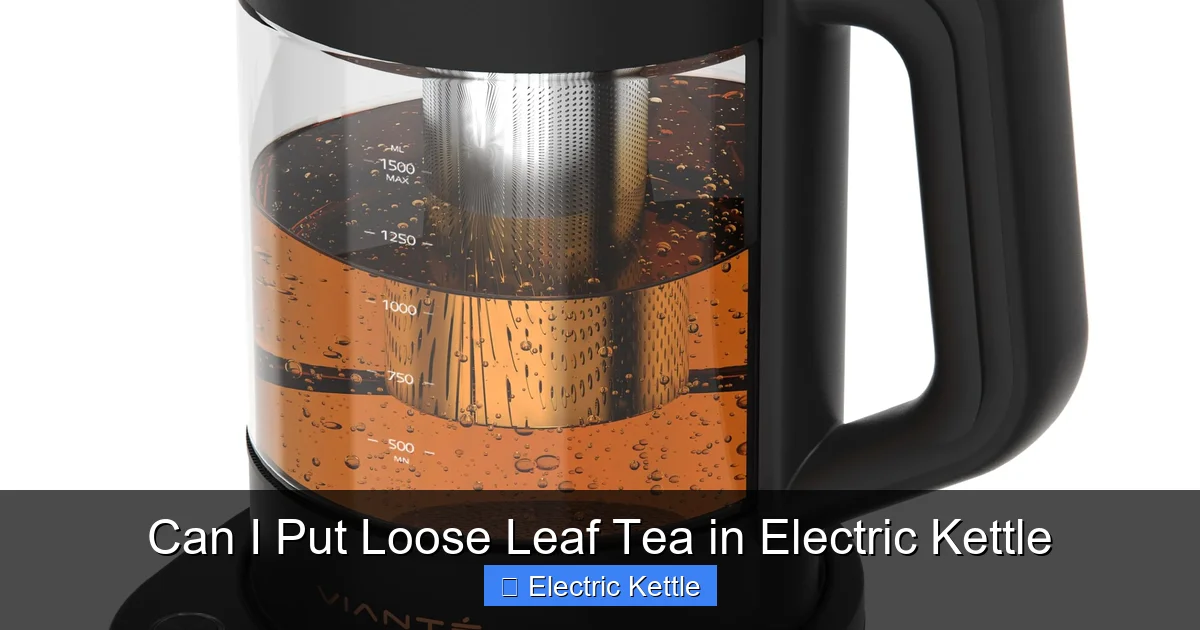
If you’re serious about loose leaf tea, consider upgrading to an electric kettle with a built-in infuser. These models feature a removable mesh basket or filter that sits inside the kettle, allowing you to steep tea directly without the risk of clogging or damage. Some even have programmable steep times and temperature settings tailored to different tea types.
For instance, the Breville BKE820XL IQ Electric Kettle has a stainless steel infuser basket and precise temperature control, making it ideal for brewing everything from delicate white tea to robust oolong. While these kettles are more expensive, they offer convenience and versatility for tea lovers.
Pour-Over Method with a Mug and Strainer
If you don’t have an infuser or teapot, you can still enjoy loose leaf tea with a simple pour-over method. Place a fine-mesh strainer over your mug, add your loose leaves to the strainer, and pour hot water from your electric kettle directly over them. Let the water drip through, steeping the tea as it goes.
This method works well for single servings and requires minimal equipment. Just be sure to use a strainer with a fine mesh to catch small leaf particles, and avoid overfilling to prevent spills.
The Importance of Water Temperature for Different Teas
One of the biggest advantages of modern electric kettles is their ability to heat water to specific temperatures. This is crucial when brewing loose leaf tea, as different types of tea require different water temperatures to bring out their best flavors. Using water that’s too hot can scorch delicate leaves and create bitterness, while water that’s too cool may under-extract, resulting in a weak, flat taste.
Here’s a quick guide to ideal water temperatures for common tea types:
– **White tea:** 175°F (80°C) – 185°F (85°C)
Delicate and subtle, white tea should be brewed at lower temperatures to preserve its light, floral notes.
– **Green tea:** 175°F (80°C) – 185°F (85°C)
Most green teas benefit from water just below boiling. Higher temperatures can cause bitterness.
– **Oolong tea:** 185°F (85°C) – 205°F (96°C)
Depending on the oxidation level, oolong can handle slightly hotter water. Light oolongs prefer lower temps, while darker ones can take more heat.
– **Black tea:** 200°F (93°C) – 212°F (100°C)
Robust and full-bodied, black tea can handle boiling water, which helps extract its bold flavors.
– **Herbal tea (tisanes):** 212°F (100°C)
Herbal blends like chamomile, peppermint, or rooibos often require boiling water to fully release their flavors and medicinal properties.
Many electric kettles now come with preset temperature options labeled for each tea type. If yours has this feature, use it! If not, you can estimate by letting boiling water cool for a few minutes—about 3–5 minutes for green or white tea, for example.
Using the right temperature not only improves taste but also protects your kettle. Repeatedly boiling water and then cooling it can cause mineral buildup and stress the heating element over time.
Cleaning and Maintaining Your Electric Kettle
Even when you use your electric kettle properly—heating water and then transferring it to another vessel—it’s important to keep it clean. Over time, minerals from hard water, tea oils, and residue can build up inside, affecting both performance and taste.
Here are some tips for maintaining your kettle:
Regular Descaling
Hard water contains minerals like calcium and magnesium that can form scale inside your kettle. This buildup reduces heating efficiency and can give your water a metallic taste. To descale, mix equal parts water and white vinegar, fill the kettle about halfway, and let it sit for 30–60 minutes. Then boil the solution, let it cool, and rinse thoroughly with clean water. Repeat if necessary.
For a gentler option, use a commercial descaling solution or lemon juice. Avoid using harsh chemicals or abrasive scrubbers, which can damage the interior.
Wipe Down the Exterior
Wipe the outside of your kettle with a damp cloth after each use to remove fingerprints, spills, or dust. For stainless steel models, use a mild cleaner and a soft cloth to maintain shine.
Check the Filter and Spout
Many electric kettles have a removable filter near the spout to catch sediment. Remove it periodically and rinse it under warm water. If it’s clogged with mineral deposits, soak it in vinegar before scrubbing gently with a soft brush.
Avoid Soaking the Base
Never submerge the base of your electric kettle in water. Wipe it clean with a damp cloth, but keep electrical components dry to prevent damage.
By keeping your kettle clean, you ensure it heats efficiently, lasts longer, and delivers great-tasting water for your tea.
Alternatives to Electric Kettles for Loose Leaf Tea
While electric kettles are convenient, they’re not the only option for brewing loose leaf tea. Depending on your preferences and lifestyle, you might find one of these alternatives more suitable:
Stovetop Kettles with Infusers
Traditional stovetop kettles often come with built-in infusers or can be used with a separate tea strainer. They offer a classic brewing experience and are great for those who enjoy the ritual of tea-making.
Smart Tea Makers
Devices like the Breville Tea Maker or the Gourmia Digital Tea Brewer are designed specifically for loose leaf tea. They combine precise temperature control, timed steeping, and built-in infusers, taking the guesswork out of brewing.
Tea Pots with Built-In Strainers
Many ceramic or glass teapots come with a removable infuser basket. Simply add your leaves, pour in hot water from your electric kettle, and steep. When done, lift out the infuser to stop the brewing process.
Cold Brew Tea Makers
For a refreshing alternative, try cold brewing your loose leaf tea. Add leaves to a pitcher with cold water and let it steep in the fridge for 6–12 hours. This method produces a smooth, low-acid tea that’s perfect for summer.
Each of these options offers unique benefits, so consider your tea habits, kitchen setup, and personal preferences when choosing the best method for you.
Final Thoughts: Enjoy Loose Leaf Tea the Right Way
So, can you put loose leaf tea in an electric kettle? The answer is a clear **no**—at least not directly. While electric kettles are excellent for heating water quickly and efficiently, they’re not designed to handle loose tea leaves. Doing so can lead to clogs, damage, and poor-tasting tea.
But that doesn’t mean you have to give up on loose leaf tea. With a simple infuser, a teapot, or a dedicated tea maker, you can enjoy the rich flavors and aromas of high-quality loose leaf tea while keeping your electric kettle in top condition. Use the right water temperature, clean your kettle regularly, and choose the brewing method that works best for your lifestyle.
By respecting the design and purpose of your electric kettle, you’ll not only protect your appliance but also elevate your tea experience. Whether you’re sipping a morning cup of Earl Grey or winding down with a calming chamomile blend, doing it the right way ensures every cup is as delicious as it is satisfying.
Frequently Asked Questions
Can I put loose leaf tea directly in my electric kettle?
No, you should not put loose leaf tea directly into an electric kettle. The leaves can clog the spout, damage the heating element, and leave behind residue that affects taste and performance.
What’s the safest way to brew loose leaf tea with an electric kettle?
The safest method is to use a tea infuser, strainer, or teapot. Heat water in the kettle, then pour it over the leaves in a separate vessel to steep.
Will loose tea leaves ruin my electric kettle?
Yes, over time, loose leaves can cause buildup, clog the spout, and damage internal components. Regular cleaning can help, but it’s best to avoid direct contact.
Can I use my electric kettle for tea if I clean it often?
Even with frequent cleaning, brewing loose leaf tea directly in the kettle is not recommended. Residue and oils can still affect taste and performance over time.
Are there electric kettles made for loose leaf tea?
Yes, some models come with built-in infusers or removable mesh baskets designed specifically for steeping loose leaf tea safely.
What temperature should I use for green tea in an electric kettle?
Green tea should be brewed at 175°F to 185°F (80°C to 85°C). Many electric kettles have preset temperature options for this purpose.