Putting tea bags directly into an electric kettle is generally not recommended due to potential damage, residue buildup, and inconsistent steeping. While some modern kettles may tolerate it, most manufacturers advise against it to preserve performance and longevity.
Key Takeaways
- Most electric kettles aren’t designed for direct tea bag use: Tea leaves, strings, and tags can clog filters, stain interiors, or damage heating elements.
- Residue buildup affects taste and performance: Over time, tannins and oils from tea bags leave stubborn stains and alter future brews.
- Use a tea infuser or remove the bag after boiling: For safety and better flavor, boil water first, then steep tea separately or with a removable infuser.
- Check your kettle’s manual: Some newer models include built-in infusers or are labeled as “tea-friendly”—always follow manufacturer guidelines.
- Cleaning becomes harder with regular tea bag use: Mineral deposits mix with tea stains, requiring more frequent and intensive descaling.
- Electric kettles excel at heating—not steeping: Their primary function is rapid boiling; optimal tea flavor comes from controlled steeping in a separate vessel.
- Alternative methods yield better results: Use a French press, teapot, or stovetop kettle for richer, more aromatic tea experiences.
📑 Table of Contents
- Can I Put Tea Bags in My Electric Kettle? The Truth Explained
- How Electric Kettles Work—And Why Tea Bags Don’t Belong Inside
- Risks of Putting Tea Bags in Your Electric Kettle
- When Is It (Maybe) Okay to Use Tea Bags in an Electric Kettle?
- Safer and Better Alternatives for Brewing Tea
- Cleaning and Maintaining Your Electric Kettle
- Conclusion: Brew Smart, Not Fast
Can I Put Tea Bags in My Electric Kettle? The Truth Explained
You’ve just come home after a long day, craving that warm, soothing cup of chamomile or bold English breakfast tea. You flick on your trusty electric kettle, toss in a tea bag, and wait for the whistle—only to wonder: *Is this actually okay?* It’s a question many tea lovers ask, especially when convenience meets habit. After all, dropping a tea bag straight into the kettle seems faster than boiling water and then transferring it to a mug or teapot.
But here’s the reality: while it might seem harmless—or even efficient—putting tea bags directly into your electric kettle can lead to unintended consequences. From clogged filters to stained interiors and even potential damage to the heating element, this common shortcut often does more harm than good. Electric kettles are engineered primarily for one job: heating water quickly and safely. They’re not designed to double as tea steepers.
In this guide, we’ll dive deep into why most experts and manufacturers advise against using tea bags inside your electric kettle, what risks you’re taking, and how you can still enjoy a perfect cup of tea without compromising your appliance. Whether you’re a casual tea drinker or a daily devotee, understanding the mechanics of your kettle—and the chemistry of tea—will help you brew smarter, cleaner, and tastier.
How Electric Kettles Work—And Why Tea Bags Don’t Belong Inside
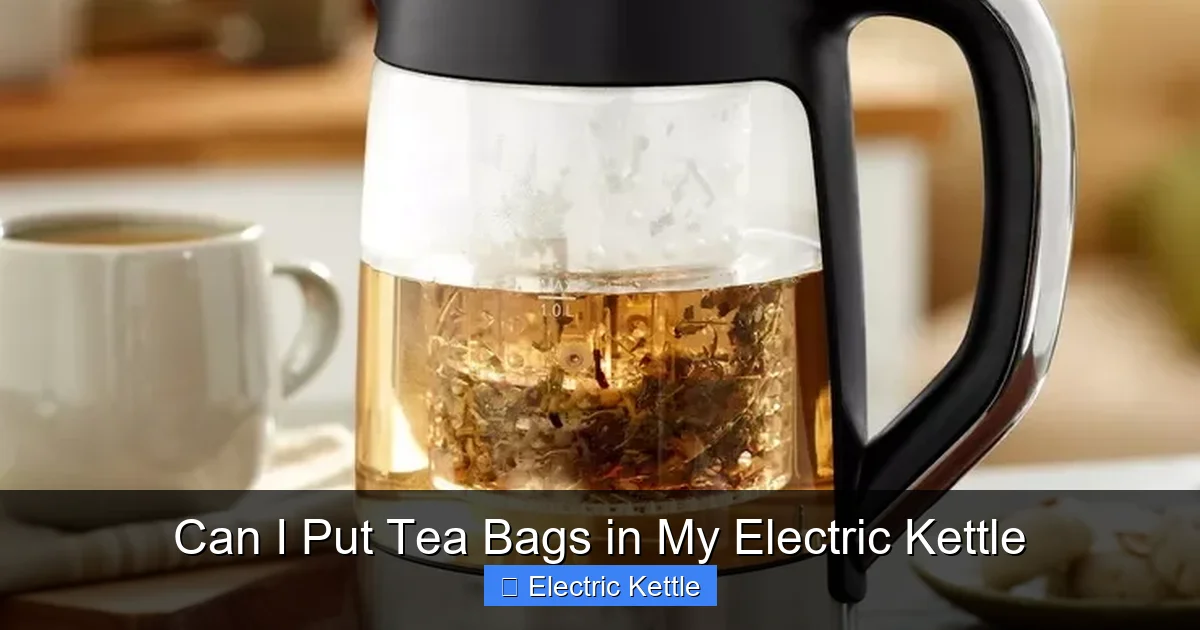
Visual guide about Can I Put Tea Bags in My Electric Kettle
Image source: irrorwxhiqijjr5q.ldycdn.com
To understand why tea bags and electric kettles don’t always mix, it helps to know how these appliances function. Most electric kettles consist of a heating element (usually hidden beneath the base or exposed at the bottom), a water reservoir, an automatic shut-off mechanism, and often a mesh filter near the spout to catch sediment. Their design prioritizes speed, energy efficiency, and safety—not infusion.
When you fill the kettle with water and press start, the heating element rapidly brings the liquid to a boil. Once the water reaches the target temperature (often 100°C or 212°F), the thermostat triggers an automatic shut-off. This process typically takes 3–5 minutes, depending on the model and water volume. The entire system is optimized for clean, mineral-free water—not for steeping leaves or bags.
Now, imagine dropping a tea bag into that environment. As the water heats, the tea bag begins to release tannins, essential oils, and fine particles into the water. These compounds don’t just flavor your tea—they also cling to surfaces. Over time, they coat the heating element, accumulate in the spout, and clog the mesh filter. Even worse, if the tea bag breaks open (which tea bags often do under rapid boiling), tiny leaf fragments can circulate freely, increasing the risk of blockages.
Additionally, many tea bags contain strings and metal staples. While these may seem insignificant, they can interfere with sensors or get lodged in narrow openings. Some kettles have float mechanisms or anti-dry burn sensors that rely on unobstructed water flow—foreign objects like staples or tangled strings can disrupt these systems, potentially triggering false alarms or even safety shutdowns.
The Problem with Boiling Tea Directly
Boiling tea—especially black or herbal varieties—can actually degrade its flavor. High heat extracts bitter compounds quickly, leading to an astringent, unbalanced brew. Green and white teas are even more sensitive; they require lower temperatures (around 70–85°C or 158–185°F) to preserve their delicate aromas and subtle sweetness. An electric kettle that boils to 100°C isn’t just overkill—it’s counterproductive.
Moreover, steeping tea inside the kettle means you’re limited to one type of tea per boil. Want oolong after your Earl Grey? You’ll need to thoroughly clean the kettle first to avoid flavor crossover. This defeats the purpose of convenience and adds extra steps you were trying to avoid in the first place.
Risks of Putting Tea Bags in Your Electric Kettle
While the idea of “one-pot brewing” sounds appealing, the practical drawbacks far outweigh the minor time savings. Here are the most common risks associated with placing tea bags directly into your electric kettle:
1. Residue and Staining
Tea contains natural pigments and tannins that act like dyes when heated. Over time, these compounds leave behind stubborn brown or yellow stains on the interior walls and heating element of your kettle. Unlike mineral scale (which is white and chalky), tea stains are organic and much harder to remove. They can also impart a lingering taste to future brews—even after cleaning.
For example, if you regularly steep strong black tea like Assam or Ceylon in your kettle, you may notice a dark ring forming near the waterline. This isn’t just cosmetic; it indicates buildup that can affect heat transfer efficiency and potentially harbor bacteria if not cleaned properly.
2. Clogged Filters and Spouts
Most electric kettles include a small mesh filter near the pouring spout to prevent limescale and debris from entering your cup. When tea bags break apart or release fine particles, these filters quickly become clogged. A blocked filter reduces water flow, causes sputtering during pouring, and may even trigger the kettle’s safety mechanisms to shut off prematurely.
In severe cases, accumulated tea debris can fuse with mineral deposits (especially in hard water areas), creating a cement-like crust that’s nearly impossible to remove without disassembly—something most users aren’t equipped to do.
3. Damage to Heating Elements
Although modern kettles often have concealed heating elements, repeated exposure to tea residues can still cause problems. Organic matter can carbonize on hot surfaces, forming a insulating layer that reduces heating efficiency. In extreme cases, this buildup can lead to overheating, premature failure, or even electrical issues.
Even if your kettle has an exposed coil, tea oils and tannins can create a sticky film that attracts dust and minerals, accelerating corrosion and reducing lifespan.
4. Voided Warranties and Manufacturer Warnings
Many kettle manufacturers explicitly state in their user manuals that the appliance should only be used with water—not for brewing tea, coffee, or other beverages. Doing so may void your warranty. For instance, brands like Breville, Cuisinart, and Russell Hobbs often include warnings against adding anything other than water to the reservoir.
This isn’t just legal fine print—it reflects real engineering limitations. Kettles aren’t built with food-safe coatings or easy-clean interiors like teapots. Using them for purposes beyond their design increases the likelihood of malfunction.
5. Inconsistent Brew Quality
Electric kettles heat water rapidly and uniformly, but they don’t offer control over steeping time or temperature. Once the water boils, the kettle shuts off—but your tea may need 3–5 more minutes to fully infuse. Leaving the bag in too long leads to bitterness; removing it too soon results in weak flavor. Without a timer or temperature gauge, you’re left guessing.
Compare this to traditional methods: a teapot allows you to monitor steeping visually, adjust timing, and pour immediately when ready. The result? A more nuanced, satisfying cup every time.
When Is It (Maybe) Okay to Use Tea Bags in an Electric Kettle?
Despite the risks, there are rare exceptions where using a tea bag in an electric kettle might be acceptable—but only under specific conditions.
Kettles with Built-In Infusers
Some newer electric kettles come equipped with removable infuser baskets or tea filters designed specifically for steeping. These models, such as the Breville BKE830XL or the OXO Brew Adjustable Temperature Kettle, allow you to place loose-leaf tea or tea bags into a dedicated compartment that sits above the heating element. The water circulates through the infuser during heating, extracting flavor without direct contact between the bag and the kettle’s interior.
In these cases, yes—you can safely use tea bags, provided you follow the manufacturer’s instructions. Always remove the infuser after use and clean it thoroughly to prevent residue buildup.
Occasional Use with Immediate Cleaning
If you absolutely must use a tea bag in a standard kettle (say, during travel or in a pinch), limit it to rare occasions—and clean the kettle immediately afterward. Use a mixture of white vinegar and water (1:1 ratio) to descale and remove stains, then rinse thoroughly. Avoid scrubbing with abrasive pads, which can scratch surfaces and trap more residue.
However, even occasional use increases long-term wear. Think of it like using your blender to grind coffee beans—it works, but it’s not ideal and may shorten the appliance’s life.
Herbal Teas and Caffeine-Free Options
Herbal teas (like peppermint, rooibos, or chamomile) tend to be less staining than black teas because they contain fewer tannins. If you’re using a high-quality, staple-free tea bag and plan to clean the kettle right away, the risk is slightly lower. Still, it’s not recommended as a regular practice.
Safer and Better Alternatives for Brewing Tea
Instead of risking your kettle, consider these proven methods that deliver superior flavor and protect your appliance:
Use a Tea Infuser or Strainer
Invest in a stainless steel tea infuser or silicone strainer that fits inside your mug. Boil water in the kettle, then pour it over the infuser containing your tea bag or loose leaves. This gives you full control over steeping time and temperature while keeping your kettle clean.
Many infusers are designed to sit snugly on mug rims, making them convenient and mess-free. Plus, they’re reusable and eco-friendly—no need for single-use bags.
Brew in a Teapot or French Press
For loose-leaf tea lovers, a teapot with a built-in strainer offers the gold standard in brewing. Simply add leaves, pour hot water from your kettle, steep for the recommended time, and pour. French presses work similarly and are excellent for herbal and black teas.
These methods enhance aroma, allow leaves to expand fully, and produce a richer, more complex cup than bag-in-kettle brewing ever could.
Try a Temperature-Controlled Kettle
If you’re serious about tea, consider upgrading to an electric kettle with adjustable temperature settings. These models let you select precise temps for green, white, oolong, or black tea—ensuring optimal extraction without bitterness. Pair it with a timer, and you’ve got a near-perfect brewing system.
Popular options include the Fellow Stagg EKG, Bonavita BV3825, and Xiaomi Mi Electric Kettle Pro. While pricier than basic models, they pay for themselves in flavor and convenience.
Pre-Boil and Transfer Method
The simplest solution? Boil water in your kettle, then transfer it to a heatproof mug or teapot containing your tea bag. Let it steep for 2–5 minutes (depending on type), then remove the bag. This method is fast, safe, and preserves both your kettle and your tea’s integrity.
Cleaning and Maintaining Your Electric Kettle
Whether or not you’ve used tea bags, regular maintenance is key to keeping your kettle performing well. Here’s how to care for it properly:
Weekly Descaling
Mineral buildup from hard water is the #1 enemy of electric kettles. To descale, mix equal parts white vinegar and water, fill the kettle halfway, and let it sit for 30–60 minutes. Boil the solution, then let it cool before emptying and rinsing thoroughly. Repeat if needed.
For mild buildup, lemon juice works too—just cut a lemon in half, squeeze it into the kettle, add water, and boil.
Removing Tea Stains
If you’ve accidentally used tea bags, act fast. Create a paste of baking soda and water, apply it to stained areas, and let it sit for 15 minutes before scrubbing gently with a soft sponge. Rinse well.
Avoid bleach or harsh chemicals—they can damage seals and leave toxic residues.
Filter Care
Remove the mesh filter (if detachable) and soak it in vinegar weekly. Use a toothbrush to scrub away debris, then rinse and reinstall.
General Tips
– Never let the kettle boil dry.
– Wipe the exterior with a damp cloth—never submerge the base.
– Store with the lid open to prevent moisture buildup.
– Replace your kettle every 3–5 years, or when heating becomes slow or inconsistent.
Conclusion: Brew Smart, Not Fast
So, can you put tea bags in your electric kettle? Technically, yes—but should you? Almost always, no. While the temptation to skip a step is understandable, the long-term costs to your appliance, your tea’s flavor, and your cleaning routine aren’t worth the few seconds saved.
Electric kettles are marvels of modern convenience, designed to heat water efficiently and safely. They’re not teapots. By respecting their purpose and using them as intended, you’ll extend their lifespan, protect your investment, and—most importantly—enjoy better-tasting tea.
Instead of cutting corners, embrace the ritual. Boil your water, pour it over a waiting infuser or teapot, and take a moment to savor the process. After all, great tea isn’t just about speed—it’s about mindfulness, flavor, and care. And your kettle will thank you for it.
Frequently Asked Questions
Can I put a tea bag in my electric kettle if I clean it right away?
While immediate cleaning reduces risk, it’s still not recommended for regular use. Even quick cleanup may not remove all tannins or prevent minor residue buildup over time.
Will using tea bags void my kettle’s warranty?
Yes, many manufacturers explicitly prohibit adding anything other than water. Check your manual—using tea bags could void coverage if damage occurs.
Are there any electric kettles made for tea bags?
Some models include built-in infusers or tea filters designed for steeping. These are safe to use with tea bags as long as you follow the instructions.
What’s the best way to brew tea without a teapot?
Use a mug with a removable infuser, a French press, or simply steep the bag in a cup after boiling water in the kettle. This keeps your kettle clean and your tea flavorful.
How often should I descale my electric kettle?
Descale every 2–4 weeks if you live in a hard water area, or monthly otherwise. Regular descaling prevents mineral buildup and maintains performance.
Can I use loose-leaf tea in my electric kettle?
No—loose leaves will clog filters, stain interiors, and damage components. Always use a separate infuser or teapot for loose-leaf tea.