Yes, you can reboil water in an electric kettle—but it’s not always the best idea. While modern kettles are designed to handle multiple boils, doing so repeatedly can affect water quality, taste, and even energy efficiency. Understanding the pros, cons, and best practices helps you make smarter choices for your daily routine.
Key Takeaways
- Reboiling water is safe in most cases: Modern electric kettles are built to withstand repeated heating cycles without posing immediate health risks.
- Repeated boiling may concentrate impurities: Each time water boils, some evaporates, potentially increasing the concentration of dissolved minerals and contaminants.
- Taste can degrade over time: Reboiled water may develop a flat or metallic taste due to reduced oxygen levels and mineral buildup.
- Energy efficiency decreases with frequent reboiling: Heating already-hot water uses less energy than starting from cold, but constant reheating adds up over time.
- Mineral buildup affects kettle performance: Hard water areas see faster limescale accumulation when water is repeatedly boiled, shortening appliance lifespan.
- Best practice: Use fresh water when possible: For optimal taste, safety, and efficiency, refill your kettle with fresh cold water instead of reheating leftovers.
- Clean your kettle regularly: Regular descaling prevents scale buildup and ensures consistent performance, especially if you reboil often.
📑 Table of Contents
- Can I Reboil Water in an Electric Kettle? The Short Answer
- What Happens When You Reboil Water?
- Is Reboiling Water Safe for Drinking?
- Impact on Your Electric Kettle’s Performance
- Best Practices for Using Your Electric Kettle
- Myths and Misconceptions About Reboiling Water
- Conclusion: Smart Habits for a Better Brew
Can I Reboil Water in an Electric Kettle? The Short Answer
If you’ve ever wondered whether it’s okay to reboil water in your electric kettle—especially after making tea, coffee, or instant noodles—you’re not alone. It’s a common question, and the answer isn’t as simple as “yes” or “no.” The truth lies somewhere in between, depending on how often you do it, the quality of your water, and how well you maintain your kettle.
In most everyday situations, reboiling water once or twice is perfectly safe. Electric kettles are designed to heat water rapidly and shut off automatically when it reaches boiling point. This mechanism protects the heating element and prevents overheating. So, if you forgot your tea and need to reheat the water, go ahead—your kettle can handle it.
However, repeatedly reboiling the same water over and over again can lead to subtle but noticeable changes. These include a decline in taste, increased mineral concentration, and potential wear on your appliance. The key is understanding the science behind what happens when water is boiled multiple times and how that affects both your health and your kettle’s performance.
What Happens When You Reboil Water?
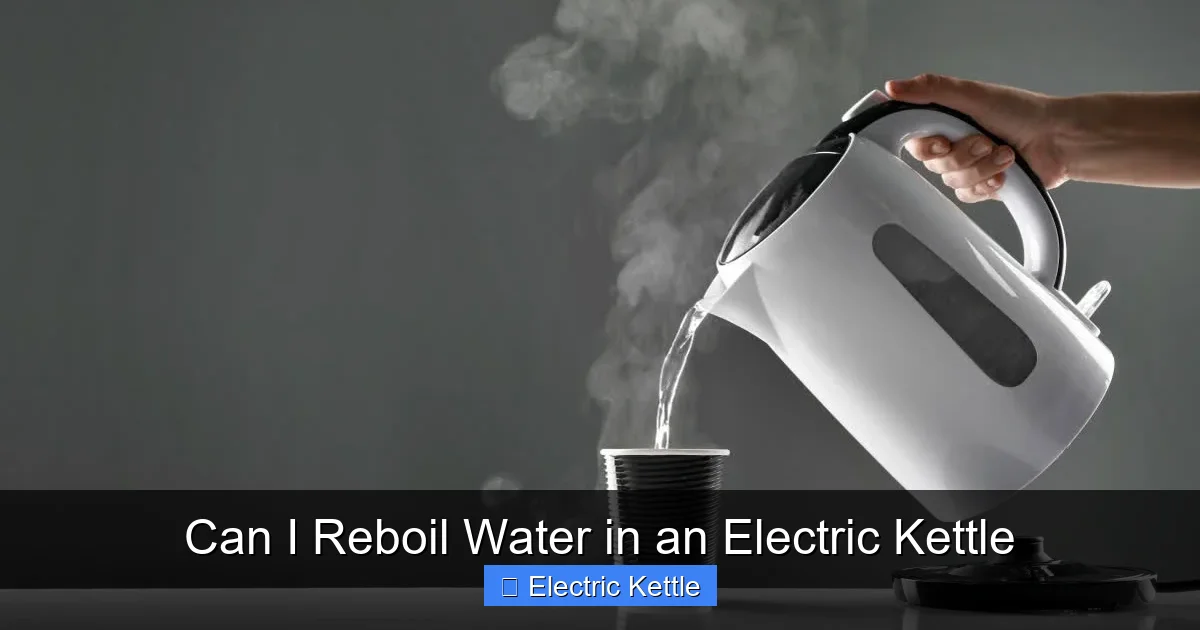
Visual guide about Can I Reboil Water in an Electric Kettle
Image source: imgs.etvbharat.com
To understand whether reboiling water is a good idea, it helps to know what actually occurs during the boiling process. When water reaches 100°C (212°F) at sea level, it begins to evaporate. This phase change removes some water molecules as steam, but it also leaves behind dissolved solids—like calcium, magnesium, and other minerals—that don’t evaporate.
Each time you boil water, a small amount turns to steam and escapes. If you reboil the same water without adding more, the remaining liquid becomes more concentrated with these minerals. In areas with hard water, this can quickly lead to limescale buildup inside your kettle. Over time, this scale insulates the heating element, making it less efficient and potentially causing overheating or failure.
Another effect of repeated boiling is the reduction of dissolved oxygen. Fresh cold water contains oxygen, which contributes to its crisp, clean taste. When water is boiled, much of this oxygen escapes as gas. Reboiling further depletes oxygen levels, resulting in “flat” tasting water. This is why some people notice that tea or coffee made with reboiled water doesn’t taste as vibrant or refreshing.
The Science of Mineral Concentration
Let’s say you fill your kettle with 1 liter of tap water and boil it. About 5–10% of that water may evaporate during the process, depending on how long it boils. If you let it cool and then reboil it, you’re now boiling less water with the same amount of minerals. This increases the concentration of dissolved solids.
For example, if your tap water has 150 mg/L of calcium carbonate (a common measure of water hardness), boiling it once might not change that much. But after three or four reboils without refilling, that concentration could rise significantly. While this doesn’t make the water unsafe to drink in most cases, it can affect taste and contribute to scale formation.
In extreme cases—such as boiling down a small amount of water repeatedly—you could end up with water that tastes noticeably salty or bitter. This is more likely in areas with very hard water or if you’re using unfiltered tap water.
Oxygen Loss and Taste Degradation
Oxygen plays a surprising role in how water tastes. Cold water holds more dissolved oxygen than warm or hot water. When you boil water, the oxygen escapes into the air. Reboiling the same water doesn’t restore that oxygen—it only removes more.
This is why many tea and coffee enthusiasts insist on using fresh, cold water for each brew. The lack of oxygen in reboiled water can make your morning coffee taste dull or lifeless. It’s not harmful, but it can definitely impact your enjoyment.
Some people also report a slight metallic aftertaste when using reboiled water. This could be due to increased mineral content or reactions between the water and the kettle’s interior, especially if the kettle is made of stainless steel or has a heating element exposed to the water.
Is Reboiling Water Safe for Drinking?
Now for the big question: Is it safe to drink reboiled water? The short answer is yes—most of the time. Boiling water kills bacteria, viruses, and other pathogens, making it safer to drink, especially if you’re using tap water from an uncertain source. Reboiling doesn’t reintroduce harmful microbes, so from a microbiological standpoint, it’s still safe.
However, safety isn’t just about germs. There are other factors to consider, such as chemical contaminants and mineral buildup.
Chemical Contaminants and Volatile Compounds
One concern people often raise is whether reboiling water concentrates harmful chemicals like nitrates, arsenic, or lead. The truth is, boiling does not remove these substances—in fact, it can increase their concentration as water evaporates.
For example, if your water contains nitrates (common in agricultural areas), boiling won’t eliminate them. Repeated boiling could theoretically raise nitrate levels, which is a concern for infants and pregnant women. However, this is only a real risk if your water already has high nitrate levels to begin with. If you’re on municipal water, it’s regularly tested and should be safe. But if you use well water, it’s wise to have it tested annually.
Similarly, lead from old pipes can leach into water, especially if it sits in the pipes overnight. Boiling won’t remove lead—it can actually increase concentration. The best solution is to flush your taps for 30–60 seconds before use and consider using a certified water filter.
Mineral Buildup and Health Implications
While minerals like calcium and magnesium are essential for health, excessive intake from highly concentrated water is rare and usually not a major concern. Most people get these minerals from food, not water. However, if you live in a very hard water area and reboil water frequently, you might notice more scale in your kettle and possibly a change in taste.
There’s no strong evidence that drinking reboiled water causes health problems in healthy adults. But for people with kidney issues or those on low-mineral diets, it’s worth being cautious. Always consult a healthcare provider if you have specific dietary concerns.
Impact on Your Electric Kettle’s Performance
Your electric kettle is a workhorse in the kitchen, but it’s not indestructible. Repeatedly reboiling water—especially hard water—can take a toll on its performance and lifespan.
Limescale Accumulation
Limescale is the white, chalky deposit that builds up inside kettles, coffee makers, and other appliances that heat water. It’s primarily made of calcium carbonate and forms when hard water is heated. The more you reboil water, the faster scale accumulates.
Why does this matter? Limescale acts as an insulator. When it coats the heating element, the kettle has to work harder to heat the water. This reduces efficiency, increases energy use, and can lead to longer boiling times. In severe cases, the heating element may overheat and fail prematurely.
You might notice signs of scale buildup, such as:
– White or gray deposits around the spout or base
– Slower heating times
– A rattling or popping sound during boiling (caused by steam trapped under scale)
– Reduced water flow or clogging
Energy Efficiency and Cost
Reboiling water isn’t just bad for your kettle—it’s also less energy-efficient. While heating already-warm water uses less energy than starting from cold, doing it repeatedly adds up.
Let’s say you boil 1 liter of water from 20°C to 100°C. That takes about 3–4 minutes on a standard 1500W kettle. If you let it cool to 60°C and reboil it, you’re only heating 40 degrees, which takes less time—maybe 1–2 minutes. But if you do this multiple times a day, those extra minutes and watts accumulate.
Over a month, frequent reboiling could add a few extra kilowatt-hours to your electricity bill. It might not seem like much, but it’s unnecessary when you could just use fresh water.
Kettle Longevity and Maintenance
A well-maintained kettle can last 5–10 years. But if you reboil water often and don’t clean it, that lifespan could shrink significantly. Scale buildup forces the heating element to work harder, increasing wear and tear.
To extend your kettle’s life:
– Use filtered or softened water if you have hard water
– Empty the kettle after each use to prevent standing water
– Descale regularly (every 1–3 months, depending on usage)
– Avoid boiling water that’s already been boiled multiple times
Best Practices for Using Your Electric Kettle
Now that you know the risks and realities of reboiling water, here’s how to use your electric kettle wisely and safely.
When It’s Okay to Reboil Water
There are times when reboiling is perfectly fine:
– You forgot your tea and need to reheat it quickly
– You’re making multiple cups and the water is still warm
– You’re in a hurry and don’t want to wait for a full boil
In these cases, reboiling once or twice is unlikely to cause problems. Just don’t make it a daily habit with the same batch of water.
When to Avoid Reboiling
Avoid reboiling water if:
– It’s been sitting in the kettle for hours (bacteria can grow in warm water)
– You’re using hard water and haven’t descaled your kettle recently
– The water tastes flat or metallic
– You’re preparing baby formula or food for infants (always use fresh, boiled water)
Tips for Better-Tasting Water
Want your tea and coffee to taste their best? Follow these tips:
– Always start with fresh, cold water
– Use filtered water if your tap water has a strong taste or odor
– Let the water cool slightly after boiling (ideal for green tea is 70–80°C)
– Clean your kettle regularly to prevent scale and odors
How to Descale Your Kettle
Descaling is essential for maintaining performance. Here’s a simple method:
1. Fill the kettle halfway with equal parts water and white vinegar.
2. Boil the mixture, then let it sit for 30–60 minutes.
3. Rinse thoroughly with clean water.
4. Boil fresh water 1–2 times to remove any vinegar taste.
For heavy scale, you may need to repeat the process or use a commercial descaling solution.
Myths and Misconceptions About Reboiling Water
There are many myths floating around about reboiling water. Let’s clear them up.
Myth: Reboiling Water Makes It Toxic
This is false. Reboiling water does not make it toxic. While mineral concentration increases, it doesn’t reach dangerous levels under normal use. The idea that reboiled water is “dead” or “poisonous” is a myth with no scientific basis.
Myth: You Should Never Reboil Water
Also false. Occasional reboiling is safe and common. The key is moderation and awareness of your water quality and kettle condition.
Myth: All Electric Kettles Are the Same
Not true. Kettles vary in materials (stainless steel, glass, plastic), heating elements (exposed vs. concealed), and features (temperature control, keep-warm function). Some are better suited for frequent use than others. Choose a high-quality kettle with a concealed heating element to reduce scale buildup.
Conclusion: Smart Habits for a Better Brew
So, can you reboil water in an electric kettle? Yes—but with caveats. Occasional reboiling is safe and convenient, but making it a habit can affect taste, efficiency, and your kettle’s lifespan. For the best results, use fresh water whenever possible, clean your kettle regularly, and be mindful of your water quality.
Think of your electric kettle like a trusty friend: it’s there to help, but it needs a little care to keep performing at its best. By following these guidelines, you’ll enjoy better-tasting beverages, lower energy bills, and a longer-lasting appliance.
Whether you’re brewing your morning coffee, steeping a calming cup of tea, or preparing instant soup, a little knowledge goes a long way. So the next time you’re tempted to reboil that leftover water, ask yourself: is it worth it? Often, the answer is no—but when it is, your kettle (and your taste buds) will thank you for doing it the right way.
Frequently Asked Questions
Is it safe to reboil water in an electric kettle?
Yes, it’s generally safe to reboil water once or twice in an electric kettle. Modern kettles are designed to handle repeated heating cycles without posing health risks. However, avoid reboiling the same water multiple times, especially if you have hard water.
Does reboiling water make it taste bad?
Yes, reboiling can make water taste flat or metallic. This happens because boiling removes dissolved oxygen and increases mineral concentration. For the best taste, use fresh, cold water each time.
Can reboiling water damage my electric kettle?
Repeated reboiling, especially with hard water, can cause limescale buildup. This insulates the heating element, reducing efficiency and potentially shortening the kettle’s lifespan. Regular descaling helps prevent damage.
Should I reboil water for baby formula?
No, always use freshly boiled water for baby formula. Reboiled water may have higher mineral concentrations, and standing water can harbor bacteria. Cool boiled water to the right temperature before use.
How often should I descale my electric kettle?
Descale your kettle every 1–3 months, depending on usage and water hardness. If you notice white deposits or slower heating, it’s time to clean. Use vinegar or a commercial descaler for best results.
Does reboiling water save energy?
Reboiling warm water uses less energy than heating from cold, but doing it repeatedly adds up. For maximum efficiency, boil only the amount of water you need and use fresh water when possible.