Yes, you can use an electric kettle to heat milk—but it’s not always safe or recommended. While some modern kettles have milk-friendly settings, most are designed for water and can scorch, curdle, or damage the appliance when used with milk. Understanding your kettle type and following proper techniques is key to avoiding messes and maintaining performance.
Key Takeaways
- Not all electric kettles are suitable for milk: Most standard kettles are built for water only and lack the temperature control needed to safely heat milk without scorching or curdling.
- Scorching and residue buildup are common risks: Milk proteins and sugars can burn onto the heating element, leading to unpleasant odors, reduced efficiency, and potential damage over time.
- Some kettles have milk-specific modes: High-end or multi-purpose electric kettles may include preset programs for milk, yogurt, or baby formula with precise temperature control.
- Cleaning is more challenging with milk: Milk leaves behind sticky residues that are harder to remove than water scale, requiring thorough and regular cleaning to prevent buildup.
- Alternative methods are often safer: Using a stovetop, microwave, or dedicated milk frother reduces risk and often delivers better results for heating milk.
- Always check the manufacturer’s guidelines: Using milk in a kettle not designed for it may void the warranty or lead to malfunction.
- Temperature control is crucial: Milk should be heated gently to around 60–70°C (140–158°F) to avoid scalding, curdling, or developing a skin on the surface.
📑 Table of Contents
- Can I Use an Electric Kettle to Heat Milk? A Complete Guide
- How Electric Kettles Work and Why Milk Is Different
- When Is It Safe to Use an Electric Kettle for Milk?
- The Risks of Heating Milk in a Standard Electric Kettle
- Safer Alternatives to Heating Milk in an Electric Kettle
- How to Clean Your Kettle After Heating Milk
- Conclusion: Should You Use an Electric Kettle to Heat Milk?
Can I Use an Electric Kettle to Heat Milk? A Complete Guide
So, you’ve got a steaming cup of coffee brewing, and all you need is some warm milk to complete your morning ritual. You glance at your trusty electric kettle—it’s fast, convenient, and always ready. But then the question pops up: *Can I use an electric kettle to heat milk?* It seems like a simple fix, right? Just pour in the milk, press the button, and let it do its thing. But before you hit that switch, it’s important to understand what’s really happening inside that kettle—and whether your milk (and your appliance) will come out unscathed.
The short answer? Yes, you *can* use an electric kettle to heat milk—but it’s not always the best idea. While some modern kettles are designed to handle dairy, most standard models are built specifically for water. Milk behaves very differently than water when heated. It contains proteins, fats, and sugars that can scorch, stick to surfaces, and even curdle if the temperature gets too high or the heat isn’t distributed evenly. That means using your kettle for milk could lead to burnt flavors, a messy cleanup, or worse—permanent damage to your appliance.
In this guide, we’ll walk you through everything you need to know about heating milk in an electric kettle. From understanding how kettles work to exploring safer alternatives, we’ll help you make an informed decision. Whether you’re making hot chocolate, warming baby formula, or just craving a creamy latte, knowing the right method can save you time, money, and frustration.
How Electric Kettles Work and Why Milk Is Different
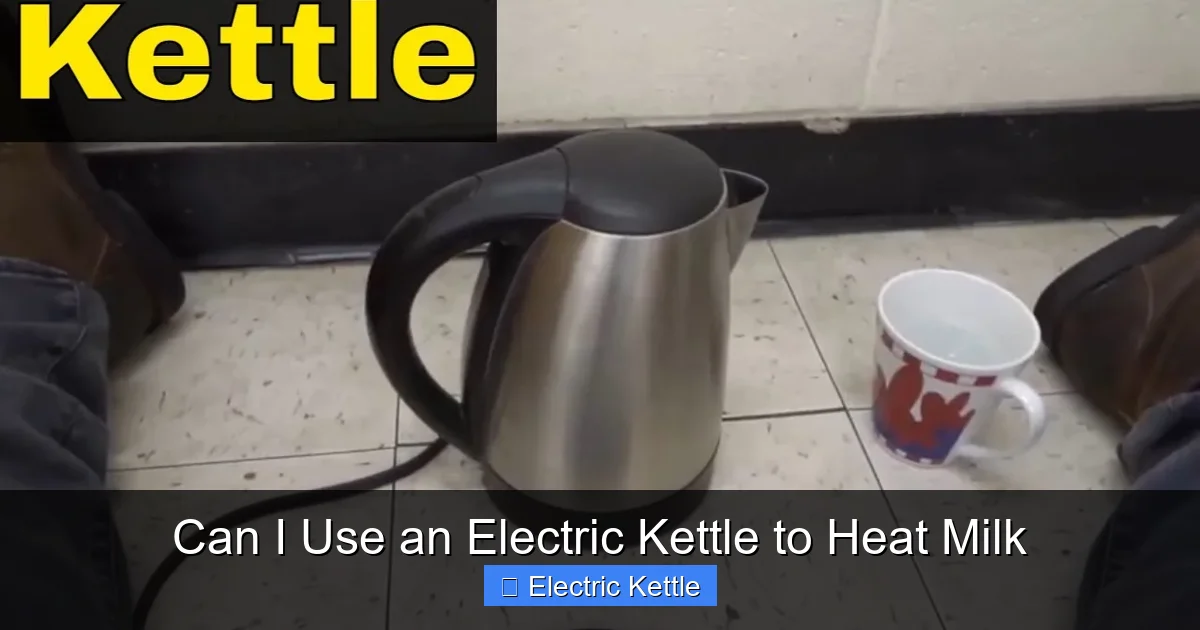
Visual guide about Can I Use an Electric Kettle to Heat Milk
Image source: i.ytimg.com
To understand why heating milk in an electric kettle can be tricky, it helps to know how these appliances function. Most electric kettles use a concealed or exposed heating element at the base to rapidly boil water. When you press the “on” button, electricity flows through the element, generating heat that transfers to the liquid inside. A thermostat monitors the temperature, and once the water reaches boiling point (usually around 100°C or 212°F), the kettle automatically shuts off.
This system works perfectly for water because water has a consistent boiling point and doesn’t leave behind sticky residues. But milk? That’s a whole different story.
Milk is a complex liquid made up of water, fats, proteins (like casein and whey), and lactose (milk sugar). When heated, these components react in ways that water doesn’t. For example, milk proteins can denature and coagulate when exposed to high heat, leading to curdling. The sugars can caramelize, creating a burnt taste. And because milk is more viscous than water, it doesn’t circulate as easily, which means heat isn’t distributed evenly. This increases the risk of hot spots—areas where the milk gets much hotter than the rest, leading to scorching.
The Problem with Standard Kettles
Most electric kettles are designed with water in mind. They heat quickly and shut off at boiling point, which is ideal for tea or coffee. But milk should never be boiled. In fact, heating milk beyond 70°C (158°F) can destroy its nutrients and alter its flavor. Yet, many kettles don’t allow you to set a lower temperature—they just go straight to boiling. That’s a recipe for disaster.
Even if your kettle has variable temperature settings, it may not be calibrated for milk. The sensors are typically tuned to detect the boiling point of water, not the delicate warming needed for dairy. So, unless your kettle explicitly states it’s safe for milk, you’re taking a risk every time you pour in that carton.
What Happens When You Heat Milk in a Water-Only Kettle?
Let’s say you ignore the warnings and go ahead anyway. What could go wrong?
First, there’s the risk of scorching. Because milk doesn’t circulate well, the layer closest to the heating element can overheat quickly. This causes the proteins and sugars to burn onto the surface, creating a sticky, brown film. Not only does this ruin the taste of your milk, but it also leaves behind a residue that’s tough to clean. Over time, this buildup can insulate the heating element, making your kettle less efficient and potentially causing it to overheat.
Second, there’s the issue of curdling. If the milk gets too hot or is heated unevenly, the proteins can clump together, turning your smooth milk into a lumpy, unappetizing mess. This is especially common when heating milk rapidly or using high-fat varieties like whole milk.
Third, there’s the cleanup. Milk residues are notoriously sticky and can harden if left to dry. Unlike limescale from hard water, which can be dissolved with vinegar, milk deposits often require scrubbing and special cleaners. And if they get into the kettle’s internal mechanisms, they can cause odors or even affect the thermostat.
When Is It Safe to Use an Electric Kettle for Milk?
Now, before you toss your kettle in the trash, know that there *are* situations where heating milk in an electric kettle is not only possible but perfectly safe—provided you have the right equipment.
Kettles Designed for Milk
Some electric kettles are specifically built to handle milk and other dairy products. These models often come with features like:
– **Variable temperature control:** Allows you to set precise temperatures (e.g., 60°C for gentle warming, 70°C for frothing).
– **Milk or baby formula presets:** One-touch settings that heat milk to the ideal temperature without boiling.
– **Non-stick interiors:** Make cleanup easier and reduce the risk of scorching.
– **Stirring mechanisms or gentle heating cycles:** Help distribute heat evenly and prevent hot spots.
Brands like Smeg, Russell Hobbs, and某些高端Breville models offer kettles with these capabilities. If you frequently heat milk—whether for coffee, hot chocolate, or baby bottles—investing in a milk-friendly kettle can be a smart move.
Using a Kettle with Caution
Even if your kettle isn’t specifically designed for milk, you *might* be able to use it safely—if you take extra precautions. Here’s how:
– **Use low heat settings:** If your kettle has adjustable temperatures, choose the lowest option (ideally below 70°C).
– **Don’t fill it too full:** Leave room for the milk to expand and circulate slightly.
– **Stir occasionally:** If possible, use a heat-safe spoon to gently stir the milk during heating (though this isn’t practical with most sealed kettles).
– **Monitor closely:** Never walk away. Watch for signs of bubbling, scorching, or curdling.
– **Clean immediately:** Rinse the kettle with warm water right after use to prevent residue from hardening.
Keep in mind, though, that even with these steps, there’s still a risk. Most standard kettles aren’t built to handle the unique properties of milk, so repeated use could shorten their lifespan.
The Risks of Heating Milk in a Standard Electric Kettle
While the convenience of using your electric kettle for milk is tempting, the potential downsides are significant. Let’s break down the main risks.
Scorching and Residue Buildup
As mentioned earlier, milk contains proteins and sugars that can burn when exposed to high heat. In a standard kettle, the heating element gets extremely hot—often much hotter than the liquid itself. This creates a perfect environment for scorching, especially at the bottom of the kettle.
Once scorching occurs, a brown, sticky film forms on the heating element and interior walls. This residue not only affects the taste of future brews (yes, even water will pick up that burnt milk smell) but also acts as an insulator. Over time, it can reduce the kettle’s efficiency, cause it to overheat, or even trigger safety shut-offs.
Cleaning this buildup is no small task. You’ll need to soak the kettle in a mixture of warm water and dish soap, then scrub with a non-abrasive brush. For stubborn deposits, you might need a specialized cleaner or vinegar solution—but even then, some residue may remain.
Curdling and Flavor Changes
Milk curdles when its proteins unwind and bond together, usually due to heat or acidity. In a kettle, rapid or uneven heating can cause this to happen quickly. The result? Lumpy, separated milk that’s unappealing to drink.
Even if the milk doesn’t fully curdle, high heat can alter its flavor. You might notice a “cooked” or slightly burnt taste, which can ruin your coffee or hot chocolate. This is especially true for whole milk and cream, which have higher fat content and are more prone to flavor changes when overheated.
Damage to the Kettle
Repeated use of milk in a water-only kettle can lead to long-term damage. The residue buildup can clog sensors, affect the thermostat, or even corrode internal components. In some cases, the kettle may stop working altogether.
Additionally, many manufacturers explicitly state that using milk (or other liquids besides water) voids the warranty. So if your kettle breaks down after heating milk, you might be out of luck when it comes to repairs or replacements.
Health and Safety Concerns
While not common, there are health risks to consider. Burnt milk can produce compounds that, while not necessarily toxic, may affect taste and digestibility. More importantly, if milk is left in the kettle after use, it can spoil quickly and become a breeding ground for bacteria—especially in warm, moist environments.
Also, if the kettle overheats due to residue buildup, it could pose a fire hazard or cause the appliance to malfunction.
Safer Alternatives to Heating Milk in an Electric Kettle
Given the risks, it’s often better to use alternative methods for heating milk. Here are some safer, more effective options:
Stovetop Heating
One of the most reliable ways to heat milk is on the stovetop. Use a small saucepan over low to medium heat, stirring frequently to prevent scorching. This method gives you full control over the temperature and allows you to monitor the milk closely.
Tip: Use a thermometer to ensure the milk doesn’t exceed 70°C (158°F). Remove it from heat just before it reaches boiling point.
Microwave Heating
For quick and easy warming, the microwave is a great option. Pour the milk into a microwave-safe container, heat in 15–30 second intervals, and stir between each round. This prevents hot spots and ensures even heating.
Be careful not to overheat—milk can boil over quickly in the microwave, creating a messy cleanup.
Dedicated Milk Frothers or Steam Wands
If you’re a coffee lover, consider investing in a milk frother or an espresso machine with a steam wand. These devices are designed specifically for heating and aerating milk, delivering smooth, creamy results every time.
Handheld frothers are affordable and portable, while built-in steam wands offer professional-quality frothing.
Electric Milk Warmers
Some appliances are made exclusively for warming milk—especially for baby bottles. These devices use gentle, consistent heat and often include timers and temperature controls. While not ideal for large quantities, they’re perfect for small servings.
How to Clean Your Kettle After Heating Milk
If you do end up heating milk in your kettle, cleaning it properly is essential to prevent damage and odors.
Immediate Rinse
As soon as you’re done, rinse the kettle with warm water. Don’t let the milk dry inside—this makes cleanup much harder.
Soak and Scrub
Fill the kettle with warm water and a few drops of dish soap. Let it soak for 15–30 minutes, then scrub the interior with a soft brush or sponge. Pay special attention to the heating element and any visible residue.
Use a Cleaning Solution
For stubborn buildup, try a mixture of equal parts water and white vinegar. Let it sit for an hour, then scrub and rinse thoroughly. Avoid abrasive cleaners or steel wool, which can scratch the surface.
Run a Water Cycle
After cleaning, fill the kettle with fresh water and run it through a full heating cycle. This helps remove any lingering odors or cleaning agents.
Conclusion: Should You Use an Electric Kettle to Heat Milk?
So, can you use an electric kettle to heat milk? Technically, yes—but it’s not always wise. While some advanced kettles are built to handle dairy, most standard models are designed for water only. Using them for milk can lead to scorching, curdling, residue buildup, and even appliance damage.
If you do choose to heat milk in your kettle, make sure it has temperature control, use low settings, and clean it immediately afterward. But for the best results and longest kettle life, consider safer alternatives like the stovetop, microwave, or a dedicated milk warmer.
Ultimately, your kettle is a valuable kitchen tool—treat it well, and it’ll keep serving you perfectly brewed tea and coffee for years to come. Reserve it for water, and let other appliances handle the milk. Your taste buds (and your kettle) will thank you.
Frequently Asked Questions
Can I boil milk in an electric kettle?
No, you should never boil milk in an electric kettle. Boiling causes milk to curdle, scorch, and leave behind sticky residues that are hard to clean. Most kettles also aren’t designed to handle the high heat needed for boiling milk safely.
What temperature should milk be heated to in a kettle?
Milk should be heated to between 60°C and 70°C (140°F to 158°F). This is warm enough for drinking or frothing but not hot enough to cause curdling or nutrient loss. Avoid exceeding 70°C.
Will heating milk in my kettle void the warranty?
Yes, in most cases. Many manufacturers specify that kettles should only be used with water. Using milk or other liquids can void the warranty, especially if it leads to damage or malfunction.
Can I use my kettle for milk if it has a “baby formula” setting?
Yes, if your kettle has a specific setting for milk, baby formula, or dairy, it’s likely safe to use. These presets are designed to heat milk gently and at the correct temperature without scorching.
How do I remove burnt milk smell from my kettle?
Soak the kettle in a mixture of warm water and white vinegar for at least an hour, then scrub with a soft brush. Rinse thoroughly and run a full water cycle to eliminate odors.
Is it safe to heat almond or oat milk in an electric kettle?
Plant-based milks can be even more problematic than dairy milk. They often contain thickeners and sugars that burn easily. It’s best to heat them on the stovetop or in the microwave instead.