Using an electric kettle in cold outdoor conditions is possible, but not without challenges. Cold temperatures can affect heating efficiency, power supply stability, and even the kettle’s materials. With the right precautions—like using a stable power source, insulating the kettle, and avoiding extreme cold—you can safely boil water outside.
Key Takeaways
- Electric kettles can work in cold weather, but performance may drop. Lower ambient temperatures slow heating and increase energy use.
- Power source stability is critical outdoors. Use a reliable outlet, power strip with surge protection, or a compatible generator.
- Insulate the kettle to retain heat. Wrap it in a towel or use an insulated cover to speed up boiling and save energy.
- Avoid placing the kettle on cold or wet surfaces. Use a dry, level platform to prevent electrical hazards and improve efficiency.
- Check your kettle’s operating temperature range. Most are rated for 0°C to 40°C (32°F to 104°F); extreme cold may damage components.
- Never leave the kettle unattended outside. Wind, moisture, and temperature swings increase risks.
- Consider a portable electric kettle designed for travel. These often have better insulation and safety features for outdoor use.
📑 Table of Contents
- Can I Use Electric Kettle in the Cold Outside?
- How Cold Weather Affects Electric Kettle Performance
- Power Source Considerations for Outdoor Use
- Safety Tips for Using Electric Kettles in Cold Conditions
- How to Improve Kettle Performance in the Cold
- When Not to Use an Electric Kettle Outside
- Alternatives to Electric Kettles in Cold Weather
- Conclusion
Can I Use Electric Kettle in the Cold Outside?
Picture this: you’re camping in the mountains, the air is crisp, and you’re craving a warm cup of tea. You pull out your trusty electric kettle, plug it into your portable power station, and wait for the water to boil. But will it work as well in the cold? The short answer is yes—**you can use an electric kettle in the cold outside**, but there are important factors to consider.
Electric kettles are designed for indoor use, where temperatures are stable and power sources are reliable. When you take one outside into colder environments, things change. The cold air, wind, and lack of insulation can affect how quickly—and safely—your kettle heats water. But with the right setup and precautions, you can still enjoy hot beverages even when the thermometer dips.
This guide will walk you through everything you need to know about using an electric kettle in cold outdoor conditions. We’ll cover how temperature affects performance, what power sources work best, safety tips, and how to keep your kettle running efficiently. Whether you’re camping, tailgating, or working in a chilly garage, this information will help you make smart decisions.
How Cold Weather Affects Electric Kettle Performance
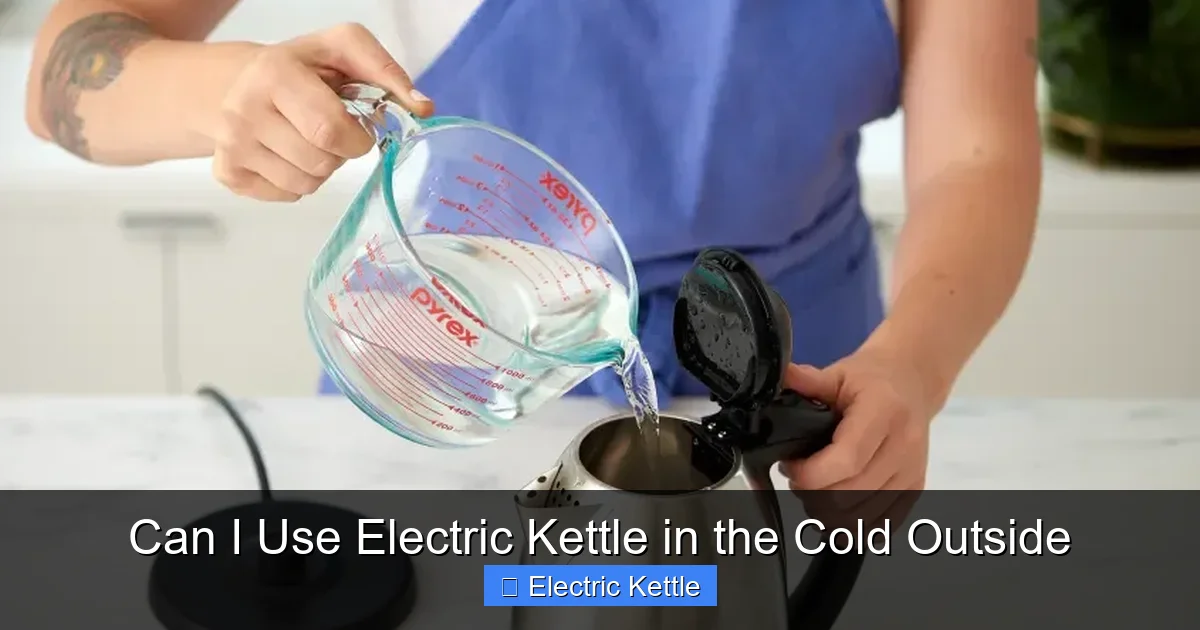
Visual guide about Can I Use Electric Kettle in the Cold Outside
Image source: cdn.apartmenttherapy.info
Cold weather doesn’t just make you want to stay indoors—it also impacts how your electric kettle functions. While these appliances are built to heat water quickly, they aren’t always optimized for low-temperature environments. Understanding how cold affects your kettle is the first step to using it safely and effectively outside.
Reduced Heating Efficiency
One of the biggest challenges of using an electric kettle in the cold is reduced heating efficiency. When the surrounding air is cold, the kettle loses heat faster to the environment. This means the heating element has to work harder and longer to bring water to a boil. For example, boiling a liter of water at 20°C (68°F) indoors might take 3–4 minutes, but at 0°C (32°F), it could take 5–7 minutes or more.
This happens because heat naturally flows from warmer objects (like the hot water) to cooler ones (like the cold air). The colder it is, the faster this heat loss occurs. Even if the kettle is well-insulated, the temperature difference between the water and the air creates a constant drain on the heating process.
Impact on Water Temperature
Another factor is the starting temperature of the water. If you’re using water from a cold outdoor source—like a stream, snowmelt, or a bottle left in the car—it may be near freezing. Heating ice-cold water requires significantly more energy than room-temperature water. A kettle rated for 1500 watts might struggle to maintain full power output if the water starts at 2°C (36°F), especially if the power source isn’t strong enough.
This can lead to longer boiling times and increased electricity consumption. In extreme cases, the kettle’s thermostat might not register the correct temperature, causing it to shut off prematurely or overheat.
Material and Component Stress
Cold temperatures can also stress the materials and internal components of your kettle. Plastic parts may become brittle, seals can harden and crack, and electrical connections might contract, leading to poor contact or short circuits. While most modern kettles are built to handle some variation in temperature, prolonged exposure to freezing conditions can shorten their lifespan.
For example, a kettle with a plastic handle or base might crack if left in sub-zero temperatures and then suddenly heated. Similarly, rubber gaskets around the lid or base can lose flexibility, leading to leaks or steam escaping improperly.
Power Source Considerations for Outdoor Use
One of the most critical aspects of using an electric kettle outside is the power source. Unlike at home, where you have a stable 120V or 230V outlet, outdoor environments often require alternative solutions. The type of power you use directly affects whether your kettle will work—and how well.
Standard Wall Outlets (When Available)
If you’re near a cabin, RV, or outdoor event with access to a standard electrical outlet, you’re in luck. Most electric kettles are designed for these voltages and will work normally. However, even in these cases, cold weather can affect the outlet’s performance. For instance, outdoor outlets may be less insulated, and cold wiring can increase electrical resistance, slightly reducing power delivery.
Always ensure the outlet is dry and protected from snow or rain. Use a weatherproof cover if available, and avoid running extension cords through puddles or snow.
Portable Power Stations and Generators
For true off-grid use—like camping or hiking—portable power stations are your best bet. These battery-powered devices store electricity and can output AC power through standard outlets. Many modern power stations can handle the high wattage of electric kettles (typically 1000–1800 watts), but you need to check the specs.
For example, a 500-watt power station might struggle with a 1500-watt kettle, causing the kettle to heat slowly or not at all. Look for power stations rated at least 1.5 times your kettle’s wattage to ensure safe operation. Brands like Jackery, EcoFlow, and Bluetti offer models that can easily power a kettle for several boils on a single charge.
Gas-powered generators are another option, especially for longer trips. They provide consistent power but are louder, heavier, and require fuel. Always operate generators outdoors and away from tents or cabins to avoid carbon monoxide buildup.
Inverters and Car Adapters
Some people try to power kettles using car inverters that plug into the 12V cigarette lighter. While this sounds convenient, most car inverters can’t handle the high surge power required by electric kettles. A typical 1500-watt kettle needs about 125 amps at 12V—far beyond what a standard car inverter can deliver.
Even high-end inverters (2000W or more) may overheat or shut down when used with a kettle. If you must use a car inverter, choose one rated for continuous 2000W output and ensure your vehicle’s alternator can support the load. Still, this method is not recommended for regular use.
Safety Tips for Using Electric Kettles in Cold Conditions
Safety should always come first when using electrical appliances outdoors, especially in cold weather. The combination of electricity, water, and low temperatures creates unique hazards that don’t exist indoors. Follow these tips to protect yourself and your equipment.
Avoid Wet or Icy Surfaces
Never place your electric kettle on a wet, snowy, or icy surface. Water and electricity are a dangerous mix, and moisture can seep into the base, causing short circuits or electric shocks. Always use a dry, flat platform—like a wooden board, camping table, or insulated mat—to keep the kettle stable and elevated.
If you’re in a snowy area, clear a patch of ground and place a waterproof tarp or mat underneath. This creates a dry zone and reduces heat loss to the cold ground.
Keep Cords and Plugs Dry
Electrical cords and plugs are especially vulnerable in cold, damp conditions. Moisture can cause corrosion, reduce conductivity, and increase the risk of shocks. Use a power strip with a built-in surge protector and a weatherproof cover. Coil excess cord neatly to prevent tripping and avoid dragging it through snow or puddles.
If your plug or cord feels stiff or cracked from the cold, don’t use it. Cold can make plastic brittle, and damaged insulation is a fire hazard.
Don’t Leave the Kettle Unattended
Never walk away from a kettle that’s heating outdoors. Wind can blow debris into the kettle, snow can melt and drip onto electrical parts, and animals might be curious. Plus, if the kettle overheats or malfunctions, you need to be nearby to unplug it quickly.
Stay within sight and reach while the kettle is on. If you need to step away, turn it off and unplug it first.
Watch for Frost and Condensation
When you bring a cold kettle indoors or into a warmer space, condensation can form on the outside. This moisture can drip into the base or electrical components, causing damage. Always wipe down the kettle with a dry cloth before storing it.
Similarly, if you’re using the kettle in freezing temperatures, ice can form on the lid or spout. This can block steam release or cause the lid to stick. Gently wipe away any ice before use.
How to Improve Kettle Performance in the Cold
Even with the challenges, there are several ways to boost your electric kettle’s performance in cold weather. A few simple tricks can make a big difference in heating speed, energy use, and safety.
Insulate the Kettle
One of the easiest and most effective methods is to insulate the kettle. Wrapping it in a thick towel, fleece blanket, or insulated cover helps trap heat and reduces energy loss. You can also place the kettle inside a cooler or insulated bag with the lid open, allowing steam to escape while retaining warmth.
For example, a kettle wrapped in a wool blanket might boil water 20–30% faster in cold weather. Just make sure the insulation doesn’t cover the base or power cord, and never block the steam vent.
Use Warm Water When Possible
Starting with warmer water reduces the workload on the heating element. If you have access to a thermos of hot water or can pre-warm water in a sealed container, use that instead of cold tap water. Even water at 10°C (50°F) will boil faster than water at 2°C (36°F).
This is especially helpful when using a portable power station with limited capacity. Every degree counts when you’re trying to conserve battery life.
Preheat the Kettle (If Safe)
Some kettles allow you to run a short heating cycle with a small amount of water to warm up the interior. This can help the thermostat and heating element reach optimal temperature faster. However, never run the kettle dry—this can damage the element and create a fire hazard.
Always follow the manufacturer’s instructions. If your kettle has a “preheat” or “keep warm” function, use it wisely.
Choose the Right Kettle for Outdoor Use
Not all electric kettles are created equal. If you plan to use one regularly in cold conditions, consider investing in a model designed for travel or outdoor use. These often feature:
– Double-wall insulation to retain heat
– Durable, cold-resistant materials
– Compact size for portability
– Auto shut-off and boil-dry protection
Brands like Breville, Cuisinart, and Fellow offer kettles with enhanced insulation and safety features. Some even come with carrying cases and insulated lids.
When Not to Use an Electric Kettle Outside
While it’s possible to use an electric kettle in the cold, there are situations where it’s best to avoid it altogether. Knowing when to skip the kettle can save you time, energy, and potential hazards.
Extreme Cold (Below -10°C / 14°F)
Most electric kettles aren’t designed to operate in extreme cold. If the temperature drops below -10°C (14°F), the risk of component failure increases significantly. Plastic parts may crack, seals can fail, and the heating element might not function properly.
In these conditions, consider alternative heating methods like a camping stove, portable gas burner, or thermos with pre-boiled water.
High Winds or Stormy Weather
Strong winds can blow snow, rain, or debris into the kettle, damaging internal components. They can also cool the kettle rapidly, making it harder to boil water. If it’s windy or stormy, wait for calmer conditions or use a sheltered area like a tent vestibule or cabin.
Unstable or Unprotected Power Sources
If your power source is unreliable—like a weak inverter, low battery, or damaged outlet—don’t risk it. A kettle that overheats or malfunctions due to poor power can cause fires or electric shocks. Always test your setup in a safe environment before relying on it in the field.
Alternatives to Electric Kettles in Cold Weather
Sometimes, the best solution is to skip the electric kettle altogether. Here are a few reliable alternatives for heating water outdoors:
– **Camping Stoves:** Lightweight, fuel-efficient, and work in any weather. Pair with a small pot for boiling water.
– **Portable Gas Burners:** Great for group use or longer trips. Offer precise heat control and fast boiling.
– **Thermos Flasks:** Fill with boiling water before heading out. Keeps water hot for hours without electricity.
– **Solar Kettles:** Use sunlight to heat water—ideal for sunny, dry climates but slow in cold or cloudy weather.
Each has pros and cons, but all are more reliable than an electric kettle in extreme conditions.
Conclusion
So, can you use an electric kettle in the cold outside? Yes—but with caution. Cold weather affects heating speed, power efficiency, and safety. By understanding how temperature impacts performance, choosing the right power source, and following safety guidelines, you can enjoy hot drinks even in chilly conditions.
Insulate your kettle, keep it dry, and never leave it unattended. If the weather is too harsh or your power source is unreliable, consider alternatives like camping stoves or thermoses. With the right preparation, your electric kettle can be a valuable tool—even when the world outside is frozen.
Frequently Asked Questions
Can I use my electric kettle in freezing temperatures?
Yes, but performance may drop significantly. Most kettles aren’t rated for extreme cold, and components can become brittle or malfunction below -10°C (14°F).
Will cold weather damage my electric kettle?
Prolonged exposure to freezing temperatures can stress materials and electrical parts. Avoid leaving the kettle outside when not in use, and always dry it before storing.
Can I plug my kettle into a car outlet?
Not recommended. Most car inverters can’t handle the high wattage of electric kettles and may overheat or fail. Use a portable power station instead.
How can I make my kettle boil faster in the cold?
Wrap it in a towel or insulated cover, use warmer water, and ensure a stable power source. Insulation reduces heat loss and speeds up boiling.
Is it safe to use an electric kettle in the snow?
Only if the kettle, cord, and outlet are dry and protected. Never place the kettle directly on snow or ice, and avoid windy or wet conditions.
What’s the best power source for an outdoor electric kettle?
A portable power station with sufficient wattage (at least 1.5x your kettle’s rating) is ideal. Generators work too, but are louder and require fuel.