
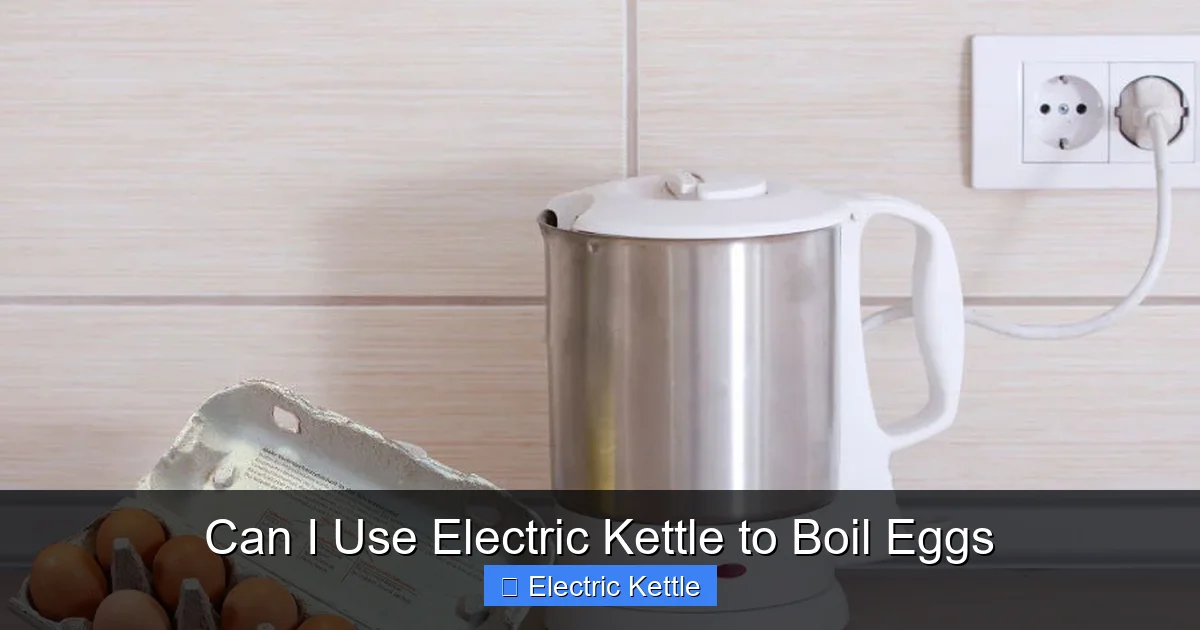
Yes, you can use an electric kettle to boil eggs—it’s faster, energy-efficient, and surprisingly effective. With the right technique, you can achieve soft, medium, or hard-boiled eggs without a stove. This guide covers everything from safety tips to step-by-step instructions for perfect results.
Key Takeaways
- Yes, electric kettles can boil eggs: Most modern electric kettles are capable of boiling eggs safely, provided you follow proper guidelines.
- Use the right water level: Submerge eggs fully in water but avoid overfilling to prevent overflow or damage to the kettle.
- Choose the correct kettle type: Kettles with flat heating elements or those designed for immersion heating work best; avoid models with exposed coils.
- Timing matters: Boil time varies by egg size and desired doneness—typically 6–12 minutes after water reaches a boil.
- Cool eggs immediately: Transfer boiled eggs to ice water to stop cooking and make peeling easier.
- Clean your kettle regularly: Egg residue and mineral buildup can affect performance and taste—rinse thoroughly after use.
- Not all kettles are equal: Check your user manual; some manufacturers explicitly prohibit boiling eggs due to warranty or safety concerns.
📑 Table of Contents
- Can I Use Electric Kettle to Boil Eggs? The Surprising Answer
- How Electric Kettles Work and Why They Can Boil Eggs
- Safety Considerations When Boiling Eggs in an Electric Kettle
- Step-by-Step Guide: How to Boil Eggs in an Electric Kettle
- Best Electric Kettles for Boiling Eggs
- Common Mistakes to Avoid
- Alternatives and Variations
- Conclusion
Can I Use Electric Kettle to Boil Eggs? The Surprising Answer
You’re in the kitchen, craving a quick snack or a protein-packed breakfast, and you’ve got eggs and an electric kettle handy. The thought crosses your mind: *Can I use my electric kettle to boil eggs?* It sounds unconventional—after all, kettles are for tea and coffee, right? But here’s the truth: yes, you absolutely can. And it might just become your new go-to method.
Electric kettles are designed to heat water rapidly and efficiently. Once that water reaches boiling point, it creates the perfect environment for cooking eggs—just like a pot on the stove. The key is understanding how to do it safely and effectively. Whether you’re a busy student, a traveler in a hotel room, or simply looking to save time and energy, boiling eggs in an electric kettle is a clever hack that works.
But before you drop those eggs in, there are important factors to consider: your kettle’s design, water levels, timing, and post-cooking care. This guide will walk you through everything you need to know—from the science behind it to step-by-step instructions and pro tips. By the end, you’ll be confident in using your electric kettle not just for hot water, but for perfectly boiled eggs too.
How Electric Kettles Work and Why They Can Boil Eggs
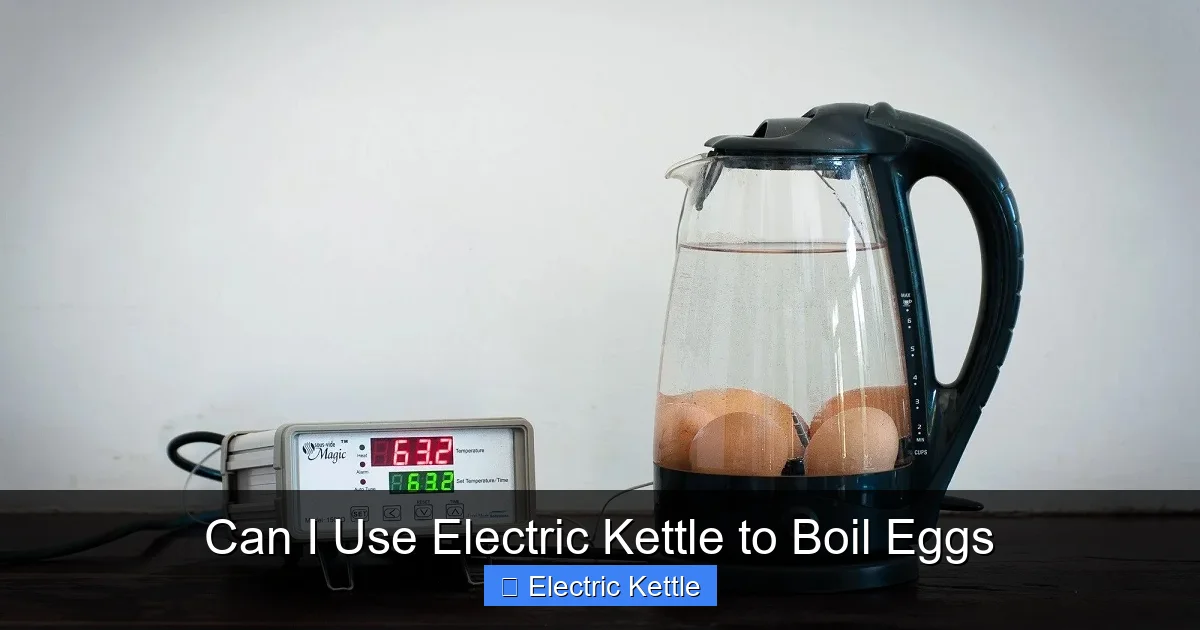
Visual guide about Can I Use Electric Kettle to Boil Eggs
Image source: storables.com
To understand why boiling eggs in an electric kettle is possible, let’s first look at how these appliances function. Most electric kettles use an internal heating element—either concealed beneath a flat base or exposed as a coil—that heats water quickly through electrical resistance. When you press the switch, the element warms up, transferring heat directly to the water until it reaches boiling temperature (around 212°F or 100°C at sea level).
This process is remarkably efficient. Unlike stovetop methods that lose heat to the surrounding air, electric kettles contain the heat within a sealed chamber, reducing energy waste and speeding up boiling time. In fact, many kettles can bring a full liter of water to a boil in under five minutes—faster than most stovetops.
Now, why does this matter for boiling eggs? Because the core requirement for boiling eggs is consistent, high-temperature water. Once the water boils, the eggs cook through conduction—the heat transfers from the water into the egg whites and yolks, causing proteins to denature and solidify. Whether that heat comes from a gas flame or an electric element doesn’t change the outcome, as long as the water stays at boiling temperature long enough.
The Science of Egg Cooking
Eggs are mostly water and protein. When exposed to heat, the proteins unfold (denature) and then bond together, turning from liquid to solid. This transformation begins around 140°F (60°C) and completes by 160°F (71°C). The yolk, which contains more fat and less water, coagulates at a slightly higher temperature—around 158°F (70°C).
In a boiling environment, the outer egg white sets first, followed by the inner white and then the yolk. The longer the egg stays in boiling water, the firmer the yolk becomes. That’s why timing is crucial:
– 6–7 minutes: Soft-boiled (runny yolk)
– 8–10 minutes: Medium-boiled (jammy yolk)
– 10–12 minutes: Hard-boiled (fully set yolk)
An electric kettle provides a stable boiling environment, making it easier to control these stages—especially if your kettle has an automatic shut-off feature. Once the water boils, the kettle turns off, but residual heat keeps the water hot. You can leave the eggs in the hot water for the desired time, then remove them.
Energy Efficiency and Speed
One of the biggest advantages of using an electric kettle to boil eggs is energy efficiency. Kettles heat only the water you need—no extra pot, no wasted heat. Studies show that electric kettles use up to 50% less energy than stovetop methods for the same task.
They’re also faster. A typical stovetop pot might take 8–10 minutes to boil water, while an electric kettle does it in 3–5 minutes. That means your eggs start cooking sooner, and you save time—especially helpful during busy mornings.
Plus, there’s no need to monitor the stove. Just fill the kettle, add the eggs, turn it on, and walk away. The automatic shut-off ensures safety and prevents over-boiling.
Safety Considerations When Boiling Eggs in an Electric Kettle
While boiling eggs in an electric kettle is generally safe, it’s not without risks. Ignoring safety guidelines can lead to cracked eggs, damaged kettles, or even electrical hazards. Here’s what you need to know to do it the right way.
Check Your Kettle’s Design
Not all electric kettles are created equal. Some are better suited for boiling eggs than others.
**Avoid kettles with exposed heating coils.** These models have a metal coil at the bottom that’s directly in contact with the water. If an egg touches the hot coil, it can crack or stick, potentially damaging the element or causing a short circuit.
**Opt for kettles with concealed or flat heating elements.** These have a smooth, sealed base that protects the heating mechanism. Eggs can rest safely on the bottom without direct contact with the heat source. Many modern kettles—especially stainless steel or glass models—use this design.
**Glass kettles** are a great choice because you can see the eggs and monitor the water level. Just ensure the glass is heat-resistant and the kettle is rated for continuous boiling.
Don’t Overfill the Kettle
Overfilling is a common mistake. When water boils, it expands and can foam, especially if eggs release proteins. If the water level is too high, boiling water may overflow, damaging the kettle’s electrical components or creating a scalding hazard.
As a rule of thumb:
– Fill the kettle with enough water to fully submerge the eggs—about 1–2 inches above them.
– Leave at least 1 inch of space below the maximum fill line.
– For 4–6 eggs, 16–20 ounces (500–600 ml) of water is usually sufficient.
Use Room-Temperature Eggs
Cold eggs straight from the fridge can crack when dropped into boiling water due to thermal shock. The rapid temperature change causes the shell to expand unevenly.
To prevent this:
– Let eggs sit at room temperature for 10–15 minutes before boiling.
– Or, gently place them in warm (not hot) water for a few minutes to acclimate.
This simple step reduces the risk of cracked shells and messy cleanups.
Never Leave the Kettle Unattended (Initially)
Even though most kettles have automatic shut-off, it’s wise to stay nearby during the first few minutes. Watch for signs of overflow, unusual noises, or steam escaping from unintended areas. If everything looks normal, you can step away—but stay within earshot.
Also, never operate a damaged kettle. Cracks, frayed cords, or malfunctioning switches increase the risk of electrical faults.
Step-by-Step Guide: How to Boil Eggs in an Electric Kettle
Now that you know the basics, let’s walk through the process. With the right technique, you’ll get consistent, perfectly boiled eggs every time.
What You’ll Need
– Electric kettle (preferably with concealed heating element)
– Fresh eggs (room temperature)
– Slotted spoon or tongs
– Bowl of ice water
– Timer
Step 1: Prepare the Eggs
Take your eggs out of the fridge and let them sit for 10–15 minutes. This reduces the chance of cracking. If you’re in a hurry, place them in a bowl of lukewarm water for 5 minutes.
Step 2: Fill the Kettle
Add enough water to fully cover the eggs—about 1–2 inches above them. Don’t exceed the kettle’s maximum fill line. For 4–6 eggs, 500–600 ml (about 2–2.5 cups) is ideal.
Step 3: Add the Eggs
Gently lower the eggs into the kettle using a spoon or your hands. Avoid dropping them, as this can crack the shells. If your kettle has a wide opening, you can tilt it slightly to slide the eggs in.
Step 4: Boil the Water
Close the lid and turn on the kettle. Most kettles will automatically shut off once the water reaches boiling point (usually in 3–5 minutes).
Step 5: Let the Eggs Cook
Once the kettle shuts off, leave the eggs in the hot water for the desired time:
– Soft-boiled: 6–7 minutes
– Medium-boiled: 8–10 minutes
– Hard-boiled: 10–12 minutes
Use a timer to stay accurate. The residual heat will continue cooking the eggs even after the kettle turns off.
Step 6: Cool the Eggs
When the timer goes off, use a slotted spoon or tongs to transfer the eggs to a bowl of ice water. Let them sit for at least 5 minutes. This stops the cooking process and makes peeling easier by creating a gap between the shell and the egg white.
Step 7: Peel and Enjoy
Tap the eggs gently to crack the shell, then roll them to loosen it. Peel under running water for smoother results. Serve immediately or store in the fridge for up to a week.
Pro Tips for Best Results
– **Add a pinch of salt or vinegar** to the water. This can help seal small cracks and make peeling easier.
– **Use older eggs** for hard-boiled versions. Fresh eggs have a lower pH, which makes the whites stick to the shell.
– **Label your kettle** if you use it for both water and eggs. Some people prefer to keep one kettle for drinks and another for cooking.
Best Electric Kettles for Boiling Eggs
Not every electric kettle is ideal for boiling eggs, but many modern models work perfectly. Here are the features to look for—and a few top recommendations.
Features to Look For
– **Concealed heating element:** Protects the eggs and prevents damage.
– **Wide mouth opening:** Makes it easy to add and remove eggs.
– **Durable material:** Stainless steel or high-quality glass resists scratches and heat.
– **Automatic shut-off:** Ensures safety and consistent boiling.
– **Easy-to-clean interior:** Smooth surfaces prevent egg residue buildup.
Top Picks
1. **Cuisinart CPK-17 PerfecTemp** – Stainless steel, concealed element, 1.7-liter capacity. Great for families.
2. **Hamilton Beach 40880** – Glass body, wide opening, affordable and reliable.
3. **Breville BKE820XL IQ** – Precision temperature control, ideal for soft-boiled eggs.
4. **OXO Brew Classic** – Compact, easy to clean, perfect for small batches.
Avoid cheap kettles with thin walls or exposed coils—they’re more likely to crack or malfunction.
Common Mistakes to Avoid
Even with the best intentions, things can go wrong. Here are the most common mistakes people make when boiling eggs in an electric kettle—and how to avoid them.
Using Cold Eggs
As mentioned earlier, cold eggs can crack. Always let them warm up first.
Overcrowding the Kettle
Too many eggs can prevent water from circulating properly, leading to uneven cooking. Stick to 4–6 eggs max, depending on kettle size.
Ignoring the Manual
Some manufacturers explicitly state that boiling eggs voids the warranty. Check your user guide before proceeding.
Not Cleaning After Use
Egg residue can build up and affect taste or performance. Rinse the kettle thoroughly after each use. For stubborn stains, use a mixture of water and vinegar.
Leaving Eggs Too Long
Overcooked eggs become rubbery and develop a green ring around the yolk. Stick to the recommended times.
Alternatives and Variations
While boiling is the most common method, you can experiment with other techniques using your electric kettle.
Steaming Eggs
Place eggs in a heat-safe bowl or steamer insert inside the kettle. Add water below the bowl level and boil. Steaming can result in tenderer eggs with less risk of cracking.
Making Tea Eggs
After boiling, crack the shells slightly and return the eggs to the kettle with tea, soy sauce, and spices. Let them steep for 30 minutes to infuse flavor.
Hard-Boiled Eggs for Salads
Perfect for meal prep. Boil a batch, peel, and store in the fridge for quick snacks or salads.
Conclusion
So, can you use an electric kettle to boil eggs? The answer is a resounding yes—with the right approach. It’s faster, more energy-efficient, and just as effective as traditional methods. Whether you’re in a dorm, office, or tiny kitchen, this hack saves time and space.
Just remember: safety first. Use a kettle with a concealed heating element, avoid overfilling, and let your eggs warm up before boiling. Follow the step-by-step guide, cool them properly, and enjoy perfectly cooked eggs every time.
With a little practice, boiling eggs in an electric kettle will feel as natural as making tea. And who knows? You might just discover a whole new world of quick, convenient cooking.
Frequently Asked Questions
Can I boil eggs in any electric kettle?
Not all kettles are suitable. Avoid models with exposed heating coils, as eggs can crack or damage the element. Choose kettles with concealed or flat heating elements for safety.
Will boiling eggs damage my electric kettle?
If done correctly, no. However, egg residue or mineral buildup can affect performance over time. Clean your kettle regularly and avoid overfilling to prevent damage.
How long should I boil eggs in an electric kettle?
After the water boils, leave eggs in hot water for 6–7 minutes for soft-boiled, 8–10 for medium, and 10–12 for hard-boiled. Timing starts when the kettle shuts off.
Can I use cold eggs straight from the fridge?
It’s not recommended. Cold eggs can crack due to thermal shock. Let them sit at room temperature for 10–15 minutes before boiling.
Do I need to add anything to the water?
Adding a pinch of salt or vinegar can help seal small cracks and make peeling easier, but it’s optional.
Can I reuse the water for tea or coffee after boiling eggs?
It’s best not to. Egg residue and proteins can affect the taste. Use fresh water for drinks to ensure purity and flavor.