Yes, you can wash an electric kettle—but not all parts are safe to submerge. The exterior, lid, and interior can be cleaned with care, but the base and electrical components must stay dry. Follow proper steps to clean your kettle safely and extend its life.
Key Takeaways
- Only wash removable parts: The kettle’s interior, lid, and filter can be washed, but never submerge the base or electrical unit.
- Use vinegar for descaling: A mix of white vinegar and water effectively removes limescale buildup inside the kettle.
- Avoid harsh chemicals: Bleach or abrasive cleaners can damage the interior and leave harmful residues.
- Wipe the exterior regularly: Use a damp cloth to clean the outside and prevent grime buildup.
- Let it dry completely: Always air-dry all parts before reassembling to prevent mold or electrical issues.
- Clean the filter often: If your kettle has a mesh filter, remove and rinse it weekly to maintain water flow and taste.
- Check the manual first: Always refer to the manufacturer’s instructions for model-specific cleaning guidelines.
📑 Table of Contents
- Can I Wash an Electric Kettle? A Complete Guide to Safe Cleaning
- Why Cleaning Your Electric Kettle Matters
- What Parts of an Electric Kettle Can You Wash?
- How to Clean the Interior of Your Electric Kettle
- How to Clean the Exterior and Lid
- Maintaining Your Electric Kettle Between Cleanings
- Common Mistakes to Avoid When Cleaning an Electric Kettle
- When to Replace Your Electric Kettle
- Conclusion
Can I Wash an Electric Kettle? A Complete Guide to Safe Cleaning
If you’ve ever stood over your electric kettle with a sponge in hand, wondering whether it’s safe to give it a good scrub, you’re not alone. Electric kettles are kitchen workhorses—boiling water for tea, coffee, instant meals, and more—but they can also collect mineral deposits, stains, and odors over time. So, the big question is: *Can I wash an electric kettle?*
The short answer is yes—but with important caveats. Unlike a regular stovetop kettle, an electric kettle has electrical components, a heating element, and often a non-removable base. That means you can’t just toss it in the sink or dishwasher like a regular pot. However, with the right approach, you can keep your electric kettle clean, hygienic, and functioning like new for years.
In this guide, we’ll walk you through everything you need to know about washing an electric kettle safely. From understanding which parts can get wet to step-by-step cleaning methods, we’ll cover it all. Whether you’re dealing with stubborn limescale, funky smells, or just want to maintain a sparkling clean appliance, this article has you covered.
Why Cleaning Your Electric Kettle Matters
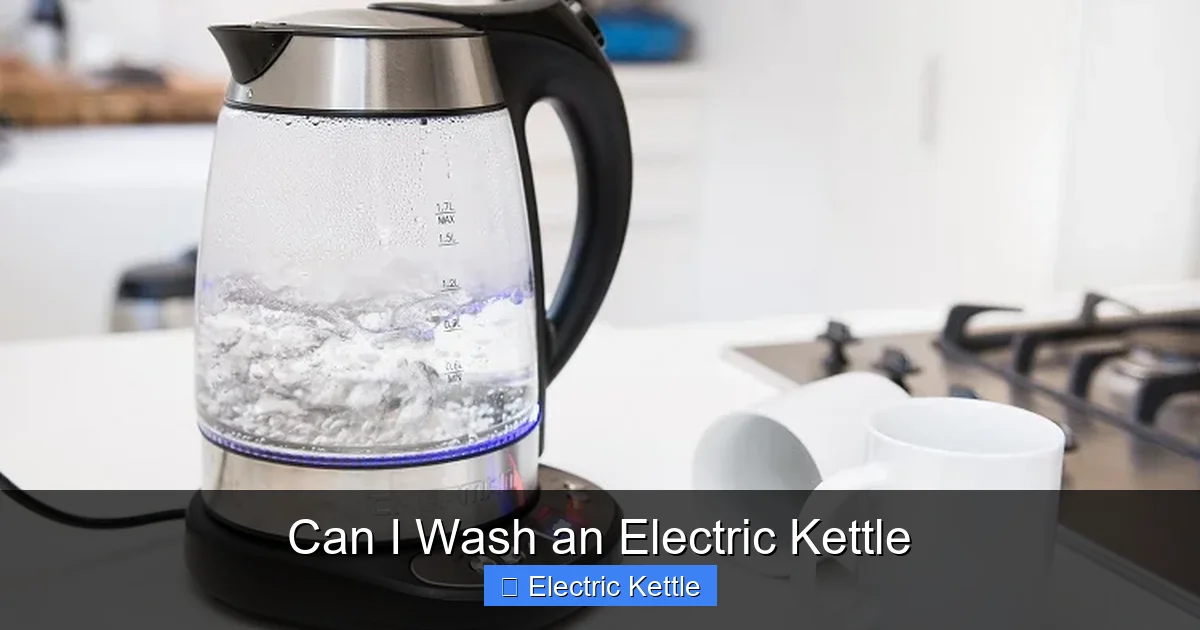
Visual guide about Can I Wash an Electric Kettle
Image source: veseldom.com
You might think that since your kettle only holds water, it doesn’t need much cleaning. But that’s a common misconception. Over time, minerals from tap water—especially in hard water areas—build up inside the kettle as limescale. This chalky white residue not only looks unappealing but can also affect the taste of your drinks, reduce heating efficiency, and even shorten the lifespan of your kettle.
Beyond limescale, bacteria and mold can grow in moist environments, especially if you leave water sitting in the kettle for long periods. Stains from tea or coffee can also accumulate, especially in kettles with glass or stainless steel interiors. And if your kettle has a mesh filter (common in many modern models), it can trap bits of tea leaves or sediment, leading to clogs and bad odors.
Regular cleaning helps prevent these issues. It ensures your water tastes fresh, your kettle heats up quickly, and you’re not drinking water that’s been sitting in a dirty chamber. Plus, a clean kettle just looks better on your countertop.
Think of it like brushing your teeth—you wouldn’t skip it just because your mouth feels fine. Similarly, cleaning your electric kettle should be part of your regular kitchen maintenance routine.
What Parts of an Electric Kettle Can You Wash?
Before you start scrubbing, it’s crucial to know which parts of your electric kettle are safe to clean and which should stay dry. Most electric kettles have a similar design: a detachable or fixed base with electrical components, a water reservoir (the main body), a lid, and sometimes a removable filter.
The Interior (Water Reservoir)
This is the part that holds the water and is most prone to limescale and stains. You can and should clean the interior regularly. However, you should never submerge the entire kettle in water. Instead, use a soft sponge or cloth with a cleaning solution to wipe the inside. For deep cleaning, use a vinegar solution (more on that later).
The Lid
The lid is usually safe to wash, especially if it’s removable. Many lids have a flip-top or twist-off design that allows you to clean underneath. Use warm, soapy water and a soft brush to remove any residue. If your lid has a rubber seal, check it for mold or buildup and clean it gently.
The Filter (If Applicable)
Many electric kettles come with a mesh filter near the spout to catch tea leaves or sediment. This filter should be removed and rinsed regularly—ideally after every few uses. Some filters are dishwasher-safe, but hand washing is often gentler and more effective.
The Exterior
The outside of your kettle can collect fingerprints, grease, and dust. Wipe it down with a damp cloth and mild detergent. Avoid abrasive sponges that could scratch stainless steel or plastic surfaces. For glass kettles, a microfiber cloth works best to avoid streaks.
The Base and Electrical Components
This is the most important part to keep dry. The base contains the heating element, power cord, and electrical connections. Never submerge it in water or let water seep into the vents. Wipe it with a dry or slightly damp cloth only, and make sure it’s completely dry before plugging it back in.
How to Clean the Interior of Your Electric Kettle
Cleaning the inside of your electric kettle is essential for removing limescale and maintaining water quality. Here’s a step-by-step guide to doing it safely and effectively.
Step 1: Empty and Rinse
Start by emptying any leftover water from the kettle. Rinse the interior with clean water to remove loose debris.
Step 2: Use a Vinegar Solution
For light to moderate limescale, mix equal parts white vinegar and water. Fill the kettle about halfway with this solution. For heavy buildup, use undiluted vinegar.
Let the solution sit for 30 minutes to an hour. The acid in the vinegar will break down mineral deposits. For extra stubborn scale, you can gently boil the solution (if your kettle allows it), then let it sit for 15–20 minutes before turning it off.
Step 3: Scrub Gently
After soaking, use a soft sponge or bottle brush to scrub the interior. Avoid metal scrubbers or steel wool, which can scratch the surface. Focus on the heating element (if visible) and the bottom of the kettle, where scale tends to accumulate.
Step 4: Rinse Thoroughly
Pour out the vinegar solution and rinse the kettle several times with clean water. It’s important to remove all traces of vinegar to avoid affecting the taste of your water.
Step 5: Boil Fresh Water
Fill the kettle with fresh water and boil it once or twice. This helps flush out any remaining vinegar taste. Discard the boiled water—don’t drink it.
Alternative Cleaning Methods
If you prefer not to use vinegar, you can try:
– **Lemon juice:** Similar to vinegar, lemon juice is acidic and effective against limescale. Use half a cup of lemon juice mixed with water.
– **Baking soda:** For light cleaning, mix 1–2 tablespoons of baking soda with water to form a paste. Apply it to stains and scrub gently.
– **Commercial descalers:** Products like Durgol or Urnex are designed for kettles and coffee makers. Follow the instructions carefully.
How to Clean the Exterior and Lid
While the interior gets the most attention, the outside of your kettle deserves care too. A clean exterior not only looks better but also prevents the buildup of grime that can attract bacteria.
Wiping Down the Exterior
Use a soft, damp cloth with a drop of mild dish soap to wipe the outside of the kettle. For stainless steel models, wipe in the direction of the grain to avoid scratches. For plastic or glass kettles, a microfiber cloth works well.
Avoid using harsh chemicals like bleach or ammonia, which can damage the finish. If you have a glass kettle, you might notice water spots or streaks. A mixture of water and white vinegar (1:1) can help remove these—just wipe with a cloth and dry immediately.
Cleaning the Lid
If your kettle has a removable lid, take it off and wash it separately. Use warm, soapy water and a soft brush to clean hard-to-reach areas. Pay special attention to the hinge or flip mechanism, where dirt and moisture can collect.
For lids with rubber seals, check for mold or discoloration. These seals can trap moisture and become breeding grounds for bacteria. Clean them with a cotton swab dipped in vinegar or a mild disinfectant. Let them air dry completely before reassembling.
Dealing with Stubborn Stains
If your kettle has discoloration or stains on the exterior, try a paste made from baking soda and water. Apply it to the stain, let it sit for 10–15 minutes, then wipe it off with a damp cloth. For glass kettles, a little toothpaste (non-gel, non-whitening) can also help remove light scratches and cloudiness.
Maintaining Your Electric Kettle Between Cleanings
Regular maintenance can reduce the need for deep cleaning and keep your kettle in top condition. Here are some simple habits to adopt:
Empty After Each Use
Don’t leave water sitting in the kettle for long periods. Stagnant water encourages mineral buildup and bacterial growth. After boiling, pour out any unused water.
Rinse Weekly
Even if you don’t see scale, rinse the interior with clean water once a week. This helps prevent residue from hardening.
Clean the Filter Regularly
If your kettle has a filter, remove and rinse it after every few uses. This prevents clogs and ensures smooth pouring.
Use Filtered Water
If you live in an area with hard water, consider using filtered or distilled water in your kettle. This reduces mineral buildup and extends the time between cleanings.
Store Properly
When not in use, keep the lid open slightly to allow air circulation. This prevents moisture from getting trapped inside, which can lead to mold or odors.
Common Mistakes to Avoid When Cleaning an Electric Kettle
Even with the best intentions, it’s easy to make mistakes when cleaning your electric kettle. Here are some common pitfalls to watch out for:
Submerging the Base
Never place the entire kettle—especially the base—in water. Water can seep into the electrical components and cause a short circuit or fire hazard.
Using Abrasive Cleaners
Steel wool, scouring pads, or harsh chemicals can scratch or damage the interior and exterior surfaces. Stick to soft sponges and mild cleaners.
Ignoring the Filter
A clogged filter affects performance and taste. Make it a habit to clean it regularly.
Not Rinsing Thoroughly
Leftover vinegar or cleaning solution can affect the taste of your water. Always rinse multiple times and boil fresh water afterward.
Forgetting to Dry
Moisture left inside the kettle can lead to mold. Always let all parts air dry completely before reassembling.
When to Replace Your Electric Kettle
No matter how well you clean it, every electric kettle has a lifespan. Signs it’s time to replace yours include:
– Persistent limescale that won’t come off
– Rust or corrosion inside the kettle
– Strange noises or slow heating
– Cracks in the glass or plastic
– Electrical issues like flickering lights or failure to turn on
Most electric kettles last 3–5 years with proper care. If yours is showing signs of wear, it’s safer to replace it than risk malfunctions.
Conclusion
So, can you wash an electric kettle? Absolutely—but with care and the right technique. The interior, lid, and filter can and should be cleaned regularly to remove limescale, stains, and bacteria. However, the base and electrical components must stay dry at all times.
By following the steps in this guide—using vinegar for descaling, wiping the exterior, and maintaining good habits—you can keep your electric kettle clean, safe, and efficient for years. Regular cleaning not only improves the taste of your drinks but also extends the life of your appliance.
Remember: a little maintenance goes a long way. Don’t wait until your kettle looks dirty or smells off. Make cleaning part of your routine, and you’ll enjoy fresher, better-tasting water every time you boil.
Your electric kettle works hard for you—give it the care it deserves.
Frequently Asked Questions
Can I put my electric kettle in the dishwasher?
No, you should never put an electric kettle in the dishwasher. The high heat and water pressure can damage the electrical components and seals. Only wash removable parts like the lid or filter by hand if they’re labeled dishwasher-safe.
Is it safe to boil vinegar in my electric kettle?
Yes, it’s generally safe to boil a vinegar-water solution for descaling, as long as you rinse the kettle thoroughly afterward. Avoid boiling undiluted vinegar for long periods, as the strong fumes can be irritating.
How often should I clean my electric kettle?
Clean the interior with vinegar or lemon juice every 2–4 weeks, depending on water hardness. Rinse the filter weekly and wipe the exterior after each use.
Can I use bleach to clean my electric kettle?
No, bleach is too harsh and can leave toxic residues. Stick to vinegar, lemon juice, or mild dish soap for safe and effective cleaning.
What if my kettle smells after cleaning?
If your kettle still smells after cleaning, boil a solution of water and baking soda, then rinse thoroughly. The smell may be from trapped moisture—make sure all parts are completely dry before reassembling.
Can I clean a kettle with a non-removable base?
Yes, you can still clean the interior and lid. Just avoid getting water near the base. Use a damp cloth for the exterior and never submerge any part of the kettle.