Yes, mold can grow in electric kettles—especially in hidden areas like the spout, lid, or under the heating element. Stagnant water, warmth, and mineral buildup create the perfect environment for mold. With regular cleaning and proper maintenance, you can easily prevent it and keep your kettle safe and clean.
Key Takeaways
- Mold can grow in electric kettles: Damp, warm, and poorly ventilated areas inside the kettle create ideal conditions for mold and mildew.
- Common mold hotspots include the spout, lid, and heating element: These areas trap moisture and residue, making them breeding grounds for mold.
- Mineral buildup increases mold risk: Hard water leaves limescale, which can harbor mold spores and make cleaning harder.
- Regular cleaning prevents mold growth: Wiping down the interior, descaling monthly, and drying thoroughly after each use are essential.
- Use natural cleaners like vinegar or baking soda: These are effective, safe, and non-toxic ways to remove mold and scale.
- Never ignore musty smells or discoloration: These are early warning signs of mold and should be addressed immediately.
- Proper storage matters: Always leave the lid open when not in use to allow airflow and prevent moisture buildup.
📑 Table of Contents
Can Mold Grow in Electric Kettle?
You pour yourself a cup of tea, flip the switch on your electric kettle, and wait for the familiar whistle. But lately, something feels off. Maybe there’s a strange smell when the water heats up. Or perhaps you’ve noticed a slimy film near the spout. Could it be… mold?
Yes, mold can grow in electric kettles—and it’s more common than you might think. While electric kettles are designed to boil water quickly, they’re not immune to the same moisture-loving microbes that thrive in other kitchen appliances. In fact, the very features that make kettles convenient—sealed lids, narrow openings, and residual heat—can also create hidden pockets where mold takes root.
Many people assume that because water boils at 100°C (212°F), any bacteria or mold would be killed instantly. And while boiling does kill most microorganisms, it doesn’t eliminate mold spores that may have settled in hard-to-reach areas. Once the kettle cools, those spores can reactivate if moisture remains. Over time, this leads to visible mold, unpleasant odors, and even health concerns.
So, how do you know if your kettle is harboring mold? And more importantly, how can you stop it from happening in the first place? In this guide, we’ll explore the causes, signs, and solutions for mold in electric kettles—so you can enjoy your hot drinks with peace of mind.
Why Mold Grows in Electric Kettles
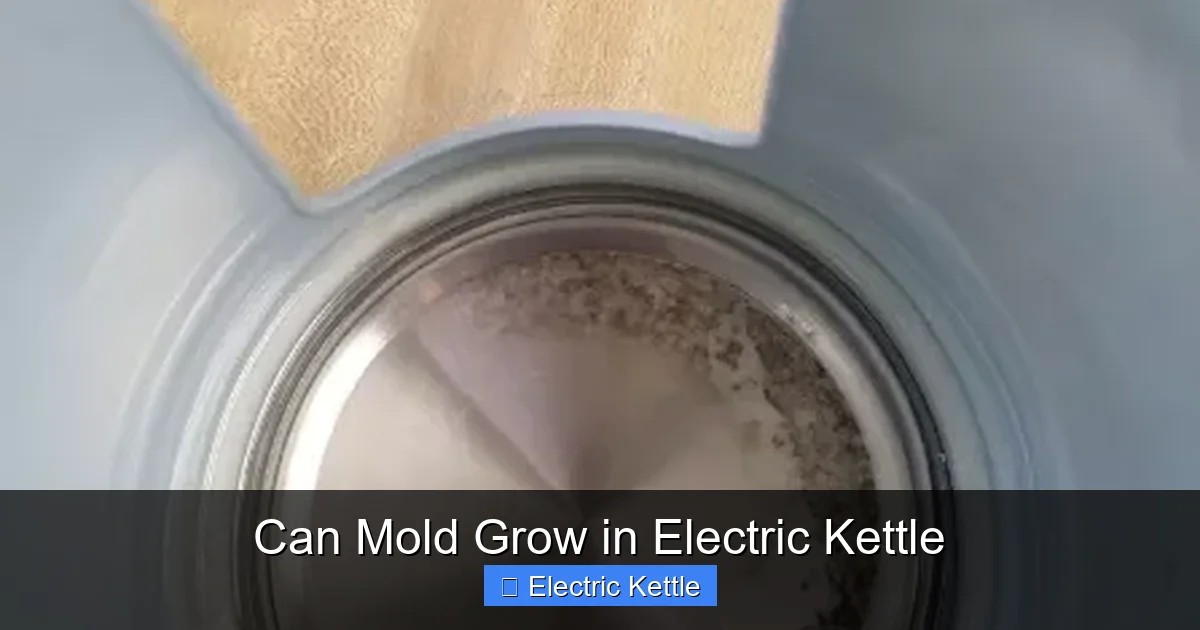
Visual guide about Can Mold Grow in Electric Kettle
Image source: irrorwxhiqijjr5q.ldycdn.com
Mold is a type of fungus that thrives in warm, damp, and dark environments. Electric kettles—especially when used daily—can unintentionally provide all three. Let’s break down why mold finds your kettle so inviting.
Moisture and Residual Water
After boiling, most people empty the kettle and leave it to sit. But even a few drops of leftover water can create a humid microclimate inside the kettle. The sealed lid traps this moisture, preventing evaporation. Overnight, or over several days, this stagnant water becomes a breeding ground for mold and mildew.
For example, if you boil water in the morning and don’t use the kettle again until the next day, the interior remains damp. Mold spores—naturally present in the air—can settle on the wet surfaces and begin to grow, especially in corners or under the lid.
Warmth and Insulation
Electric kettles are built to retain heat. Many models have insulated walls or keep the base warm even after turning off. This residual warmth, combined with moisture, mimics the humid conditions mold loves. Even when the kettle is off, the interior can stay warm enough to support microbial growth—particularly in tropical or humid climates.
Mineral Buildup and Limescale
If you live in an area with hard water, you’ve probably seen white, chalky deposits inside your kettle. This is limescale—a buildup of calcium and magnesium minerals. While limescale itself isn’t mold, it creates a rough, porous surface that traps moisture and organic matter. Mold spores can cling to these deposits, using them as a foothold to grow.
Over time, limescale can also clog the spout or interfere with the heating element, making it harder to clean thoroughly. The more scale you have, the greater the risk of mold taking hold.
Poor Ventilation and Sealed Design
Modern electric kettles often have tight-fitting lids to prevent spills and retain heat. While this is great for efficiency, it limits airflow. Without proper ventilation, moisture can’t escape, creating a sealed, humid environment perfect for mold.
Additionally, the narrow opening of many kettles makes it difficult to reach inside with a brush or cloth. This means areas like the spout, lid hinge, and base often go uncleaned—allowing mold to grow unnoticed.
Infrequent Cleaning Habits
Many people clean their kettles only when they notice a problem—like a bad taste or smell. But by then, mold may already be established. Regular maintenance is key. If you only descale your kettle every few months (or less), you’re giving mold plenty of time to develop.
Think of your kettle like a coffee maker or humidifier—appliances that use water and heat regularly. They all require routine cleaning to stay mold-free. The same applies to your electric kettle.
Common Signs of Mold in Your Electric Kettle
Mold in an electric kettle isn’t always obvious. It can grow in hidden spots, so you might not see it right away. But there are several warning signs to watch for.
Unusual Odors
One of the first clues is a musty or earthy smell when you turn on the kettle. This odor comes from mold spores releasing volatile organic compounds (VOCs) as they grow. Even if you don’t see mold, a persistent smell—especially when the kettle heats up—is a red flag.
For instance, if your tea or coffee suddenly tastes “off” or smells like damp basement, the issue might not be the drink itself, but the kettle.
Visible Discoloration or Slime
Look inside the kettle, especially around the spout, lid, and heating element. Mold often appears as black, green, or gray spots. It may look fuzzy, slimy, or powdery. In severe cases, you might see a film coating the interior walls.
Pay special attention to the area under the lid and around the seal. These spots collect condensation and are often overlooked during cleaning.
Floating Particles in Water
If you notice tiny dark specks floating in your boiled water, they could be mold spores. While boiling kills active mold, dead spores can still be present. Drinking water with mold spores—even dead ones—can cause allergic reactions or respiratory issues in sensitive individuals.
Increased Limescale with Dark Streaks
Sometimes, mold grows on top of limescale, creating dark streaks or patches within the white deposits. If your scale looks dirty or stained, it’s worth investigating further. Use a flashlight to peer into tight spaces.
Reduced Kettle Performance
Mold and scale buildup can affect how your kettle functions. You might notice longer boiling times, strange noises, or the heating element struggling to heat water evenly. While these issues can also stem from electrical problems, they’re often linked to residue buildup—including mold-friendly grime.
Health Risks of Mold in Electric Kettles
You might be thinking, “It’s just a little mold—how bad can it be?” But even small amounts of mold in your kettle can pose health risks, especially with repeated exposure.
Respiratory Issues
Inhaling mold spores—especially when steam is released during boiling—can irritate the lungs and airways. People with asthma, allergies, or weakened immune systems are particularly vulnerable. Symptoms may include coughing, wheezing, shortness of breath, or nasal congestion.
For example, if you boil water every morning and inhale the steam, you could be breathing in mold spores daily without realizing it.
Digestive Problems
Drinking water contaminated with mold spores can lead to stomach upset, nausea, or diarrhea. While boiling kills most pathogens, it doesn’t remove spores or mycotoxins (toxic compounds produced by some molds). These can survive high temperatures and affect your digestive system.
Skin and Eye Irritation
Handling a moldy kettle—especially when cleaning it—can transfer spores to your hands. If you touch your face or eyes, you might experience irritation, redness, or itching.
Long-Term Exposure Risks
Chronic exposure to mold, even in small amounts, has been linked to more serious health issues, including chronic sinus infections, fatigue, and immune system suppression. While the risk from a single kettle is low, consistent exposure over time can add up.
The good news? Most of these risks are easily preventable with proper cleaning and maintenance.
How to Clean Mold from an Electric Kettle
If you’ve discovered mold in your kettle, don’t panic. With the right approach, you can remove it safely and restore your kettle to a clean, usable state.
Step 1: Empty and Rinse
Start by emptying any remaining water. Rinse the interior with warm water to remove loose debris. Do not use harsh chemicals or abrasive scrubbers yet—this can damage the kettle’s surface.
Step 2: Use Vinegar for Deep Cleaning
White vinegar is one of the best natural cleaners for mold and limescale. It’s acidic, non-toxic, and effective at breaking down organic matter.
Fill the kettle halfway with equal parts white vinegar and water. For example, use 1 cup vinegar and 1 cup water. Let it sit for at least 30 minutes—or overnight for heavy buildup.
Then, boil the solution. Let it cool slightly, then scrub the interior with a soft brush or sponge. Pay extra attention to the spout, lid, and heating element. Rinse thoroughly.
Step 3: Scrub with Baking Soda (Optional)
For stubborn mold or odors, make a paste with baking soda and water. Apply it to affected areas and gently scrub with a non-abrasive brush. Baking soda is mildly abrasive and helps lift mold and neutralize smells.
Step 4: Rinse and Dry Completely
After cleaning, rinse the kettle multiple times to remove all vinegar or baking soda residue. Fill it with clean water, boil it once, and discard the water. This ensures no cleaning agents remain.
Then, dry the kettle thoroughly with a clean cloth. Leave the lid open and let it air-dry completely before storing.
Step 5: Clean the Exterior and Base
Don’t forget the outside! Wipe down the exterior with a damp cloth and mild soap. Use a cotton swab to clean around the lid seal and spout. Avoid getting water into the electrical base.
When to Replace Your Kettle
If mold has deeply penetrated porous surfaces or the heating element is corroded, it may be safer to replace the kettle. Persistent odors or discoloration after thorough cleaning are signs that mold may have caused permanent damage.
How to Prevent Mold Growth in Your Electric Kettle
Prevention is always better than cure. With a few simple habits, you can keep your kettle mold-free for years.
Empty and Dry After Each Use
Never leave water sitting in your kettle. After boiling, pour out any unused water and wipe the interior with a dry cloth. Leaving the lid open allows airflow and speeds up drying.
Clean Weekly with Vinegar
Even if you don’t see mold, descale your kettle with vinegar once a week. This prevents limescale buildup and kills any early mold spores. For hard water areas, increase frequency to twice a week.
Use a Water Filter
Filtered water reduces mineral content, which means less limescale and fewer surfaces for mold to grow. Consider using a pitcher filter or installing a faucet filter.
Store with the Lid Open
When not in use, keep the kettle with the lid off or slightly ajar. This promotes airflow and prevents moisture from getting trapped inside.
Inspect Regularly
Make it a habit to look inside your kettle every few days. Check the spout, lid, and base for signs of mold, scale, or slime. Early detection makes cleaning much easier.
Replace Old or Damaged Kettles
Over time, kettles can develop cracks, worn seals, or corroded elements—all of which increase mold risk. If your kettle is more than 5 years old or shows signs of wear, consider replacing it with a newer, easier-to-clean model.
Best Practices for Long-Term Kettle Care
Taking care of your electric kettle isn’t just about preventing mold—it’s about ensuring safety, efficiency, and longevity.
Choose the Right Kettle
When buying a new kettle, look for models with wide openings, removable lids, and easy-to-clean interiors. Glass or stainless steel kettles are often easier to maintain than plastic ones, which can absorb odors and stains.
Follow Manufacturer Instructions
Always read the user manual. Some kettles have specific cleaning guidelines or warnings about certain cleaners. For example, avoid using bleach or steel wool, which can damage surfaces.
Use Distilled Water Occasionally
If you have hard water, consider using distilled water once a week to reduce mineral buildup. This is especially helpful for kettles with exposed heating elements.
Keep It in a Dry Place
Store your kettle in a cool, dry area away from sinks or humid environments. Avoid placing it under cabinets where moisture can accumulate.
Teach Good Habits to the Whole Family
If multiple people use the kettle, make sure everyone knows to empty and dry it after use. A simple reminder note on the counter can help build consistency.
Conclusion
So, can mold grow in an electric kettle? Absolutely. But with awareness and routine care, it’s entirely preventable. Mold thrives in the hidden, damp corners of your kettle—but you have the power to stop it.
By understanding the causes, recognizing the signs, and adopting simple cleaning habits, you can keep your kettle safe, clean, and ready for your next cup of tea. Remember: a little effort goes a long way. Weekly vinegar rinses, thorough drying, and regular inspections can save you from the hassle—and health risks—of mold.
Your electric kettle is more than just a kitchen gadget. It’s part of your daily routine, helping you start your morning or unwind in the evening. Treat it well, and it will serve you reliably for years to come.
Don’t wait for a musty smell or strange taste to take action. Start today—empty that kettle, give it a good clean, and breathe easy knowing your water is pure, your appliance is safe, and your drinks are delicious.
Frequently Asked Questions
Can mold grow in an electric kettle even if I boil water every day?
Yes, mold can still grow. Boiling kills active mold, but spores can survive and reactivate when the kettle cools and moisture remains. Regular cleaning is essential.
Is it safe to drink water from a kettle with mold?
No, it’s not safe. Mold spores and mycotoxins can survive boiling and may cause allergic reactions or digestive issues. Clean the kettle thoroughly before use.
How often should I clean my electric kettle to prevent mold?
Clean your kettle with vinegar at least once a week. If you have hard water or use the kettle daily, clean it twice a week to prevent limescale and mold.
Can I use bleach to clean mold from my kettle?
No, avoid bleach. It can leave toxic residues and damage the kettle. Use white vinegar or baking soda instead—they’re safe, effective, and non-toxic.
Why does my kettle smell musty even after cleaning?
The smell may come from mold deep in the spout, lid seal, or heating element. Soak the kettle longer in vinegar and scrub hard-to-reach areas. If the smell persists, consider replacing the kettle.
Does leaving the lid open prevent mold?
Yes, leaving the lid open allows moisture to evaporate and prevents stagnant air. This simple habit significantly reduces the risk of mold growth.