
Boiling eggs in a rice cooker is not only possible but also surprisingly effective. With the right technique, you can achieve soft, medium, or hard-boiled eggs without heating up your stovetop. This method saves time, uses minimal effort, and works great for meal prep or quick breakfasts.
Key Takeaways
- Yes, you can boil eggs in a rice cooker – it’s a simple and efficient alternative to traditional boiling.
- It works best with older models – newer smart rice cookers may lack the consistent heat needed for perfect egg texture.
- Timing is everything – soft-boiled eggs take about 6-7 minutes, while hard-boiled ones need 10-12 minutes after water boils.
- Add vinegar to prevent cracking – this small trick helps keep your eggs intact during cooking.
- Cool eggs quickly for easy peeling – an ice bath stops the cooking process and makes shells slide off.
- You can cook multiple eggs at once – use an egg holder or spoon to keep them upright and safe from rolling.
- Cleanup is minimal – just rinse the inner pot and wipe the exterior; no messy stovetop residue.
📑 Table of Contents
- Can U Boil Eggs in Rice Cooker? The Ultimate Kitchen Hack Explained
- Why Use a Rice Cooker for Boiling Eggs?
- How to Boil Eggs in a Rice Cooker: Step-by-Step Guide
- Tips for Perfect Eggs Every Time
- Common Mistakes to Avoid
- Can You Make Other Things in a Rice Cooker Besides Rice?
- Comparing Rice Cooker vs. Stovetop Boiling
- Final Thoughts: Is It Worth It?
Can U Boil Eggs in Rice Cooker? The Ultimate Kitchen Hack Explained
Have you ever found yourself staring into your rice cooker, wondering if there’s more to it than just fluffy rice and hearty grains? You’re not alone. In fact, many home cooks have discovered a clever little trick: you can absolutely boil eggs in a rice cooker. It sounds too good to be true, but it’s real—and it works surprisingly well. Whether you’re meal prepping for the week, making a quick breakfast on a busy morning, or just want to try something new in the kitchen, this method is fast, easy, and requires almost no extra effort.
The idea might seem unconventional at first. After all, a rice cooker isn’t designed to handle eggs. But thanks to its ability to maintain consistent steam and heat, it creates the perfect environment for boiling eggs without any guesswork. No more overcooked yolks or rubbery whites—just tender, flavorful eggs every time. Plus, since you’re using the same appliance you already own, you save on energy and cleanup. In this guide, we’ll walk you through everything you need to know about boiling eggs in a rice cooker, from setup to serving, so you can start enjoying this convenient kitchen hack today.
Why Use a Rice Cooker for Boiling Eggs?
If you’re thinking, “But I can just boil eggs on the stove,” you’re right—but that doesn’t mean the rice cooker method isn’t worth trying. There are several advantages to using your rice cooker for eggs, especially if you value convenience and efficiency.
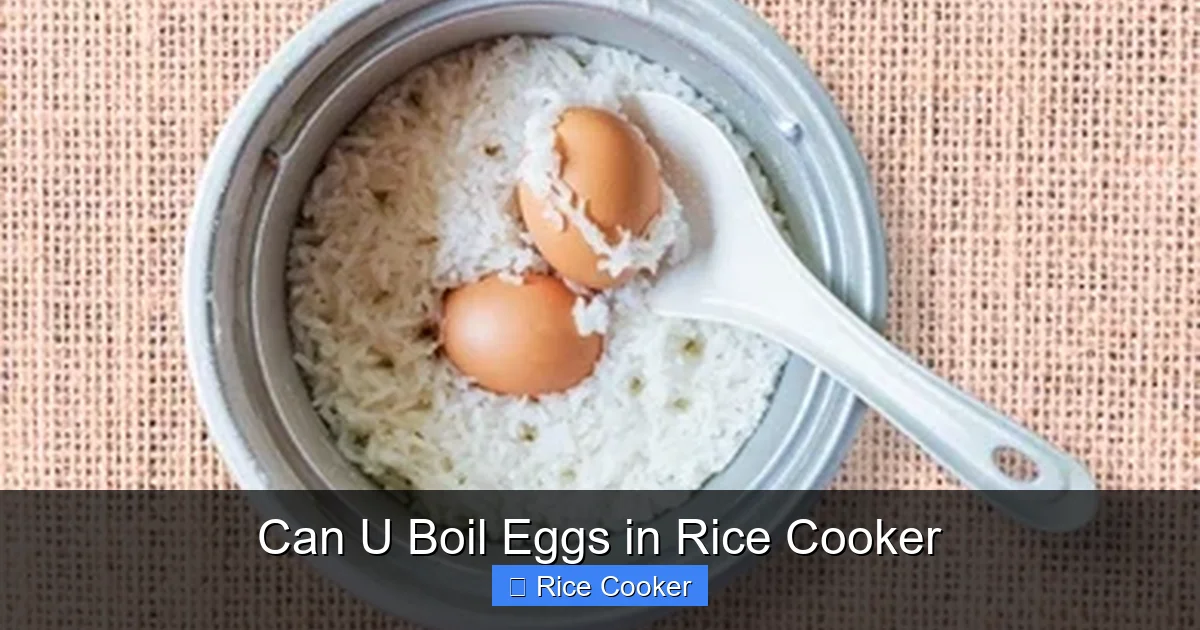
Visual guide about Can U Boil Eggs in Rice Cooker
Image source: shutterstock.com
First, it eliminates the need for constant monitoring. On the stove, you have to watch the water, stir occasionally, and hope the eggs don’t roll around or crack. With a rice cooker, you simply add water, place the eggs in, press “cook,” and walk away. The appliance does the rest. Second, the even heat distribution ensures consistent results. Unlike a pot that might have hot spots near the burner, the rice cooker heats water uniformly, which helps prevent some eggs from being overdone while others remain undercooked.
Another benefit is energy savings. Rice cookers use less power than stovetops, especially electric burners, and they retain heat well once the cycle starts. For someone who boils eggs regularly—whether for snacks, salads, or breakfast—this adds up over time. And let’s not forget cleanup is a breeze. Just pop out the inner pot, rinse it, and wipe down the outside. No scrubbing burnt-on egg residue from a heavy-bottomed pot required.
When Not to Use a Rice Cooker
While the rice cooker method is great for most people, there are a few situations where you might want to stick with the stovetop:
- Large quantities of eggs: If you’re boiling dozens of eggs for a big event, a stockpot is more practical.
- High-end smart rice cookers: Some modern models automatically switch to “warm” mode before the water fully boils, which can affect timing.
- Very old or damaged rice cookers: If your appliance doesn’t get hot enough or has inconsistent performance, it may not work reliably.
For everyday use—like boiling 4 to 8 eggs—your rice cooker is likely perfect. Just make sure it has a sturdy inner pot and can reach full boiling temperature before switching to warm.
How to Boil Eggs in a Rice Cooker: Step-by-Step Guide
Ready to give it a try? Here’s a foolproof method to boil eggs in your rice cooker, whether you prefer soft, medium, or hard-boiled eggs.
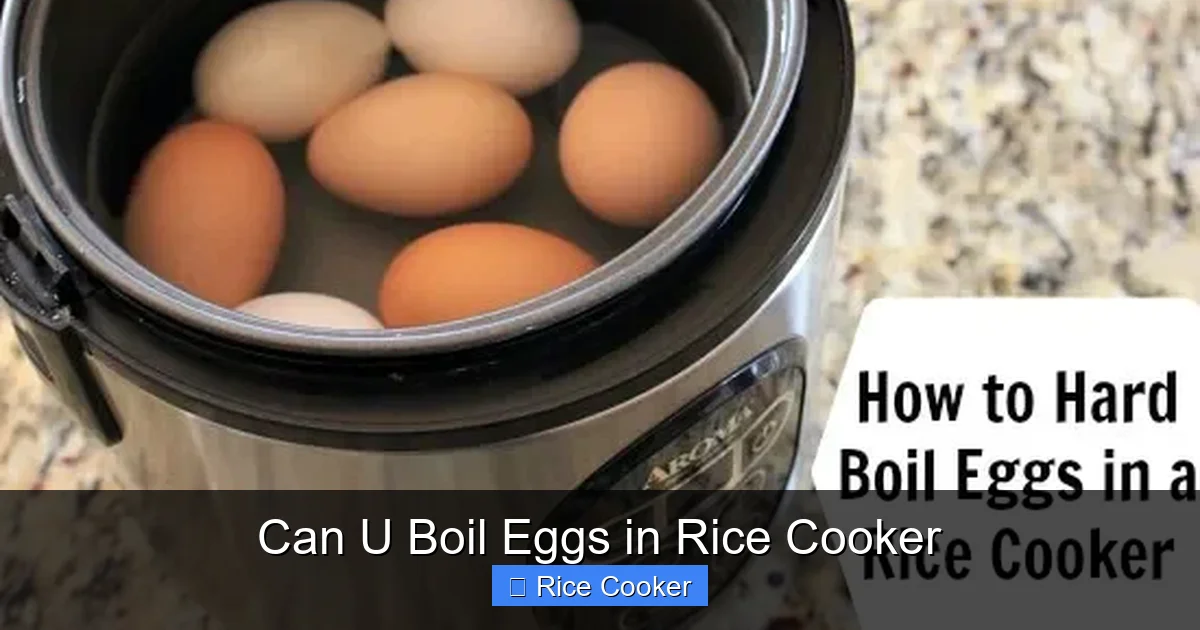
Visual guide about Can U Boil Eggs in Rice Cooker
Image source: i0.wp.com
Gather Your Supplies
Before you begin, make sure you have:
- A rice cooker with a removable inner pot (preferably non-stick)
- Fresh eggs (ideally 7–14 days old for easier peeling)
- Water
- A bowl of ice water (for cooling)
- Optional: white vinegar (1–2 tablespoons per quart of water)
- An egg holder or slotted spoon (to keep eggs stable)
Prepare the Rice Cooker
Start by placing the inner pot into the rice cooker. Add cold water until it reaches about halfway up the side of the pot—roughly 1 to 1.5 inches deep. If you’re using an egg holder, place it in the bottom of the pot now. Otherwise, you’ll need to gently lower each egg into the water using a spoon.
Add 1 tablespoon of white vinegar per quart of water. This acidic solution helps strengthen the eggshell membrane, reducing the chance of cracking and making peeling easier later.
Place the Eggs Carefully
Crack each egg gently onto a flat surface (not directly into the water), then slide it into the rice cooker using a spoon or tongs. Avoid dropping them straight down to prevent breakage. Space them out so they aren’t touching—this ensures even heat transfer.
If your rice cooker came with an egg tray or holder, use it. If not, a bamboo steamer basket or even a small colander can help keep eggs elevated and prevent rolling.
Cook the Eggs
Plug in your rice cooker and turn it on. Most models will automatically start heating once powered. Wait until the water comes to a full rolling boil—this usually takes 8 to 12 minutes depending on how much water you used and the wattage of your machine.
Once boiling begins, reduce the heat slightly (if possible) or let the rice cooker do its job. Let the eggs cook for:
- Soft-boiled (runny yolk): 6–7 minutes after boiling
- Medium-boiled (slightly firm yolk): 8–9 minutes after boiling
- Hard-boiled (fully set yolk): 10–12 minutes after boiling
Pro tip: For extra precision, use a timer and note when the water first reaches a full boil.
Cool Down Quickly
As soon as the cooking time is up, immediately remove the eggs with a slotted spoon and transfer them to a bowl of ice water. Let them sit for at least 5–10 minutes. This rapid cooling stops the cooking process and loosens the shells, making them much easier to peel.
Peel and Serve
After cooling, gently tap each egg on a hard surface and roll it to crack the shell. Start peeling from the wider end (where the air pocket is) and rinse under cool water as you go—this helps wash away tiny bits of shell and improves the peel.
Now enjoy your perfectly cooked eggs! They’re great sliced on toast, chopped in salads, or eaten plain with a sprinkle of salt and pepper.
Tips for Perfect Eggs Every Time
Even though boiling eggs in a rice cooker is straightforward, small adjustments can make a big difference in quality and ease. Here are some expert tips to ensure success:
Use Older Eggs for Easier Peeling
Eggs that are 7 to 14 days old tend to peel better because the pH inside shifts slightly, weakening the membrane between the shell and the egg. Fresh eggs (less than a week old) often stick more stubbornly to their shells.
Don’t Overcrowd the Pot
Too many eggs in one pot can lead to uneven cooking. Stick to no more than 6–8 eggs at once in a standard 6-cup rice cooker. If you need more, consider doing two batches.
Check Your Water Level
The water should cover the eggs by about an inch. Too little water means the bottom eggs won’t cook evenly; too much can waste energy and extend cooking time.
Let the Rice Cooker Come to Full Boil First
Some rice cookers enter a “keep warm” phase before reaching full boil, which can delay egg cooking. To avoid this, preheat the rice cooker with just enough water to cover the base (no eggs yet), bring it to a boil, then add your eggs and continue cooking.
Experiment with Cooking Times
Personal preference plays a role. Try different durations to find what suits your taste. Keep notes so you can replicate your favorite result next time.
Store Leftovers Properly
Peeled hard-boiled eggs can be stored in the refrigerator for up to one week. Unpeeled eggs last longer and stay fresher. Store them in a sealed container with a paper towel to absorb moisture.
Common Mistakes to Avoid
Like any cooking technique, there are pitfalls to watch out for when boiling eggs in a rice cooker. Avoid these common errors to get consistent results:
- Not letting the water fully boil before adding eggs – this leads to longer cooking times and potentially uneven doneness.
- Using cracked eggs – even small cracks allow water to seep in, creating a slimy texture and risk of contamination.
- Skipping the ice bath – without immediate cooling, residual heat continues cooking the eggs, leading to overdone yolks.
- Overfilling the pot – too many eggs block airflow and heat transfer, causing some to cook poorly.
- Rushing the peel – peeling warm eggs is harder. Always cool them first.
Can You Make Other Things in a Rice Cooker Besides Rice?
This question pops up often—and the answer is yes! A rice cooker is incredibly versatile. While rice is its namesake, many creative cooks use it for soups, stews, steamed vegetables, custards, even desserts like puddings and cakes. And now, thanks to this handy egg-boiling trick, you’ve added another useful function to your appliance.
In fact, the same principles apply to other foods: add water or broth, set the timer, and let the machine do the work. Just remember to adjust liquid levels and cooking times accordingly. For example, steaming broccoli takes only 5 minutes, while simmering chicken soup may require 45–60 minutes on high.
So if you’re looking to maximize your kitchen gadget’s potential, think beyond grains. Your rice cooker can become a multi-functional wonder tool—especially during busy weekdays when you want nutritious meals with minimal hands-on time.
Fun Ideas Beyond Eggs
- Sushi rice: Follow your recipe, but skip the soaking step—rice cookers handle dry-rice cooking well.
- Mushroom risotto: Add Arborio rice, broth gradually, and stir occasionally until creamy.
- Oatmeal or porridge: Cook rolled oats with milk or water for a hot breakfast.
- Pasta: Some adventurous users report success with “one-pot pasta,” though stirring is recommended halfway through.
- Dumplings or buns: Place them in the steamer insert and cook for 10–15 minutes.
Each method requires slight tweaks, but experimentation opens up endless possibilities.
Comparing Rice Cooker vs. Stovetop Boiling
To help you decide which method is best for your needs, here’s a quick comparison:
| Feature | Rice Cooker Method | Stovetop Method |
|---|---|---|
| Ease of Use | Low effort—set and forget | Requires attention during boiling |
| Energy Efficiency | High (uses ~300–600 watts) | Variable (electric stove uses 1000+ watts) |
| Consistency | Very consistent heat | Hot spots may cause uneven cooking |
| Batch Size | Limited by pot size (usually 6–8 eggs) | Unlimited (use large pot) |
| Cleanup | Easy—just rinse pot | May require scrubbing stuck-on residue |
| Best For | Small batches, daily use, beginners | Large quantities, professional kitchens |
Ultimately, both methods yield delicious eggs. Choose based on context: if you’re making 2–4 eggs for dinner tonight, the rice cooker wins. If you’re feeding a crowd, the stovetop is more practical.
Final Thoughts: Is It Worth It?
So, can u boil eggs in rice cooker? Absolutely. It’s a simple, effective, and energy-efficient way to prepare eggs without extra hassle. Whether you’re a college student, a busy parent, or someone who loves kitchen hacks, this trick fits into any lifestyle. You don’t need special equipment—just your existing rice cooker and a few minutes of time.
And the best part? Once you try it once, you’ll probably never go back to watching the stove again. From soft-boiled perfection to hard-cooked convenience, your rice cooker becomes a reliable partner in the kitchen. Plus, learning this skill opens the door to even more creative uses for your appliance.
Next time you open your rice cooker to make quinoa or jasmine rice, consider tossing in a few eggs too. You might be surprised at how well they turn out—and how much easier your mornings become.
Frequently Asked Questions
Can you really boil eggs in a rice cooker?
Yes, you can definitely boil eggs in a rice cooker. It’s a simple method that yields perfectly cooked eggs with minimal effort. Just add water, place eggs in, and let the machine do the work.
What type of rice cooker works best for boiling eggs?
Older, basic rice cookers work best because they maintain consistent heat and reach full boiling quickly. Avoid smart models that may switch to “warm” mode prematurely.
How long does it take to boil eggs in a rice cooker?
After the water reaches a full boil, cook soft-boiled eggs for 6–7 minutes, medium for 8–9 minutes, and hard-boiled eggs for 10–12 minutes.
Do I need to add anything to the water?
Adding 1 tablespoon of white vinegar per quart of water helps prevent cracking and makes peeling easier. It’s optional but highly recommended.
Are eggs cooked in a rice cooker as good as stove-boil eggs?
Yes, when done correctly, eggs boiled in a rice cooker are just as tasty and have the same texture as those boiled on the stove. Many people prefer the convenience and consistency.
Can I cook more than one egg at a time?
Yes, you can boil up to 6–8 eggs in a standard rice cooker. Use an egg holder or spoon to keep them upright and prevent rolling.