Boiling potatoes in an electric kettle is technically possible, but it comes with serious safety and performance concerns. While some people use this method for quick cooking, it can damage your kettle, void warranties, and even pose fire or electrical hazards. This guide breaks down when it might work, why it’s often a bad idea, and safer alternatives.
Have you ever been in a pinch—maybe you’re traveling, living in a dorm, or just don’t feel like pulling out a pot—and wondered, *Can we boil potato in electric kettle?* It’s a surprisingly common question, especially among students, campers, and minimalist cooks who rely heavily on their trusty electric kettles. After all, if it boils water, why not potatoes? They’re just… wet vegetables, right?
Well, not exactly. While the idea seems logical at first glance—electric kettles heat liquids quickly and efficiently—the reality is more complicated. Most electric kettles are engineered specifically for boiling water, not cooking solid foods. That means introducing starchy, chunky ingredients like potatoes can lead to a range of issues, from minor messes to serious safety risks. Still, some people swear by this hack, claiming it’s a lifesaver when you’re short on time or kitchen tools. So where does the truth lie? Is it a clever kitchen shortcut or a recipe for disaster?
In this detailed guide, we’ll explore everything you need to know about boiling potatoes in an electric kettle. We’ll look at how it works (or doesn’t), the potential dangers, cleaning challenges, and whether any kettles are actually suited for this task. We’ll also offer practical tips if you decide to experiment—and better alternatives if you’d rather play it safe. By the end, you’ll have a clear answer to that burning question: *Can we boil potato in electric kettle?* Spoiler: The short answer is yes… but you probably shouldn’t.
Key Takeaways
- It’s possible but risky: You can boil small potato pieces in an electric kettle, but it may damage the heating element or internal components over time.
- Not all kettles are designed for food: Most electric kettles are built for water only—adding starchy foods like potatoes can clog filters and leave stubborn residue.
- Safety hazards exist: Overheating, electrical shorts, or steam buildup can occur if food particles interfere with sensors or seals.
- Warranty voidance is common: Using your kettle for anything other than water typically voids the manufacturer’s warranty.
- Cleaning becomes harder: Potato starch and skin fragments are tough to remove and can lead to odors, mold, or reduced performance.
- Safer alternatives are better: A pot on the stove, microwave, or Instant Pot offers faster, safer, and more efficient potato boiling.
- If you must try it, do so cautiously: Use only small, peeled cubes; never fill past the max line; and clean thoroughly afterward.
📑 Table of Contents
- How Electric Kettles Work—And Why Potatoes Complicate Things
- Safety Risks of Boiling Potatoes in an Electric Kettle
- Can Any Electric Kettles Safely Boil Potatoes?
- Practical Tips If You Decide to Try It
- Safer and Better Alternatives to Boiling Potatoes
- Cleaning and Maintenance After Attempting the Hack
- Final Verdict: Should You Boil Potatoes in an Electric Kettle?
How Electric Kettles Work—And Why Potatoes Complicate Things
To understand why boiling potatoes in an electric kettle is controversial, it helps to know how these appliances function. Most modern electric kettles use a concealed heating element submerged in water. When you flip the switch, electricity flows through this element, rapidly heating the water until it reaches boiling point (usually around 212°F or 100°C). A thermostat then shuts off the power automatically once the water boils, preventing overheating.
This system is optimized for one thing: heating pure water quickly and safely. Water has consistent thermal properties—it heats evenly, doesn’t leave residue, and won’t interfere with electrical components. Potatoes, on the other hand, are dense, starchy, and full of impurities. When you drop potato chunks into a kettle, several things happen that disrupt this delicate balance.
First, potatoes take longer to cook than water takes to boil. While water might reach boiling in 3–5 minutes, diced potatoes need 10–15 minutes of simmering to become tender. During this extended heating time, the kettle’s thermostat may cycle on and off repeatedly, causing uneven cooking and potential overheating. Second, potato starch leaches into the water, creating a cloudy, viscous liquid that can coat the heating element and interior surfaces. This starch buildup insulates the element, reducing heating efficiency and potentially causing it to overheat.
Moreover, many kettles have built-in filters or mesh screens near the spout to catch limescale or debris. Potato skins, fibers, and starch can easily clog these filters, leading to poor water flow, splattering, or even steam blockages. In extreme cases, trapped steam with no release valve can cause pressure buildup—a rare but serious hazard.
Safety Risks of Boiling Potatoes in an Electric Kettle
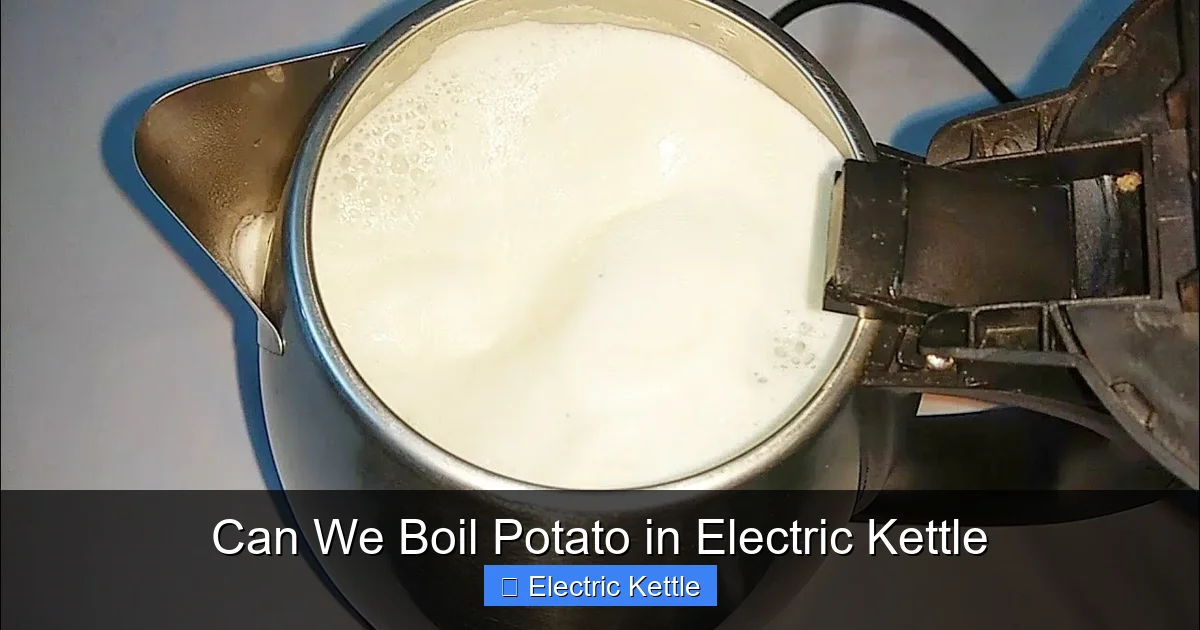
Visual guide about Can We Boil Potato in Electric Kettle
Image source: i.ytimg.com
Let’s be blunt: using your electric kettle to cook food introduces real safety concerns. While it might seem harmless—after all, you’re just adding veggies—the combination of electricity, heat, and organic matter can create dangerous situations.
One major risk is electrical malfunction. Most kettles rely on precise temperature sensors and automatic shut-off mechanisms to prevent dry boiling or overheating. When potato particles stick to these sensors, they can give false readings, causing the kettle to keep heating long after the water has boiled away. This “dry burn” scenario can damage the heating element, melt internal plastic parts, or—in worst-case scenarios—start a fire.
Another concern is steam management. Electric kettles are designed to vent steam safely through the spout or lid opening. But if potato chunks block the spout or if starchy foam builds up (yes, potatoes can foam when boiled!), steam may have nowhere to go. This can lead to sudden bursts of hot steam, scalding injuries, or even minor explosions in sealed models.
There’s also the issue of material compatibility. Many kettles have interiors made of stainless steel, glass, or BPA-free plastic. While these materials are food-safe for water, prolonged exposure to starchy, acidic, or fibrous foods can degrade seals, corrode metal, or leach chemicals—especially if the kettle isn’t cleaned properly afterward.
Finally, consider the fire hazard. If your kettle has a cord or base that gets wet from splashing starchy water, or if food debris accumulates near electrical contacts, you risk short circuits or electrical arcing. These aren’t common, but they’re not impossible—especially with older or low-quality kettles.
Can Any Electric Kettles Safely Boil Potatoes?
You might be wondering: *Are there any electric kettles designed to handle food?* The short answer is yes—but they’re rare and usually marketed as multi-cookers or food steamers, not standard kettles.
Some high-end models, particularly those from brands like Breville or Cuisinart, offer “food-safe” modes or removable cooking baskets that allow you to steam vegetables, eggs, or even small portions of rice. These appliances often have reinforced interiors, stronger heating elements, and better ventilation systems to handle food particles. However, even these are typically intended for steaming—not submerging solid foods directly into the boiling chamber.
For example, a kettle with a built-in steamer basket lets you place potato slices above the water level, where steam cooks them gently without contaminating the heating element. This is a much safer approach than dropping chunks directly into the water. But if your kettle lacks such features—and most don’t—you’re essentially modifying it for a purpose it wasn’t designed for.
It’s also worth noting that even “food-safe” kettles usually warn against boiling starchy or sugary liquids (like milk or oatmeal) because of residue buildup. Potatoes fall squarely into this category. So unless your user manual explicitly says you can cook solid foods inside the main chamber, assume it’s not safe.
Practical Tips If You Decide to Try It
Let’s say you’re still curious—or you’re in a true emergency with no other cooking options. If you decide to boil potatoes in your electric kettle, proceed with extreme caution. Here are some practical tips to minimize risks:
1. Use only small, peeled cubes. Cut your potatoes into ½-inch pieces and peel them thoroughly. Smaller pieces cook faster and are less likely to block the spout or sink the heating element. Peeling removes dirt, pesticides, and fibrous skins that can clog filters.
2. Don’t overfill. Never exceed the maximum water line. Potatoes displace water, so if you fill the kettle to the top and add potatoes, it can overflow when boiling—leading to electrical hazards or burns.
3. Monitor constantly. Stay nearby the entire time. Don’t walk away. Watch for foaming, splashing, or unusual noises. If the kettle starts making sputtering sounds or steam jets out violently, turn it off immediately.
4. Use a timer. Set a kitchen timer for 10–12 minutes. Most potato cubes will be tender by then. Overcooking increases starch leakage and residue.
5. Cool before cleaning. Let the kettle cool completely before attempting to clean it. Hot starchy water can cause burns, and sudden temperature changes may crack glass kettles.
6. Clean immediately and thoroughly. Rinse the interior with warm water as soon as possible. Use a soft brush or sponge to scrub away any starch film. For stubborn residue, soak with vinegar and water (1:1 ratio) for 30 minutes, then rinse. Never use abrasive cleaners or steel wool—they can scratch surfaces and trap bacteria.
Remember: even if your kettle survives one attempt, repeated use for food will likely shorten its lifespan and void your warranty.
Safer and Better Alternatives to Boiling Potatoes
Before you risk your kettle, consider these far superior methods for boiling potatoes—all of which are faster, safer, and more effective.
Stovetop Pot: The classic method. Fill a pot with water, add salt, bring to a boil, then add potato chunks. Cover and simmer for 10–15 minutes. It’s reliable, easy to monitor, and cleanup is simple.
Microwave: Perfect for small batches. Place diced potatoes in a microwave-safe bowl, add a tablespoon of water, cover with a lid or plate, and microwave on high for 5–7 minutes, stirring halfway. Quick, energy-efficient, and no extra dishes.
Instant Pot or Pressure Cooker: Cuts cooking time in half. Add 1 cup of water and potatoes, seal the lid, and pressure cook for 8–10 minutes. Natural release for 5 minutes, then quick release. Tender, fluffy, and hands-off.
Air Fryer (for parboiling): While not for full boiling, you can parboil potatoes in the microwave or on the stove, then finish them in an air fryer for crispy results—great for roasted potatoes or fries.
Electric Steamer or Rice Cooker: Many rice cookers have a steaming tray. Add water to the base, place potatoes in the tray, and steam for 15–20 minutes. Gentle, consistent heat without submersion.
These alternatives not only protect your kettle but also give you better control over texture, seasoning, and cooking time. Plus, they’re designed for food—so you won’t spend hours scrubbing starch off your appliance afterward.
Cleaning and Maintenance After Attempting the Hack
If you’ve already tried boiling potatoes in your kettle, don’t panic—but do act quickly. Starchy residue left to dry can harden like glue, making future cleaning nearly impossible and promoting bacterial growth.
Start by emptying the kettle and rinsing it with warm water. Swirl the water around to loosen any floating particles, then pour it out. Repeat until the water runs clear.
For stubborn film or discoloration, create a cleaning solution of equal parts white vinegar and water. Fill the kettle halfway, boil it (yes, just water and vinegar this time), let it sit for 20–30 minutes, then rinse thoroughly. Vinegar dissolves mineral deposits and breaks down starch without harsh chemicals.
Avoid using bleach or ammonia-based cleaners—they can react with metal or plastic and leave toxic residues. Also, never submerge the base or cord in water. Wipe the exterior with a damp cloth only.
Once clean, run two cycles of plain water through the kettle to ensure all vinegar taste is gone. Then, dry the interior with a soft cloth or let it air-dry with the lid open.
Going forward, stick to water-only use. Your kettle will last longer, perform better, and stay safer.
Final Verdict: Should You Boil Potatoes in an Electric Kettle?
So, can we boil potato in electric kettle? Technically, yes—but practically, it’s a bad idea. While it might work in a pinch with small, well-prepared potato pieces, the risks far outweigh the convenience. You risk damaging your appliance, voiding your warranty, creating fire or electrical hazards, and dealing with a nightmare cleanup.
Electric kettles are marvels of modern convenience—but they’re not multi-cookers. They’re designed for one job: boiling water quickly and safely. Introducing solid foods disrupts that design and introduces unnecessary complications.
If you’re in a situation where you have no other cooking tools—say, you’re camping or in a hotel room—consider safer workarounds. Bring pre-cooked potatoes, use a portable electric steamer, or opt for no-cook meals. Your kettle (and your safety) will thank you.
In the end, the best way to boil potatoes is still the old-fashioned way: with a pot, some water, and a little patience. It’s faster, cleaner, and far less likely to end with a smoking kettle and a call to customer service.
Frequently Asked Questions
Can I boil whole potatoes in an electric kettle?
No, boiling whole potatoes in an electric kettle is not recommended. Whole potatoes are too large, take too long to cook, and can block the spout or sink the heating element, leading to safety hazards and appliance damage.
Will boiling potatoes void my kettle’s warranty?
Yes, most manufacturers explicitly state that using the kettle for anything other than water voids the warranty. Cooking food—especially starchy items like potatoes—is considered misuse and won’t be covered under repair or replacement policies.
What happens if potato starch builds up in my kettle?
Starch buildup can insulate the heating element, reduce heating efficiency, cause overheating, and lead to unpleasant odors or mold. It’s also difficult to remove and may permanently damage the interior surfaces.
Are there any electric kettles made for cooking food?
A few high-end models include steamer baskets or food-safe modes, but these are designed for steaming—not submerging food in boiling water. Even then, boiling potatoes directly in the chamber is not advised.
How do I clean my kettle after boiling potatoes?
Rinse immediately with warm water, then soak with a vinegar-water solution (1:1) for 30 minutes. Scrub gently with a soft brush, rinse thoroughly, and run two cycles of plain water to remove any residue or taste.
Is it safe to boil other vegetables in an electric kettle?
Generally, no. Most vegetables release starches, fibers, or juices that can clog filters, damage components, or create safety risks. Stick to water-only use unless your kettle specifically supports food cooking.