Yes, you can boil vegetables in an electric kettle—but with important caveats. While it’s possible and convenient for small batches, not all kettles or veggies are suitable. Learn how to do it safely, which vegetables work best, and why this method might just become your new kitchen hack.
Key Takeaways
- Yes, you can boil vegetables in an electric kettle, but only if the kettle is designed for it or you use caution to avoid damage and safety risks.
- Not all electric kettles are suitable—models with exposed heating elements or non-stick coatings may be damaged or release harmful substances when used for cooking.
- Small, quick-cooking vegetables like green beans, broccoli florets, and baby carrots work best due to limited water volume and heating time.
- Always clean your kettle thoroughly after boiling vegetables to prevent residue buildup, odors, and bacterial growth.
- Use this method for convenience, not daily cooking—it’s ideal for travel, dorm rooms, or quick snacks, but not a replacement for proper stovetop or steaming methods.
- Never add oil, salt, or seasonings directly into the kettle unless it’s specifically rated for cooking—this can damage the interior and affect taste.
- Monitor closely to avoid overboiling, which can lead to mushy veggies or boiled-over water that may damage the kettle’s electrical components.
📑 Table of Contents
- Can We Boil Vegetables in Electric Kettle? The Truth Revealed
- Understanding How Electric Kettles Work
- Is It Safe to Boil Vegetables in an Electric Kettle?
- Best Vegetables to Boil in an Electric Kettle
- Step-by-Step Guide: How to Boil Vegetables in an Electric Kettle
- Cleaning and Maintenance After Use
- Pros and Cons of Boiling Vegetables in an Electric Kettle
- Alternatives to Boiling Vegetables in an Electric Kettle
- Final Thoughts: Should You Boil Vegetables in an Electric Kettle?
Can We Boil Vegetables in Electric Kettle? The Truth Revealed
Have you ever found yourself in a tiny dorm room, a hotel suite, or a minimalist kitchen with no stove in sight—yet you’re craving a warm, healthy side of boiled veggies? You glance at your trusty electric kettle and wonder: *Can we boil vegetables in an electric kettle?* It’s a question that’s crossed the minds of many modern cooks, especially those living in compact spaces or traveling frequently.
The short answer? Yes—you *can* boil vegetables in an electric kettle, but it’s not as simple as tossing in some carrots and hitting the boil button. While electric kettles are primarily designed for heating water, many people have successfully used them to cook small portions of vegetables. However, doing so requires understanding your kettle’s design, choosing the right veggies, and following safety precautions to avoid damaging your appliance or compromising your health.
In this comprehensive guide, we’ll explore whether boiling vegetables in an electric kettle is safe, practical, and worth trying. We’ll break down the types of kettles that work best, which vegetables are ideal, step-by-step instructions, cleaning tips, and even alternative methods if your kettle isn’t up to the task. Whether you’re a student, a frequent traveler, or just looking for a quick kitchen hack, this article will give you all the information you need to make an informed decision.
Understanding How Electric Kettles Work
Visual guide about Can We Boil Vegetables in Electric Kettle
Image source: media.sciencephoto.com
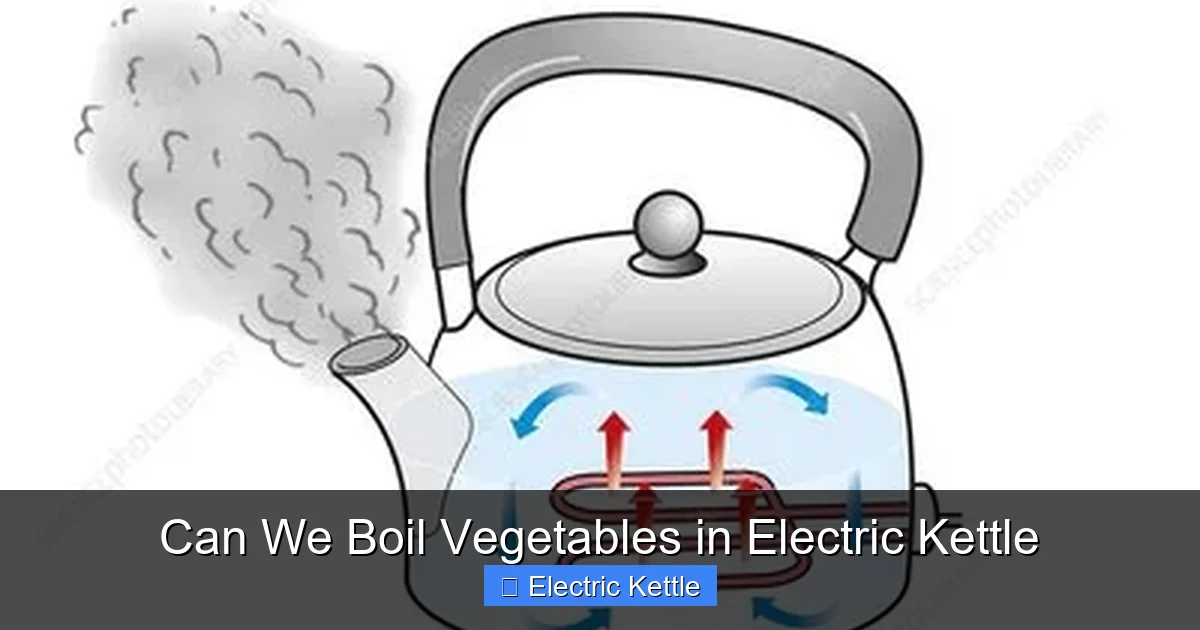
Before we dive into boiling vegetables, it’s important to understand how electric kettles function. Most electric kettles operate using a concealed or exposed heating element submerged in water. When you press the boil button, electricity flows through the element, heating the water rapidly—often in just a few minutes. The kettle automatically shuts off once the water reaches boiling point (around 212°F or 100°C at sea level), thanks to a built-in thermostat.
There are two main types of electric kettles:
Kettles with Concealed Heating Elements
These are the most common and safest for boiling vegetables. The heating coil is hidden beneath a stainless steel or glass base, so food doesn’t come into direct contact with the heating surface. This design reduces the risk of scorching or damaging the element and makes cleaning easier. Brands like Cuisinart, Breville, and Hamilton Beach often use this style.
Kettles with Exposed Heating Elements
These models have a visible coil at the bottom of the kettle. While they heat water efficiently, they’re generally not recommended for boiling vegetables. Food particles can get stuck in the coil, leading to burning, unpleasant odors, or even electrical issues. Additionally, some older or cheaper models may have non-stick coatings that can degrade when exposed to food residues.
Knowing your kettle type is the first step in deciding whether it’s safe to use for cooking vegetables. If you’re unsure, check the user manual or look for labels like “food-safe” or “suitable for cooking.”
Is It Safe to Boil Vegetables in an Electric Kettle?
Safety is the biggest concern when using an electric kettle for anything other than water. So, is it safe to boil vegetables in an electric kettle? The answer depends on several factors, including your kettle’s design, the type of vegetables, and how you clean it afterward.
Potential Risks
One major risk is damaging the kettle. Vegetables can leave behind starch, fiber, or mineral deposits that cling to the interior surfaces. Over time, this buildup can affect the kettle’s performance, cause unpleasant smells, or even lead to mold growth if not cleaned properly. In kettles with exposed heating elements, food particles can burn onto the coil, creating smoke or a burnt taste in future uses.
Another concern is contamination. If your kettle isn’t designed for food contact beyond water, residues from vegetables might interact with the interior materials—especially if they’re coated with non-stick substances like Teflon. While modern kettles are generally made from food-grade stainless steel or BPA-free plastic, repeated exposure to food particles can compromise these materials over time.
When It’s Safe
Boiling vegetables is safest in high-quality kettles with concealed heating elements and interiors made of stainless steel or heat-resistant glass. These materials are non-reactive and easy to clean. Additionally, if your kettle has a “cooking” or “multi-use” function—some newer models do—it’s likely designed to handle more than just water.
Always avoid adding oil, salt, or strong seasonings directly into the kettle unless the manufacturer explicitly allows it. These can corrode the interior or leave stubborn residues. Instead, season your vegetables after cooking.
Best Vegetables to Boil in an Electric Kettle
Not all vegetables are created equal when it comes to kettle boiling. Due to the limited water capacity (most kettles hold 1–1.7 liters) and short boiling time, you’ll want to choose veggies that cook quickly and don’t require long simmering.
Top Vegetables for Kettle Boiling
- Green beans: Trim the ends and cut into 2-inch pieces. They cook in 3–5 minutes and retain a nice crunch.
- Broccoli florets: Cut into small, bite-sized pieces. Boil for 4–6 minutes until tender but still vibrant green.
- Baby carrots: These small carrots cook evenly in 5–7 minutes. Avoid large, thick carrots—they won’t soften properly.
- Peas (fresh or frozen): Add frozen peas directly to boiling water. They’re ready in 2–3 minutes.
- Spinach or kale: These leafy greens wilt quickly. Add them in the last minute of boiling or steep them like tea.
- Asparagus tips: Use only the tender top portions. Boil for 3–4 minutes.
Vegetables to Avoid
Avoid starchy or dense vegetables like potatoes, sweet potatoes, or whole corn on the cob. These require longer cooking times and more water than most kettles can provide. Similarly, large chunks of cauliflower or Brussels sprouts may not cook evenly and can leave behind strong odors.
Step-by-Step Guide: How to Boil Vegetables in an Electric Kettle
Ready to give it a try? Follow these simple steps to safely boil vegetables in your electric kettle.
Step 1: Choose the Right Kettle and Vegetables
Make sure your kettle has a concealed heating element and is made of stainless steel or glass. Select small, quick-cooking vegetables like green beans or broccoli florets.
Step 2: Prepare the Vegetables
Wash and cut your vegetables into uniform, small pieces. This ensures even cooking. Remove any tough stems or ends.
Step 3: Add Water
Fill the kettle with enough water to cover the vegetables—usually about 1–1.5 liters, depending on the amount of veggies. Don’t overfill, as boiling water can spill over.
Step 4: Boil the Water
Turn on the kettle and let the water come to a full boil. Most kettles take 3–5 minutes.
Step 5: Add the Vegetables
Once the water is boiling, carefully add the vegetables. Use a spoon or tongs to avoid splashing. Close the lid if your kettle has one, but leave it slightly ajar to prevent pressure buildup.
Step 6: Cook for the Right Time
Let the vegetables boil for 3–7 minutes, depending on the type. Check doneness by piercing with a fork. They should be tender but not mushy.
Step 7: Drain and Serve
Carefully pour the contents into a colander to drain the water. Avoid pouring directly from the kettle spout, as hot water can splash. Season with salt, pepper, or a drizzle of olive oil after cooking.
Step 8: Clean the Kettle Immediately
Rinse the kettle thoroughly with warm water. Use a soft sponge to remove any food particles. For stubborn residues, soak with a mixture of water and white vinegar (1:1 ratio) for 15 minutes, then rinse.
Cleaning and Maintenance After Use
Proper cleaning is crucial when using your electric kettle for vegetables. Residue from starchy or fibrous veggies can build up over time, leading to odors, discoloration, or even mold.
Daily Cleaning Tips
- Rinse the interior immediately after use.
- Use a soft cloth or sponge—avoid abrasive scrubbers that can scratch the surface.
- Never submerge the kettle base in water—only the removable parts (if any) should be washed.
Deep Cleaning Methods
For tougher buildup, try these natural cleaning solutions:
- Vinegar soak: Fill the kettle with equal parts water and white vinegar. Boil, let sit for 15–20 minutes, then rinse thoroughly.
- Baking soda paste: Mix baking soda with a little water to form a paste. Gently scrub the interior, then rinse.
- Lemon juice: Boil water with a few slices of lemon to remove odors and mineral deposits.
Regular maintenance will keep your kettle in top condition and ensure it’s safe for future use—whether for water or veggies.
Pros and Cons of Boiling Vegetables in an Electric Kettle
Like any kitchen hack, boiling vegetables in an electric kettle has its advantages and drawbacks. Let’s weigh them to help you decide if it’s right for you.
Pros
- Convenience: Perfect for small spaces, dorms, offices, or travel.
- Speed: Kettles heat water faster than stovetops—great for quick meals.
- Energy-efficient: Uses less energy than boiling a large pot of water.
- No stove needed: Ideal when you don’t have access to a cooktop.
- Easy cleanup: Fewer dishes to wash compared to using a pot.
Cons
- Limited capacity: Only small portions can be cooked at once.
- Risk of damage: Not all kettles are designed for food cooking.
- Cleaning challenges: Requires immediate and thorough cleaning to avoid residue.
- Not suitable for all veggies: Dense or starchy vegetables won’t cook properly.
- Potential odors: Strong-smelling veggies like broccoli can leave lingering scents.
Overall, boiling vegetables in an electric kettle is a handy trick for specific situations—but not a replacement for traditional cooking methods.
Alternatives to Boiling Vegetables in an Electric Kettle
If your kettle isn’t suitable or you’re concerned about safety, there are other ways to cook vegetables without a stove.
Microwave Steaming
Use a microwave-safe bowl with a little water and a lid. Add vegetables, cover, and microwave for 3–5 minutes. This method retains nutrients and is very convenient.
Portable Electric Steamers
Small, affordable steamers plug into outlets and cook vegetables quickly. They’re designed specifically for food and are easy to clean.
Thermal Cooking
Bring water to a boil in your kettle, then pour it over vegetables in a heatproof container. Cover and let sit for 10–15 minutes. This “steeping” method works well for leafy greens and peas.
Pre-Cooked or Ready-to-Eat Veggies
Keep pre-washed, pre-cut vegetables on hand. Many can be eaten raw or lightly warmed in hot water from the kettle.
These alternatives offer safer, more reliable ways to enjoy cooked vegetables—especially if you’re unsure about using your kettle.
Final Thoughts: Should You Boil Vegetables in an Electric Kettle?
So, can we boil vegetables in an electric kettle? The answer is a cautious yes—*if* you follow the right guidelines. It’s a clever, space-saving solution for quick, healthy meals when you’re short on time or kitchen tools. However, it’s not without risks, and it should never become a daily habit unless your kettle is specifically designed for it.
The key is to use common sense: choose the right kettle, pick suitable vegetables, cook in small batches, and clean thoroughly afterward. Think of it as a backup method—not a primary cooking technique. When used responsibly, boiling vegetables in an electric kettle can be a smart, convenient hack that fits perfectly into modern, minimalist lifestyles.
Whether you’re a student in a dorm, a digital nomad in a hotel, or just someone who loves kitchen shortcuts, this method might just become your new go-to. Just remember: safety first, cleanliness second, and always listen to your kettle—and your taste buds.
Frequently Asked Questions
Can I boil potatoes in an electric kettle?
No, it’s not recommended. Potatoes are dense and require long cooking times and plenty of water—most kettles can’t accommodate this. They also leave behind starch that can damage the kettle.
Will boiling vegetables ruin my electric kettle?
It can, if you don’t clean it properly or use a kettle with an exposed heating element. Starchy or fibrous residues can build up and affect performance. Always rinse immediately and deep clean regularly.
Can I add salt or oil to the kettle when boiling vegetables?
Avoid adding salt or oil directly into the kettle. Salt can corrode the interior, and oil can leave a greasy residue that’s hard to remove. Season your vegetables after cooking instead.
What’s the best type of electric kettle for boiling vegetables?
Look for kettles with concealed heating elements and interiors made of stainless steel or heat-resistant glass. These are safer, easier to clean, and less likely to be damaged by food.
How long should I boil vegetables in an electric kettle?
Most vegetables take 3–7 minutes, depending on the type. Green beans and peas cook quickly (3–5 minutes), while baby carrots may need up to 7 minutes. Check for tenderness with a fork.
Can I use my electric kettle for both water and vegetables?
Yes, but you must clean it thoroughly after each use. Residual food particles can affect the taste of your water and lead to buildup. Consider designating a separate kettle for cooking if you plan to do it often.