Yes, you can cook Maggi in an electric kettle—but with caution. While it’s possible and convenient, especially in dorms or offices, safety and appliance care are crucial. This guide covers how to do it right, what to avoid, and better alternatives.
Key Takeaways
- Yes, it’s possible: You can cook Maggi in an electric kettle by boiling water first, then adding noodles and seasoning—but never run the kettle dry or submerge non-water items during heating.
- Safety first: Never add oil, masala, or noodles directly into the kettle while it’s heating. Always boil water first, then turn off the kettle before adding ingredients.
- Clean thoroughly: Residue from spices and oil can damage your kettle’s interior and affect future brews. Rinse immediately after use and descale regularly.
- Not all kettles are equal: Glass or stainless steel kettles handle food better than plastic ones, which may absorb odors or warp with repeated use.
- Better alternatives exist: For frequent cooking, consider a mini rice cooker or portable induction cooktop—they’re safer and more efficient for meals beyond just boiling water.
- College-friendly hack: In dorms without kitchens, using an electric kettle for Maggi is a common workaround—just follow best practices to avoid fire hazards or appliance damage.
- Flavor compromise: While convenient, kettle-cooked Maggi may lack the texture and depth of stovetop versions due to uneven heat distribution.
📑 Table of Contents
- Can We Cook Maggi in Electric Kettle? The Truth Behind the Viral Hack
- How Electric Kettles Work—And Why That Matters for Cooking
- Step-by-Step Guide: How to Cook Maggi in an Electric Kettle Safely
- Risks and Downsides of Cooking Maggi in an Electric Kettle
- Cleaning and Maintenance After Cooking Maggi
- Better Alternatives to Cooking Maggi in an Electric Kettle
- Final Thoughts: Is It Worth It?
Can We Cook Maggi in Electric Kettle? The Truth Behind the Viral Hack
If you’ve spent any time on social media—especially TikTok, Instagram Reels, or YouTube Shorts—you’ve probably seen the trend: students, office workers, and travelers whipping up a hot cup of Maggi noodles using nothing but an electric kettle. It looks quick, clever, and almost too good to be true. And honestly? It kind of is.
But that doesn’t mean it’s impossible. In fact, **yes, you can cook Maggi in an electric kettle**—with the right technique and a healthy dose of caution. This method has become a go-to for people living in dorms, hostels, or small apartments without access to a stove. It’s also popular among backpackers and remote workers who want a hot meal without carrying extra cookware.
However, while the idea is tempting (who doesn’t love a 3-minute noodle fix?), there are important safety considerations, potential risks to your appliance, and flavor trade-offs you should know about before trying it yourself. This guide will walk you through everything—from step-by-step instructions to cleaning tips, safety warnings, and even better alternatives if you’re serious about your instant noodle game.
So grab your favorite flavor packet, and let’s dive into the world of kettle-cooked Maggi.
How Electric Kettles Work—And Why That Matters for Cooking
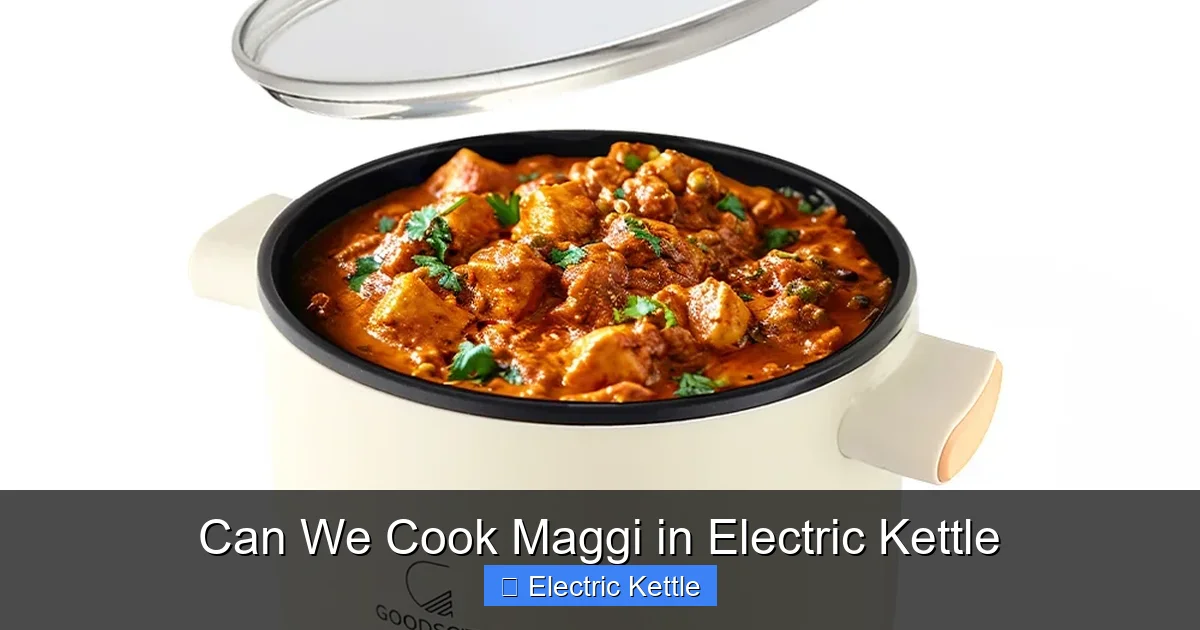
Visual guide about Can We Cook Maggi in Electric Kettle
Image source: goodscity.in
Before we get into the “how,” it’s important to understand the “why not.” Electric kettles are designed for one primary purpose: boiling water. They heat water quickly and efficiently using an internal heating element, usually located at the base. Most modern kettles automatically shut off once the water reaches boiling point (around 100°C or 212°F), which prevents overheating and saves energy.
But here’s the catch: **electric kettles are not built to cook food**. Unlike pots or pans, they don’t distribute heat evenly across solid ingredients. The heating element is submerged in liquid, so when you add dry noodles or oily seasoning directly into the kettle while it’s heating, you risk:
– Burning the noodles or spices onto the heating element
– Creating smoke or unpleasant odors
– Damaging the kettle’s interior coating
– Triggering electrical faults or fire hazards
That’s why the golden rule is: **never add anything to the kettle while it’s actively heating**. Always boil the water first, then turn off the kettle (or unplug it) before adding your Maggi noodles and masala.
Types of Electric Kettles: Which Are Best for This Hack?
Not all electric kettles are created equal—and some are better suited for makeshift cooking than others.
– **Stainless steel kettles**: These are your best bet. They’re durable, resist staining, and clean up relatively easily. Just avoid scratching the interior with metal utensils.
– **Glass kettles**: Transparent and stylish, glass kettles let you see what’s happening inside—but they can retain strong odors from spices like turmeric or chili powder. Clean them promptly.
– **Plastic kettles**: Avoid these for cooking Maggi. Plastic can absorb flavors and oils, leading to off-tastes in future brews (imagine your morning coffee tasting like curry!). Plus, high heat can cause warping or leaching of chemicals.
– **Kettles with non-stick coating**: Be extra careful. Scrubbing off dried noodle bits can damage the coating, which may flake into your food over time.
If you plan to use your kettle for both drinking and cooking, invest in a dedicated stainless steel model. It’ll last longer and keep your tea tasting fresh.
Step-by-Step Guide: How to Cook Maggi in an Electric Kettle Safely
Ready to try it? Follow this safe, tested method to make decent Maggi without wrecking your kettle or setting off the smoke alarm.
What You’ll Need
– 1 pack of Maggi noodles (or any instant noodle brand)
– Maggi masala or seasoning packet
– Electric kettle (preferably stainless steel or glass)
– Bowl or mug (for serving)
– Spoon (preferably silicone or wooden—avoid metal)
– Optional: vegetables (finely chopped carrots, beans, or spinach), egg, or boiled chicken for extra nutrition
The Safe Cooking Process
1. **Fill the kettle with water** – Add enough water to fully submerge the noodle block—usually about 300–400 ml. Don’t overfill; leave some space to prevent boiling over.
2. **Boil the water** – Close the lid and turn on the kettle. Wait until it automatically shuts off (you’ll hear a click or see the light turn off).
3. **Turn off and unplug** – This is critical. Never add ingredients while the kettle is still powered on or hot from recent use.
4. **Add noodles and break them gently** – Drop in the noodle block. Use a spoon to break it into smaller pieces so it cooks evenly.
5. **Add seasoning** – Sprinkle in the masala packet. Stir gently to dissolve. If you’re adding veggies or protein, now’s the time.
6. **Cover and wait** – Put the lid back on (or use a plate) and let it sit for 3–5 minutes. The residual heat will soften the noodles.
7. **Stir and check consistency** – If the noodles are still hard, add a splash of hot water (from a freshly boiled kettle) and wait another minute.
8. **Transfer to a bowl** – Carefully pour the contents into a bowl—don’t drink directly from the kettle! The residue can clog the spout or leave a gritty texture.
Pro Tips for Better Results
– **Pre-soak veggies**: If using fresh vegetables, blanch them in boiling water for 30 seconds before adding to the kettle.
– **Use less masala**: Kettle-cooked Maggi tends to be saltier because the liquid reduces slightly. Start with half the packet and adjust to taste.
– **Add an egg**: Crack a raw egg into the hot water after adding noodles. Cover and let it cook gently for 2–3 minutes for a protein boost.
– **Don’t reheat**: Once cooked, eat immediately. Reheating in the kettle can overcook the noodles and increase safety risks.
Risks and Downsides of Cooking Maggi in an Electric Kettle
While this hack is undeniably convenient, it’s not without its drawbacks. Ignoring these risks can lead to damaged appliances, health concerns, or even accidents.
Appliance Damage
Repeatedly cooking food in your kettle—even just noodles—can leave behind starch, oil, and spice residues. Over time, this buildup:
– Clogs the spout and filter
– Stains the interior (especially in glass kettles)
– Causes unpleasant odors that transfer to future brews
– Reduces heating efficiency
Worse, if you accidentally run the kettle dry (e.g., forgetting to add water before turning it on), the heating element can overheat and burn out—sometimes permanently.
Fire and Electrical Hazards
Adding oil or fatty seasonings to a hot kettle can cause splattering or smoke. In rare cases, this may ignite if the kettle is old or poorly maintained. Always ensure the kettle is cool and unplugged before adding ingredients.
Flavor and Texture Issues
Maggi tastes best when cooked on a stove because the heat is consistent and controllable. In a kettle, the noodles may end up:
– Mushy in some spots, undercooked in others
– Over-salted due to reduced liquid
– Lacking the “wok hei” or slight char that comes from pan-frying the masala briefly
If you’re a Maggi purist, you might be disappointed. But for a quick, edible meal when no other option exists? It’ll do.
Health Considerations
Instant noodles are already high in sodium and preservatives. Cooking them in a kettle doesn’t make them healthier—but it also doesn’t add new risks unless your kettle is made of low-quality materials that leach chemicals when heated with food.
Stick to food-grade kettles and avoid plastic models entirely if you’re concerned about BPA or other contaminants.
Cleaning and Maintenance After Cooking Maggi
This step is non-negotiable. Failing to clean your kettle properly after cooking Maggi can turn it into a smelly, stained mess—and ruin your next cup of tea.
Immediate Rinse
As soon as you’ve poured out the noodles, rinse the kettle with warm water. Use a soft sponge (not steel wool!) to wipe away any residue. Pay special attention to the heating element area and spout.
Deep Cleaning Weekly
Once a week (or after every few uses), descale and deodorize your kettle:
– Mix equal parts white vinegar and water. Fill the kettle halfway, boil, then let it sit for 15–20 minutes.
– Pour out the solution and scrub gently with a non-abrasive brush.
– Rinse thoroughly with clean water and boil a fresh batch of plain water to remove any vinegar taste.
Dealing with Stains and Odors
For stubborn spice stains (like turmeric), make a paste of baking soda and water. Apply it to the affected area, let it sit for 10 minutes, then scrub and rinse.
For lingering odors, boil a slice of lemon or a few mint leaves in water for 5 minutes. The natural oils will help neutralize smells.
When to Stop Using the Kettle for Cooking
If you notice:
– Persistent bad smells even after cleaning
– Discoloration or pitting on the interior
– Reduced boiling speed or automatic shut-off issues
…it’s time to retire the kettle for cooking purposes. Use it only for boiling water from now on—or replace it entirely.
Better Alternatives to Cooking Maggi in an Electric Kettle
If you find yourself craving Maggi more than once a week, consider upgrading your setup. These alternatives are safer, more efficient, and deliver better results.
Mini Rice Cookers
Compact, affordable, and designed for cooking—not just boiling. Many mini rice cookers (like the Aroma 1.5-cup model) can handle noodles, soups, and even steamed veggies. They often come with a steaming tray and keep-warm function.
Portable Induction Cooktops
These plug into any outlet and work with any pot. Perfect for small spaces, they offer precise temperature control and are easy to clean. Pair it with a small non-stick pan, and you’ve got a full mini-kitchen.
Travel Electric Pots
Specifically designed for cooking on the go, these all-in-one devices boil, simmer, and steam. Brands like Cosori and Instant Pot offer travel-sized versions that are dorm-friendly and TSA-approved.
Collapsible Silicone Bowls with Lids
Not a cooking device, but super useful. Boil water in your kettle, then pour it into a heat-resistant silicone bowl with noodles and seasoning. Cover and wait—no risk to your appliance!
Final Thoughts: Is It Worth It?
So, can we cook Maggi in an electric kettle? Absolutely—but it’s a workaround, not a long-term solution. It’s perfect for emergencies, late-night study sessions, or when you’re stuck in a hotel room with no kitchen. Just remember: safety comes first, cleanliness is key, and your kettle will thank you for treating it kindly.
If you’re doing this once in a blue moon, go ahead—enjoy your quick noodle fix. But if Maggi is a regular part of your diet, investing in a small, dedicated cooking appliance will save you time, stress, and potentially a broken kettle.
At the end of the day, convenience shouldn’t come at the cost of safety or taste. With the right approach, you can have your Maggi—and eat it too—without burning down your dorm room.
Frequently Asked Questions
Can I put Maggi noodles directly into the electric kettle while it’s heating?
No, never add noodles, oil, or seasoning while the kettle is heating. This can cause burning, smoke, or damage to the heating element. Always boil water first, then turn off and unplug the kettle before adding ingredients.
Will cooking Maggi in my kettle ruin it?
It depends on how often you do it and how well you clean it. Occasional use with proper cleaning is usually fine, but frequent cooking can leave stains, odors, and residue that may shorten the kettle’s lifespan.
Can I use any type of electric kettle to cook Maggi?
Stainless steel or glass kettles are safest. Avoid plastic kettles, as they can absorb flavors and may warp or leach chemicals when exposed to food and heat.
How do I clean my kettle after cooking Maggi?
Rinse immediately with warm water and scrub gently. For deep cleaning, use a vinegar-water solution once a week to remove stains and odors. Always rinse thoroughly afterward.
Does Maggi cooked in a kettle taste the same as stovetop Maggi?
Not exactly. Kettle-cooked Maggi may be saltier and have uneven texture due to lack of stirring and controlled heat. It’s edible and convenient, but not as flavorful as the traditional method.
Are there safer alternatives to cooking Maggi without a stove?
Yes! Consider a mini rice cooker, portable induction cooktop, or travel electric pot. These are designed for cooking and offer better control, safety, and results than repurposing a kettle.