Yes, you can cook rice in an electric kettle—but it’s not as simple as boiling water. With the right technique, type of rice, and safety precautions, this unconventional method can be a lifesaver during power outages, travel, or small-space living. However, not all kettles are suitable, and results vary.
Key Takeaways
- Yes, it’s possible: You can cook rice in an electric kettle, especially with small-grain varieties like white rice or sushi rice.
- Not all kettles are suitable: Only use kettles with temperature control, wide openings, and non-stick interiors for best results.
- Safety first: Never leave the kettle unattended, avoid overfilling, and ensure proper ventilation to prevent steam buildup.
- Rice-to-water ratio matters: Use a 1:1.5 ratio (rice to water) and soak rice beforehand for even cooking.
- Stirring is limited: Unlike stovetop cooking, you can’t stir once the kettle is on, so choose quick-cooking rice types.
- Clean thoroughly afterward: Rice residue can burn and damage the heating element—clean immediately after use.
- Best for emergencies: This method works in a pinch but isn’t ideal for daily cooking due to texture and consistency issues.
📑 Table of Contents
- Can We Cook Rice in Electric Kettle? The Surprising Answer
- How Does Cooking Rice in an Electric Kettle Work?
- Types of Rice Best Suited for Electric Kettle Cooking
- Step-by-Step Guide: How to Cook Rice in an Electric Kettle
- Safety Tips and Common Mistakes to Avoid
- Pros and Cons of Cooking Rice in an Electric Kettle
- Alternative Methods and Upgrades
- Final Thoughts: Is It Worth It?
Can We Cook Rice in Electric Kettle? The Surprising Answer
You’re in a dorm room with no stove. Your kitchen is under renovation. Or maybe you’re traveling and only have access to a hotel room with a basic electric kettle. In these moments, you might find yourself asking: *Can we cook rice in an electric kettle?* The short answer? Yes—but with caveats.
Electric kettles are designed to boil water quickly and efficiently. They’re not built for simmering grains or handling starchy foods. Yet, with some creativity and caution, people around the world have turned this humble appliance into a makeshift rice cooker. From college students to backpackers, the electric kettle rice hack has gained popularity as a quick, no-fuss solution when traditional cooking isn’t an option.
But before you toss a cup of rice into your kettle, it’s important to understand how it works, what types of rice are best, and how to do it safely. This guide will walk you through everything you need to know—from step-by-step instructions to safety tips and common mistakes to avoid.
How Does Cooking Rice in an Electric Kettle Work?
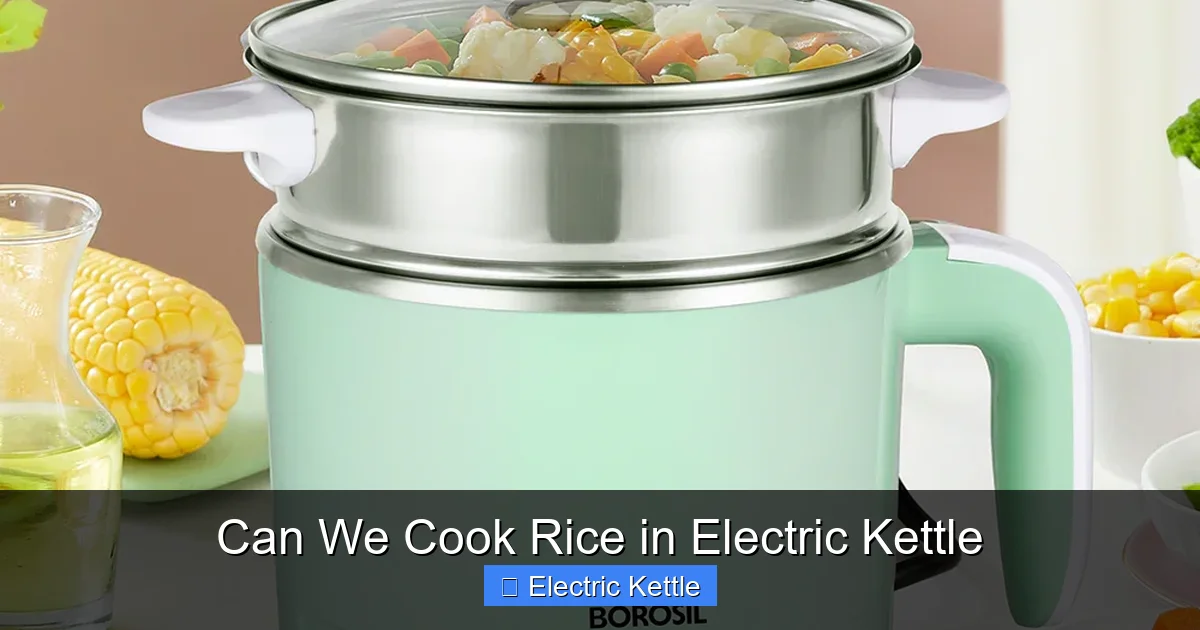
Visual guide about Can We Cook Rice in Electric Kettle
Image source: myborosil.com
At its core, cooking rice is about applying heat to grains in the presence of water until they absorb the liquid and become tender. On a stove, this happens gradually with controlled heat. In a rice cooker, sensors monitor temperature and switch to a “keep warm” mode. But an electric kettle? It’s built to boil water and shut off automatically—usually around 100°C (212°F).
So how can it cook rice?
The key is in the boiling process. When you add rice and water to an electric kettle and turn it on, the water heats up and begins to boil. As the rice grains absorb the hot water, they start to soften and cook. The automatic shut-off feature stops the heating once the water reaches boiling point, but residual heat continues to cook the rice—similar to how pasta finishes cooking after you turn off the stove.
However, unlike a rice cooker or stovetop, an electric kettle doesn’t maintain a steady simmer. It boils hard and then shuts off. This means the rice may not cook evenly, and there’s a risk of undercooked or burnt grains if the water evaporates too quickly.
Why It’s Not a Perfect Match
Electric kettles are optimized for speed and efficiency with water. They heat rapidly and shut off to prevent dry boiling. But rice requires sustained, gentle heat over time. The sudden shutdown can leave the center of the rice undercooked, while the bottom layer may stick or scorch—especially in kettles without non-stick coatings.
Additionally, most kettles aren’t designed to handle starchy residues. Rice releases starch as it cooks, which can coat the heating element and interior surfaces. Over time, this buildup can affect performance and even pose a fire hazard if not cleaned properly.
When It Can Work
Despite these limitations, cooking rice in an electric kettle can work under the right conditions:
– You’re using a kettle with a wide mouth for easy stirring (if needed).
– The kettle has temperature control or a “keep warm” function.
– You’re cooking small batches (1/2 to 1 cup of rice).
– You’re using quick-cooking or pre-soaked rice.
– You’re in a situation where no other cooking method is available.
In short, it’s a workaround—not a replacement—for proper rice cooking methods. But in a pinch, it can save the day.
Types of Rice Best Suited for Electric Kettle Cooking
Not all rice is created equal when it comes to unconventional cooking methods. Some grains absorb water faster, cook more evenly, and are less likely to burn or stick. Here’s a breakdown of the best (and worst) rice types for electric kettle cooking.
White Rice (Short or Medium Grain)
White rice—especially short or medium-grain varieties like sushi rice or jasmine rice—is the top choice for kettle cooking. These grains have a higher starch content, which helps them absorb water quickly and become tender with minimal stirring. They also cook faster than long-grain or brown rice, reducing the risk of undercooking.
For best results, use a 1:1.5 ratio of rice to water. For example, 1 cup of rice needs 1.5 cups of water. Soak the rice for 15–30 minutes before cooking to ensure even hydration.
Instant or Quick-Cooking Rice
Instant rice is pre-cooked and dehydrated, making it ideal for fast, no-fuss meals. It rehydrates in just a few minutes of boiling water, which aligns perfectly with the electric kettle’s rapid heating cycle.
Simply add the rice and water, boil, then let it sit covered for 5–10 minutes. The residual heat will finish the job. This method works especially well in travel-sized kettles or compact models.
Parboiled Rice
Parboiled rice (also known as converted rice) undergoes a steam-pressure process before milling, which makes it more resistant to overcooking and sticking. It holds its shape well and cooks evenly, even with fluctuating heat.
Because it’s partially cooked, parboiled rice requires less time and water—usually a 1:1.25 ratio. It’s a solid option if you’re concerned about texture and don’t want mushy results.
Rice to Avoid
Some types of rice are not recommended for electric kettle cooking:
– **Brown rice**: High in fiber and bran, brown rice requires longer cooking times and more water. The kettle’s quick boil-and-shut-off cycle won’t provide enough sustained heat, leaving the grains hard and chewy.
– **Wild rice**: Technically a grass seed, wild rice takes 45–60 minutes to cook and needs constant simmering. It’s too slow for kettle use.
– **Arborio or risotto rice**: These high-starch grains are meant to be stirred constantly to release creaminess. Without stirring, they’ll likely burn or clump.
– **Unsoaked long-grain rice**: While possible, long-grain white rice (like basmati) can become unevenly cooked if not soaked first.
Pro Tip: Pre-Soak for Better Results
Regardless of the rice type, soaking for 15–30 minutes before cooking can make a big difference. Soaking allows the grains to absorb water evenly, reducing cooking time and improving texture. Drain the soaking water and use fresh water for boiling to avoid excess starch.
Step-by-Step Guide: How to Cook Rice in an Electric Kettle
Ready to try it? Follow this simple, safe method to cook rice in your electric kettle. Remember: this is a workaround, not a gourmet technique. Expect decent results, not restaurant-quality rice.
What You’ll Need
– Electric kettle (preferably with wide opening and non-stick interior)
– Rice (1/2 to 1 cup, depending on kettle size)
– Water (1.5 times the rice volume)
– Measuring cup
– Spoon or chopstick (for stirring, if possible)
– Bowl or container (to transfer cooked rice)
– Clean cloth or paper towel (for cleaning)
Step 1: Measure and Rinse the Rice
Start by measuring your rice. Use a standard measuring cup—don’t eyeball it. Rinse the rice under cold water until the water runs clear. This removes excess surface starch, which can cause clumping and sticking.
Step 2: Soak the Rice (Optional but Recommended)
Place the rinsed rice in a bowl and cover with water. Let it soak for 15–30 minutes. This step helps the grains cook evenly and reduces the risk of undercooked centers.
After soaking, drain the rice and measure out 1.5 times the volume in fresh water. For example, 1 cup of soaked rice needs 1.5 cups of water.
Step 3: Add Rice and Water to the Kettle
Pour the water into the electric kettle first, then add the drained rice. This prevents the rice from sticking to the bottom before the water heats up.
Never fill the kettle more than halfway. Rice expands as it cooks, and boiling water can foam and overflow. Overfilling can damage the kettle or cause burns.
Step 4: Boil and Monitor
Turn on the kettle and let it boil. Most kettles will shut off automatically once the water reaches boiling point. Do not leave the kettle unattended—watch for signs of overflow or excessive steam.
If your kettle has a “keep warm” function, you can use it to maintain gentle heat after boiling. Otherwise, once it shuts off, leave the lid closed and let the rice steam for 5–10 minutes. This allows residual heat to finish cooking the grains.
Step 5: Check and Fluff
After the resting period, open the kettle carefully—steam will escape. Use a spoon or chopstick to gently fluff the rice. Check for doneness: the grains should be tender but not mushy. If they’re still hard, add a splash of hot water, close the lid, and let it sit another 5 minutes.
Step 6: Transfer and Serve
Use a spoon to transfer the rice to a bowl or plate. Avoid scraping the bottom of the kettle, as this can pick up burnt or stuck grains.
Serve immediately. Rice cooked this way pairs well with simple toppings like soy sauce, butter, or pre-cooked vegetables.
Step 7: Clean the Kettle Immediately
This is crucial. Rinse the kettle with warm water as soon as it’s cool enough to handle. Use a soft sponge to remove any rice residue or starch buildup. Do not use abrasive scrubbers, as they can damage the interior.
If there’s stubborn residue, soak the kettle in warm, soapy water for 10–15 minutes before cleaning. Dry thoroughly before storing.
Safety Tips and Common Mistakes to Avoid
Cooking rice in an electric kettle is convenient, but it comes with risks. Here’s how to stay safe and avoid common pitfalls.
Never Leave the Kettle Unattended
Boiling rice can cause foaming and overflow, especially with starchy varieties. Always stay nearby and watch for signs of boiling over. If the kettle starts to overflow, turn it off immediately.
Avoid Overfilling
Rice expands as it cooks—sometimes doubling in volume. Fill the kettle no more than halfway to prevent spills. A good rule of thumb: if you’re cooking 1 cup of rice, use a kettle with at least a 2-cup capacity.
Don’t Use a Kettle with a Narrow Spout
Kettles with narrow openings make it hard to add rice, stir, or clean afterward. Choose a model with a wide mouth for easier access.
Skip the Salt and Oil (At First)
Adding salt or oil can increase foaming and affect the kettle’s automatic shut-off sensor. Cook the rice plain first, then season after transferring to a bowl.
Don’t Use Damaged or Old Kettles
Cracks, rust, or worn heating elements can pose safety hazards. Only use kettles in good condition. If the interior is stained or smells burnt, it’s time for a replacement.
Avoid Repeated Use for Rice
While it’s fine to cook rice in a kettle occasionally, don’t make it a habit. Starchy residues can build up and damage the heating element over time. Reserve this method for emergencies or travel.
Watch for Steam Burns
When opening the kettle after cooking, open the lid away from your face. Steam can cause serious burns, especially in enclosed spaces.
Pros and Cons of Cooking Rice in an Electric Kettle
Like any kitchen hack, this method has its advantages and drawbacks. Here’s a balanced look at what to expect.
Pros
- Convenience: No stove or rice cooker needed—ideal for dorms, offices, or travel.
- Speed: Boils water quickly, and with pre-soaked rice, cooking time is under 15 minutes.
- Energy-efficient: Electric kettles use less energy than stovetops for boiling water.
- Compact: Great for small spaces where every appliance counts.
- Emergency backup: Useful during power outages (if you have a backup power source).
Cons
- Uneven cooking: Lack of stirring and sudden shut-off can lead to undercooked or burnt rice.
- Texture issues: Rice may be softer or stickier than stovetop-cooked rice.
- Cleaning hassle: Starchy residue is hard to remove and can damage the kettle over time.
- Safety risks: Overflow, steam burns, and electrical hazards if not used carefully.
- Not for large batches: Limited by kettle size—usually max 1 cup of rice.
- Not suitable for all rice types: Brown, wild, and high-fiber grains won’t cook properly.
When to Use It
This method shines in specific situations:
– You’re a student in a dorm with limited cooking options.
– You’re traveling and only have access to a hotel kettle.
– Your kitchen is temporarily out of commission.
– You need a quick side dish and don’t want to dirty a pot.
But for daily meals, a rice cooker or stovetop method will give you better results with less risk.
Alternative Methods and Upgrades
If you find yourself cooking rice in a kettle often, consider these upgrades or alternatives.
Use a Kettle with Temperature Control
Some modern electric kettles offer variable temperature settings (e.g., 80°C, 90°C, 100°C). These allow you to simmer rice at a lower heat, reducing the risk of burning. Look for models with a “keep warm” function for better results.
Try a Portable Rice Cooker
If you’re frequently in situations without a stove, a small, portable rice cooker might be a better investment. These plug into standard outlets, cook rice perfectly, and are easy to clean. Many are compact enough to fit in a suitcase.
Use a Silicone Steamer Insert
Some kettles can accommodate silicone steamer baskets. Place the rice in the basket with water below, and steam it instead of boiling. This reduces starch buildup and improves texture.
Pre-Cook and Reheat
Another option: cook a large batch of rice at home, then reheat it in the kettle with a splash of water. This avoids cooking from scratch and minimizes residue.
Final Thoughts: Is It Worth It?
So, can we cook rice in an electric kettle? Absolutely—but it’s not for everyone.
This method is a clever hack for emergencies, travel, or small-space living. It’s fast, requires minimal cleanup (if done right), and can produce edible rice in under 15 minutes. But it’s not a substitute for proper cooking tools.
If you’re willing to accept slightly uneven texture and take the necessary safety precautions, it’s a useful skill to have in your back pocket. Just remember: clean your kettle thoroughly, use the right rice, and never leave it unattended.
In the end, the electric kettle rice hack is a testament to human ingenuity. When life gives you limited tools, you adapt. And sometimes, that means turning a water boiler into a makeshift rice cooker.
So go ahead—give it a try. Just don’t expect perfection. And maybe keep a real rice cooker on your wish list.
Frequently Asked Questions
Can you cook rice in any electric kettle?
Not all electric kettles are suitable. Avoid models with narrow spouts, damaged interiors, or no automatic shut-off. Best results come from kettles with wide openings, non-stick coatings, and temperature control.
Is it safe to cook rice in an electric kettle?
Yes, if done carefully. Never leave it unattended, avoid overfilling, and clean immediately after use. Starchy residue can damage the kettle or pose a fire hazard over time.
What’s the best rice-to-water ratio for kettle cooking?
Use a 1:1.5 ratio—1 part rice to 1.5 parts water. Soaking the rice beforehand improves texture and reduces cooking time.
Can you cook brown rice in an electric kettle?
It’s not recommended. Brown rice requires longer, sustained heat and more water, which most kettles can’t provide. It will likely remain undercooked.
How do you prevent rice from sticking in the kettle?
Use non-stick kettles, rinse the rice thoroughly, and avoid overcooking. Add water first, then rice, and clean the kettle immediately after use.
Can you add salt or spices while cooking rice in a kettle?
It’s better to season after cooking. Salt and oil can increase foaming and interfere with the kettle’s sensors, leading to overflow or malfunction.