Yes, you can make coffee in an electric kettle, but it’s not always the best method. While it works in a pinch, improper use can damage your kettle or affect taste. Learn how to do it safely and when to avoid it.
Key Takeaways
- Yes, it’s possible: You can make coffee in an electric kettle, especially instant or pre-ground coffee, but it’s not ideal for all types.
- Risk of damage: Adding coffee grounds directly can clog the heating element and leave stubborn stains, potentially ruining your kettle.
- Better alternatives: Use a French press, pour-over, or coffee maker for better flavor and to protect your appliance.
- Safe method exists: If you must use your kettle, brew water first, then steep coffee in a separate container to avoid direct contact.
- Cleaning is crucial: Always clean your kettle thoroughly after making coffee to prevent residue buildup and off-flavors.
- Not for espresso or drip: Electric kettles aren’t designed for pressurized brewing or drip filtration, so avoid complex coffee styles.
- Travel-friendly hack: In emergencies or while traveling, an electric kettle can be a quick fix for a decent cup of instant coffee.
📑 Table of Contents
- Can We Make Coffee in Electric Kettle? The Honest Answer
- How Electric Kettles Work (And Why It Matters for Coffee)
- Safe Ways to Make Coffee Using an Electric Kettle
- What NOT to Do When Making Coffee in an Electric Kettle
- Cleaning Your Electric Kettle After Coffee Use
- When to Avoid Making Coffee in an Electric Kettle
- Final Thoughts: Is It Worth It?
- Bonus Tips for Better Coffee with Your Kettle
Can We Make Coffee in Electric Kettle? The Honest Answer
So, you’re staring at your electric kettle, wondering: *Can we make coffee in electric kettle?* Maybe you’re in a rush, your coffee maker broke, or you’re traveling with just a kettle and some instant coffee. It’s a fair question—and one that many coffee lovers have asked.
The short answer? Yes, you *can* make coffee using an electric kettle. But the longer, more important answer is: *should you?* That depends on how you do it, what kind of coffee you’re using, and how much you care about your kettle’s lifespan and your coffee’s flavor.
Electric kettles are designed to heat water—fast, efficiently, and safely. They’re not built to handle coffee grounds, oils, or residues. But with the right approach, you can absolutely brew a decent cup of coffee without turning your kitchen appliance into a science experiment. In this guide, we’ll explore the ins and outs of making coffee in an electric kettle, including the risks, the best methods, and when it’s better to stick with traditional brewing.
Whether you’re a busy professional, a student in a dorm, or just someone who loves a good cup of joe on the go, this article will help you decide if your electric kettle can double as a coffee maker—and how to do it right.
How Electric Kettles Work (And Why It Matters for Coffee)
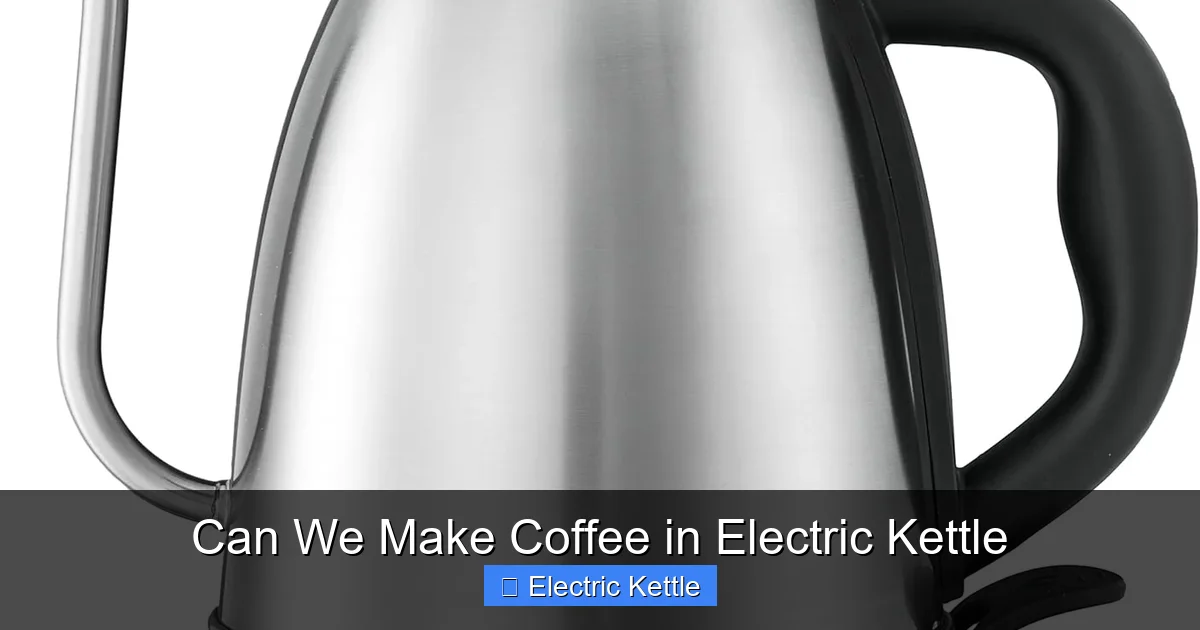
Visual guide about Can We Make Coffee in Electric Kettle
Image source: m.media-amazon.com
Before we dive into brewing, let’s take a quick look at how electric kettles actually work. Understanding this will help you see why making coffee in one isn’t as simple as tossing in some grounds and hitting “boil.”
Most electric kettles have a heating element at the bottom—either exposed or hidden under a stainless steel plate. When you turn it on, the element heats up rapidly, bringing water to a boil in just a few minutes. Many modern kettles also have temperature control settings, allowing you to heat water to specific temperatures ideal for different beverages, like green tea or French press coffee.
But here’s the catch: electric kettles are built for *water*, not for brewing. They don’t have filters, drip mechanisms, or pressurized systems like espresso machines. They simply heat liquid. That means if you add coffee grounds directly into the kettle, you’re asking it to do something it wasn’t designed for.
The Problem with Direct Brewing
Imagine pouring coffee grounds into your kettle, adding water, and turning it on. Sounds easy, right? But here’s what happens: the grounds swirl around as the water heats, some sink to the bottom, and others stick to the sides and heating element. When the water boils, the grounds can scorch, creating a bitter, burnt taste. Worse, they can clog the spout or leave a sticky residue that’s hard to clean.
Over time, this residue builds up, affecting both the taste of your water and the performance of your kettle. You might notice slower heating, strange smells, or even a metallic taste in your drinks. In severe cases, the heating element can get damaged, shortening the life of your appliance.
Why People Still Try It
Despite the risks, many people still attempt to make coffee directly in their kettles—especially when they’re in a hurry or don’t have access to a proper coffee maker. Travelers, students, and office workers often rely on electric kettles for hot water, and it’s tempting to combine steps and brew coffee at the same time.
And honestly? It *can* work—if you’re using instant coffee. Since instant coffee dissolves completely in hot water, there are no grounds to clog your kettle. Just add a teaspoon to your cup, pour in the hot water from the kettle, and stir. No mess, no risk.
But if you’re using ground coffee—even pre-ground—you’re entering risky territory. The fine particles can slip through filters, stick to surfaces, and create a mess. So while the idea is appealing, the execution requires caution.
Safe Ways to Make Coffee Using an Electric Kettle
Now that we’ve covered the risks, let’s talk about how to make coffee with your electric kettle—safely and effectively. The key is to use your kettle for what it does best: heating water. Then, use that hot water to brew your coffee in a separate container.
This method keeps your kettle clean, protects its components, and still gives you a great cup of coffee. Here are the best ways to do it.
Method 1: Instant Coffee (The Easiest Option)
If you’re using instant coffee, you’re in luck. This is the safest and most convenient way to make coffee with an electric kettle.
Simply add 1–2 teaspoons of instant coffee to your mug, depending on how strong you like it. Then, boil water in your electric kettle and pour it directly over the coffee. Stir well until the granules dissolve completely. Add milk, sugar, or creamer if desired.
This method takes less than five minutes and requires no extra equipment. It’s perfect for busy mornings, office breaks, or travel. Just remember: use filtered water if possible, as tap water can affect the taste.
Method 2: French Press with Kettle-Heated Water
Love the rich, full-bodied flavor of French press coffee? You can still enjoy it with just an electric kettle.
Start by heating water in your kettle to about 200°F (93°C)—just below boiling. While the water heats, add coarse-ground coffee to your French press (a good ratio is 1 tablespoon of coffee per 4 ounces of water). Once the water is ready, pour it over the grounds, stir gently, and place the lid on top with the plunger up.
Let it steep for 4 minutes, then press the plunger down slowly. Pour and enjoy. This method gives you a clean, flavorful cup without risking your kettle.
Method 3: Pour-Over with a Simple Dripper
Pour-over coffee is another excellent option. All you need is a dripper (like a Hario V60 or a simple ceramic cone), a paper filter, and a mug.
Place the filter in the dripper and rinse it with hot water to remove any paper taste. Add medium-fine ground coffee, then slowly pour hot water from your electric kettle in a circular motion, starting from the center and moving outward. Let the coffee drip through—this usually takes 2–3 minutes.
The result? A bright, aromatic cup of coffee with excellent clarity and flavor. Plus, your kettle stays spotless.
Method 4: Steeping in a Separate Container (No Equipment? No Problem)
Don’t have a French press or dripper? No worries. You can still brew coffee using a simple steeping method.
Add 1–2 tablespoons of coarse-ground coffee to a heat-safe container (like a large mug or glass jar). Pour hot water from your electric kettle over the grounds, filling the container. Stir gently, then cover with a lid or plate to retain heat.
Let it steep for 4–5 minutes, then strain the coffee using a fine-mesh sieve, cheesecloth, or even a clean coffee filter. Press the grounds gently to extract all the liquid, then discard them.
This method isn’t as clean as a French press, but it works in a pinch. Just be sure to clean your straining tool thoroughly afterward.
Method 5: Cold Brew with Hot Water Start (Advanced Hack)
Here’s a clever trick for coffee lovers who enjoy cold brew but want to speed up the process.
Start by heating water in your electric kettle to about 175°F (80°C)—hot but not boiling. Add coarse-ground coffee to a jar or bottle (use a 1:4 coffee-to-water ratio). Pour the hot water over the grounds, stir, and let it steep for 1–2 hours (instead of the usual 12–24 hours for cold brew).
After steeping, strain the mixture and dilute with cold water or ice. The result is a smooth, low-acid coffee that’s ready much faster than traditional cold brew.
This method uses your kettle to jump-start the extraction process, giving you a quicker brew without sacrificing flavor.
What NOT to Do When Making Coffee in an Electric Kettle
We’ve covered the safe methods—now let’s talk about what you should *avoid* at all costs. These common mistakes can ruin your kettle, your coffee, or both.
Don’t Add Coffee Grounds Directly to the Kettle
This is the biggest no-no. Pouring ground coffee into your kettle and boiling it is a recipe for disaster. The grounds will stick to the heating element, clog the spout, and leave behind oils and residue that are nearly impossible to remove.
Even if you rinse it out immediately, microscopic particles can remain, affecting future brews. Over time, this buildup can lead to malfunctions or even safety hazards.
Don’t Use Fine or Espresso-Ground Coffee
Fine grounds are more likely to slip through filters and settle at the bottom of your kettle. They also extract more quickly, increasing the risk of bitterness if overheated. Stick to coarse or medium-coarse grinds if you’re steeping, and avoid espresso-style grounds entirely.
Don’t Let Coffee Sit in the Kettle
Even if you manage to brew coffee without disaster, never let it sit in the kettle after brewing. Coffee oils and acids can corrode the interior, especially in stainless steel or aluminum kettles. Always pour out any leftover liquid and rinse the kettle immediately.
Don’t Use the Kettle for Multiple Beverages Without Cleaning
If you use your kettle for coffee, tea, and hot water, be sure to clean it thoroughly between uses. Coffee residue can mix with tea, creating off-flavors. A simple rinse isn’t enough—use a vinegar solution or specialized cleaner to remove buildup.
Don’t Ignore Unusual Smells or Tastes
If your water starts tasting or smelling like coffee—even when you’re not brewing—it’s a sign that residue has built up. This means your kettle needs a deep clean. Ignoring it can lead to long-term damage and unpleasant-tasting drinks.
Cleaning Your Electric Kettle After Coffee Use
Even if you use the safest methods, it’s important to clean your electric kettle regularly—especially if you’ve used it for coffee. Residue from coffee oils can accumulate over time, affecting both performance and taste.
Daily Rinse
After each use, rinse the inside of your kettle with warm water. Use a soft sponge or cloth to wipe away any visible residue. Avoid abrasive scrubbers, which can scratch the interior.
Weekly Deep Clean
Once a week, give your kettle a deeper clean using a natural solution. Mix equal parts water and white vinegar, then fill the kettle about halfway. Boil the solution, let it sit for 15–20 minutes, then rinse thoroughly with clean water. Boil a few times with fresh water to remove any vinegar taste.
For stubborn stains or mineral buildup, add a tablespoon of baking soda to the vinegar solution. This creates a gentle fizzing action that helps break down residue.
Commercial Cleaners
If natural methods aren’t enough, consider a commercial kettle cleaner. These are designed to remove limescale and organic buildup without damaging the appliance. Follow the instructions carefully and rinse well afterward.
Preventing Future Buildup
To keep your kettle clean, avoid using it for anything other than water whenever possible. If you must make coffee, use the indirect methods we discussed earlier. And always empty and rinse the kettle after each use.
When to Avoid Making Coffee in an Electric Kettle
While it’s possible to make coffee with an electric kettle, there are times when it’s better to avoid it altogether.
You’re Using Freshly Ground Coffee
If you’ve just ground your beans for maximum flavor, don’t risk losing that quality by brewing in a kettle. The uneven extraction and potential for scorching can ruin the delicate notes in your coffee. Use a proper brewing method instead.
You Have a High-End Kettle
Expensive kettles with precision temperature control and sleek designs are meant for heating water—not brewing coffee. Using them for coffee can void warranties and reduce their lifespan. Protect your investment by keeping coffee-making separate.
You’re Serving Guests
If you’re hosting friends or colleagues, serve them a properly brewed cup of coffee. Making coffee in a kettle—especially with grounds—can lead to inconsistent results and off-flavors. It’s better to use a French press, dripper, or coffee maker.
You’re Trying New Coffee Blends
Exploring new roasts and origins? Don’t compromise the experience by brewing in a kettle. The unique flavors and aromas of specialty coffee deserve the right brewing method to shine.
Final Thoughts: Is It Worth It?
So, can we make coffee in electric kettle? Absolutely. But should we? That depends.
For instant coffee or emergency situations, your electric kettle is a reliable tool. It heats water quickly, safely, and efficiently—perfect for a quick caffeine fix. But for anything more complex, it’s better to use the right equipment.
The key is to use your kettle as a water heater, not a brewer. Heat the water, then transfer it to a French press, dripper, or mug for steeping. This protects your appliance, preserves flavor, and gives you a better cup of coffee.
And remember: cleaning is non-negotiable. A well-maintained kettle will last for years and keep your drinks tasting fresh.
In the end, your electric kettle is a versatile kitchen companion—but it’s not a coffee maker. Use it wisely, and it’ll serve you well for all your hot beverage needs.
Bonus Tips for Better Coffee with Your Kettle
Want to get the most out of your electric kettle when making coffee? Try these pro tips:
- Use filtered water: Tap water can contain minerals and chlorine that affect taste. Filtered or bottled water makes a noticeable difference.
- Preheat your mug: Pour hot water into your mug before brewing, then discard it. This keeps your coffee warmer longer.
- Measure your coffee: Use a kitchen scale or measuring spoons to ensure consistency. Too much coffee = bitter; too little = weak.
- Experiment with temperature: Different coffees brew best at different temperatures. Light roasts like 195–205°F (90–96°C), while dark roasts can handle near-boiling water.
- Store coffee properly: Keep beans or grounds in an airtight container away from light, heat, and moisture to preserve freshness.
With these tips, you’ll get a better cup of coffee—no matter how you brew it.
Frequently Asked Questions
Can I put coffee grounds directly in my electric kettle?
No, you should never put coffee grounds directly into your electric kettle. This can clog the spout, damage the heating element, and leave stubborn residue that affects taste and performance.
Is it safe to make instant coffee in an electric kettle?
Yes, it’s safe to make instant coffee using hot water from an electric kettle. Just add the instant coffee to your mug first, then pour in the hot water and stir.
Will making coffee in my kettle void the warranty?
It depends on the manufacturer, but using your kettle for anything other than water—especially with grounds—could void the warranty. Check your user manual to be sure.
How do I clean coffee residue from my electric kettle?
Use a mixture of equal parts white vinegar and water. Boil it, let it sit for 15–20 minutes, then rinse thoroughly. Repeat with fresh water to remove any vinegar taste.
Can I use my electric kettle for both coffee and tea?
Yes, but clean it thoroughly between uses. Coffee oils can mix with tea, creating off-flavors. A weekly deep clean helps prevent buildup.
What’s the best way to brew coffee without a coffee maker?
The best methods are French press, pour-over, or steeping in a separate container. Use your electric kettle to heat the water, then brew in a dedicated tool for the best flavor.