Yes, you can make rice in an electric kettle—but it depends on the type of kettle and rice. While not designed for cooking, many people successfully cook small portions of rice using steam or boiling methods. This guide covers safety, best practices, and step-by-step instructions to help you try it at home.
Key Takeaways
- Yes, rice can be made in some electric kettles: Certain models with flat heating elements or temperature control allow safe rice cooking, especially white rice.
- Not all kettles are suitable: Kettles with exposed heating coils or automatic shut-off may burn rice or fail to cook it properly.
- Use the right rice-to-water ratio: Typically 1:1.5 or 1:2 (rice to water), depending on the rice type and kettle size.
- Monitor closely to prevent overflow: Rice expands and foams, so use a larger kettle and watch it carefully to avoid messes.
- Clean thoroughly after use: Starchy residue can build up and affect future boiling performance or taste.
- Alternative methods work better: Steaming rice in a heat-safe bowl inside the kettle is safer than direct boiling.
- Best for small portions: Ideal for 1–2 servings; not recommended for large batches.
📑 Table of Contents
- Can We Make Rice in Electric Kettle? The Surprising Answer
- How Electric Kettles Work and Why Rice Is a Challenge
- Types of Electric Kettles: Which Ones Can Cook Rice?
- Step-by-Step Guide: How to Make Rice in an Electric Kettle
- Tips for Success and Common Mistakes to Avoid
- Is It Safe? Health and Appliance Considerations
- Alternatives to Cooking Rice in an Electric Kettle
- Conclusion: Should You Try It?
Can We Make Rice in Electric Kettle? The Surprising Answer
You’re in a dorm room, a small apartment, or maybe just craving a quick side dish without firing up the stove. You’ve got an electric kettle—your go-to for tea, instant noodles, and hot water. But now you’re wondering: Can we make rice in electric kettle? It sounds a little odd, maybe even risky. After all, kettles are made for boiling water, not cooking grains. But the truth is, with the right approach, it’s not only possible—it can actually work quite well.
Electric kettles are simple, efficient appliances. They heat water quickly using an internal heating element, and most shut off automatically once boiling is reached. While they weren’t designed to cook food, their ability to maintain high heat makes them surprisingly versatile. People around the world—especially students, travelers, and minimalist cooks—have experimented with using kettles to prepare everything from oatmeal to scrambled eggs. Rice, being a staple in many diets, naturally became a candidate for this kind of innovation.
But before you toss a cup of rice into your kettle, it’s important to understand the limitations and risks. Not every kettle is created equal, and not every type of rice behaves the same way under heat. Some kettles may overheat, burn the rice, or fail to cook it evenly. Others might not have the capacity or design to handle the starchy, bubbling mess that rice creates as it cooks. Still, with careful preparation and the right technique, you can absolutely make edible—even tasty—rice in an electric kettle.
How Electric Kettles Work and Why Rice Is a Challenge
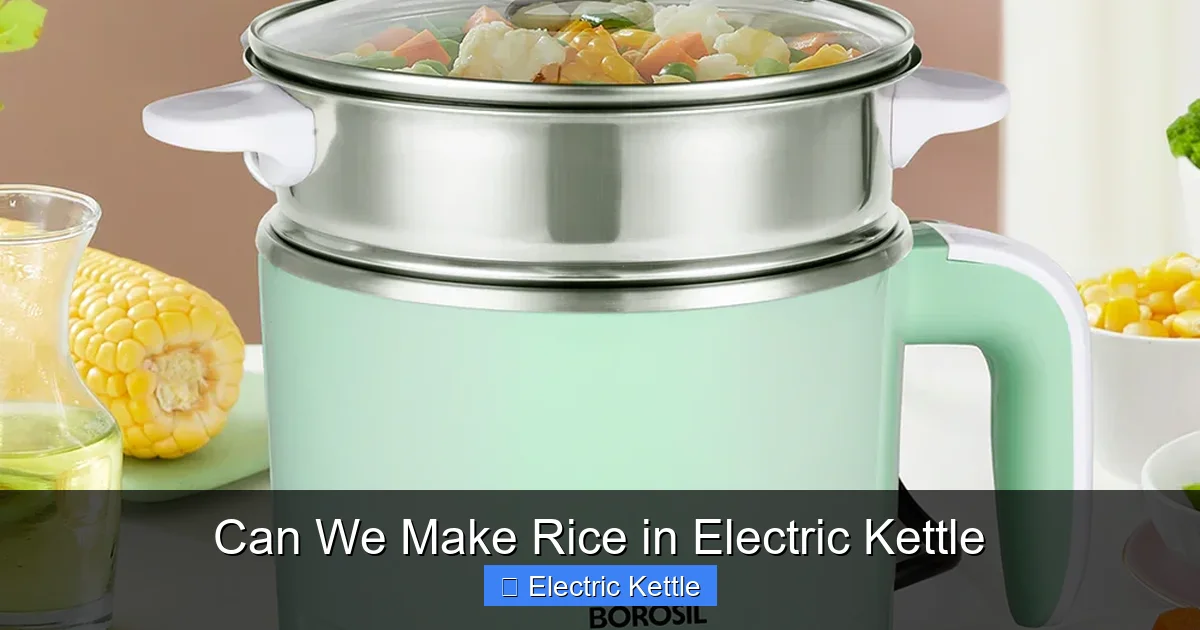
Visual guide about Can We Make Rice in Electric Kettle
Image source: myborosil.com
To understand whether you can make rice in an electric kettle, it helps to know how these appliances function. Most electric kettles use a concealed or exposed heating element at the base to rapidly heat water. Once the water reaches boiling point (around 100°C or 212°F), a thermostat triggers an automatic shut-off to prevent overheating. This makes them safe and convenient for boiling water, but not ideal for prolonged cooking.
Rice, on the other hand, requires sustained heat and consistent moisture to absorb water and soften properly. When you cook rice on a stove, you typically bring it to a boil, then reduce the heat and let it simmer covered for 15–20 minutes. The key is maintaining a gentle, steady temperature that allows the grains to cook through without burning.
Electric kettles, however, are designed to boil and then shut off. This means they don’t offer the low, steady heat needed for traditional rice cooking. If you simply add rice and water and turn it on, the kettle will boil the water, shut off, and leave the rice undercooked. Worse, if the heating element remains hot after shut-off, it can scorch the bottom layer of rice, creating a burnt, inedible mess.
Another challenge is starch. As rice cooks, it releases starch into the water, which can cause foaming and overflow—especially in a narrow-necked kettle. This not only creates a mess but can also trigger the kettle’s safety mechanisms or damage internal components. Plus, cleaning starchy residue from the heating element is difficult and may shorten the kettle’s lifespan.
Types of Electric Kettles: Which Ones Can Cook Rice?
Not all electric kettles are created equal when it comes to cooking rice. The design, heating mechanism, and features of your kettle play a big role in whether this experiment will succeed or fail. Let’s break down the different types and how they perform with rice.
Kettles with Concealed Heating Elements
These are the most common type of electric kettle. The heating element is hidden beneath a flat, smooth base inside the kettle. This design makes cleaning easier and reduces the risk of mineral buildup. More importantly, it allows for more even heat distribution, which is crucial when cooking rice.
Because the heating surface is flat and enclosed, rice is less likely to stick and burn directly onto the element. This makes concealed-element kettles the best candidates for rice cooking. However, you’ll still need to monitor the process closely, as the automatic shut-off can interrupt cooking.
Kettles with Exposed Heating Coils
These older or budget models have a visible heating coil at the bottom. While they heat water quickly, they’re not ideal for cooking rice. The exposed coil can easily burn rice that settles on it, especially if the water level drops too low. The uneven heat distribution also increases the risk of hot spots and undercooked grains.
If your kettle has an exposed coil, it’s best to avoid cooking rice directly in it. The risk of burning and damage is simply too high.
Temperature-Controlled Kettles
Some modern electric kettles come with adjustable temperature settings—perfect for brewing different types of tea or coffee. These kettles often allow you to set lower temperatures (like 80°C or 176°F), which can be useful for gentle cooking.
While they still shut off automatically, the ability to control heat gives you more flexibility. You can bring the water to a boil, then reduce the temperature to a simmer-like setting, mimicking stovetop cooking. This makes temperature-controlled kettles one of the best options for cooking rice safely.
Kettles with Keep-Warm Function
A few high-end models include a “keep-warm” feature that maintains water at a steady temperature after boiling. This can be a game-changer for rice cooking. After boiling, the kettle keeps the water hot enough to allow the rice to continue absorbing moisture without shutting off completely.
If your kettle has this feature, you’re in luck. It significantly increases your chances of cooking rice successfully without burning or undercooking.
Kettles with Wide Mouths and Large Capacity
Rice expands as it cooks—sometimes doubling or tripling in volume. A narrow-necked kettle increases the risk of overflow, especially when starch causes foaming. Kettles with wide openings and larger capacities (1.5 liters or more) are better suited for rice cooking because they provide more space for expansion and easier monitoring.
If your kettle is small or has a narrow spout, consider using smaller portions of rice and extra caution.
Step-by-Step Guide: How to Make Rice in an Electric Kettle
Now that you know which kettles are best suited for the job, let’s walk through a safe and effective method to make rice in your electric kettle. This guide assumes you’re using a concealed-element kettle with at least 1 liter capacity. Always read your kettle’s manual first—some manufacturers explicitly warn against cooking food.
Method 1: Direct Boiling (Simplest, but Riskier)
This method involves cooking rice directly in the kettle with water. It’s the most straightforward but requires close attention.
Ingredients:
– ½ cup white rice (jasmine, basmati, or short-grain)
– 1 to 1.5 cups water (use 1:1.5 ratio for firmer rice, 1:2 for softer)
– Pinch of salt (optional)
Steps:
1. Rinse the rice under cold water until the water runs clear. This removes excess starch and reduces foaming.
2. Add the rinsed rice and water to the kettle. Stir gently.
3. Place the kettle on its base and turn it on. Do not close the lid completely—leave it slightly ajar to prevent pressure buildup and overflow.
4. Watch closely as the water heats. Once it starts boiling, the rice will begin to foam. This is normal, but it can overflow quickly.
5. As soon as the kettle reaches boiling point and shuts off, quickly remove it from the base. Do not let it sit—residual heat can continue cooking or burning the rice.
6. Cover the kettle with a lid or plate to trap steam. Let it sit for 10–15 minutes. The residual heat will finish cooking the rice.
7. After resting, fluff the rice with a fork and check for doneness. If it’s still hard, add a splash of hot water and let it steam a few more minutes.
Tips:
– Use only ½ cup of rice to avoid overflow.
– Never leave the kettle unattended during boiling.
– If your kettle has a keep-warm function, use it instead of shutting off completely.
Method 2: Steaming in a Bowl (Safer and Recommended)
This method uses the kettle to generate steam, cooking the rice indirectly in a heat-safe container. It’s much safer and reduces the risk of burning or damaging your kettle.
Ingredients:
– ½ cup white rice
– 1 cup water (for steaming)
– Heat-safe bowl (glass, ceramic, or stainless steel)
– Small trivet or heat-resistant stand (optional)
Steps:
1. Rinse the rice and place it in the heat-safe bowl.
2. Add ¾ cup of water to the bowl (less than direct cooking, since steam does the work).
3. Place the bowl inside the electric kettle. Make sure it fits comfortably and doesn’t touch the heating element.
4. Add water to the kettle itself—just enough to create steam, about 1–1.5 cups. Do not let the water level reach the bottom of the bowl.
5. Close the kettle lid and turn it on. The water will boil and generate steam, cooking the rice gently.
6. Once the kettle shuts off, let it sit for 10–15 minutes with the lid closed. The trapped steam will continue cooking the rice.
7. Carefully remove the bowl (use oven mitts—it will be hot) and fluff the rice.
Tips:
– Use a bowl that’s smaller than the kettle’s interior to allow steam circulation.
– A small metal stand or crumpled foil can elevate the bowl and improve steam flow.
– This method works best with kettles that have wide openings.
Method 3: Parboiling and Steaming (Best for Brown or Wild Rice)
Brown rice and wild rice take longer to cook and require more moisture. The parboiling method gives them a head start.
Steps:
1. Rinse ½ cup brown rice and add it to the kettle with 1.5 cups water.
2. Boil for 2–3 minutes (watch closely), then drain the water using a fine-mesh strainer.
3. Return the parboiled rice to a heat-safe bowl.
4. Add 1 cup fresh water to the kettle and place the bowl inside.
5. Steam as in Method 2 for 20–25 minutes, checking occasionally.
This method ensures the rice cooks through without burning.
Tips for Success and Common Mistakes to Avoid
Cooking rice in an electric kettle is a bit of an art—and a science. Here are some practical tips to help you get it right, plus common pitfalls to steer clear of.
Use the Right Rice
Not all rice is created equal for kettle cooking. White rice (like jasmine or basmati) works best because it cooks quickly and absorbs water evenly. Brown rice, wild rice, and red rice are harder and take longer, increasing the risk of undercooking or burning.
If you’re new to this, start with white rice. Once you’re comfortable, you can experiment with others using the parboiling method.
Measure Water Carefully
Too much water can cause overflow; too little can leave the rice hard. A general rule is 1 part rice to 1.5 parts water for direct cooking, or 1:1 for steaming. Adjust based on your kettle and rice type.
Don’t Overfill the Kettle
Even if your kettle holds 1.7 liters, don’t use more than 1 liter of water when cooking rice. The rice will expand, and foam can rise quickly. Overfilling is the number one cause of messes and safety issues.
Never Leave It Unattended
Rice can go from perfect to burnt in seconds. Stay nearby during the boiling phase, especially if using the direct method. If you need to step away, use the steaming method instead.
Clean Immediately After Use
Starchy residue can harden and clog the heating element or affect the taste of future brews. Rinse the kettle thoroughly with warm water and a soft sponge. For tough stains, soak with vinegar and water (1:1) for 15 minutes, then rinse.
Avoid Cooking Rice Regularly
While it’s possible, cooking rice in your kettle should be an occasional hack—not a daily routine. Repeated use can damage the appliance and void the warranty. Reserve it for emergencies or small-space living.
Is It Safe? Health and Appliance Considerations
Safety is the biggest concern when cooking food in an appliance not designed for it. Let’s address the key issues: health risks, appliance damage, and long-term use.
Health and Hygiene
Electric kettles are generally easy to clean, but cooking rice introduces organic matter that can harbor bacteria if not cleaned properly. Always rinse the kettle immediately after use. Avoid using abrasive cleaners that can scratch the interior, as scratches can trap food particles.
If your kettle has a plastic interior or lid, be cautious. High heat and starch can sometimes cause odors or leaching. Stick to kettles with stainless steel or glass interiors for food cooking.
Appliance Damage
Cooking rice can void your warranty. Many manufacturers explicitly state that the kettle is for water only. Repeated use with food can damage the heating element, thermostat, or seals.
The starch and foam can also clog the spout or sensor, leading to malfunctions. If your kettle starts shutting off prematurely or not heating properly, it may be due to residue buildup.
Fire and Burn Risks
Overheating, overflow, or blocked vents can pose fire hazards. Never use a damaged kettle for cooking. Always ensure the lid isn’t sealed tightly during boiling, and keep flammable materials away.
Alternatives to Cooking Rice in an Electric Kettle
While it’s possible to make rice in an electric kettle, it’s not the most reliable method. If you’re looking for quick, easy rice without a stove, consider these alternatives:
– Microwave Rice Cooker: A small, microwave-safe container designed for cooking rice in minutes.
– Instant Pot or Multi-Cooker: Many have a “rice” setting and can cook perfect rice in under 20 minutes.
– Pre-Cooked or Instant Rice: Just add hot water from your kettle—no cooking needed.
– Portable Induction Cooktop: Compact and efficient, great for small spaces.
These options are safer, more consistent, and designed specifically for cooking.
Conclusion: Should You Try It?
So, can we make rice in electric kettle? The answer is a cautious yes—especially if you have the right kettle and follow safe practices. It’s a clever hack for dorm rooms, offices, or emergency situations, but it’s not a replacement for proper cooking methods.
The steaming method is the safest and most effective, while direct boiling requires vigilance. Always prioritize safety, clean thoroughly, and don’t make it a habit. With a little care, your electric kettle can do more than just boil water—it can help you enjoy a warm, comforting bowl of rice anywhere.
Frequently Asked Questions
Can you cook brown rice in an electric kettle?
Yes, but it’s more challenging. Brown rice takes longer to cook and may require parboiling first. Use the steaming method and allow extra time for it to soften fully.
Will cooking rice damage my electric kettle?
It can, especially if done regularly. Starchy residue may build up, and the heating element could be affected. Occasional use is generally safe if you clean the kettle thoroughly afterward.
What’s the best type of rice for electric kettle cooking?
White rice like jasmine or basmati works best due to its quick cooking time and even absorption. Avoid glutinous or wild rice unless using the parboiling method.
Can I use my electric kettle to cook rice every day?
It’s not recommended. Frequent use for cooking can void the warranty and damage the appliance. Reserve it for occasional use when no other options are available.
Why does my rice overflow in the kettle?
Rice releases starch when cooked, which causes foaming. Use less water, rinse the rice well, and never fill the kettle more than halfway to prevent overflow.
Is it safe to eat rice cooked in an electric kettle?
Yes, as long as the kettle is clean and the rice is fully cooked. Ensure there’s no burning or off-flavors, and always follow safe food handling practices.