Yes, you can make soup in an electric kettle, but it requires caution and the right approach. While most kettles aren’t designed for cooking, simple broths and instant soups can be prepared safely with proper technique. Always check your kettle’s manual and avoid prolonged heating to prevent damage or safety risks.
Key Takeaways
- Electric kettles can make basic soups: Simple broths, instant soups, and rehydrated meals work well with hot water.
- Not all kettles are suitable: Check if your model allows unattended boiling or has a “keep warm” function.
- Safety is critical: Never leave the kettle unattended, and avoid cooking thick or starchy ingredients that can burn.
- Use food-safe containers: Pour hot water into a heatproof bowl with ingredients instead of cooking directly in the kettle.
- Clean thoroughly after use: Residue from soups can stain or damage the heating element over time.
- Best for quick meals: Ideal for dorm rooms, offices, or travel where stovetops aren’t available.
- Avoid dairy and raw meats: These require precise temperature control and longer cooking times not safe in kettles.
📑 Table of Contents
- Can We Make Soup in Electric Kettle? The Surprising Truth
- How Electric Kettles Work—And Why It Matters
- Safe Ways to Make Soup Using an Electric Kettle
- What Types of Soup Work Best?
- Safety Tips and Best Practices
- Creative Soup Recipes You Can Make with an Electric Kettle
- When to Avoid Making Soup in an Electric Kettle
- Cleaning and Maintaining Your Kettle After Soup Use
- Conclusion: Yes, You Can Make Soup in an Electric Kettle—Safely
Can We Make Soup in Electric Kettle? The Surprising Truth
You’re in your dorm room, late at night, craving something warm and comforting. The kitchen is closed, and you only have an electric kettle. Can you really make soup in it? The short answer is yes—but with important caveats.
Electric kettles are primarily designed to boil water quickly and efficiently. They’re not ovens or stovetops, and most models aren’t built to handle solid ingredients or prolonged cooking. However, with a little creativity and caution, you can absolutely whip up a simple, satisfying soup using just your kettle and a few pantry staples. Think instant ramen, miso broth, or even a hearty vegetable soup made from dehydrated ingredients.
The key is understanding your kettle’s limits and using safe, practical methods. This guide will walk you through everything you need to know—from what types of soup work best to safety tips, cleaning advice, and even a few tasty recipes you can try tonight.
How Electric Kettles Work—And Why It Matters
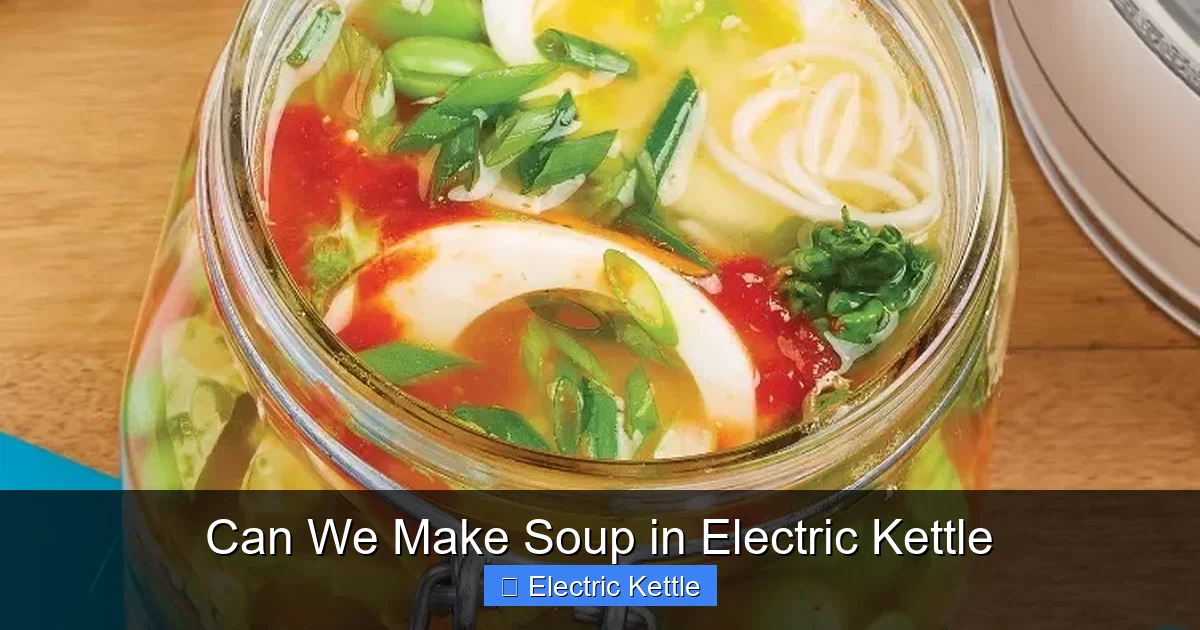
Visual guide about Can We Make Soup in Electric Kettle
Image source: irrorwxhiqijjr5q.ldycdn.com
Before we dive into soup-making, let’s break down how electric kettles function. Most kettles use an internal heating element (usually hidden under a stainless steel or glass base) to rapidly boil water. Once the water reaches boiling point (around 212°F or 100°C), an automatic shut-off mechanism kicks in to prevent overheating.
This design makes kettles incredibly efficient for boiling water—but not ideal for cooking. Unlike stovetops or slow cookers, kettles don’t maintain a steady, adjustable heat. They heat quickly, then turn off. This means you can’t simmer ingredients, reduce liquids, or cook raw proteins safely.
Types of Electric Kettles
Not all kettles are created equal. Here’s a quick rundown of common types and their soup-making potential:
- Basic plastic or stainless steel kettles: These are the most common. They’re great for boiling water but not designed for cooking. Avoid adding ingredients directly.
- Glass kettles: Easier to clean and monitor, but still not meant for cooking. Use for heating water only.
- Kettles with “keep warm” function: These maintain a lower temperature after boiling, which can be useful for keeping soup warm—but not for cooking.
- Multi-cookers or smart kettles: Some newer models have settings for soups or stews. If your kettle has a “soup” mode, you’re in luck—check the manual for guidelines.
Why Most Kettles Aren’t Built for Cooking
Manufacturers design kettles for one primary task: boiling water. Adding food—especially starchy, fatty, or protein-rich ingredients—can cause several problems:
- Residue buildup: Starches and proteins can stick to the heating element, leading to burning, odors, or even damage.
- Overheating risks: Thick liquids don’t circulate heat as well as water, increasing the chance of hot spots or boil-overs.
- Voided warranties: Using your kettle for cooking may void the manufacturer’s warranty.
- Safety hazards: Steam, splattering, or electrical issues can arise if the kettle isn’t designed for food.
So while you *can* make soup in an electric kettle, it’s best to treat it as a water-heating tool—not a cooking appliance.
Safe Ways to Make Soup Using an Electric Kettle
Now that we know the limitations, let’s explore safe, effective methods for making soup with your kettle. The golden rule? Use the kettle to heat water, then combine it with ingredients in a separate container.
Method 1: The Pour-Over Technique
This is the safest and most recommended method. Here’s how it works:
- Fill your kettle with clean water (don’t exceed the max line).
- Boil the water as usual.
- While the water heats, place your soup ingredients in a heatproof bowl or mug.
- Pour the boiling water over the ingredients.
- Stir well and let it sit for 3–5 minutes to rehydrate and infuse flavors.
This method works perfectly for:
- Instant ramen or noodle cups
- Miso soup mix
- Dehydrated soup packets (like those from backpacking meals)
- Instant oatmeal or porridge (technically not soup, but similar)
Method 2: Using a Heatproof Insert
Some kettles allow you to place a small, heatproof container (like a silicone cup or metal bowl) inside while boiling. This is risky and not recommended unless your kettle specifically supports it. Most kettles aren’t designed for this, and the container could crack, spill, or interfere with the heating element.
If you try this:
- Use only food-grade, heat-resistant materials.
- Ensure the container doesn’t touch the heating element.
- Never leave it unattended.
- Clean the kettle immediately after.
Method 3: Pre-Cooked Ingredients + Hot Water
For a more substantial soup, pre-cook ingredients at home and store them in a thermos or container. Then, use your kettle to heat water and pour it over the pre-cooked mix.
Example:
- Pre-cook diced carrots, potatoes, and onions.
- Add them to a jar with bouillon powder or salt.
- At work or school, pour boiling water from the kettle over the mix.
- Let it sit for 5 minutes, then enjoy.
This method gives you more control over texture and flavor while keeping the kettle safe.
What Types of Soup Work Best?
Not all soups are created equal when it comes to kettle cooking. Stick to these categories for best results:
Instant and Dehydrated Soups
These are the easiest and safest options. Brands like Knorr, Maruchan, or Mountain House offer dehydrated soups that only need hot water. They’re lightweight, shelf-stable, and perfect for travel or small spaces.
Try:
- Instant miso soup
- Chicken noodle soup mix
- Tomato or vegetable broth packets
- Beef or mushroom consommé
Tip: Add a splash of soy sauce, sesame oil, or fresh herbs after pouring for extra flavor.
Broth-Based Soups
Clear broths rehydrate quickly and don’t leave residue. Use bouillon cubes, powdered broth, or store-bought stock (if you can heat it safely).
Example recipe:
- 1 cup boiling water
- 1 chicken bouillon cube
- 1 tbsp dried vegetables (carrots, peas, onions)
- 1 tsp soy sauce
- Pinch of garlic powder
Stir and let sit for 3 minutes. Add cooked noodles or tofu if available.
Noodle and Grain Soups
Instant noodles, rice, or quinoa can be rehydrated with hot water. Just make sure they’re fully submerged and given enough time.
Pro tip: Break noodles into smaller pieces for faster rehydration.
What NOT to Try
Avoid these ingredients and methods:
- Raw meat or eggs: They won’t cook thoroughly and can pose food safety risks.
- Dairy products: Milk, cream, or cheese can scorch, curdle, or leave a sticky residue.
- Thick, starchy soups: Like chowders or bisques—they can burn or clog the kettle.
- Oil-heavy soups: Fats can damage the heating element and are hard to clean.
- Long-cooking legumes: Lentils or beans need simmering, not just boiling water.
Safety Tips and Best Practices
Making soup in an electric kettle is convenient, but safety should always come first. Follow these guidelines to protect yourself and your appliance.
Never Leave the Kettle Unattended
Even though most kettles auto-shut off, it’s risky to walk away while it’s heating—especially if you’ve added anything unusual. Stay nearby to monitor for spills, steam, or unusual smells.
Don’t Overfill the Kettle
Always stay below the maximum fill line. Overfilling can cause boiling water to spill out, potentially damaging the kettle or causing burns.
Use Only Water in the Kettle
Unless your kettle is specifically designed for cooking, only boil plain water inside it. Adding salt, spices, or food particles can leave residue and affect performance.
Clean Thoroughly After Use
Even if you only used the kettle for water, clean it regularly to prevent mineral buildup. If you’ve made soup nearby, wipe down the exterior and spout to avoid sticky residue.
For deep cleaning:
- Mix equal parts water and white vinegar.
- Boil the solution, let it sit for 15 minutes, then rinse thoroughly.
- Wipe the exterior with a damp cloth.
Check Your Kettle’s Manual
Every model is different. Some kettles have warnings against using them for anything other than water. Others may allow limited cooking. Always refer to the user manual before experimenting.
Use Heatproof Containers
When pouring boiling water, use mugs, bowls, or thermoses rated for high heat. Avoid plastic containers that can warp or leach chemicals.
Creative Soup Recipes You Can Make with an Electric Kettle
Ready to try it? Here are five simple, delicious soup recipes that work perfectly with just hot water.
1. Quick Miso Soup
Ingredients:
- 1 cup boiling water
- 1 tbsp miso paste (white or red)
- 1 tsp dried wakame seaweed
- 1 green onion, sliced
- 1 tsp sesame oil (optional)
Instructions:
- Boil water in the kettle.
- In a bowl, mix miso paste with a little hot water to dissolve.
- Add remaining water, seaweed, and green onion.
- Stir and let sit for 2–3 minutes.
- Drizzle with sesame oil before serving.
2. Spicy Ramen Upgrade
Ingredients:
- 1 instant ramen packet
- 1 cup boiling water
- 1 tsp chili oil or sriracha
- 1 tbsp frozen peas or corn
- 1 tsp soy sauce
Instructions:
- Break noodles into a bowl.
- Pour boiling water over noodles and seasoning.
- Add frozen veggies—they’ll thaw quickly.
- Stir in chili oil and soy sauce.
- Let sit for 3–4 minutes before eating.
3. Veggie Broth with Tofu
Ingredients:
- 1 cup boiling water
- 1 vegetable bouillon cube
- 2 tbsp dried vegetable flakes
- 2 tbsp cubed firm tofu (pre-cooked or shelf-stable)
- Pinch of black pepper
Instructions:
- Dissolve bouillon in hot water.
- Add vegetable flakes and tofu.
- Stir and let sit for 5 minutes.
- Season with pepper and enjoy.
4. Tomato Basil Soup
Ingredients:
- 1 cup boiling water
- 2 tbsp tomato soup mix (like Knorr)
- 1 tsp dried basil
- 1 tsp sugar (optional, to balance acidity)
- Crushed red pepper (optional)
Instructions:
- Mix soup powder with hot water.
- Stir in basil and sugar.
- Let sit for 3 minutes.
- Add a pinch of red pepper for heat.
5. Lentil Soup (Pre-Cooked Method)
Ingredients:
- 1/2 cup pre-cooked lentils (from a can or home-cooked)
- 1 cup boiling water
- 1 tsp vegetable bouillon
- 1 tbsp dried carrots and onions
- 1 tsp olive oil
Instructions:
- Place lentils and dried veggies in a bowl.
- Dissolve bouillon in boiling water.
- Pour over lentils and stir.
- Let sit for 5–7 minutes.
- Drizzle with olive oil before serving.
When to Avoid Making Soup in an Electric Kettle
While convenient, there are times when using your kettle for soup just isn’t worth the risk.
You Have Access to a Stovetop or Microwave
If you’re at home or in a kitchen, use proper cooking tools. They’re safer, more efficient, and give better results.
You’re Making a Large Batch
Kettles are designed for small volumes (usually 1–1.7 liters). Trying to make soup for multiple people increases the risk of spills and uneven heating.
Your Kettle Is Old or Damaged
Cracks, frayed cords, or a malfunctioning thermostat make any use risky. Don’t push a faulty appliance.
You’re Serving Young Children or Elderly Individuals
Hot liquids pose a burn risk. Always supervise and use caution when serving vulnerable individuals.
You’re Traveling in a Hotel or Shared Space
Many hotels prohibit using kettles for anything other than water. Check policies first to avoid fines or damage claims.
Cleaning and Maintaining Your Kettle After Soup Use
Even if you only used the kettle for water, cleaning is essential—especially if soup ingredients splashed near the spout or base.
Daily Cleaning
After each use:
- Empty any remaining water.
- Wipe the exterior with a damp cloth.
- Rinse the interior with clean water.
- Let it air dry with the lid open.
Weekly Deep Clean
Once a week:
- Fill the kettle halfway with equal parts water and white vinegar.
- Boil the solution.
- Let it sit for 15–20 minutes.
- Scrub gently with a soft brush or sponge.
- Rinse thoroughly 2–3 times to remove all vinegar taste.
Dealing with Residue or Odors
If you notice a burnt smell or sticky residue:
- Boil a mixture of water and baking soda (1 tbsp per cup).
- Let it sit, then rinse well.
- For tough stains, use a paste of baking soda and water on the exterior.
Never use abrasive cleaners or steel wool—they can scratch surfaces and damage coatings.
Conclusion: Yes, You Can Make Soup in an Electric Kettle—Safely
So, can we make soup in an electric kettle? Absolutely—but it’s not as simple as tossing ingredients in and pressing boil. With the right approach, your kettle can be a handy tool for quick, warm meals when you’re short on time or space.
The key is to use it as intended: a water heater. Boil the water, then combine it with your soup ingredients in a separate container. Stick to instant, dehydrated, or pre-cooked foods, and always prioritize safety and cleanliness.
Whether you’re a student in a dorm, a remote worker in a tiny office, or a traveler craving comfort food, your electric kettle can be a surprising ally in the kitchen. Just remember: convenience shouldn’t come at the cost of safety. Use common sense, follow the guidelines, and enjoy your homemade soup—one safe sip at a time.
Frequently Asked Questions
Can I cook raw chicken in an electric kettle?
No, you should never cook raw chicken or any raw meat in an electric kettle. It won’t reach or maintain a safe internal temperature, increasing the risk of foodborne illness. Always use proper cooking appliances for raw proteins.
Will making soup in my kettle void the warranty?
It might. Most manufacturers design kettles for boiling water only. Using them for cooking—especially with food inside—can void the warranty. Check your user manual before experimenting.
Can I put noodles directly in the kettle?
It’s not recommended. Noodles can stick to the heating element, burn, or cause boil-overs. Instead, boil water first, then pour it over noodles in a separate bowl.
Is it safe to use my kettle for soup every day?
Occasional use is fine, but daily soup-making can lead to residue buildup and damage. Clean your kettle regularly and avoid thick or oily ingredients to prolong its life.
Can I make creamy soup in an electric kettle?
No. Creamy soups with milk, cream, or cheese can scorch, curdle, or leave a sticky residue that’s hard to clean. Stick to clear broths and instant mixes.
What’s the best way to clean my kettle after making soup nearby?
Wipe the exterior with a damp cloth and rinse the interior with clean water. For deeper cleaning, use a vinegar-water solution once a week to remove mineral deposits and odors.